
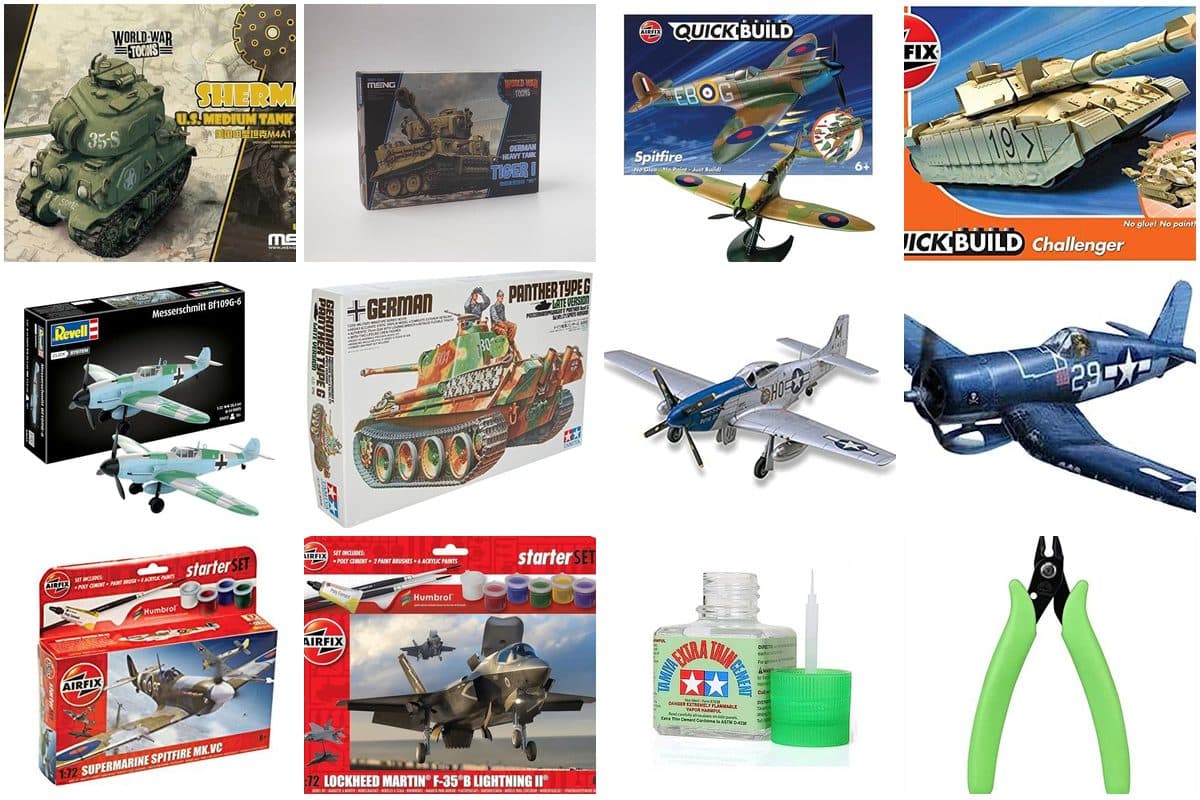
Best Scale Model Kits for Beginners: Start Building (2026)
20 best beginner model kits from snap-fit to starter sets with paint. Aircraft, tanks, and ships for first-time builders.
Jake Morrison··33 min read
From the first biplanes to fifth-generation stealth fighters, military aircraft have transformed the battlefield. Explore fighter jets, bombers, transport planes, and the engineering decisions that determine which platforms dominate the skies.
Military aircraft have defined the outcome of conflicts since World War I, when the first biplanes took to the skies over the Western Front. Today, fifth-generation stealth fighters like the F-22 Raptor and F-35 Lightning II represent the most advanced flying machines ever built — aircraft that can detect and engage targets before they even appear on an enemy's radar screen.
Our aircraft coverage examines fighters, bombers, transport planes, helicopters, and unmanned aerial vehicles from every era and every nation. Whether it is the engineering behind the A-10 Warthog's titanium armor, the classified tactics that give the F-22 its unmatched kill ratio, or the economics driving the global competition between the F-35 and Gripen, we focus on what these machines can actually do — not just what the brochures promise.
From the P-51 Mustang and Spitfire to the B-2 Spirit and Su-57 Felon, explore the full spectrum of military aviation with in-depth analysis built for enthusiasts who want to understand the engineering, the tactics, and the history behind the world's most formidable aircraft.
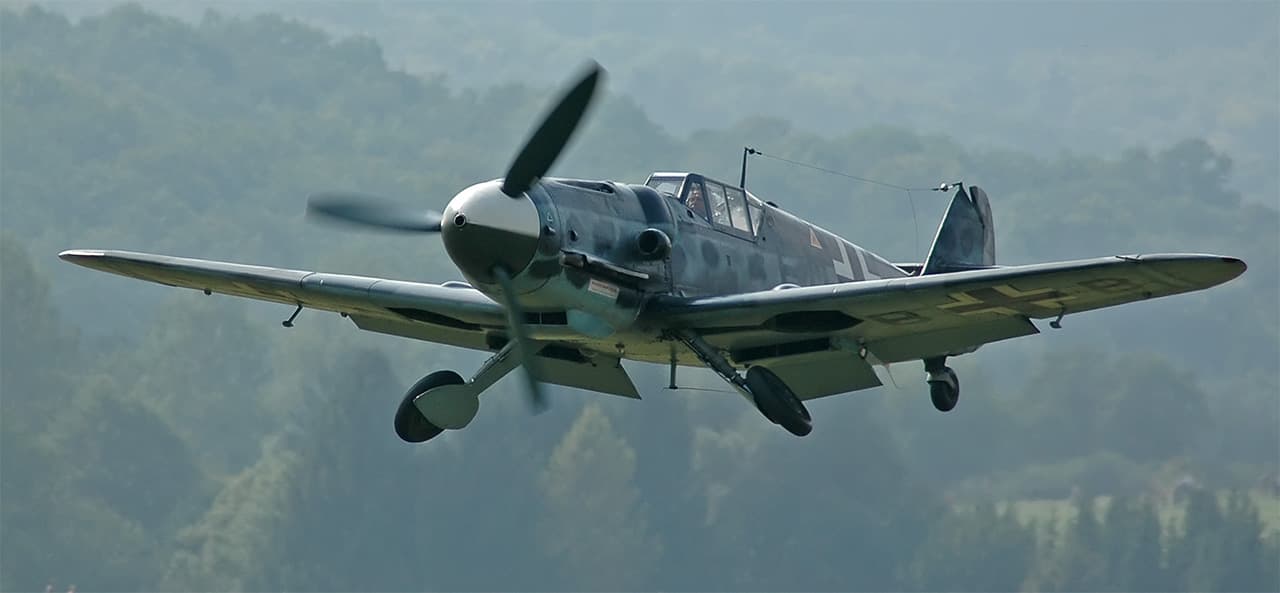
Showing 12 of 286 articles
20 best beginner model kits from snap-fit to starter sets with paint. Aircraft, tanks, and ships for first-time builders.
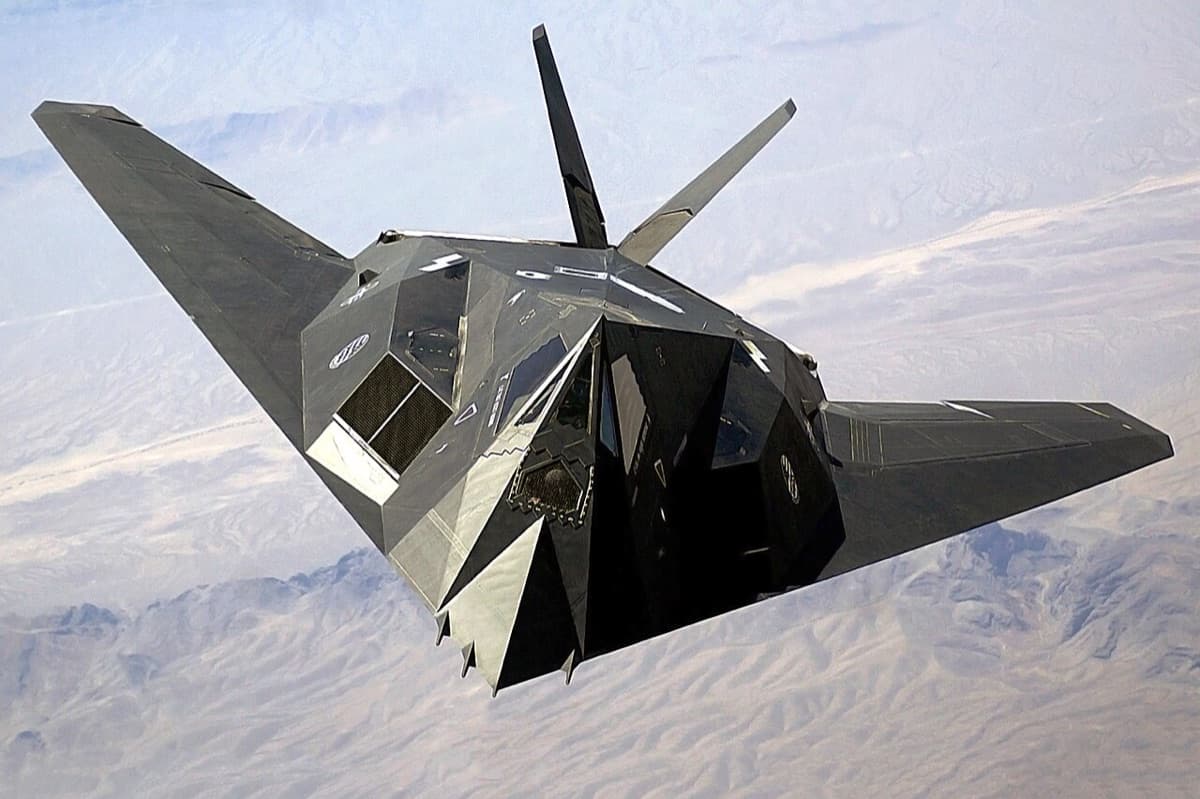
An F-22 Raptor has the radar signature of a marble. A B-52 has the radar signature of a barn. The difference comes down to five engineering disciplines — shaping, materials, inlet masking, exhaust design, and the limits of 1970s computing power that explain why the F-117 looks nothing like the B-2.
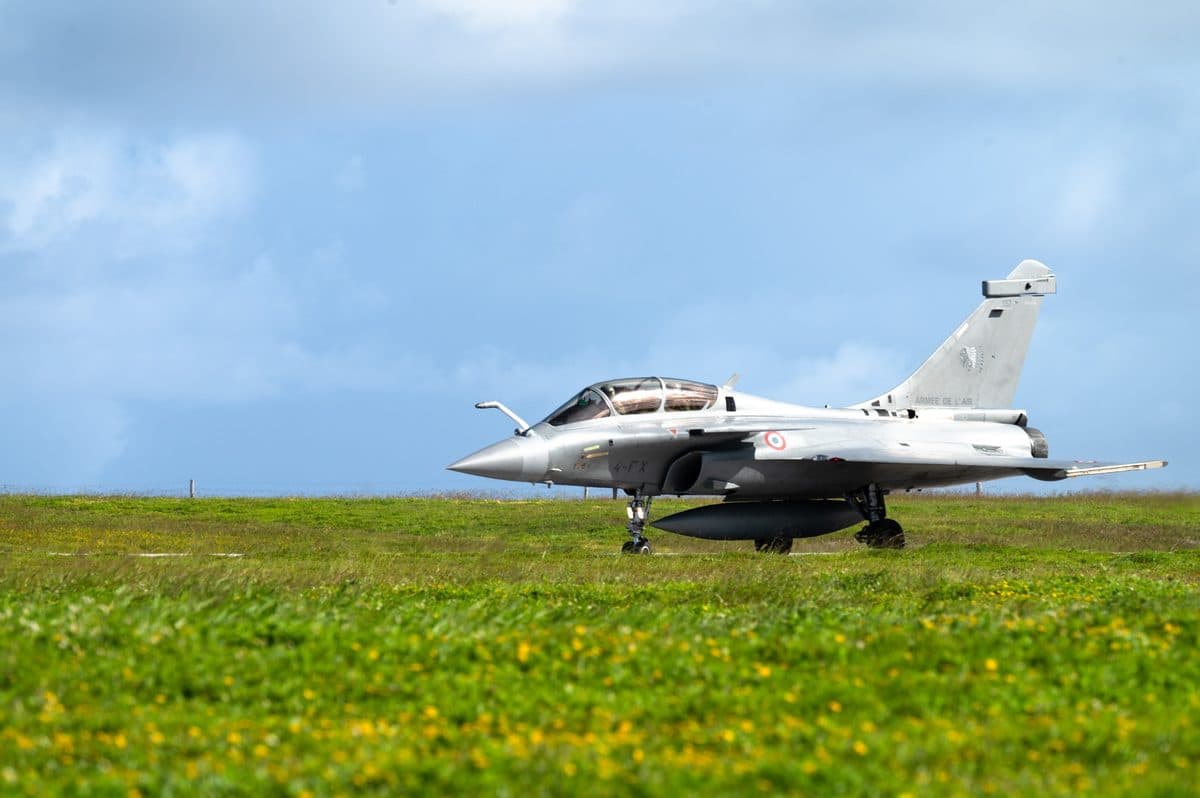
Three NATO allies spent over $100 billion developing three separate fighters when they could have built one. France built the Rafale for global power projection, four nations built the Typhoon for European air defense, and Sweden built the Gripen for national survival against Russia. Each designed for a fundamentally different war — and each thinks they made the right call.
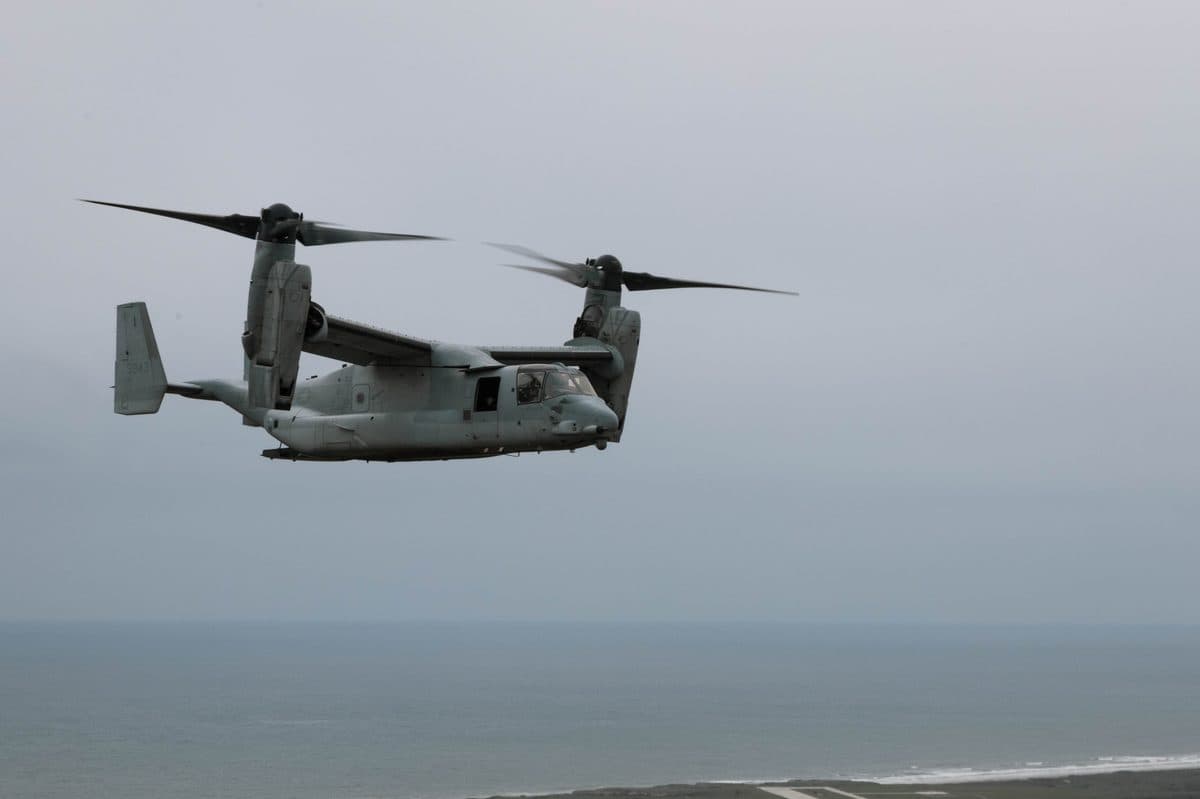
62 people have died in V-22 Osprey crashes since testing began. The Marines won't stop flying them. Both facts make complete sense when you understand what the Osprey does that no helicopter on Earth can match — and the engineering tradeoffs that make tiltrotor flight inherently more dangerous.

The Chinook entered service in 1962 and will fly until at least 2060. No other military aircraft in history has been — or will be — that durable.
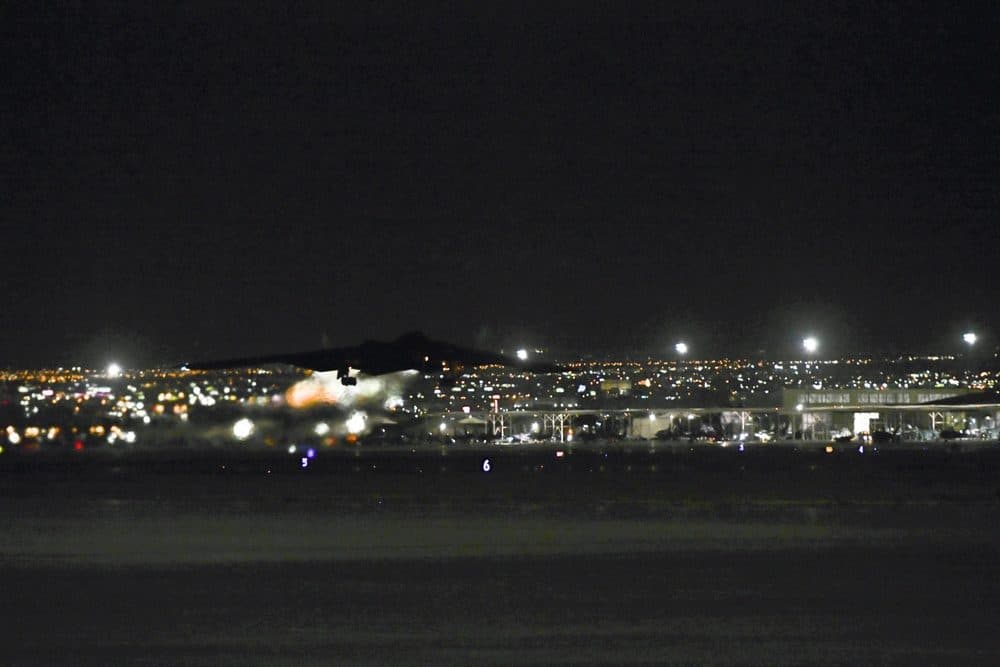
Almost everything the public knows about stealth aircraft is wrong. Here's how radar cross section, shaping, and coatings actually work — and why the F-117 shootdown proves the opposite of what most people think.
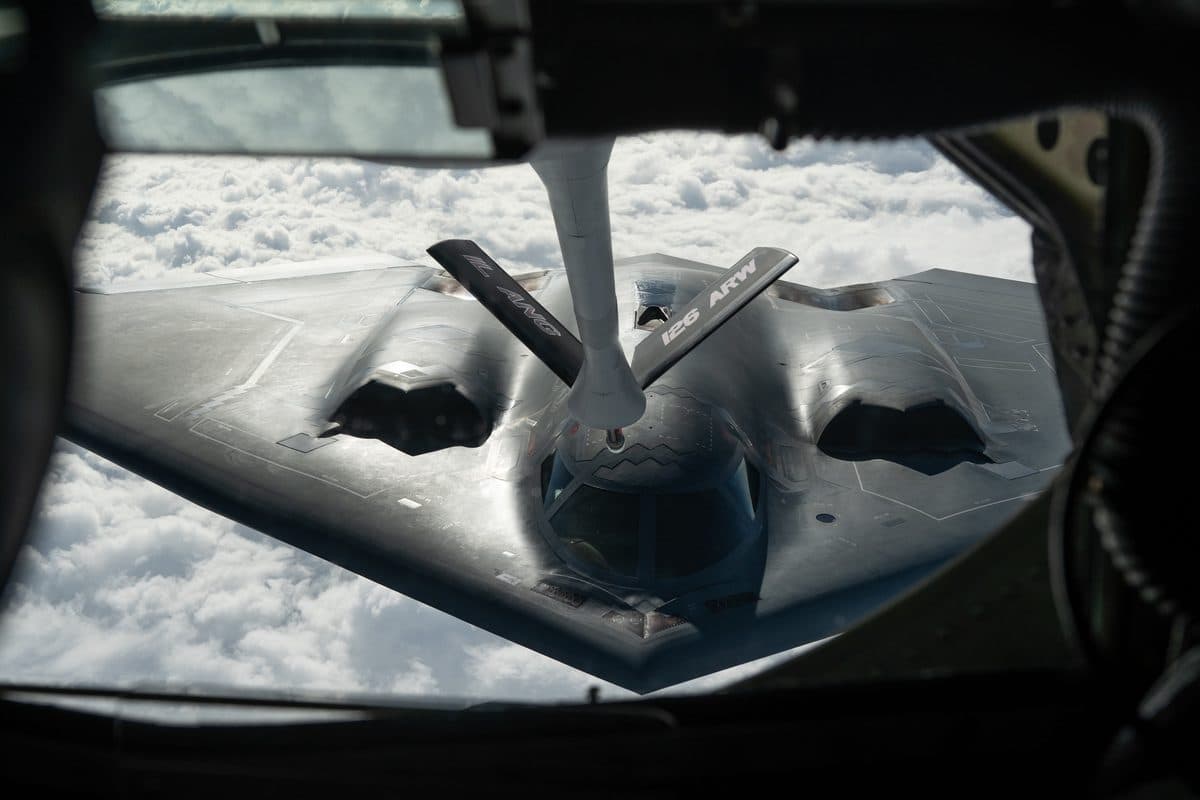
At $2.1 billion per aircraft, the B-2 Spirit is the most expensive plane ever built. But one B-2 sortie can replace a 75-aircraft strike package — and it has done exactly that in every major conflict since Kosovo. Here's why the Air Force considers it worth every penny.
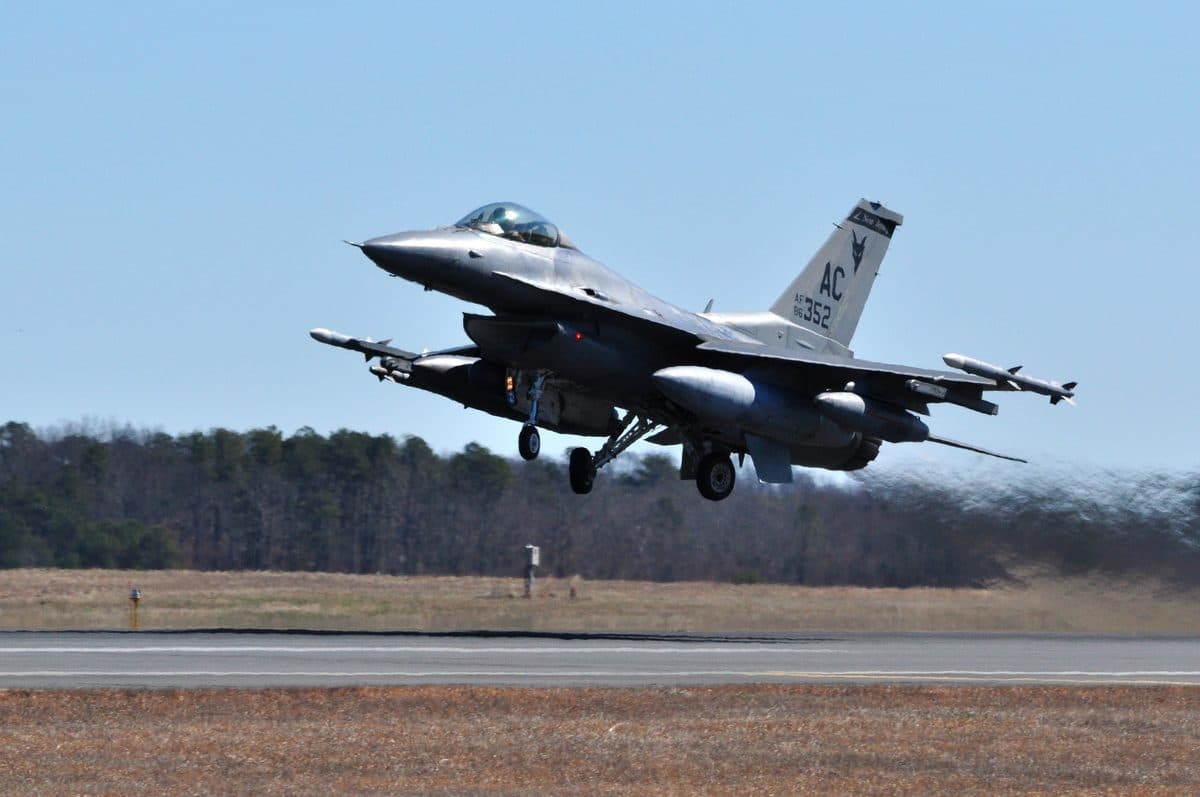
The F-16 was born from a radical idea: build a fighter that was small, light, and cheap enough to buy in massive numbers. Over 4,600 built, 25+ countries operating it, and an unmatched combat record later, the "cheap fighter" became the most successful Western fighter jet ever produced.
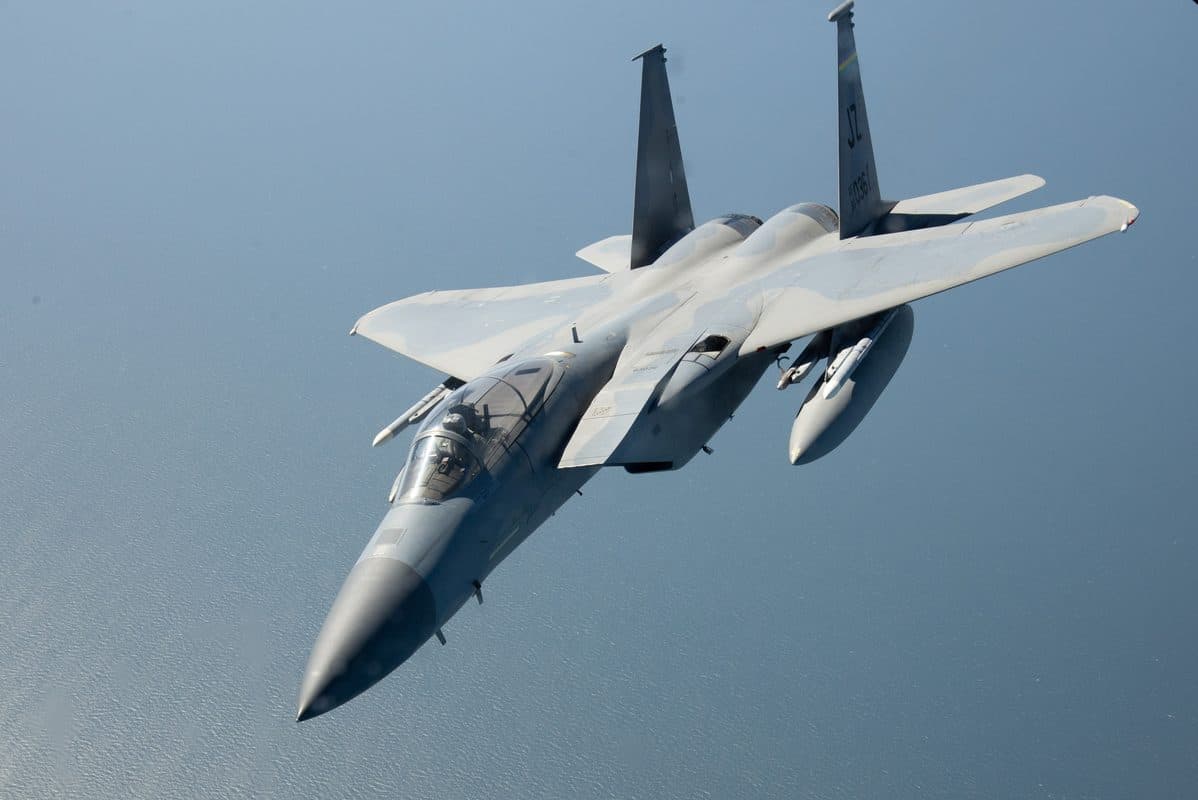
Both nations needed a twin-engine, two-seat fighter that could penetrate enemy air defenses, destroy ground targets, and fight its way home. Russia and America came up with radically different machines.
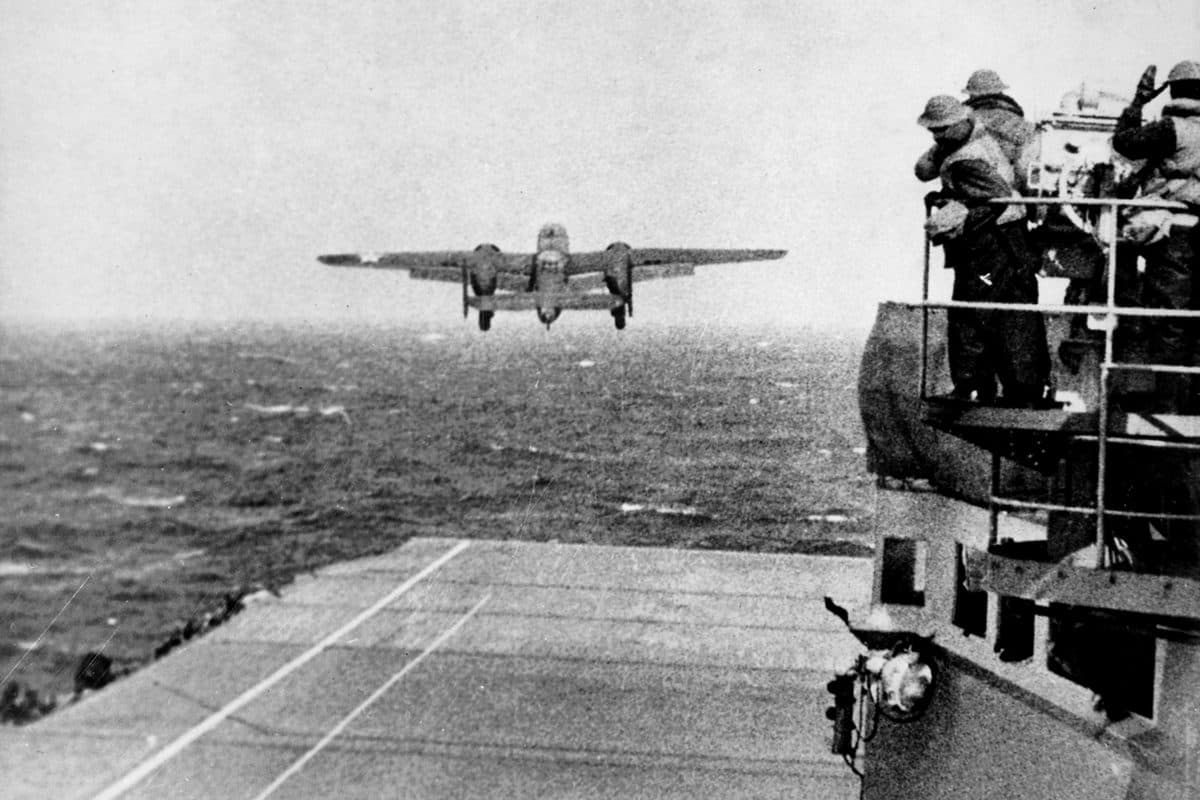
On April 18, 1942, sixteen B-25 Mitchell bombers did something no one thought possible: they launched from the deck of an aircraft carrier, flew 650 miles to Japan, and bombed Tokyo. Every aircraft was lost. The damage was negligible. The consequences changed the war.
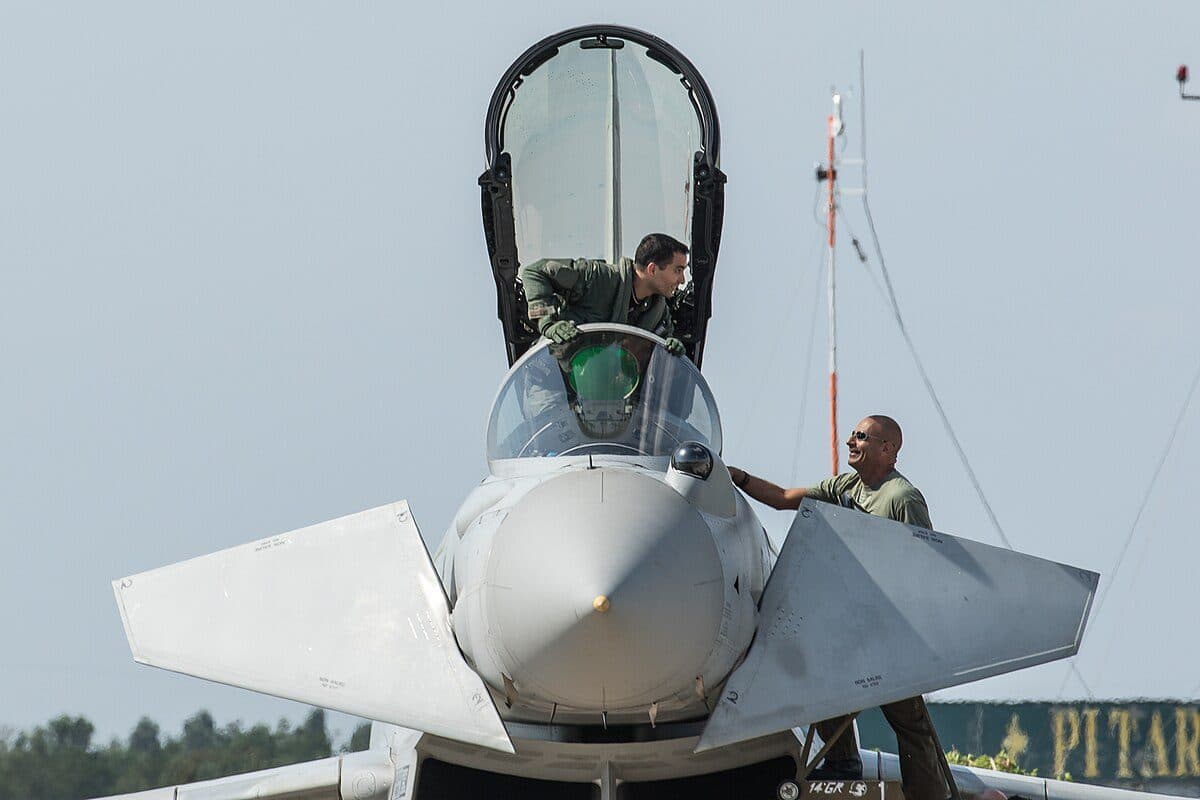
Stealth aircraft are designed to defeat radar. They are not designed to defeat heat. IRST systems — passive infrared sensors that detect aircraft by their thermal signature — are the most significant threat to stealth dominance in 2026, and every major fighter in the world now carries one.
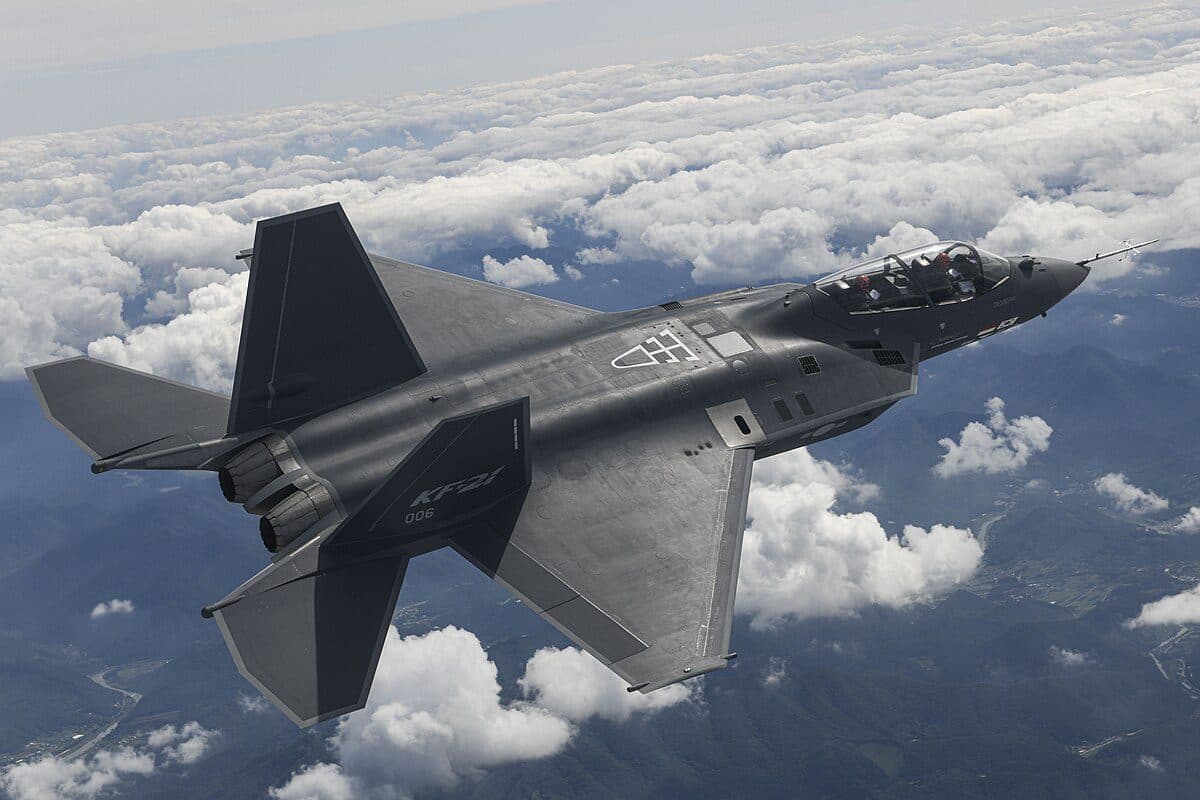
South Korea went from no indigenous fighter program to first production aircraft in seven years. The F-35 took twenty-five. The KF-21 Boramae costs $65 million. The F-35A costs $80 million. But the numbers alone don't tell you which one wins — because they're not trying to do the same thing.
The latest aircraft articles delivered to your inbox.