Tanks remain the backbone of armored warfare, combining firepower, protection, and mobility on the modern battlefield. Compare main battle tanks, explore armor technology, and understand how tank doctrine has evolved from WWI trenches to today.
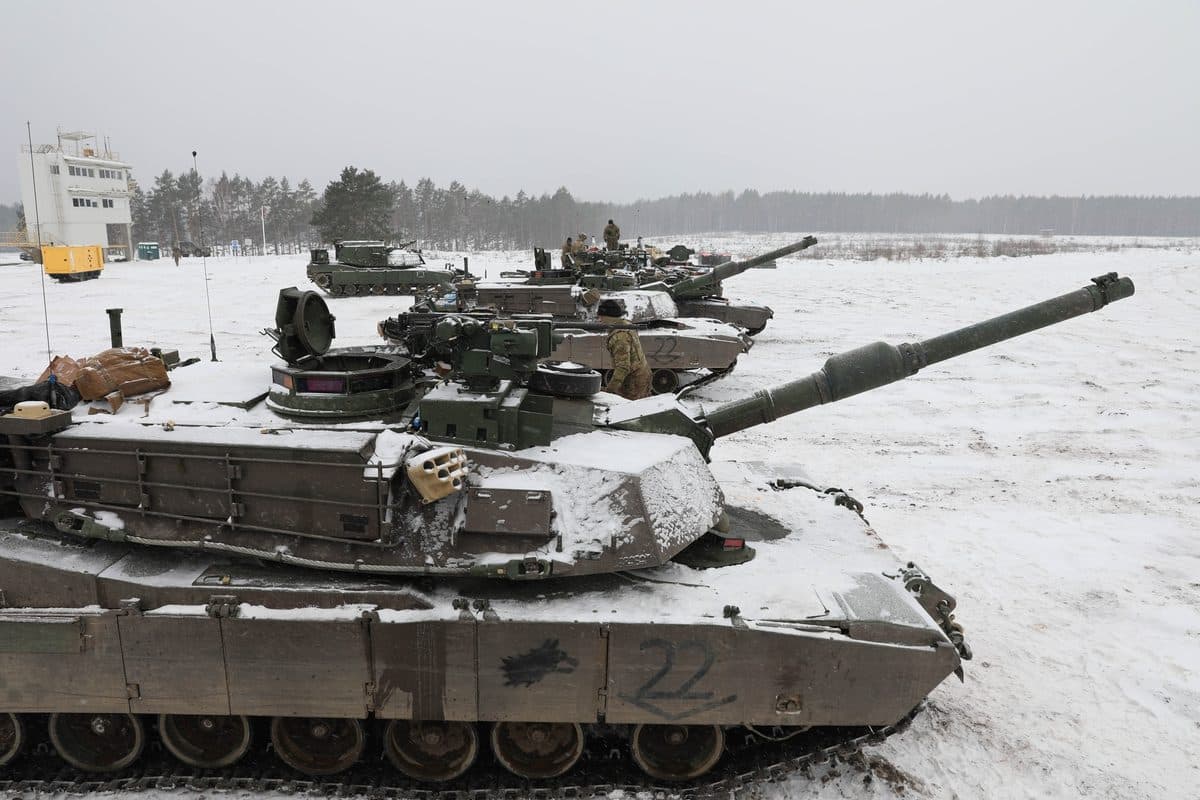
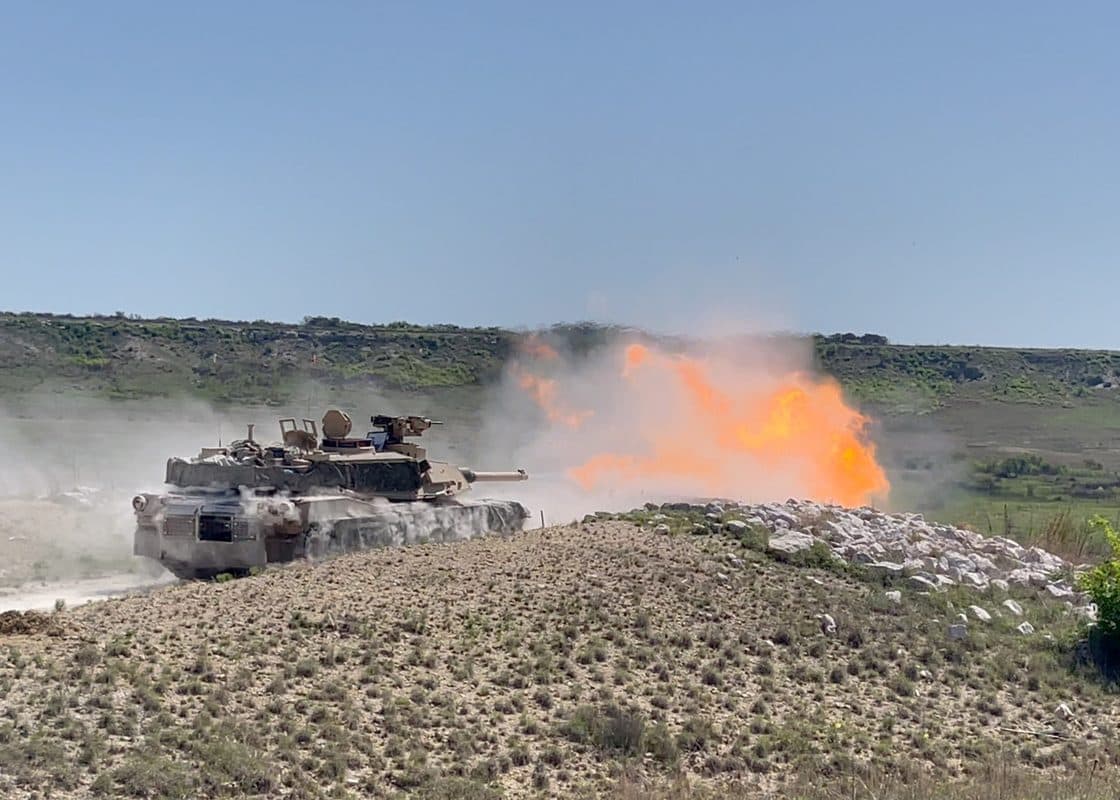
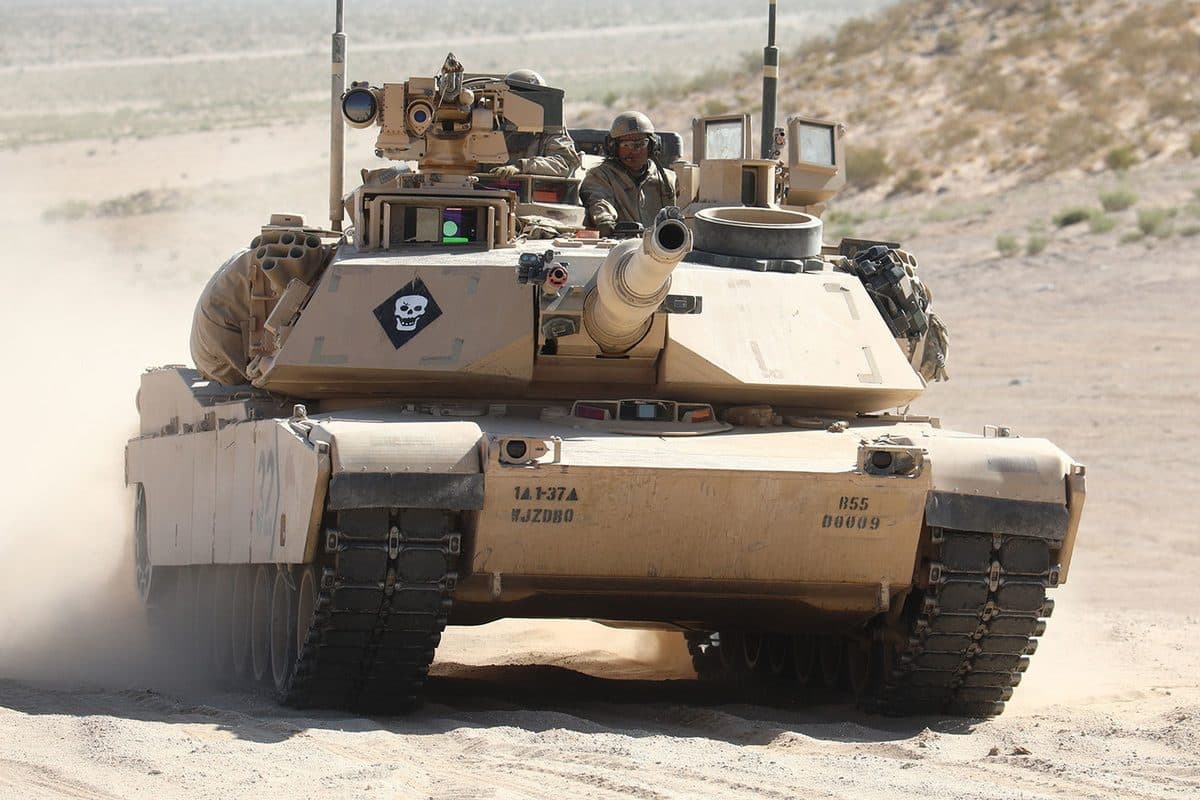
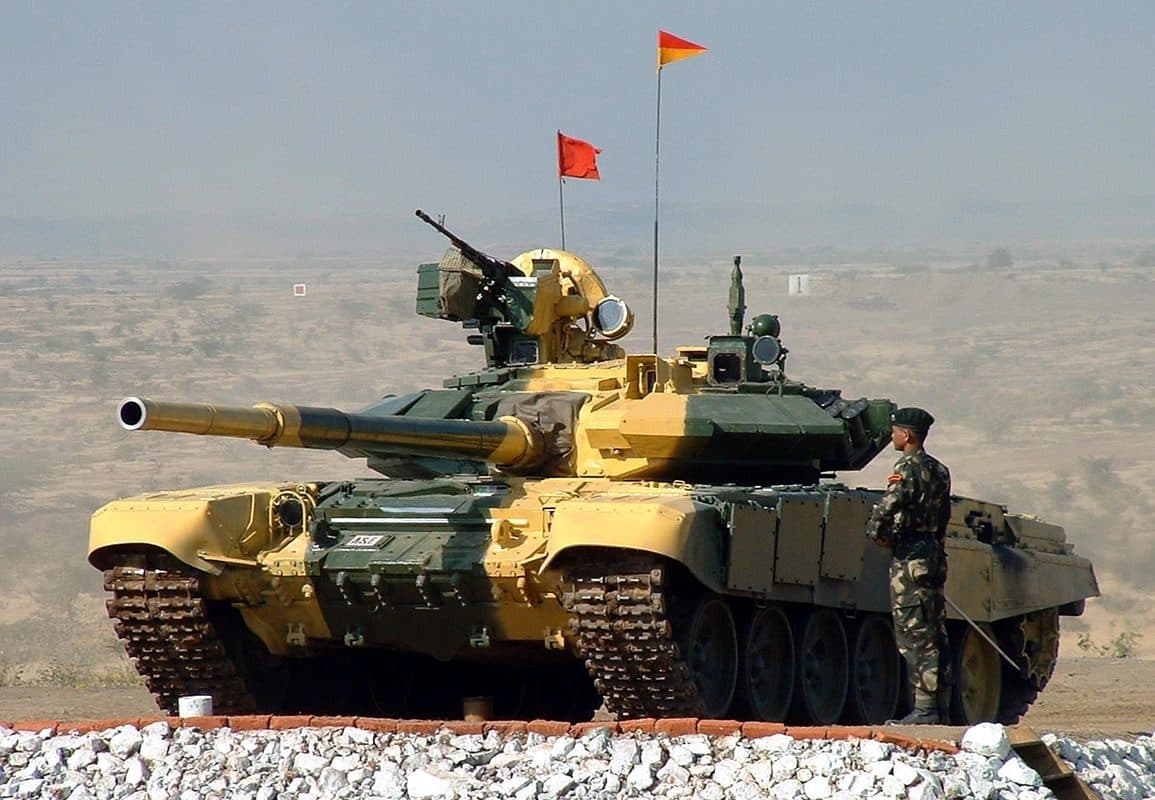
Tank warfare has been central to ground combat for over a century, and main battle tanks remain the most powerful land weapons systems fielded by any military. From the M1 Abrams and Leopard 2 to the T-90M and Merkava V, modern tanks combine composite armor, advanced fire control systems, and active protection technology to dominate the battlefield in ways their World War I predecessors could never have imagined.
Our tank coverage delivers detailed comparisons, technical breakdowns, and historical analysis of armored fighting vehicles from every major military power. Explore how reactive armor and active protection systems like Trophy are changing survivability, why the Abrams and Leopard 2 consistently outperform their rivals in NATO exercises, and how lessons from Ukraine are reshaping tank doctrine worldwide. We also trace the evolution of armored warfare from the first Mark I tanks at the Somme through the massive Panzer and T-34 clashes on the Eastern Front to today's networked, sensor-equipped platforms.
From the Military Machine catalog
Top picks for Tanks
Hand-picked from our gear guides, ranked for relevance to this topic.
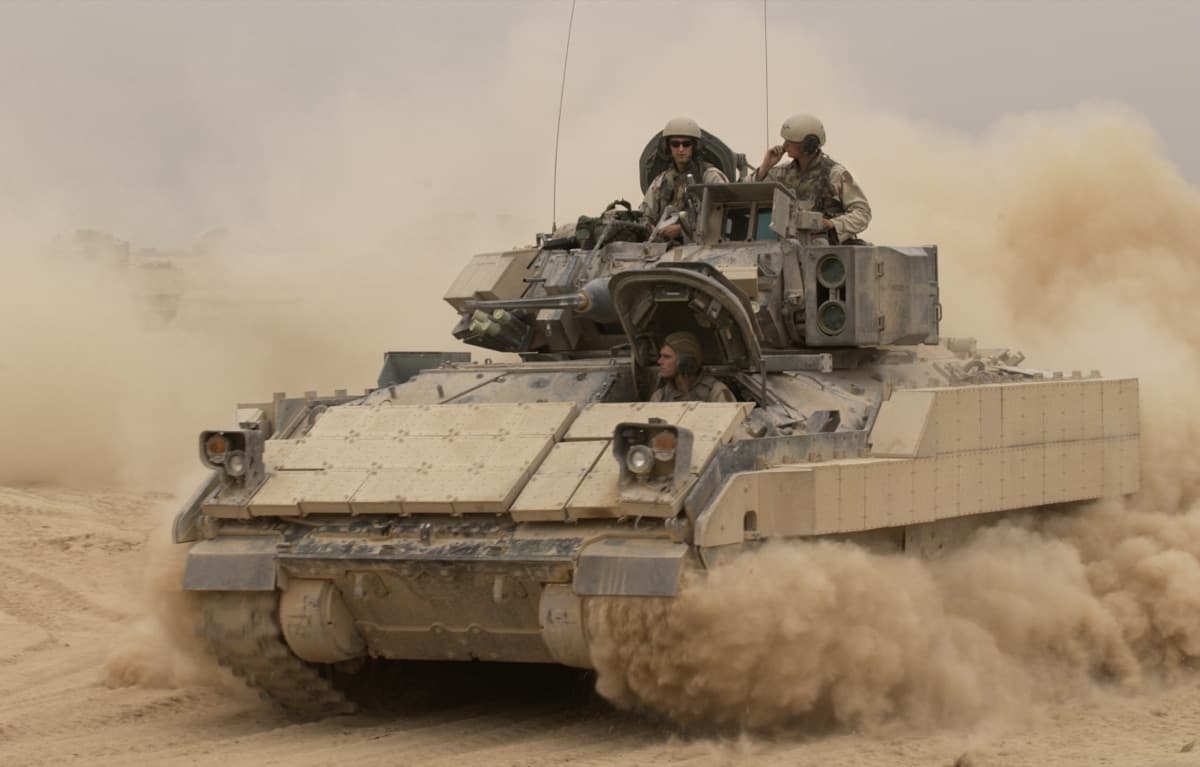
The BMP-3 carries a 100mm cannon, a 30mm autocannon, and three machine guns on a vehicle that can swim across rivers. The Bradley carries one 25mm gun on a vehicle that weighs almost twice as much. Both designs reflect fundamentally different philosophies about what an infantry fighting vehicle should do, and Ukraine has stress-tested both in combat.
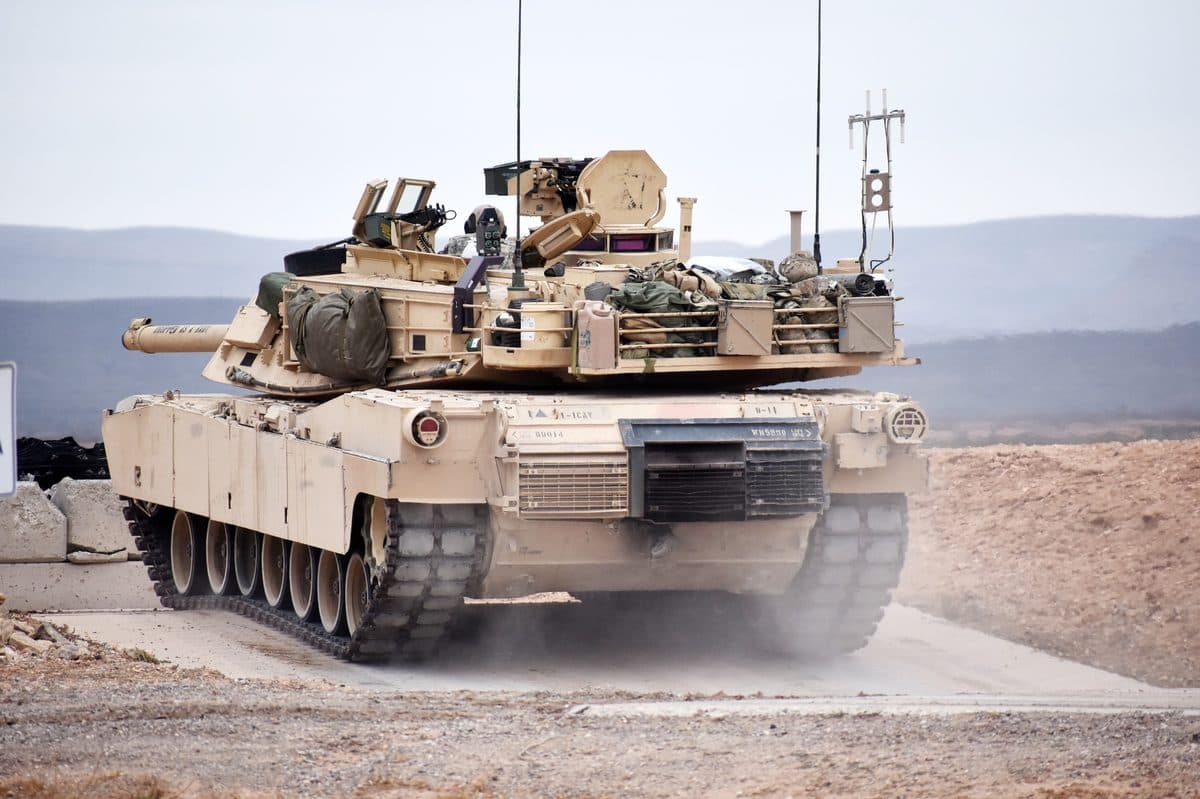
According to the IDF, 5,400 anti-tank attacks have been stopped, with zero crew killed in a Trophy-equipped tank. Rafael's Trophy Active Protection System detects an incoming rocket or missile, calculates an intercept point, and fires a shotgun-like countermeasure, all in less than one-tenth of a second. Here is how the system works, why the U.S. Army is installing it on every M1 Abrams, and the one kind of round it cannot stop.
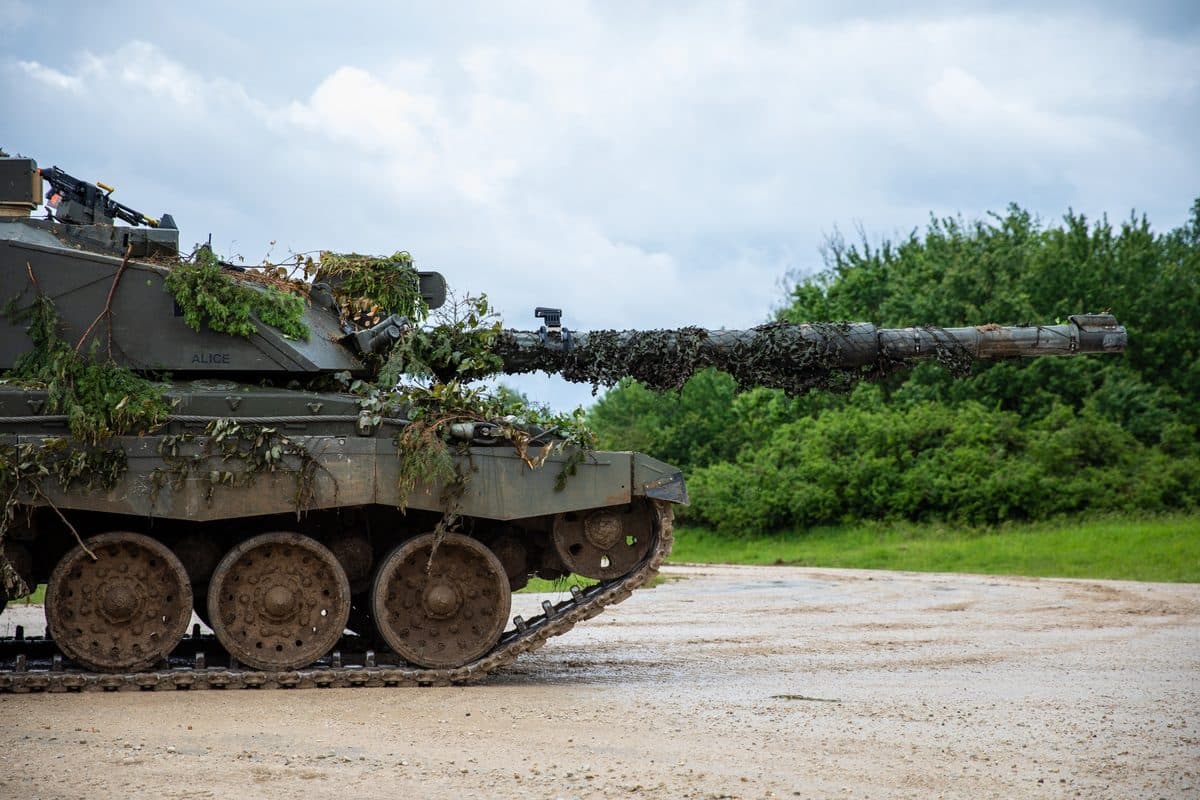
Britain is rebuilding its main battle tank from the turret up, replacing the unique rifled gun, fitting a completely new turret, and modernizing every system. The result is one of the most capable tanks in NATO. They're building 148 of them. Poland is buying 250 Abrams in a single order.
China designed the Type 99A to match or exceed the M1A2 Abrams on every measurable specification. On paper, they might have succeeded. But paper and a real battlefield are very different things.
Nineteen armies on four continents chose the Leopard 2. No other Western tank comes close to this export record, and the reasons go far beyond German engineering.
The BMP-T Terminator carries more weapons than some warships. From unmanned turrets to 60mm mortars hidden inside tanks, these are the most heavily armed ground vehicles currently in military service.
The AbramsX technology demonstrator features an unmanned turret, hybrid electric drive, and a three-man crew. Here is what the Army learned and how it shapes the M1E3.
At Fort Irwin's National Training Center, the enemy wins. The 11th Armored Cavalry Regiment uses 1,000 square miles of Mojave Desert to humble every brigade that comes through, and that deliberate defeat makes those units better at war.
The armor detonates itself. On purpose. Explosive reactive armor uses a controlled detonation to disrupt incoming shaped charge jets and even kinetic penetrators, buying the crew inside precious milliseconds of survival. Here is the physics behind one of the most counterintuitive defense technologies ever fielded.