Air superiority can determine the outcome of entire campaigns. Explore dogfighting tactics, beyond-visual-range engagements, sensor fusion, and how air combat has evolved from gun kills to networked missile exchanges.
Air combat has evolved from the close-range dogfights of World War I into a sophisticated domain where stealth, sensors, and beyond-visual-range missiles determine the outcome before opponents ever see each other. Achieving air superiority remains one of the most critical objectives in any military campaign, without it, ground and naval forces operate under constant threat from enemy air power.
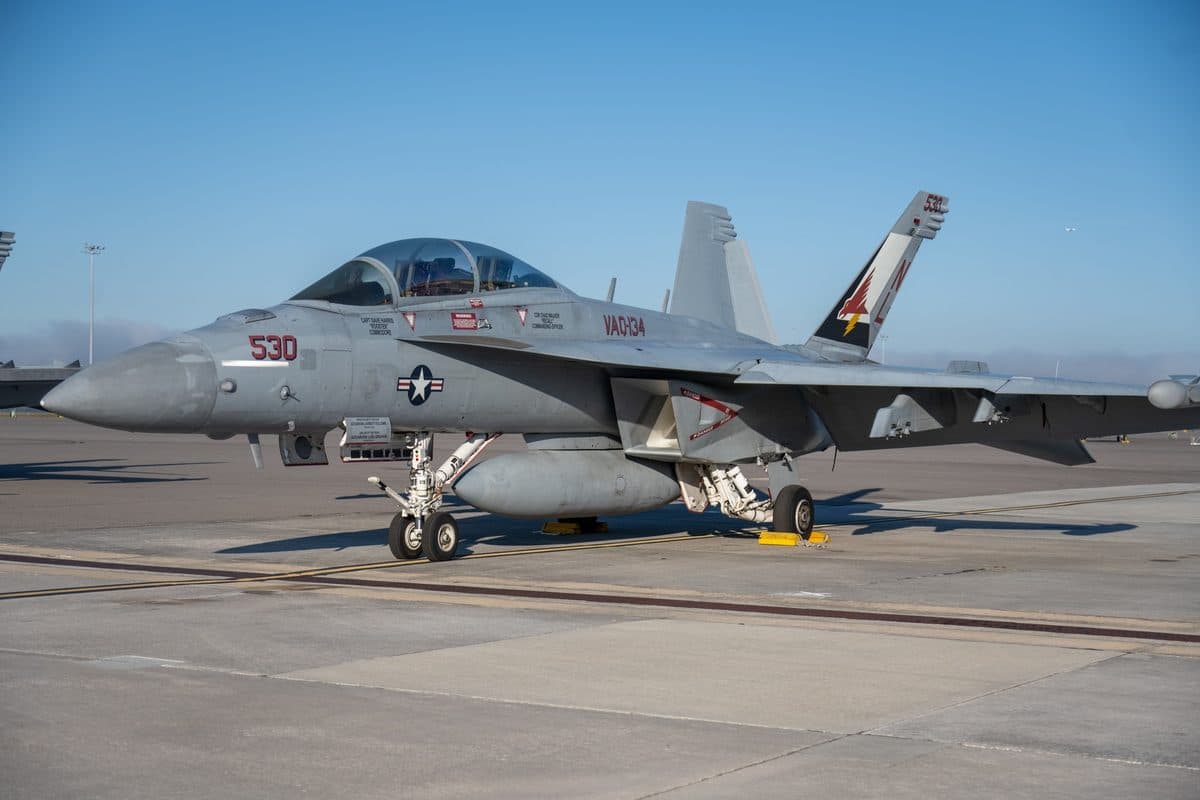
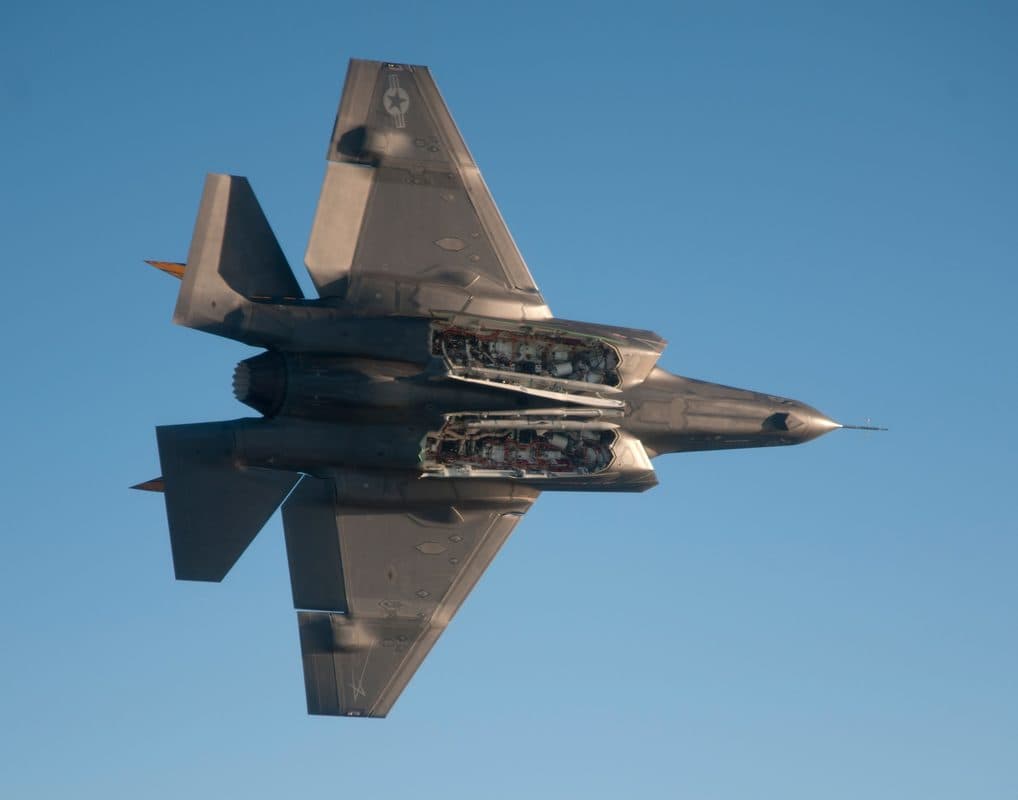
Our air combat coverage dives deep into the tactics, technologies, and engagements that define aerial warfare. Explore how the F-22 Raptor's combination of stealth, supercruise, and sensor fusion creates an almost insurmountable advantage in contested airspace. Analyze the evolution from gun-kill dogfights over Vietnam to the networked, missile-centric engagements of today's fifth-generation fighters. We examine historical air battles, modern threat environments, electronic warfare countermeasures, and the integration of airborne early warning platforms that give fighter pilots the situational awareness to dominate the skies.
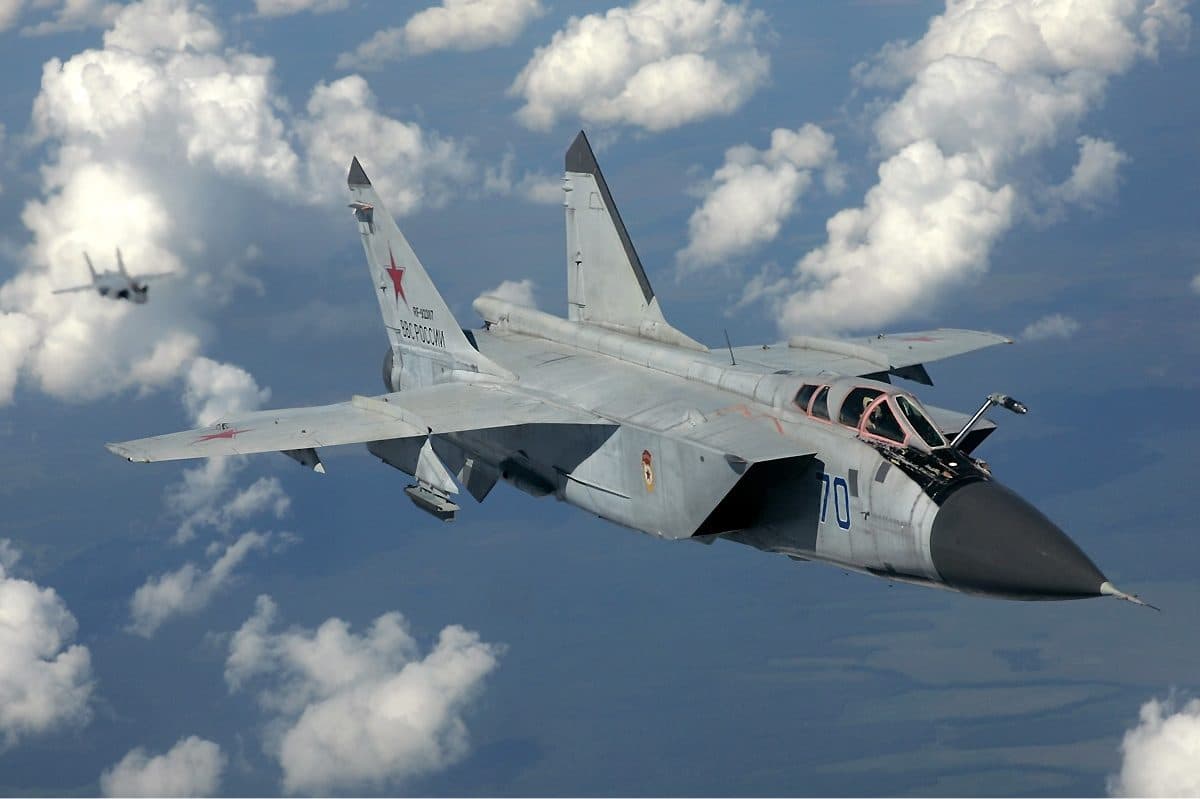
The MiG-31 was designed to catch the SR-71 Blackbird. It is still the fastest fighter in any air force. The Foxhound's Zaslon phased-array radar, the first ever installed in a fighter, can track 10 targets and engage 4 simultaneously at ranges exceeding 200 miles. Here is why Russia still flies a 1980s interceptor, and why the MiG-31BM carrying a Kinzhal hypersonic missile has changed what the aircraft means to modern warfare.
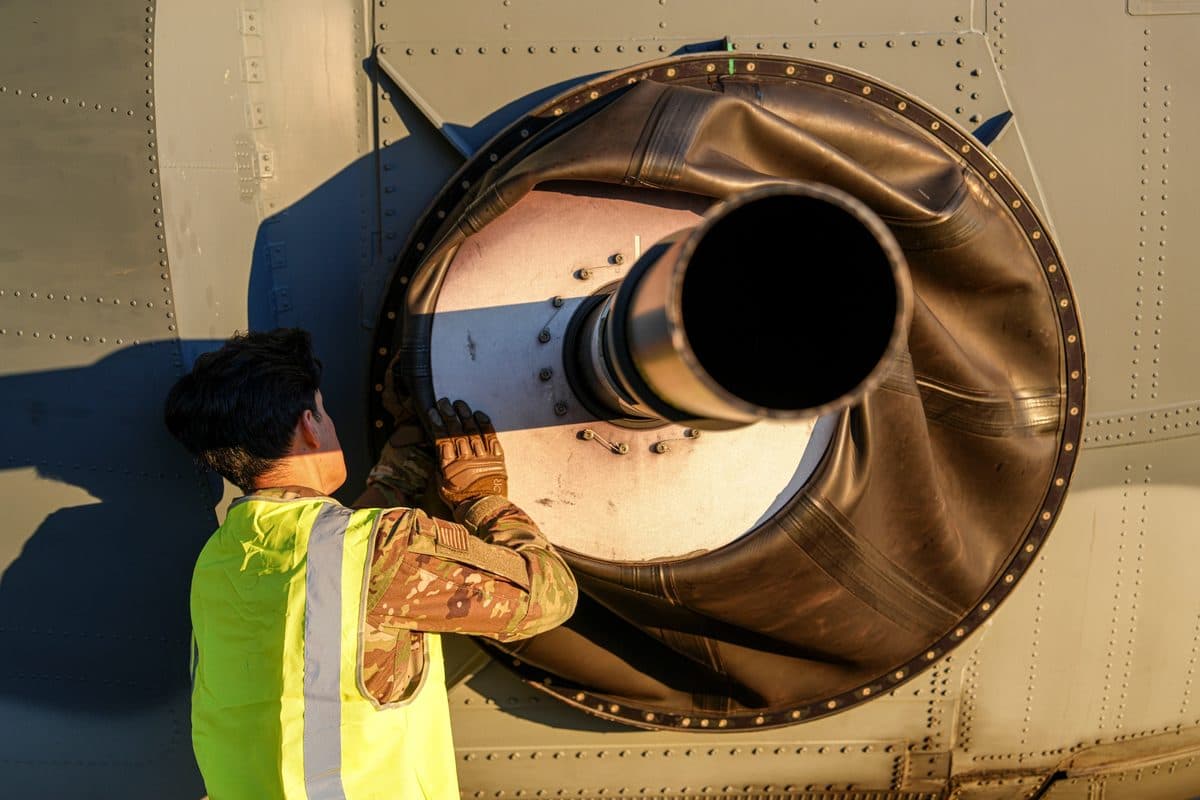
The AC-130J Ghostrider carries a 105mm howitzer, a 30mm chain gun, Hellfire missiles, and precision bombs inside a cargo plane, then flies in a continuous banking turn at 12,000 feet while placing every round inside a 10-meter circle. Here's how the fire control system makes that possible.
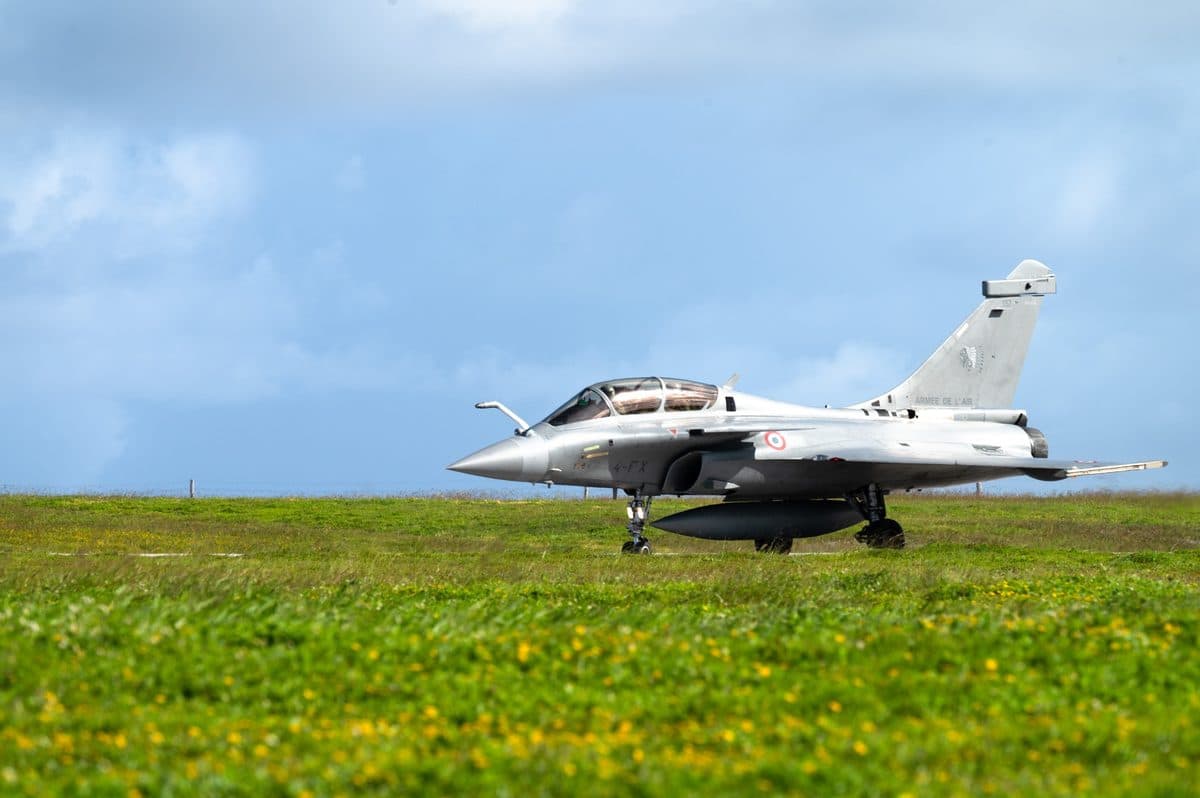
Three NATO allies spent over $100 billion developing three separate fighters when they could have built one. France built the Rafale for global power projection, four nations built the Typhoon for European air defense, and Sweden built the Gripen for national survival against Russia. Each designed for a fundamentally different war, and each thinks they made the right call.
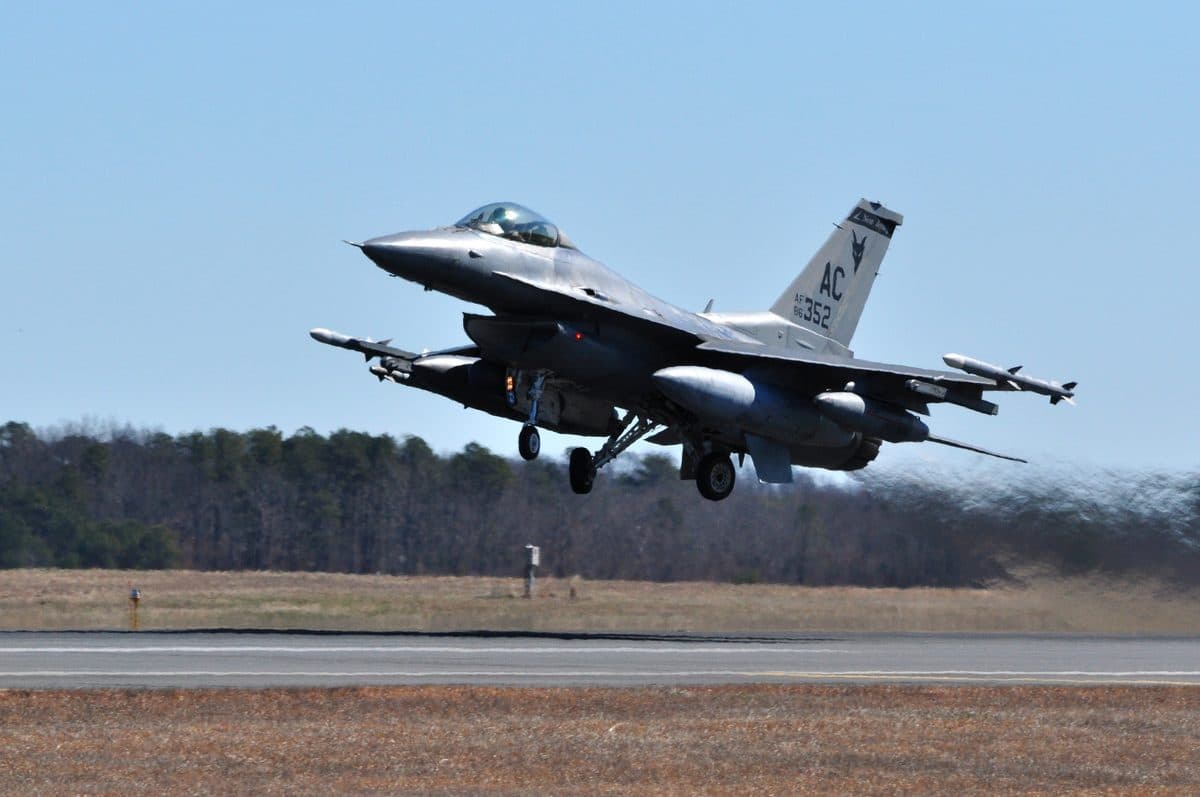
The F-16 was born from a radical idea: build a fighter that was small, light, and cheap enough to buy in massive numbers. Over 4,600 built, 25+ countries operating it, and an unmatched combat record later, the "cheap fighter" became the most successful Western fighter jet ever produced.
Both nations needed a twin-engine, two-seat fighter that could penetrate enemy air defenses, destroy ground targets, and fight its way home. Russia and America came up with radically different machines.
South Korea went from no indigenous fighter program to first production aircraft in seven years. The F-35 took twenty-five. The KF-21 Boramae costs $65 million. The F-35A costs $80 million. But the numbers alone don't tell you which one wins, because they're not trying to do the same thing.
These 10 aircraft have destroyed more enemy hardware than every other weapon system combined. From the F-22's undefeated exercise record to the A-10's tank-killing legacy, these are the most lethal combat aircraft still in active service.
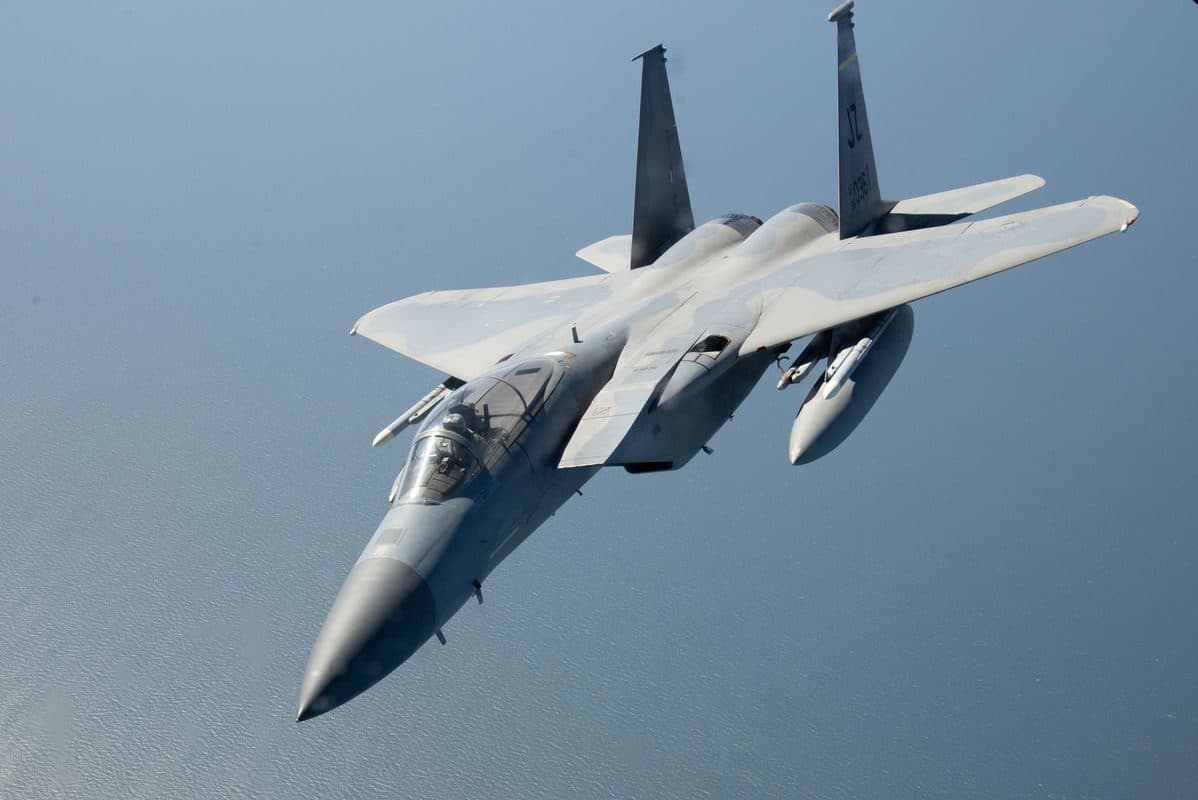
After an F-15E Strike Eagle was shot down over Iran, the CIA used a classified quantum tool called Ghost Murmur to locate the wounded crew member by his heartbeat alone. 155 aircraft launched to bring him home. Here's what we know.
The AIM-260 JATM is the most important American weapon you've never seen a photo of. Developed to counter China's PL-15 long-range missile, it promises to restore the range advantage American fighters have held for decades, and it's so sensitive that even close allies had to wait years for export approval.
The F-22 Raptor has been at war since 2014, dropping hundreds of bombs over Syria, deterring 587 enemy aircraft in a single deployment, and scoring history's highest-altitude air-to-air kill, against a Chinese balloon. Here's the full combat record most people don't know exists.
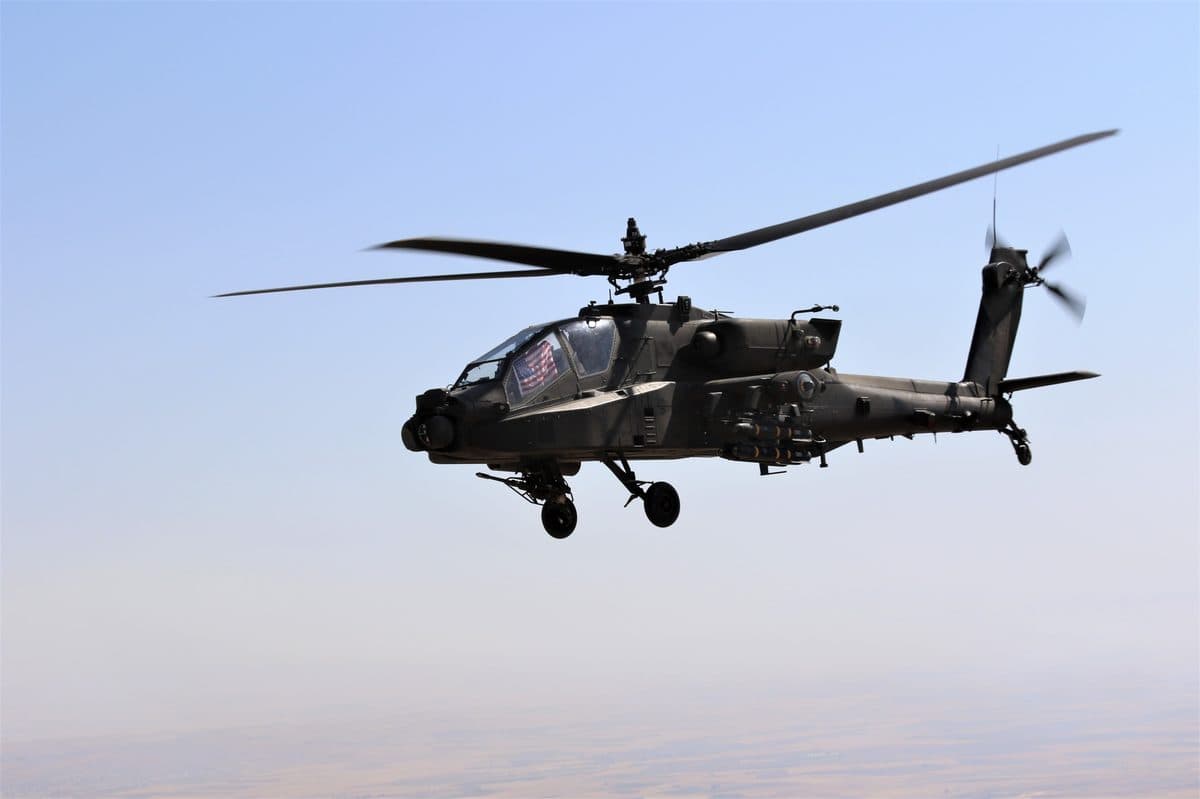
The AH-64 Apache fired the opening shots of Desert Storm, survived 2,300+ combat hits across three decades of continuous warfare, and still has no true peer among the world's attack helicopters. Here's why, from the helmet-mounted sight to the Hellfire's kill record.