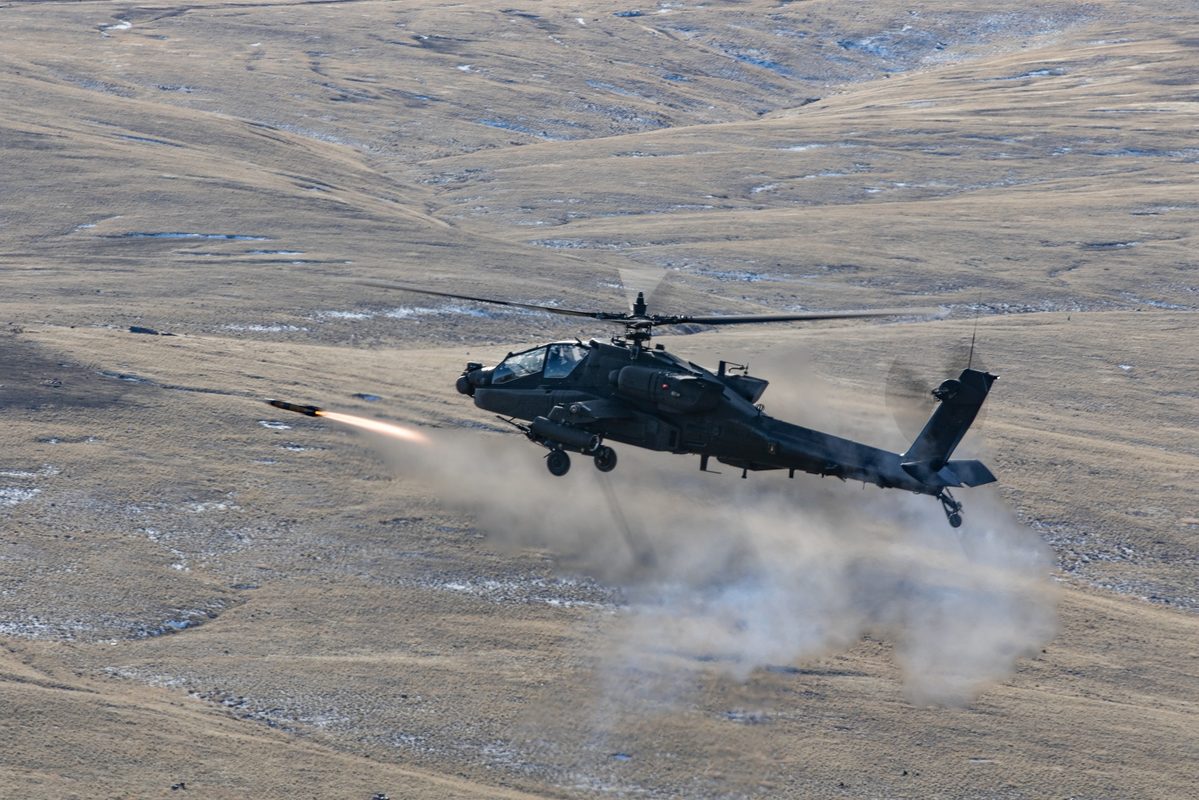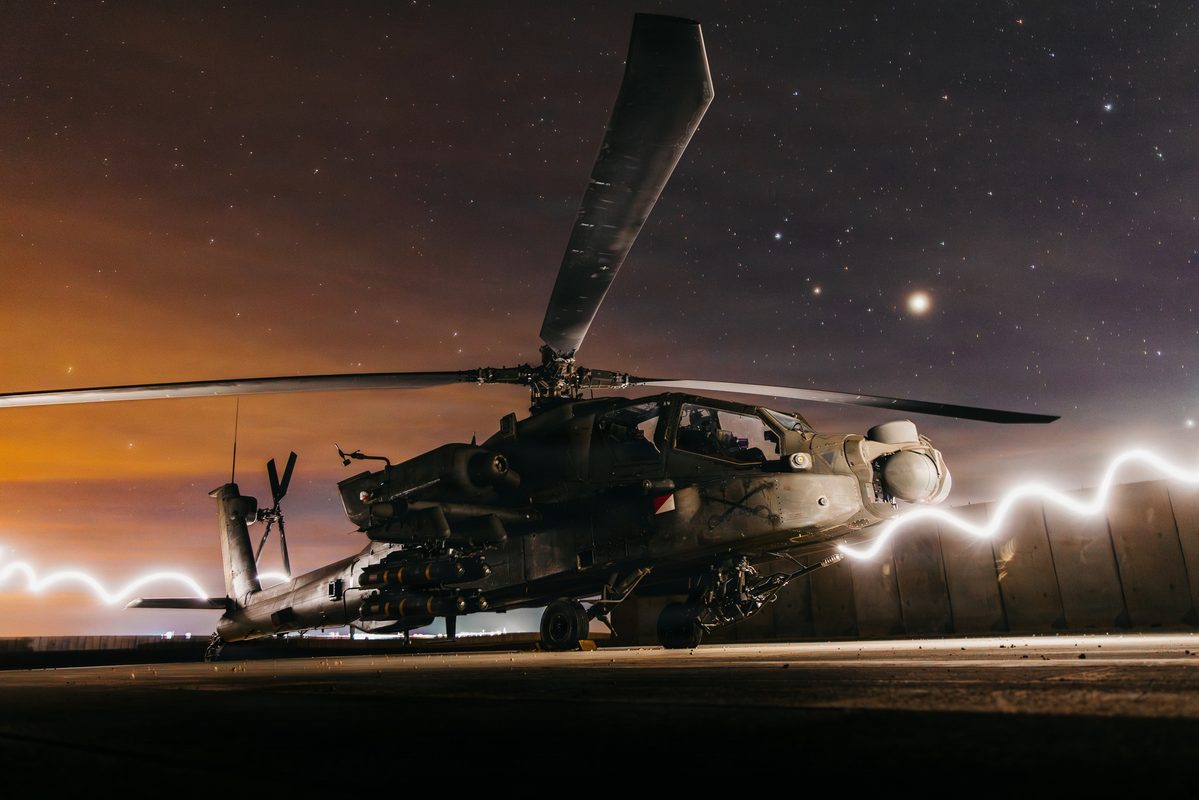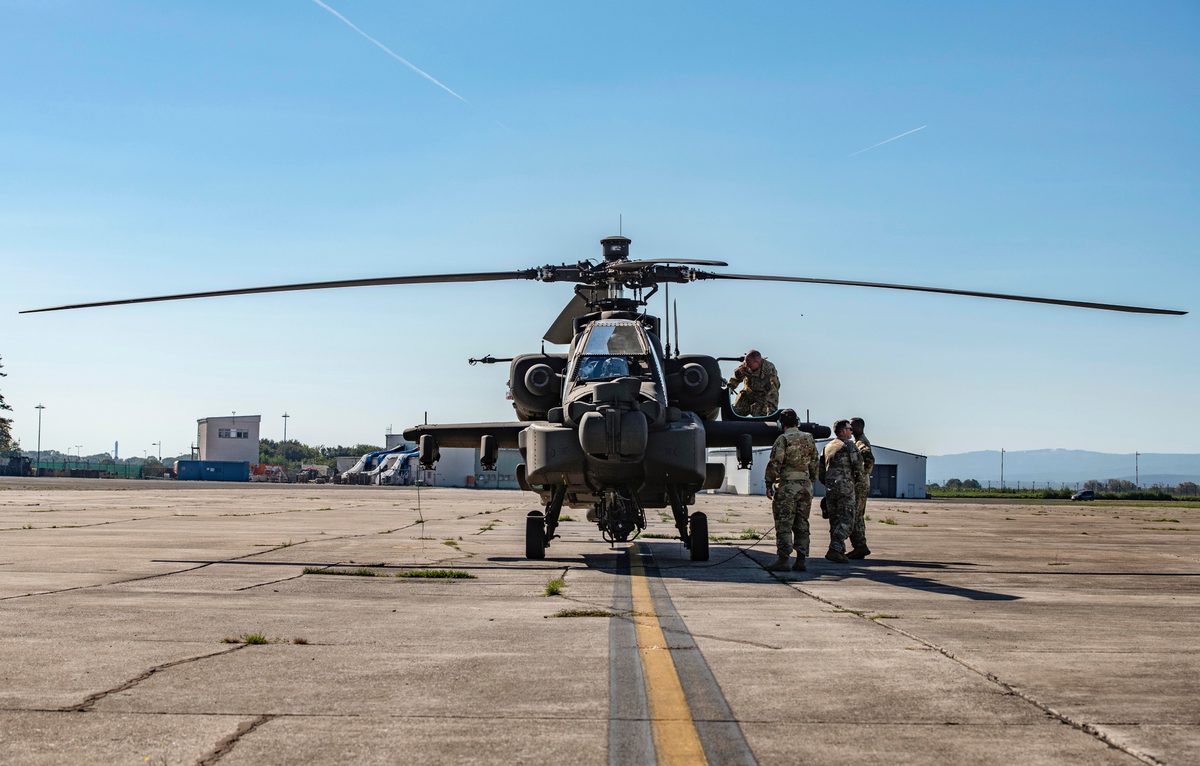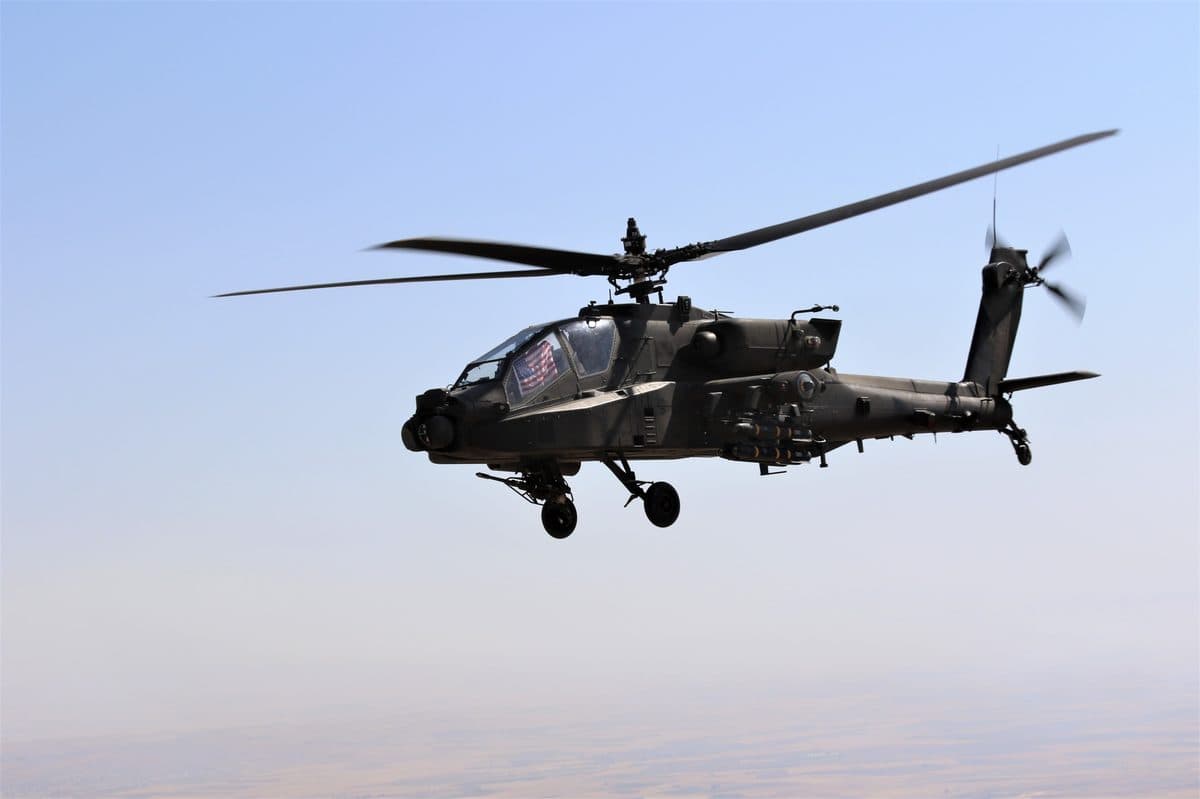

At 2:38 a.m. on January 17, 1991, eight AH-64 Apache helicopters flying in two teams of four crossed into Iraqi airspace at treetop level. Their mission was to destroy two early warning radar sites that guarded the southwestern approach to Baghdad, creating a corridor through which the opening wave of coalition strike aircraft would pour. The Apaches were guided to their targets by Air Force MH-53J Pave Low special operations helicopters, which provided precise GPS navigation that the Apaches' own systems couldn't yet deliver.
At exactly the planned moment, the eight helicopters opened fire with AGM-114 Hellfire missiles and Hydra 70 rockets. Both radar sites were destroyed within minutes. The gap in Iraq's air defense network was torn open, and hundreds of coalition aircraft surged through it to begin the air campaign. Those opening shots of Operation Desert Storm were the Apache's combat debut, and they announced the arrival of an attack helicopter that would spend the next three decades proving it was the deadliest rotary-wing combat platform ever built.
The Gun That Follows Your Eyes
The most distinctive aspect of flying an Apache is the Integrated Helmet and Display Sighting System (IHADSS), a monocle mounted over the pilot's or copilot/gunner's right eye that displays flight data, sensor imagery, and targeting information directly in front of their line of sight. But the IHADSS does more than display information. It tracks exactly where the crew member is looking and slaves the aircraft's M230 30mm chain gun to follow their head movements.
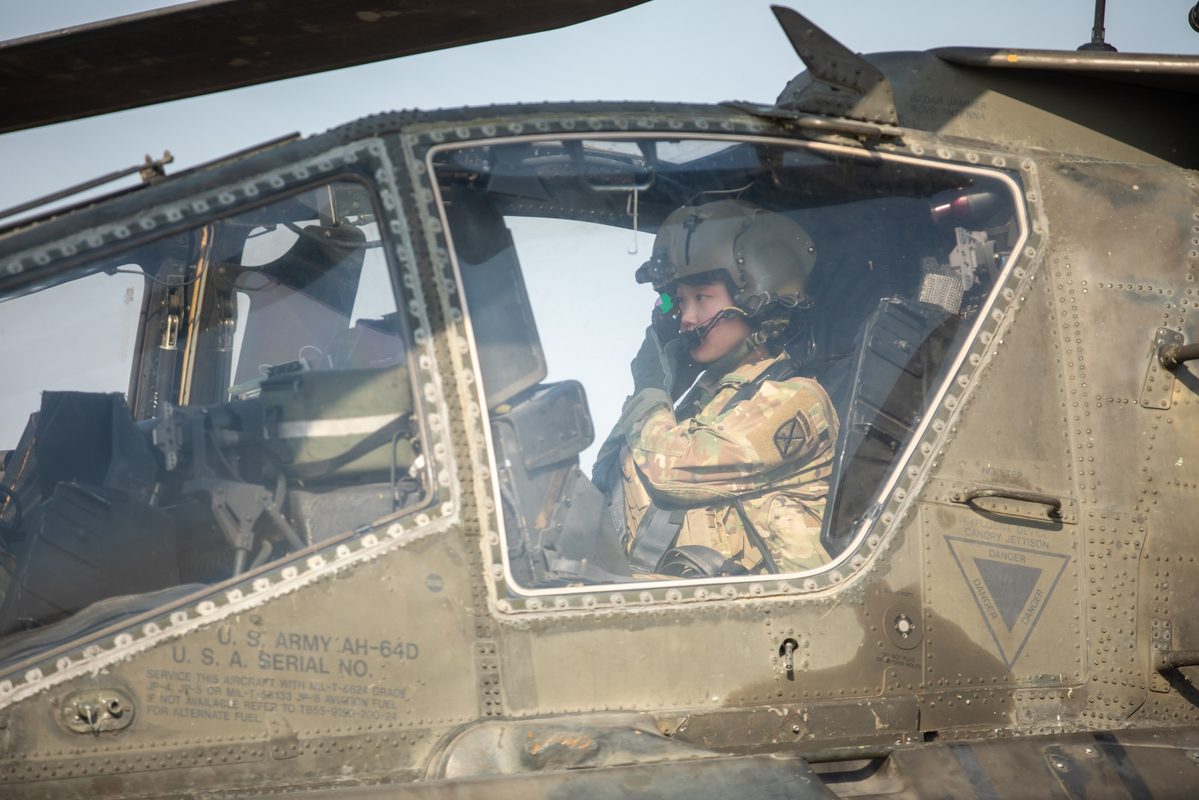
When an Apache crew member looks left, the gun turret swings left. When they look down and right, the gun follows. The crew member essentially aims the 30mm cannon, which fires 625 rounds per minute of high-explosive dual-purpose ammunition, by looking at the target. This capability transforms the Apache from a weapons platform that must be maneuvered to aim into one that can engage targets anywhere within the gun's field of travel simply by turning their head. In the chaotic, fast-moving environment of close combat support, the IHADSS gives Apache crews an engagement speed that no other attack helicopter can match.