
15 Best World War II Books for History Enthusiasts (2026)
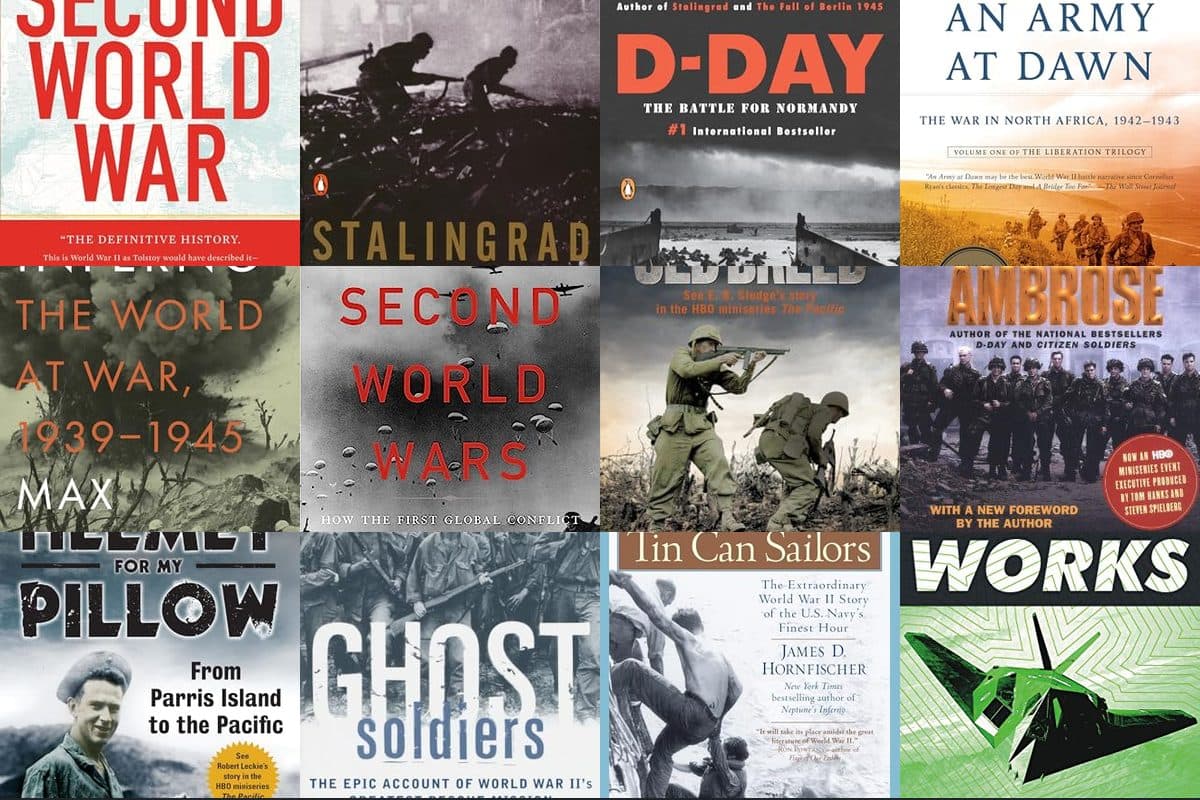
15 essential WW2 books covering every theater. Narrative histories, memoirs, and visual references ranked.
daniel-mercer··21 min read
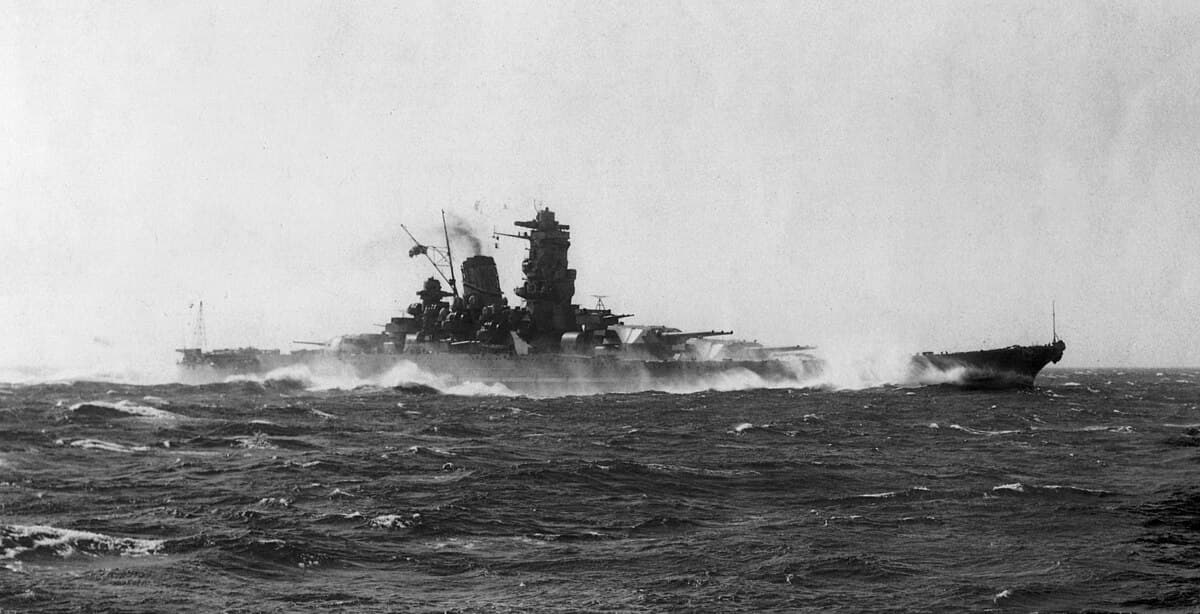
Aircraft from U.S. Task Force 58 sank the Japanese battleship Yamato, the largest and most heavily armed battleship ever built, during a desperate one-way suicide mission toward Okinawa. Hit by at least 10 torpedoes and 7 bombs, Yamato capsized and exploded, killing 2,498 of her 2,700 crew.
Reinforced overnight by Buell's Army of the Ohio, Grant counterattacked at dawn and drove the Confederates from the field. General Beauregard retreated to Corinth, Mississippi, preserving federal control of western Tennessee.
Rear Admiral Du Pont led nine Union ironclads against Confederate fortifications guarding Charleston Harbor. The experimental ironclad USS Keokuk was hit 90 times and sank the next morning, and Du Pont withdrew after concluding his fleet could not reduce the defenses.
Royal Navy destroyers laid mines in Norwegian territorial waters to block the iron ore shipments from Swedish mines transiting Narvik, a provocative step that collided with a German invasion force already at sea. The encounter triggered the six-week Norwegian Campaign that ended with Wehrmacht occupation of the country.
Adolf Hitler and Benito Mussolini met at Klessheim Castle near Salzburg to discuss Axis strategy following the catastrophic defeat at Stalingrad and the deteriorating situation in North Africa, underscoring growing tensions in the alliance.
Nearly 400 U.S. carrier aircraft sank the battleship Yamato, the largest warship ever built, during her one-way suicide mission to Okinawa, killing 2,498 of 2,700 crew.
U.S. 90th Infantry Division troops of Patton's Third Army discovered roughly 100 tons of gold, looted art, and millions in foreign currency stored by the Reichsbank in the salt mine at Merkers. The find represented the bulk of Germany's remaining gold reserves and triggered a massive logistical effort to secure and move the treasure.
Viet Minh forces continued their devastating siege of the French garrison at Dien Bien Phu with intense fighting around remaining strongpoints. The battle, which began March 13, would end in French surrender on May 7.
After the Geneva Accords committed the Soviet Union to withdrawing from Afghanistan, Pakistani intelligence and mujahideen commanders began staging forces around Jalalabad for what would become the first major conventional offensive of the post-Soviet war. The battle would later expose the durability of the Najibullah regime against direct ground assault.
The U.S. military began airdrops of food, blankets, and medical supplies to Kurdish refugees fleeing Saddam Hussein's forces in northern Iraq. Coalition aircraft established a no-fly zone above the 36th parallel, eventually enabling 500,000 Kurds to return home.
The 3rd Infantry Division's 2nd Brigade launched a second Thunder Run into Baghdad, this time with orders to stay. Colonel David Perkins's armored task force fought its way into downtown, captured the presidential palace and government ministries, and effectively ended Ba'athist control of the Iraqi capital.
A chlorine and reported sarin attack on the Damascus suburb of Douma killed dozens of civilians and prompted a coordinated American, British, and French cruise missile strike one week later. The retaliation, Operation Desert Cove, was the second major Western military action against Bashar al-Assad's chemical weapons infrastructure.

Lieutenant General, U.S. Army
Commanded OSS Detachment 101, the first U.S. special forces unit behind enemy lines in the China-Burma-India Theater during WWII. He later led the investigation into the My Lai massacre, a landmark in military accountability.

Vice Admiral, Imperial Japanese Navy
Japanese naval commander who led the Yamato task force on its final suicide mission to Okinawa during Operation Ten-Go. He went down with his flagship when it capsized and exploded after absorbing devastating attacks from nearly 400 American carrier aircraft.
Wear the Timeline
11 military events occurred on April 7, spanning multiple centuries. Key events include: Sinking of the Battleship Yamato (1945), Battle of Shiloh Concludes: Union Counterattack (1862), Second Thunder Run Seizes Central Baghdad (2003).
The most significant military event on April 7 is Sinking of the Battleship Yamato (1945). Aircraft from U.S. Task Force 58 sank the Japanese battleship Yamato, the largest and most heavily armed battleship ever built, during a desperate one-way suicide mission toward Okinawa. Hit by at least 10 torpedoes and 7 bombs, Yamato capsized and exploded, killing 2,498 of her 2,700 crew.
Notable military figures born on April 7 include William R. Peers (1914–1984).
Events on April 7 span World War II, the Civil War, the Modern Era, the Cold War, covering 11 events across 3 centuries of military history.
Events on April 7 involve 3 branches of the U.S. and allied armed forces, reflecting the global scope of military operations throughout history.
Explore military history from the day you were born.
June 6
The Allied invasion of Normandy, the largest amphibious assault in history.
December 7
Japan attacks the U.S. Pacific Fleet, bringing America into World War II.
September 11
The deadliest terrorist attack in history transforms U.S. national security.
August 6
The first atomic bomb is dropped on a city, ushering in the nuclear age.
May 8
Nazi Germany surrenders unconditionally, ending World War II in Europe.
November 11
Armistice Day marks the end of World War I and honors all who served.
June 4
The turning point of the Pacific War as the U.S. Navy destroys four Japanese carriers.
July 4
The Declaration of Independence is adopted, sparking the American Revolution.
15 essential WW2 books covering every theater. Narrative histories, memoirs, and visual references ranked.
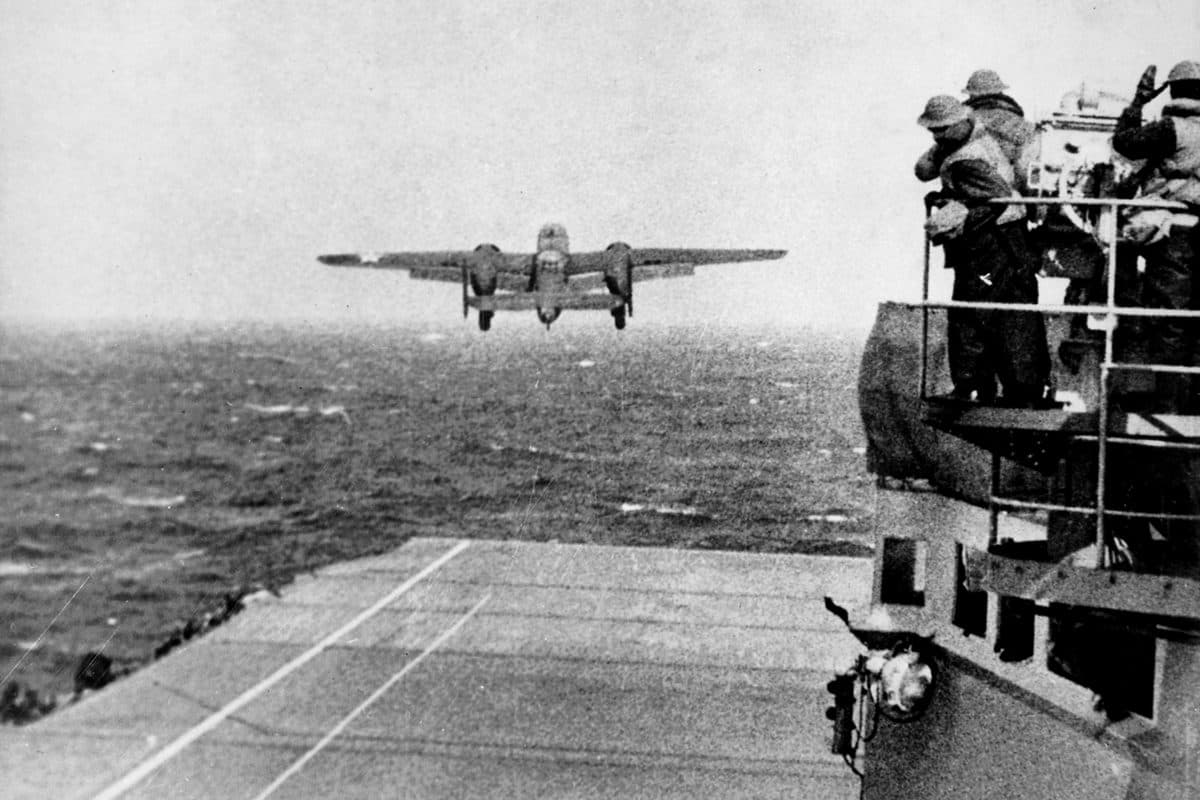
On April 18, 1942, sixteen B-25 Mitchell bombers did something no one thought possible: they launched from the deck of an aircraft carrier, flew 650 miles to Japan, and bombed Tokyo. Every aircraft was lost. The damage was negligible. The consequences changed the war.
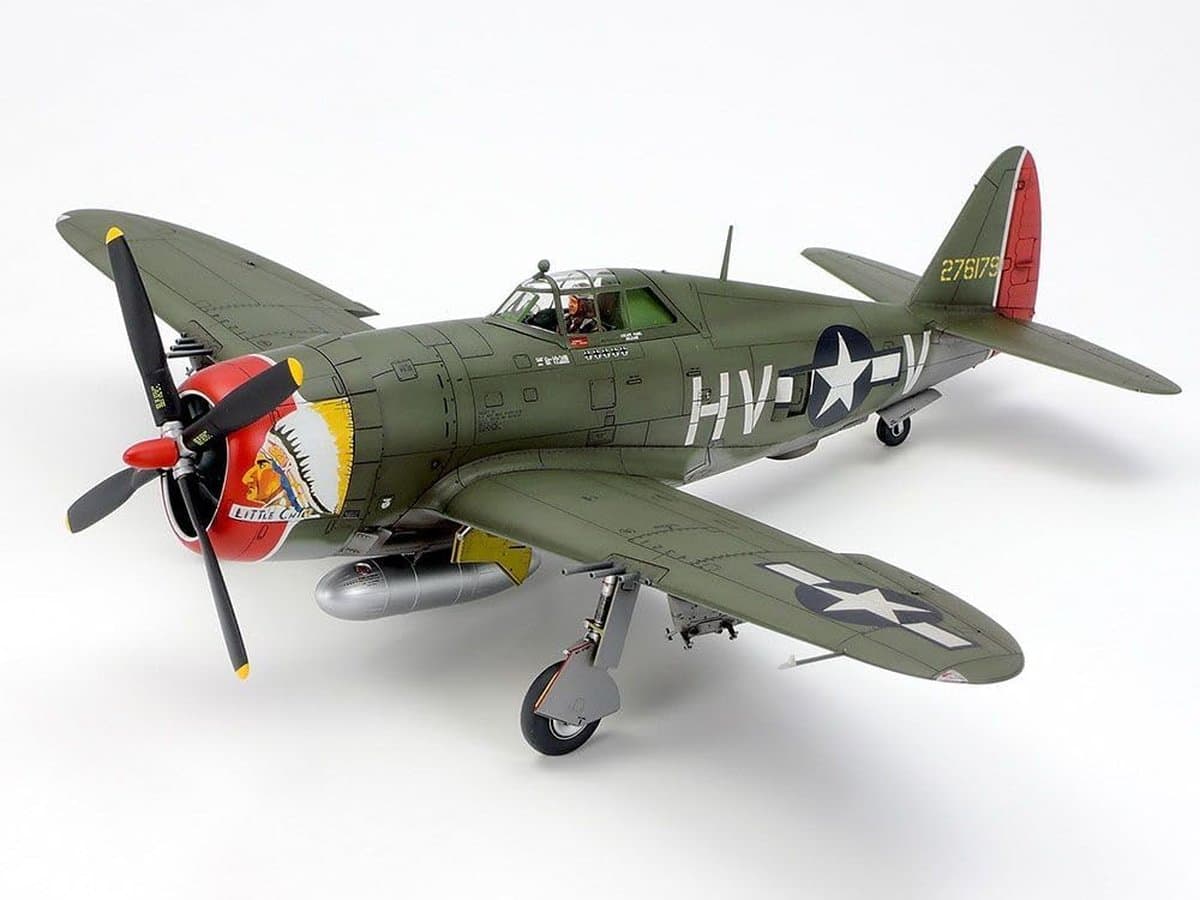
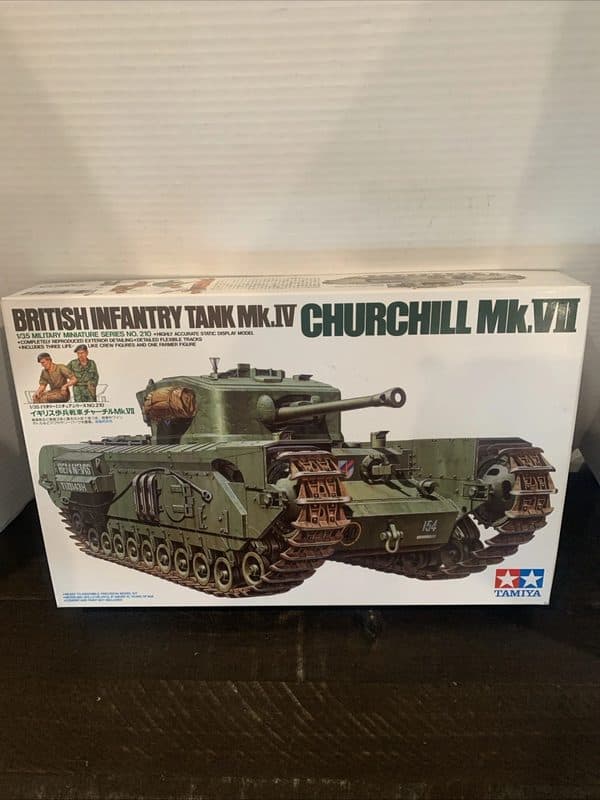
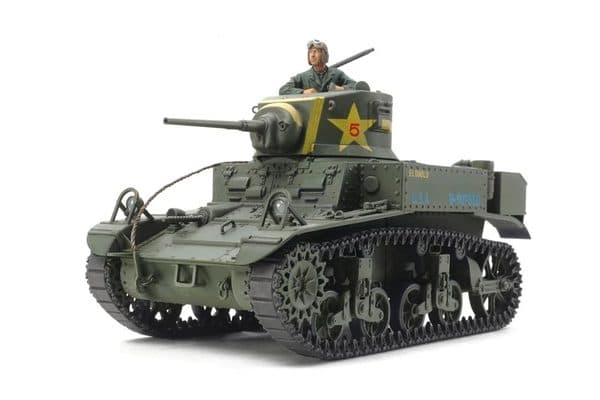
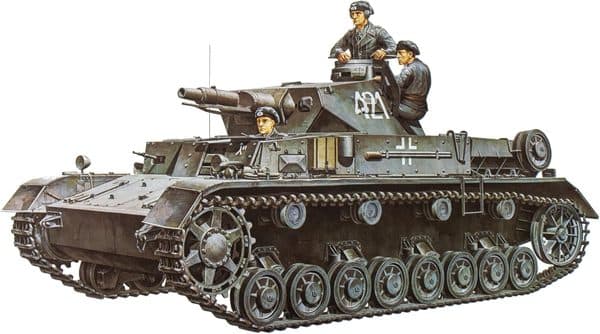
Compare 85+ WW2 scale model kits across aircraft, tanks, and ships. Beginner builds from $9 to museum-grade showpieces at $580. Covers Tamiya, Eduard, HK Models, Trumpeter, and more with honest reviews, trade-offs, and pricing.

On April 7, 1945, the Imperial Japanese Navy sent the largest battleship ever built on a one-way suicide mission to Okinawa. She never arrived. 386 American aircraft found her first, and sank her in under two hours.