

15 Best World War II Books for History Enthusiasts (2026)
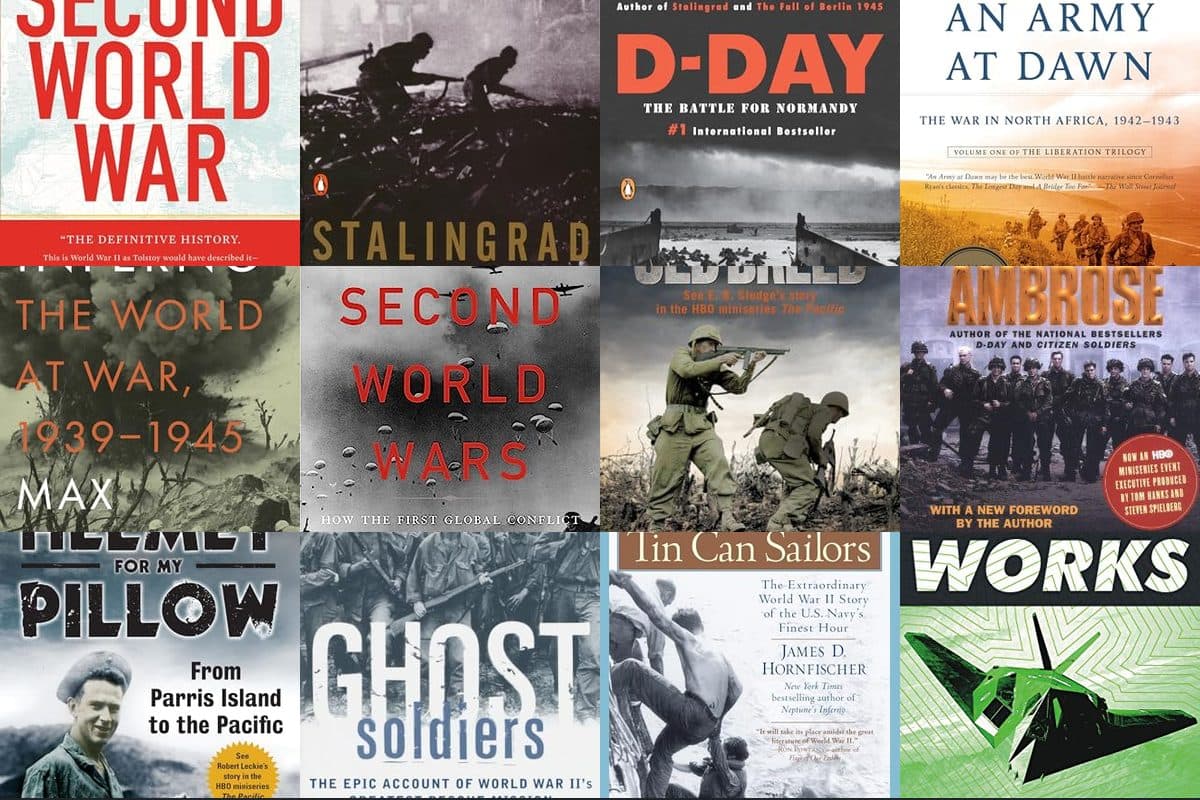
15 essential WW2 books covering every theater. Narrative histories, memoirs, and visual references ranked.
daniel-mercer··21 min read
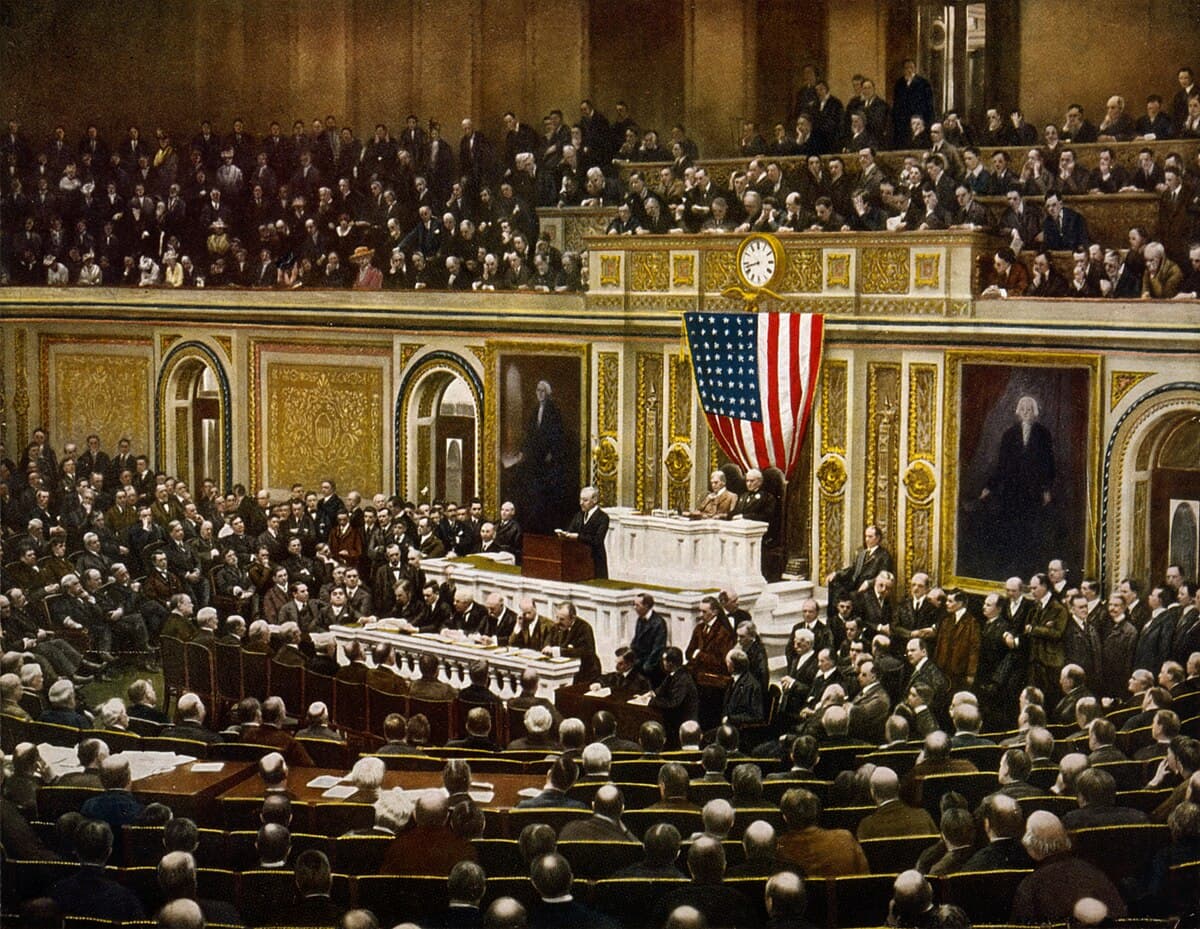
After months of German unrestricted submarine warfare and the revelation of the Zimmermann Telegram, the U.S. House of Representatives voted 373-50 to declare war on Germany, four days after the Senate voted 82-6. The entry of American industrial might and two million fresh troops tipped the balance decisively against the Central Powers.
The Continental Navy squadron under Commodore Esek Hopkins, returning from a raid on the Bahamas, encountered HMS Glasgow off Block Island. The running gun battle was the young navy's first surface engagement against a Royal Navy warship and exposed serious shortcomings in American command and gunnery.
Confederate forces under General Albert Sidney Johnston launched a surprise dawn attack on Union troops at Pittsburg Landing near Shiloh Church, Tennessee. The ferocious two-day battle produced nearly 24,000 casualties, the bloodiest engagement in American history to that point.
Union forces cut off and overwhelmed roughly one-third of Lee's retreating army near Farmville, Virginia. Over 7,700 Confederates were captured, including six generals, prompting Lee to exclaim "My God, has the army been dissolved?"
The House voted 373-50 to declare war on Germany, committing American industrial power and millions of fresh troops to World War I.
Germany launched simultaneous invasions of Yugoslavia and Greece. The Luftwaffe bombed Belgrade on Palm Sunday, killing thousands of civilians. Yugoslavia surrendered within 11 days; Greece fell by the end of April.
Japan launched approximately 355 kamikazes and 344 escort fighters against the Allied fleet off Okinawa, sinking the destroyers USS Bush and USS Colhoun and damaging 20 other vessels in the largest coordinated suicide air attack of the war.
The Imperial Japanese Navy's flagship Yamato, the largest battleship ever built, departed the Bungo Strait on a one-way mission to attack the American fleet off Okinawa. Escorted by a light cruiser and eight destroyers with fuel enough only for the outbound run, the task force was overwhelmed by U.S. carrier aircraft the following day.
The world's first commercial communications satellite, Intelsat I, was launched from Cape Kennedy aboard a Delta D rocket and placed in geostationary orbit. Although a commercial platform, Early Bird provided the U.S. military with the first reliable transatlantic satellite voice and data circuits used operationally.
Space Shuttle Challenger launched on STS-41C, carrying the crew that would conduct the first on-orbit satellite repair. Astronauts George Nelson and James van Hoften used the Canadarm and a Manned Maneuvering Unit to capture and service the ailing Solar Maximum Mission spacecraft, proving in-space repair was practical.
In response to the Assad regime's chemical weapons attack on Khan Shaykhun, the U.S. Navy launched 59 Tomahawk cruise missiles from the destroyers USS Porter and USS Ross at Syria's Al-Shayrat Air Base, the first direct American military action against the Assad government.
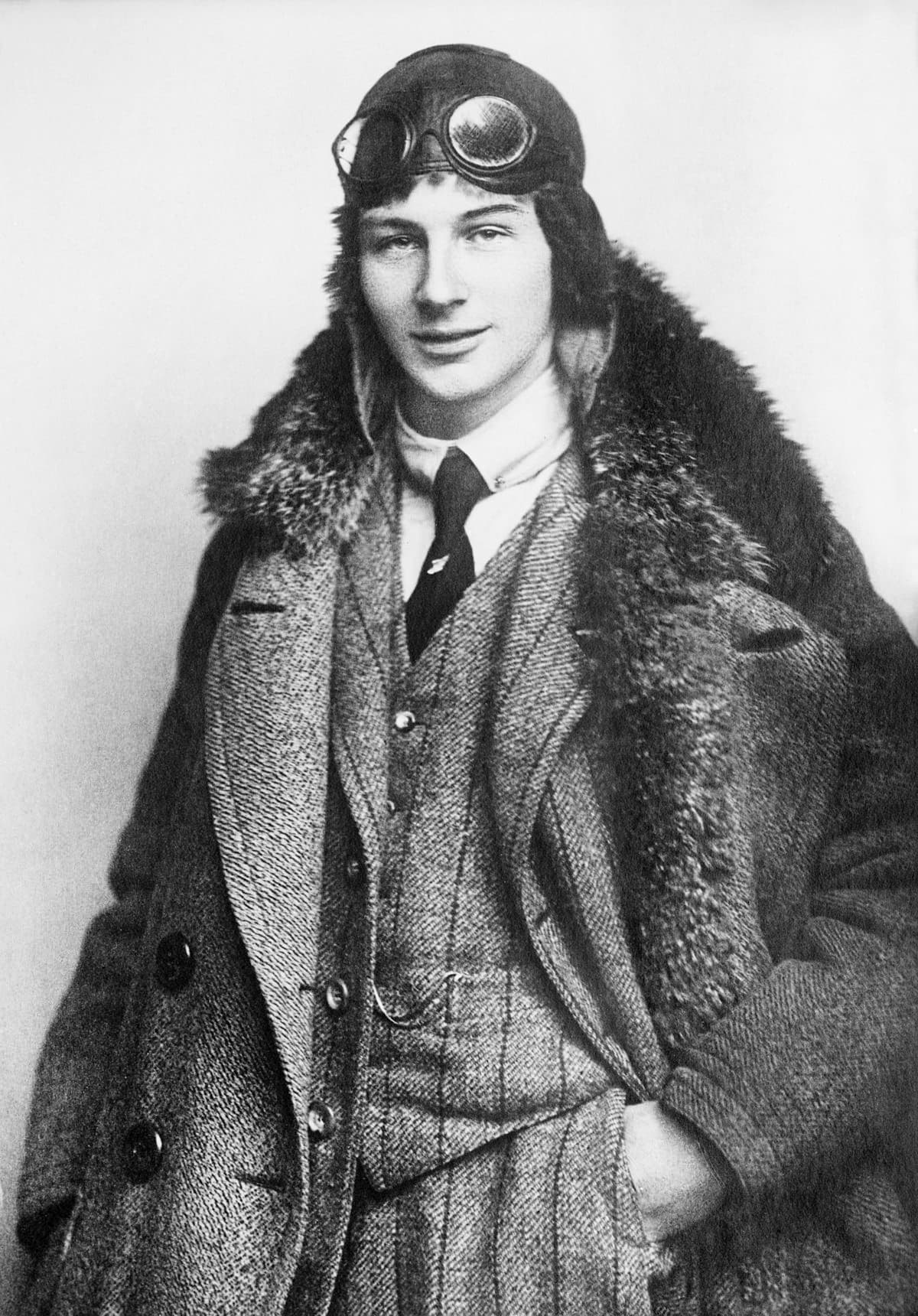
Aviation pioneer and manufacturer
Dutch aviation pioneer who produced over 40 types of fighter aircraft for Germany during WWI, including the Fokker Dr.I triplane flown by the Red Baron. He invented the synchronization gear that allowed machine guns to fire through the propeller arc.

Vice Admiral, U.S. Navy
Medal of Honor recipient who rescued General MacArthur from Corregidor by PT boat in 1942. He later commanded naval forces at Normandy on D-Day and served 55 years in the Navy, becoming one of its most decorated officers.

General, Confederate States Army
Considered by Jefferson Davis the finest general in the Confederacy. He was killed at Shiloh while personally leading a charge, the highest-ranking officer on either side killed during the entire Civil War.
Wear the Timeline
11 military events occurred on April 6, spanning multiple centuries. Key events include: United States Declares War on Germany (1917), Battle of Shiloh Begins (1862), Battle of Sailor's Creek (1865), Germany Invades Yugoslavia and Greece (1941), Operation Kikusui I: First Mass Kamikaze Wave at Okinawa (1945).
The most significant military event on April 6 is United States Declares War on Germany (1917). After months of German unrestricted submarine warfare and the revelation of the Zimmermann Telegram, the U.S. House of Representatives voted 373-50 to declare war on Germany, four days after the Senate voted 82-6. The entry of American industrial might and two million fresh troops tipped the balance decisively against the Central Powers.
Notable military figures born on April 6 include Anthony Fokker (1890–1939), John D. Bulkeley (1911–1996).
Events on April 6 span World War I, the Civil War, World War II, the Modern Era, the Interwar Period, the Colonial & Revolutionary era, the Cold War, covering 11 events across 4 centuries of military history.
Events on April 6 involve 5 branches of the U.S. and allied armed forces, reflecting the global scope of military operations throughout history.
Explore military history from the day you were born.
June 6
The Allied invasion of Normandy, the largest amphibious assault in history.
December 7
Japan attacks the U.S. Pacific Fleet, bringing America into World War II.
September 11
The deadliest terrorist attack in history transforms U.S. national security.
August 6
The first atomic bomb is dropped on a city, ushering in the nuclear age.
May 8
Nazi Germany surrenders unconditionally, ending World War II in Europe.
November 11
Armistice Day marks the end of World War I and honors all who served.
June 4
The turning point of the Pacific War as the U.S. Navy destroys four Japanese carriers.
July 4
The Declaration of Independence is adopted, sparking the American Revolution.
15 essential WW2 books covering every theater. Narrative histories, memoirs, and visual references ranked.
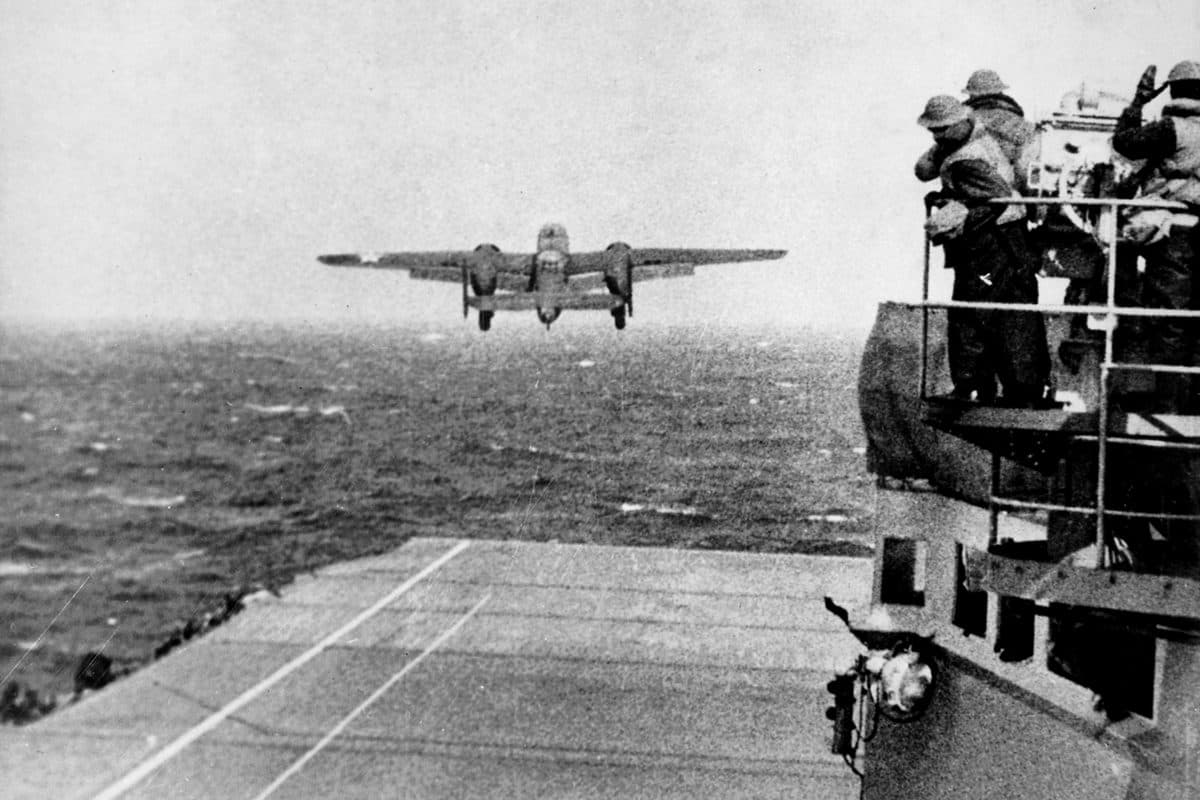
On April 18, 1942, sixteen B-25 Mitchell bombers did something no one thought possible: they launched from the deck of an aircraft carrier, flew 650 miles to Japan, and bombed Tokyo. Every aircraft was lost. The damage was negligible. The consequences changed the war.
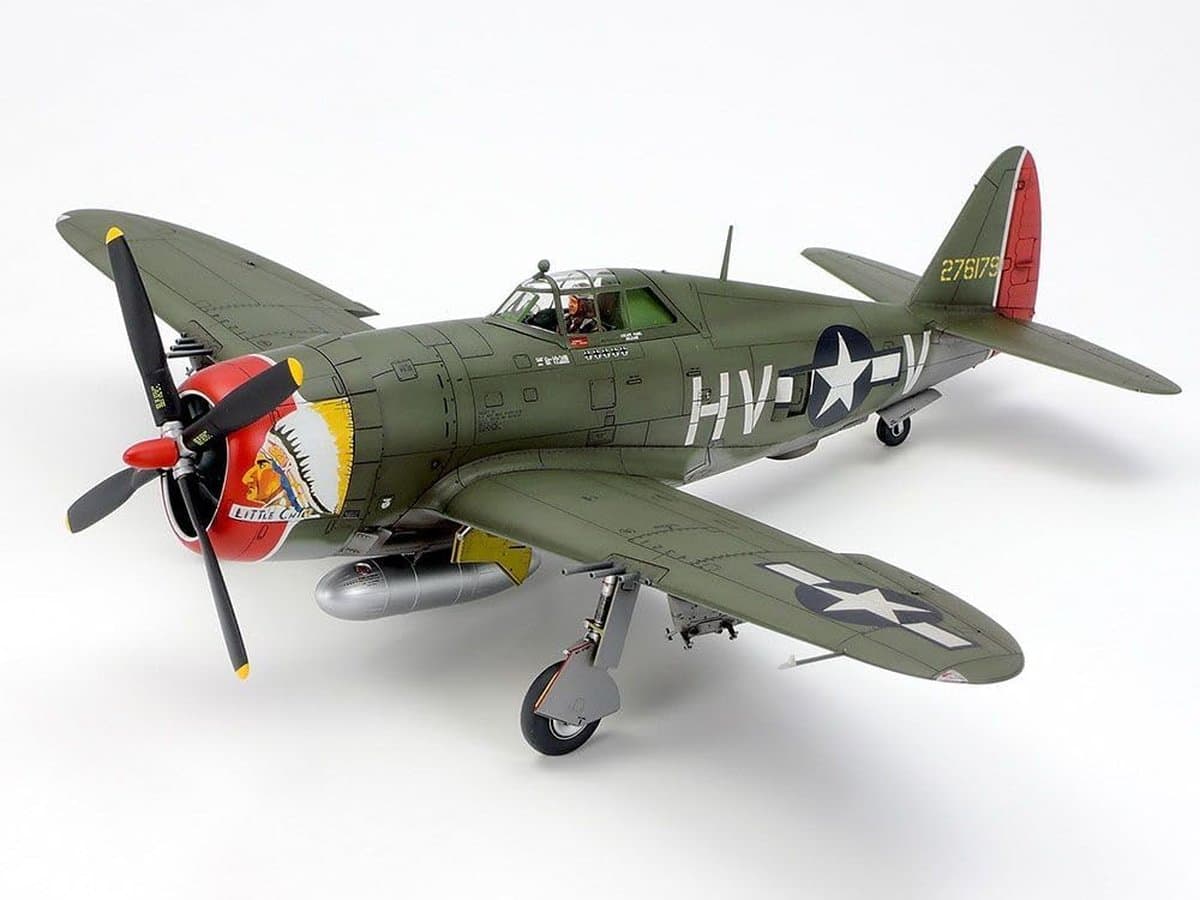
Compare 85+ WW2 scale model kits across aircraft, tanks, and ships. Beginner builds from $9 to museum-grade showpieces at $580. Covers Tamiya, Eduard, HK Models, Trumpeter, and more with honest reviews, trade-offs, and pricing.

On April 7, 1945, the Imperial Japanese Navy sent the largest battleship ever built on a one-way suicide mission to Okinawa. She never arrived. 386 American aircraft found her first, and sank her in under two hours.