Precision-guided munitions have transformed warfare by enabling accurate strikes from standoff distances. Explore missile systems, smart bombs, hypersonic weapons, and the technologies that make modern firepower devastatingly precise.
Missiles and precision-guided munitions have fundamentally transformed modern warfare, enabling military forces to strike targets with meter-level accuracy from hundreds or thousands of miles away. From the Tomahawk cruise missile's combat debut in the 1991 Gulf War to today's hypersonic weapons racing through the atmosphere at Mach 5 and beyond, precision strike capability has become the defining feature of advanced military power.
Our missiles and precision weapons coverage examines the full range of guided munitions, cruise missiles, ballistic missiles, anti-ship weapons, air-to-air missiles, and the emerging class of hypersonic glide vehicles that no current defense system can reliably intercept. Explore the engineering behind the JASSM's stealth design, why Iron Dome has redefined short-range air defense, and how anti-ship ballistic missiles threaten to upend decades of naval strategy. We also cover the defense side of the equation: the missile defense systems, from Patriot to Aegis, designed to counter these threats and the cat-and-mouse technological competition between offense and defense that drives innovation on both sides.
From the Military Machine catalog
Top picks for Missiles & Precision
Hand-picked from our gear guides, ranked for relevance to this topic.
The Huntsville Hypersonic Summit brings together the world's top missile engineers on April 28-29. From America's CPS deployment on Zumwalt to Russia's combat-tested Kinzhal to China's operational DF-17, here's where every major power actually stands in the Mach 5+ arms race heading into the summit.
The MIM-104 Patriot is the only air defense system in the world with confirmed ballistic missile intercepts across three separate conflicts. From the controversial Desert Storm engagements to Ukraine's Kinzhal kills, here's how Patriot's combat record actually stacks up.
Russia sells reach. America sells precision. The S-400 and Patriot defend against the same threats using completely opposite approaches, and neither has proven the other wrong.
A Tomahawk cruise missile flies 1,000 miles and hits a specific window on a specific floor of a specific building. Here is how it works, from launch to impact, with every guidance method explained.
The Precision Strike Missile doubles HIMARS capacity, doubles the range of ATACMS, and is already in production. Here is how PrSM transforms Army long-range fires from tactical to strategic.
The AGM-158C LRASM can find and hit a warship without GPS, without communications, and without a human telling it which ship to attack. Built on the proven JASSM-ER airframe, this stealthy anti-ship missile represents America's answer to China's growing naval power, and its autonomous targeting changes everything about maritime warfare.
The AIM-260 JATM is the most important American weapon you've never seen a photo of. Developed to counter China's PL-15 long-range missile, it promises to restore the range advantage American fighters have held for decades, and it's so sensitive that even close allies had to wait years for export approval.
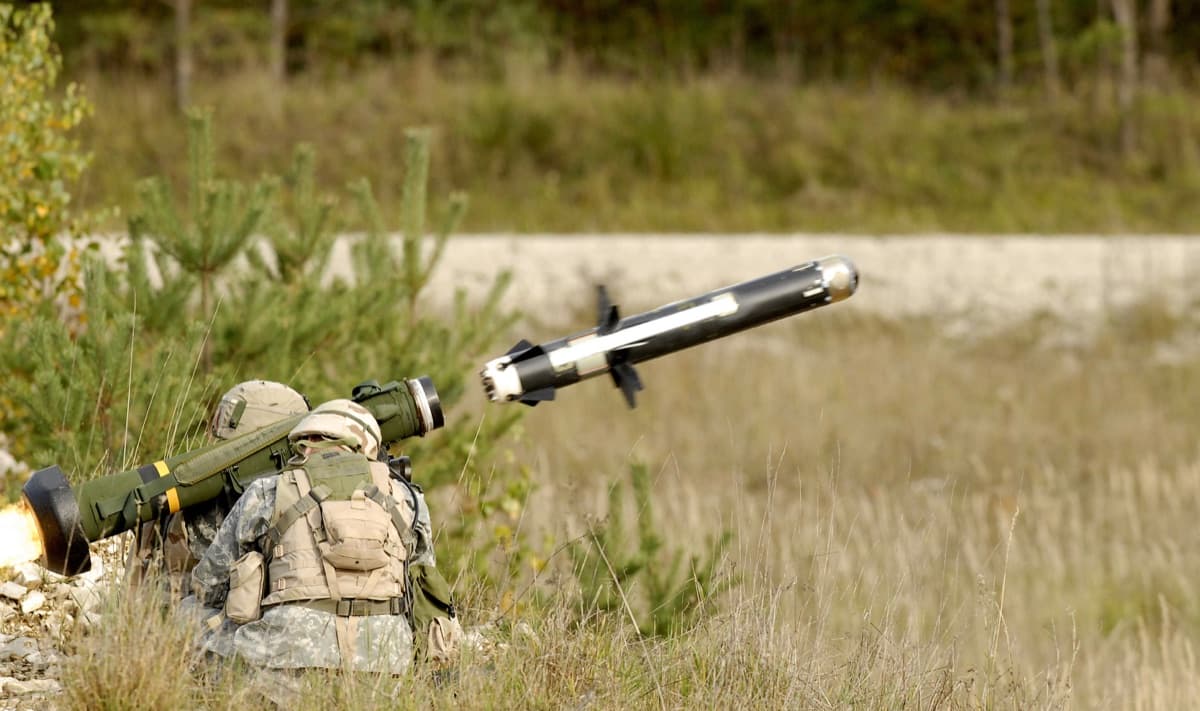
The FGM-148 Javelin weighs 49 pounds, costs $178,000 per missile, and can kill a $4 million main battle tank from 2,500 meters away. Its fire-and-forget infrared seeker, top-attack flight profile, and tandem warhead have made it the most feared anti-tank weapon on modern battlefields, and Ukraine proved it. Here's why it takes 32 months to build one.
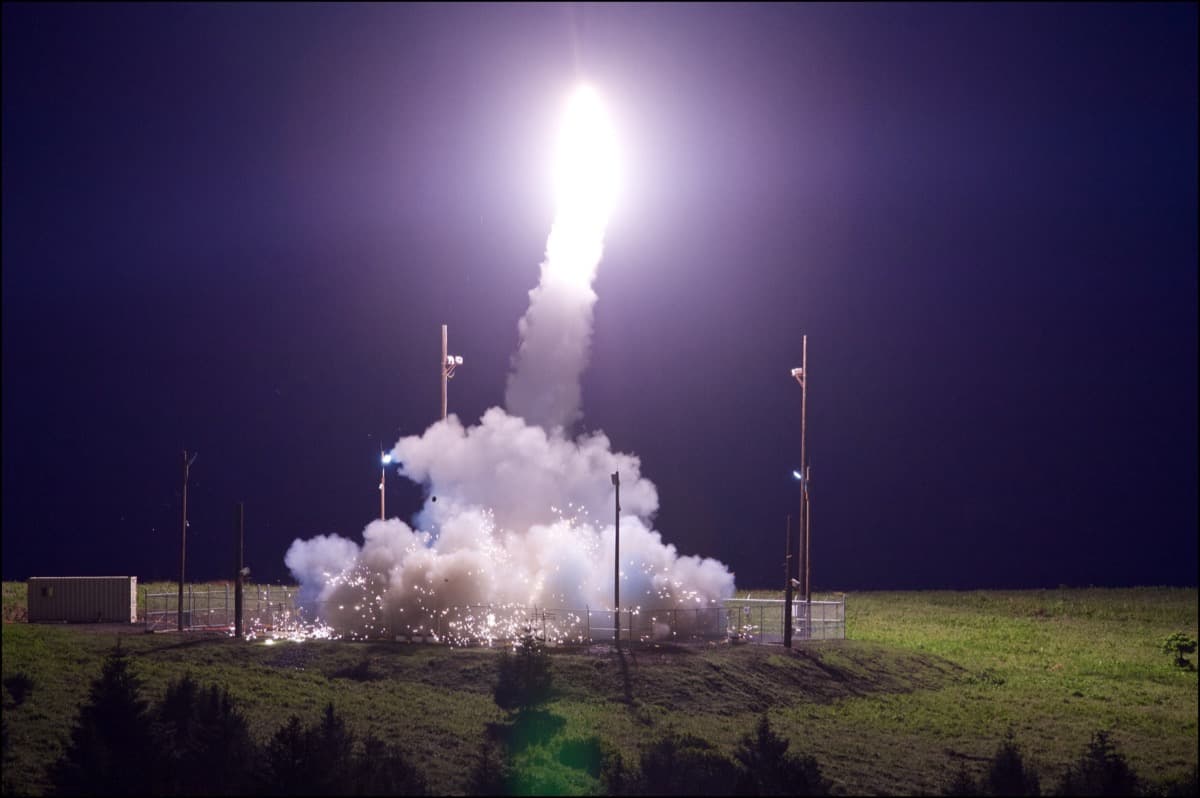
THAAD intercepts ballistic missile warheads at altitudes above 150 kilometers, outside the atmosphere, using kinetic energy alone. No explosive warhead. No fragmentation. A 900-kilogram interceptor traveling at Mach 8 meets an incoming warhead at combined closing speeds above 15,000 mph, and the collision itself is the kill mechanism. In 18 flight tests, THAAD has never failed to intercept a target that reached it. In December 2024, it made its combat debut over Israel, destroying a Houthi ballistic missile, the first exoatmospheric combat intercept in history.
China's DF-21D is the world's first anti-ship ballistic missile, a weapon designed to hit a moving aircraft carrier from 1,500 kilometers away at Mach 10. Here's how its kill chain works, why the physics are harder than they look, and what it means for the US Navy.
The U.S. is pouring billions into quadrupling production of PrSM, THAAD, Tomahawk, and Patriot missiles. But the math between consumption rates and manufacturing capacity reveals a gap that money alone cannot close.
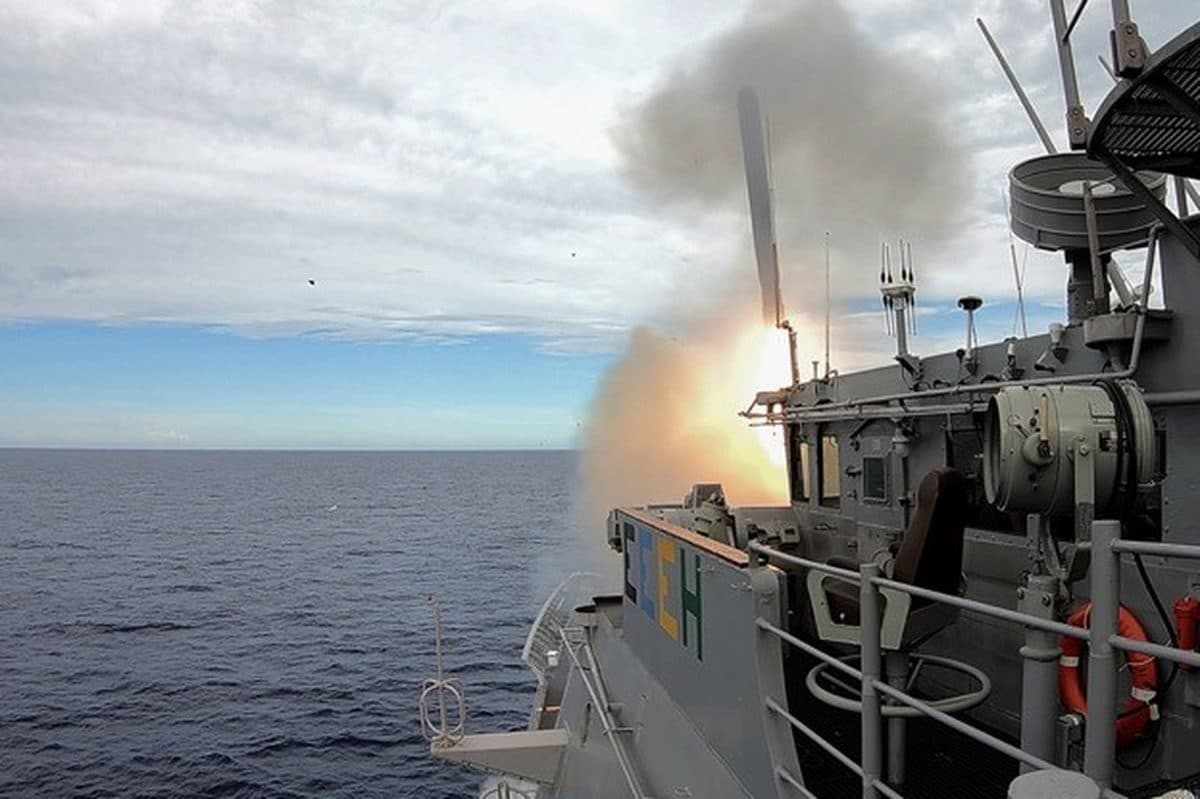
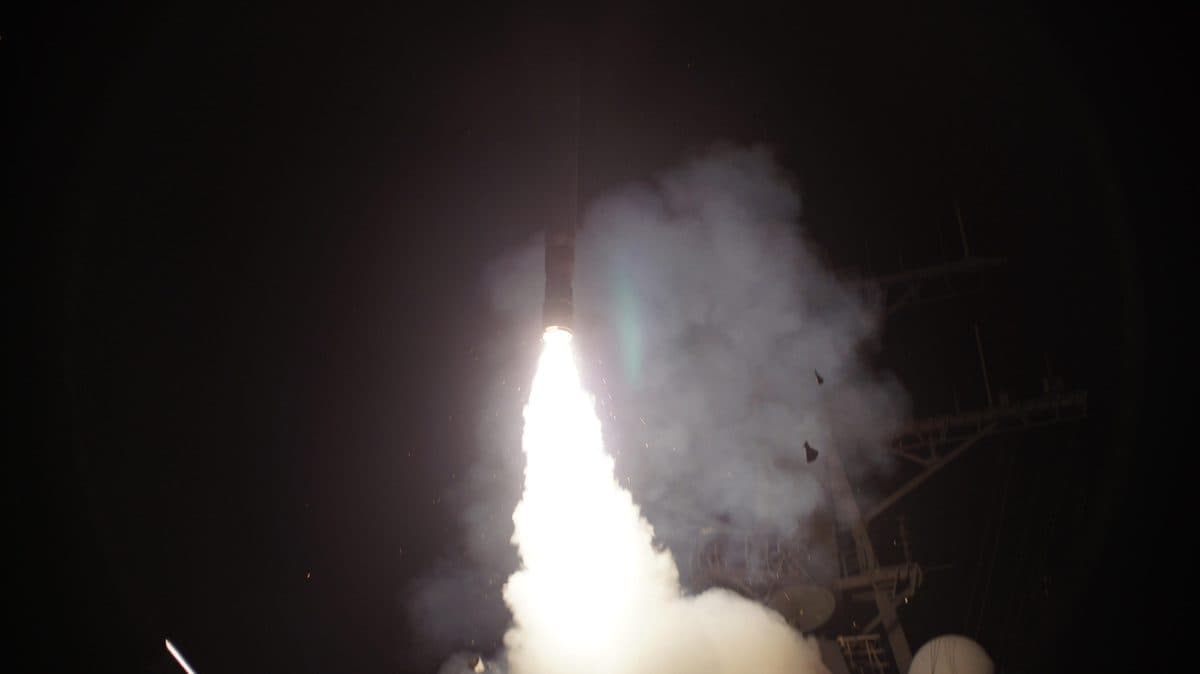
Since its combat debut in the 1991 Gulf War, the Tomahawk cruise missile has been the weapon that opens every American military campaign. It is launched from ships and submarines, flies at low altitude for over 1,000 miles, and strikes with GPS-guided precision, all without risking a pilot. Over 2,300 Tomahawks have been fired in combat across seven conflicts. The Block V variant adds a maritime strike capability that can hit moving ships at sea, transforming the Tomahawk from a land-attack weapon into a true multi-role missile.