
Next week, the world's top missile engineers, defense officials, and intelligence analysts will converge on Huntsville, Alabama for the Hypersonic Summit on April 28-29. The topic: weapons that fly at Mach 5 and above, too fast for most defenses, too maneuverable for traditional tracking, and too politically significant to ignore. Five nations now field operational hypersonic weapons. At least three more are developing them. And the United States, which invented the underlying technology decades ago, is still trying to close the gap. Here's where every major player actually stands as the summit begins.
Why Huntsville, and Why Now
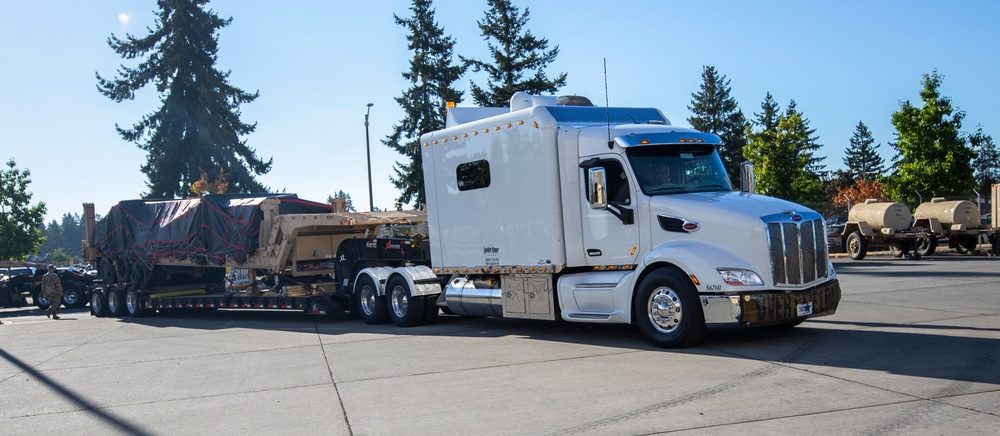
Huntsville has been America's missile capital since Wernher von Braun built the Saturn V there in the 1960s. The Army's Space and Missile Defense Command, the Missile Defense Agency, and dozens of prime contractors are headquartered within a 30-mile radius. It's also where the Long-Range Hypersonic Weapon (LRHW), the Army's "Dark Eagle", was developed. The summit arrives at a critical inflection point: after years of test failures and schedule slips, the US finally has hardware approaching deployment. Meanwhile, Russia and China have been fielding operational systems for years.
United States: Four Programs, Two Decades Behind

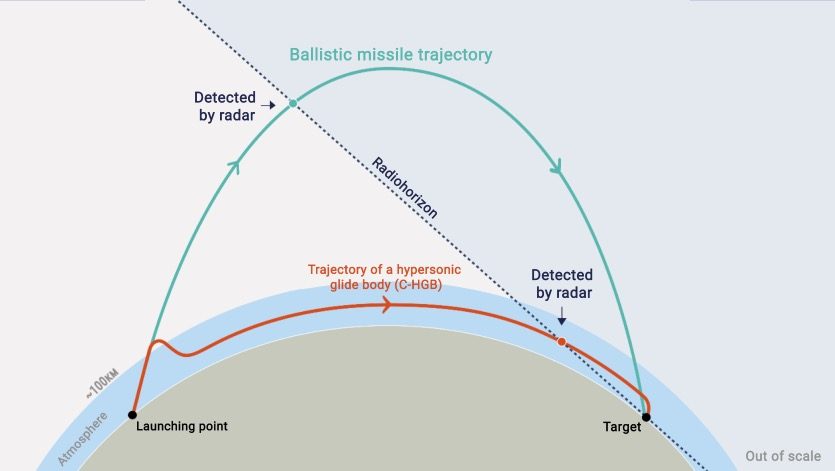
The United States has four major hypersonic programs running simultaneously, each addressing a different launch platform and mission set. The most mature is the Conventional Prompt Strike (CPS) system, which pairs a Navy-developed booster with the Common-Hypersonic Glide Body (C-HGB), a wedge-shaped vehicle that detaches from its rocket at the edge of space and glides to its target at speeds exceeding Mach 5. The Army variant, called LRHW or "Dark Eagle," has completed multiple flight tests and is slated for deployment aboard the USS Zumwalt in the near term. The Zumwalt's Advanced Gun System compartments, originally designed for a cancelled artillery round, are being converted into hypersonic missile launchers, giving the Navy's most advanced surface combatant a genuine long-range strike capability for the first time.
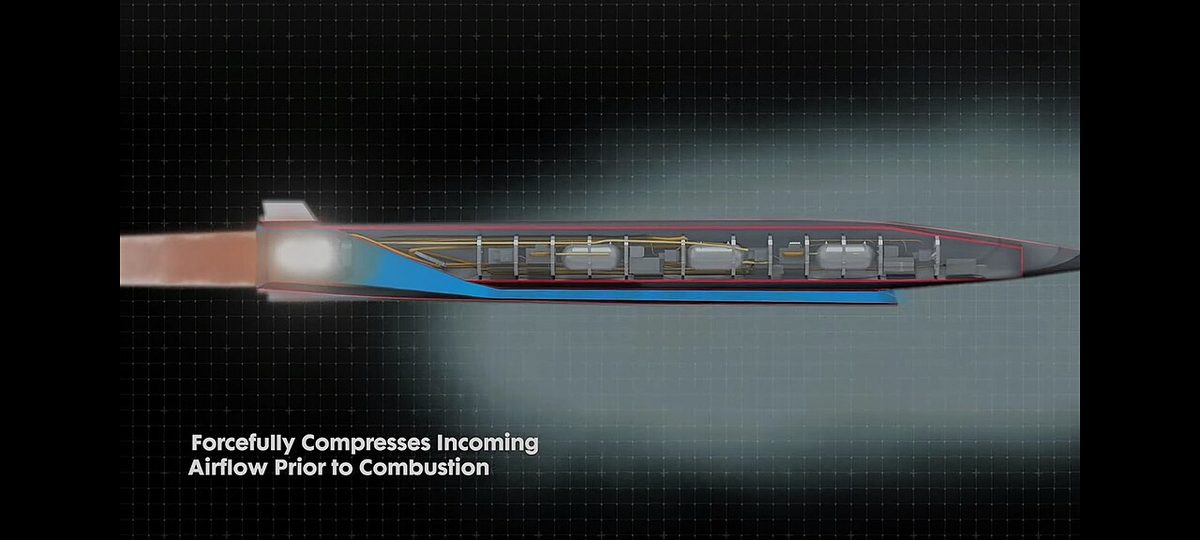
The Air Force's AGM-183A ARRW (Air-launched Rapid Response Weapon) had a troubled development history, with multiple test failures before a successful flight in late 2023. The program was subsequently scaled back, with the Air Force redirecting funding toward the HACM (Hypersonic Attack Cruise Missile), a scramjet-powered weapon developed jointly with DARPA that sustains powered flight at hypersonic speeds rather than gliding unpowered. HACM represents a fundamentally different approach: while glide vehicles trade altitude for speed, a scramjet breathes atmospheric air to sustain thrust, allowing for a flatter trajectory and potentially better terminal maneuverability.