Amateurs talk tactics; professionals study logistics. Explore the supply chains, maintenance systems, and sustainment operations that determine whether military forces can actually fight - and for how long.
Military logistics is the unglamorous backbone of every successful military operation, the supply chains, maintenance depots, fuel networks, and transportation systems that determine whether combat forces can fight and for how long. As the saying goes, amateurs study tactics while professionals study logistics, and history repeatedly proves the point: armies that outrun their supply lines or fail to maintain their equipment lose wars regardless of tactical brilliance.
Our logistics and sustainment coverage examines the systems, vehicles, and organizational structures that keep modern militaries operational. Explore how the C-130 Hercules became the workhorse of tactical airlift, why the U.S. military's pre-positioned equipment stocks across Europe and the Pacific are critical to rapid deployment, and how fuel consumption rates constrain operational planning for armored formations. We analyze the logistics lessons from every major conflict, from the Red Ball Express that sustained Patton's advance across France to the supply challenges that hampered Russia's operations in Ukraine, delivering the depth of analysis that reveals why logistics wins wars.
From the Military Machine catalog
Top picks for Logistics
Hand-picked from our gear guides, ranked for relevance to this topic.
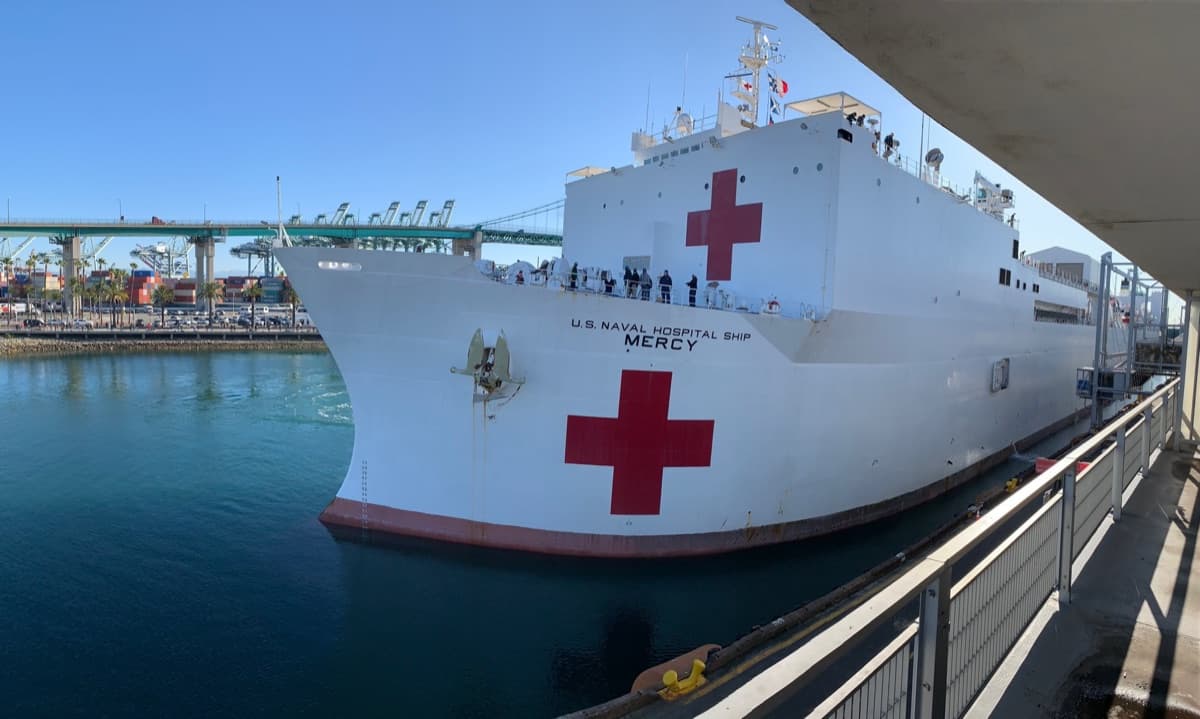
1,000 hospital beds. 12 operating rooms. Zero weapons. The Navy's hospital ships are the largest medical facilities afloat, and they're protected by the Geneva Conventions, not missiles.
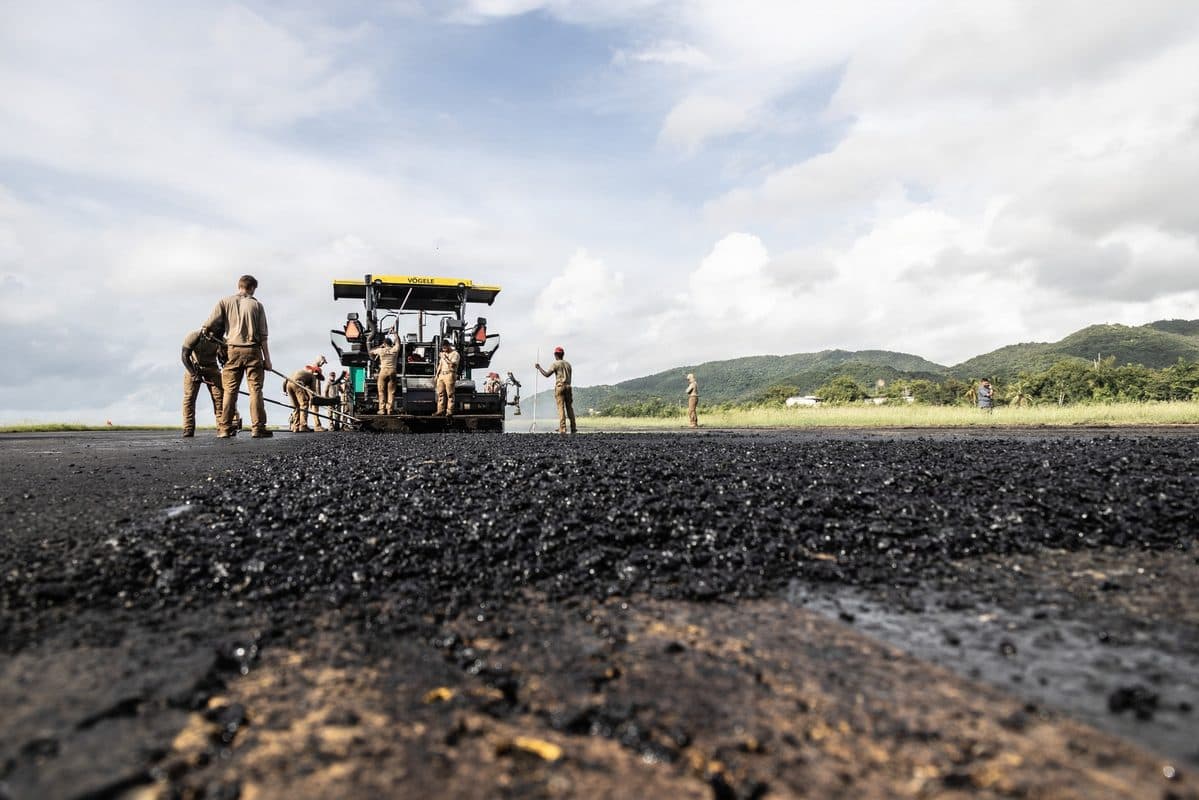
In August 1990, the Saudi desert was empty. By January 1991, it held more American troops than most US cities hold people. The logistical operation that built forward operating bases from bare sand, airfields, water systems, power plants, hospitals, housing for 500,000 troops, was the largest military construction effort since World War II. Here is how the Air Force's RED HORSE squadrons, the Navy's Seabees, and the Army Corps of Engineers turned nothing into everything in six months.
The C-17 Globemaster III can carry a 70-ton M1 Abrams tank, fly it 2,400 nautical miles, and land on an unpaved runway shorter than most regional airports. No other aircraft on earth can do all three. Here is how Boeing built the most versatile strategic airlifter ever to fly, and why nothing has replaced it.
Every one of these armies had enough soldiers to win. None of them had enough supplies. From Napoleon's frozen march to Moscow to the Argentine disaster in the Falklands, these 10 logistics failures decided the outcome of battles before a single shot was fired.
The U.S. military serves 1.3 million meals daily across 160 countries. The supply chain that makes it happen, from DLA Troop Support to a forward operating base kitchen in the middle of nowhere, is one of the largest food operations on the planet.
Wars are won by the side that can cross a river faster. From Caesar's Rhine bridges to the Remagen crossing and the Suez Canal in 1973, these 10 feats of combat engineering turned impossible obstacles into decisive breakthroughs, often while enemy fire was pouring in.
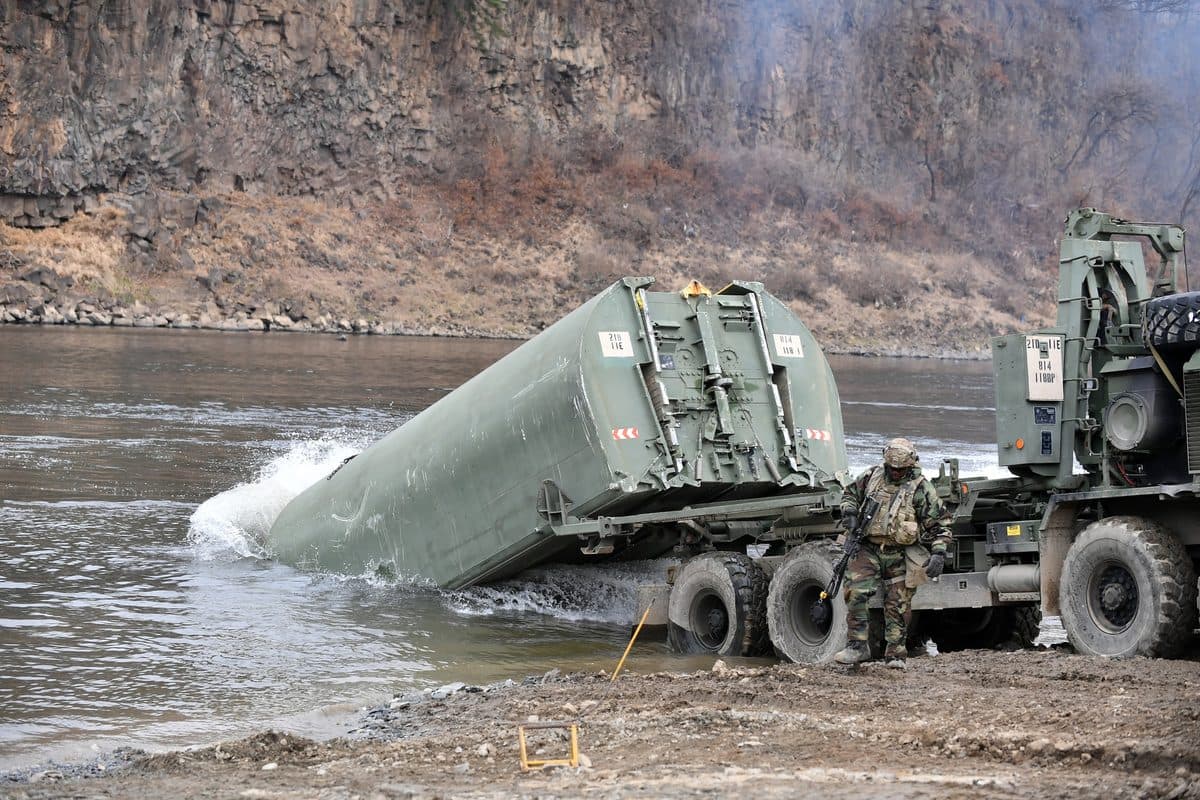
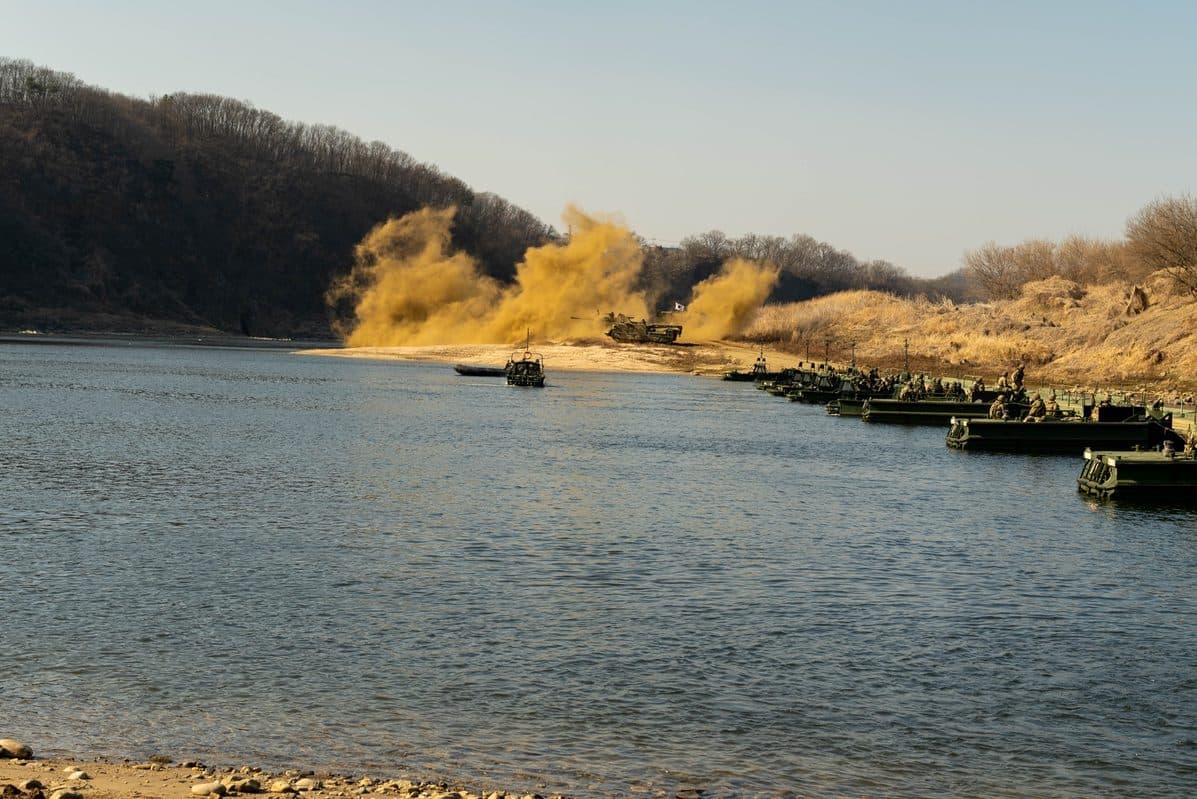
During Operation Iraqi Freedom, U.S. Army engineers erected floating bridges across the Euphrates River under threat of enemy fire, a feat of combat engineering that moved entire armored divisions across water barriers in hours. Here's how the Improved Ribbon Bridge system works and why wet gap crossings remain one of the most complex operations in modern warfare.
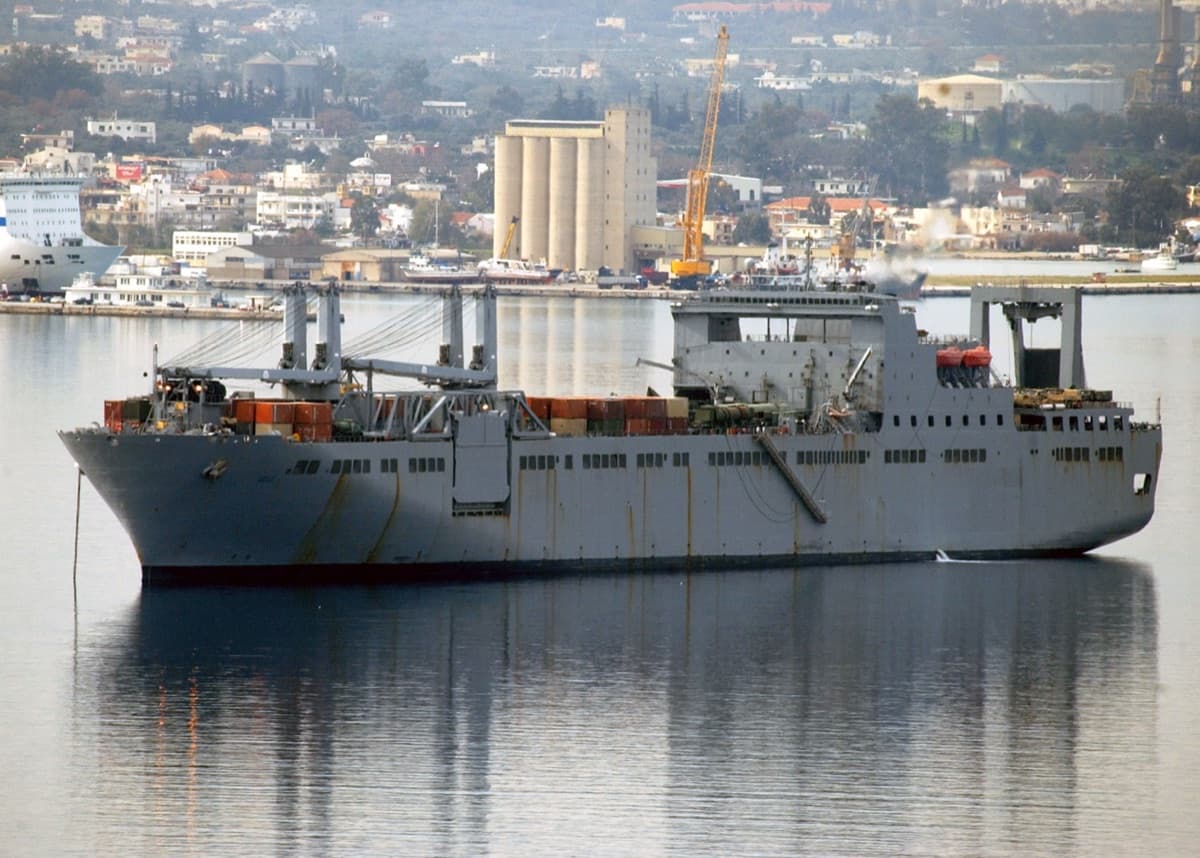
Moving an armored division to Europe means shipping 15,000 vehicles, 50,000 tons of equipment, and 17,000 soldiers across 3,500 miles of open ocean. The U.S. military can get personnel there in hours by air, but the tanks, Bradleys, and artillery travel by sea. Here's how the least glamorous part of military power actually works, and why America's 50-ship sealift fleet is its most dangerous bottleneck.
From the original 1956 C-130A to the 2026 C-130J Super Hercules, every variant explained. Specs, combat history, and why no aircraft has replaced the world's most versatile military transport after 70 years.