Michael Trent covers military aircraft, weapons systems, and defense technology with an emphasis on cost, maintenance, and real-world performance. He focuses less on specifications and more on how systems hold up once they are deployed, maintained, and operated at scale.
When military analysts discuss combat power, they typically focus on platforms, weapons, and personnel. They count fighters, tanks, and warships. They compare missile ranges and sensor capabilities. They calculate force ratios. Yet these metrics miss perhaps the most fundamental determinant of what military forces can actually accomplish: the unglamorous, continuous, resource-intensive work of keeping equipment operational.
Military maintenance is not simply the work that happens between missions. It is the work that determines whether missions happen at all. Every aircraft that cannot fly, every vehicle that cannot move, every ship that cannot sail represents combat power that exists on paper but not in reality. The gap between what a military owns and what it can actually use is defined almost entirely by maintenance.
This reality creates profound implications that ripple through every aspect of military capability. Force structure decisions hinge on what can be sustained, not just what can be purchased. Operational tempo is constrained by repair capacity, not just by pilot fatigue or ammunition stocks. Strategic readiness depends on maintainer training, parts availability, and depot throughput - factors that rarely appear in threat assessments but constantly shape what forces can deliver.
The central premise of this analysis is simple but often overlooked: availability, reliability, and repair capacity determine what forces actually exist. A military with 100 aircraft but 60% availability has 60 aircraft. A military with 80 aircraft but 85% availability has 68 aircraft. The smaller fleet is operationally larger. This mathematical reality applies across every domain - air, land, sea, and increasingly space and cyber - yet maintenance receives a fraction of the attention given to procurement and force design.
Understanding maintenance as the hidden driver of combat power requires examining how military sustainment actually works, why it creates constraints that cannot simply be overcome with more funding, and what this means for how modern forces plan, train, and fight. This article follows maintenance as the central variable, tracing its influence from individual platform availability through operational capacity to strategic outcomes.
The implications extend far beyond military circles. Defense budget debates, alliance burden-sharing discussions, and assessments of adversary capabilities all depend on understanding the relationship between what forces own and what they can use. Ignoring maintenance means ignoring reality.
What "Maintenance" Really Means in Military Context
Military maintenance encompasses far more than fixing broken equipment. It includes the entire ecosystem of activities required to keep systems operational: inspection, servicing, repair, overhaul, modification, and upgrade. Each of these functions operates on different timescales, requires different expertise, and consumes different resources.
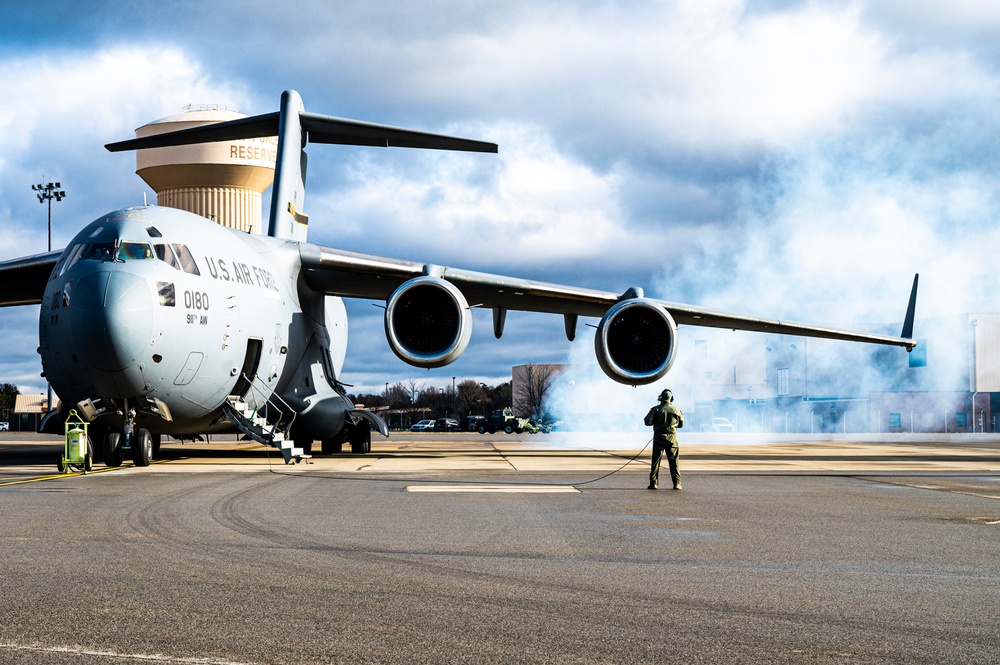
A crew chief assigned to the 911th Maintenance Squadron performs a preflight inspection at Pittsburgh International Airport Air Reserve Station. Crew chiefs conduct pre-flight inspections before every flying mission, ensuring aircraft operational readiness. (U.S. Air Force photo by James Fritz)
Preventive vs. Corrective Maintenance
The fundamental distinction in maintenance philosophy is between preventive (scheduled) and corrective (unscheduled) maintenance. Preventive maintenance occurs at predetermined intervals - flight hours, calendar time, cycles, or rounds fired - regardless of whether problems have been detected. Corrective maintenance responds to failures, damage, or anomalies as they occur.
Effective maintenance programs invest heavily in preventive work precisely because it reduces corrective demands. An engine component replaced before failure costs only the part and planned labor. The same component failing in service can damage other components, ground the aircraft for extended periods, and potentially endanger lives. The economics of prevention are overwhelmingly favorable, yet organizations under resource pressure often defer preventive work - a short-term savings that creates larger long-term costs.
Scheduled vs. Unscheduled Work
Scheduled maintenance follows established intervals and procedures. Every military platform comes with a maintenance schedule specifying what must be inspected, serviced, or replaced after given amounts of use or time. These schedules are developed through engineering analysis, testing, and operational experience. They represent the minimum investment required to sustain capability.
Unscheduled maintenance responds to the unexpected: component failures, battle damage, environmental effects, or problems discovered during inspections. No schedule can anticipate every failure mode. The ratio of scheduled to unscheduled maintenance varies by platform maturity, operating environment, and maintenance investment. New platforms typically experience higher unscheduled rates as unexpected issues emerge. Harsh environments accelerate wear beyond planned rates. Deferred maintenance creates cascading failures.
Continuous, Not Reactive
Perhaps the most important conceptual point is that maintenance is continuous, not reactive. Military equipment requires constant attention even when not in use. Corrosion progresses, seals degrade, fluids age, electronics drift. A parked aircraft is not a maintained aircraft. Military forces that assume equipment remains ready during periods of reduced operations discover otherwise when they attempt to surge.
This continuity creates the fundamental resource demand that constrains force size. Maintenance is not a problem to be solved but a condition to be managed. Every platform acquired creates ongoing maintenance obligations that persist for the system's entire service life - often decades. These obligations cannot be eliminated, only managed more or less effectively.
Availability vs. Inventory
The distinction between inventory and availability is perhaps the most misunderstood aspect of military capability. Political leaders, media, and even some defense professionals routinely conflate the two, treating total platform counts as measures of combat power. This conflation produces systematically distorted assessments of both friendly and adversary capabilities.
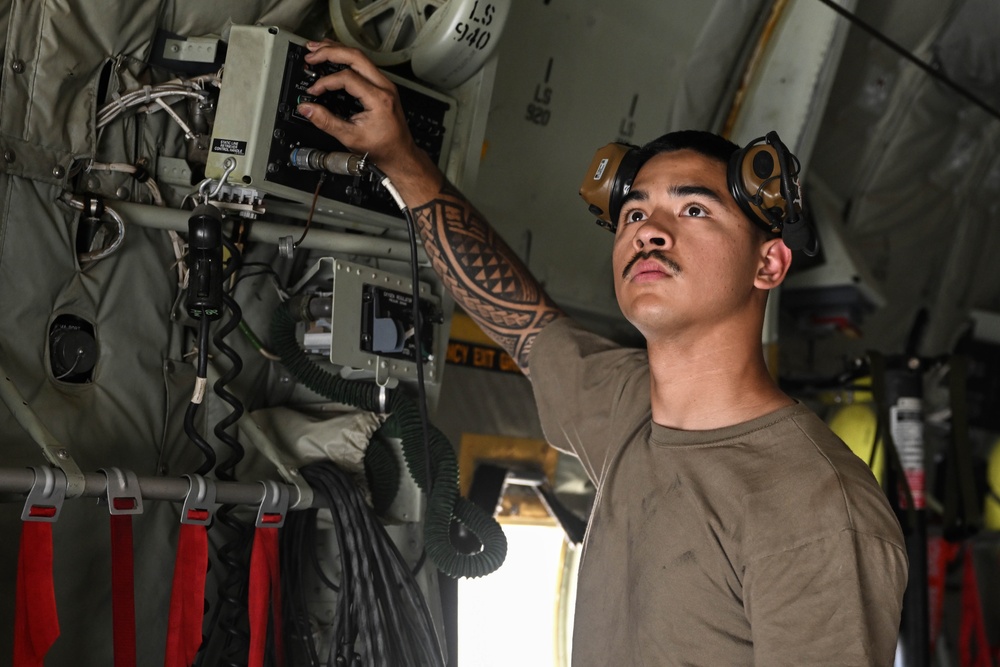
A 39th Expeditionary Aircraft Maintenance Unit crew chief adjusts the lights on a C-130J Super Hercules during an inspection in the U.S. Central Command area of responsibility. Ensuring aircraft readiness to support airlift operations requires continuous maintenance effort. (U.S. Air Force photo)
Inventory: What You Own
Inventory represents total assets: every aircraft in the registry, every vehicle on the books, every ship in commission. These numbers are concrete and countable. They appear in defense budgets, force structure documents, and international comparisons. They are also deeply misleading as measures of capability.
An aircraft undergoing depot overhaul exists in inventory but cannot fly for months. A ship in extended maintenance period counts against force structure but cannot deploy. A tank awaiting parts contributes to unit authorization but not to combat power. Inventory measures ownership. It does not measure capability.
Availability: What You Can Use
Availability - variously termed mission capable rate, operational readiness rate, or simply readiness - measures the proportion of inventory actually able to perform assigned missions at any given time. This is the number that matters operationally.
Note the variation across platform types. Ground vehicles typically achieve higher availability because they are mechanically simpler and easier to access for repairs. Aircraft require more intensive maintenance per operating hour. Ships have extended maintenance periods that remove them from service for months. These differences reflect fundamental platform characteristics, not management quality.
Maintenance Man-Hours Per Operating Hour
A key metric that illuminates maintenance burden is maintenance man-hours per operating hour (MMH/OH). This ratio captures how much maintenance labor each hour of use requires. The figures vary dramatically across platforms:
Light utility vehicle: 1-2 MMH/OH
Main battle tank: 3-5 MMH/OH
Transport helicopter: 8-15 MMH/OH
Fourth-generation fighter: 15-25 MMH/OH
Fifth-generation fighter: 30-50+ MMH/OH
These ratios mean that operating a modern fighter for one hour requires an entire crew of maintainers working for several hours. Flying a squadron of 24 fighters for 30 hours each in a week demands roughly 20,000-35,000 man-hours of maintenance. The maintenance workforce requirement is defined by desired operating tempo, not by platform count.
Maintenance as a Scaling Limit
Force size is ultimately constrained by maintenance capacity. While procurement budgets determine what can be bought and personnel systems determine what can be staffed, maintenance capacity determines what can be sustained. This constraint operates through several mechanisms.
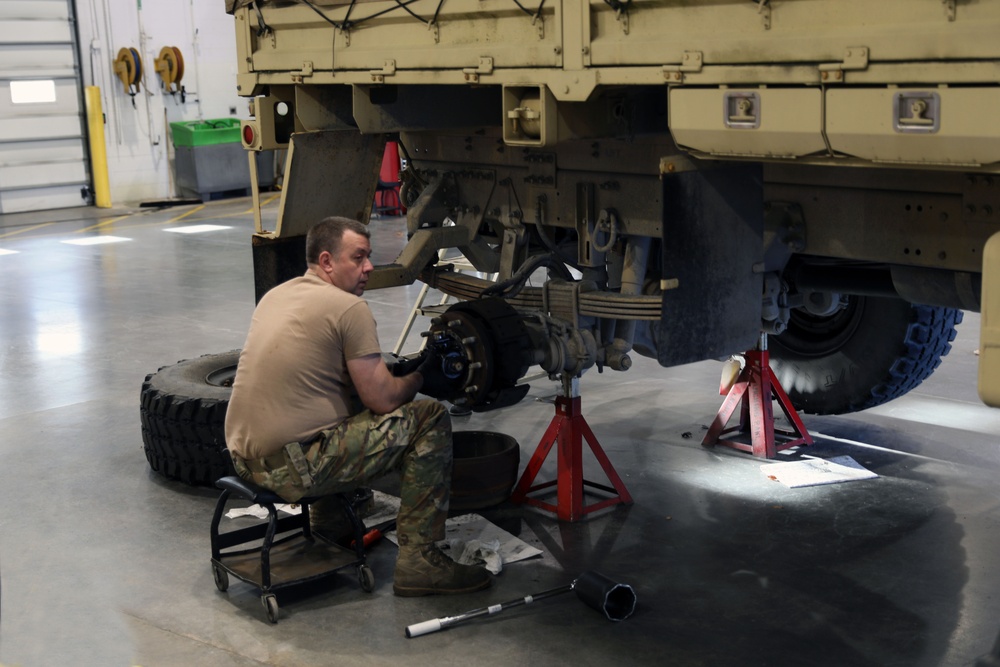
U.S. Soldiers with the 328th Brigade Support Battalion perform maintenance on various vehicles and equipment at Surface Equipment Maintenance Facility 16 in Elizabethtown, Pennsylvania. This 30,000 square-foot facility supports 250 soldiers and demonstrates the infrastructure investment required for vehicle sustainment. (U.S. Army National Guard photo by Spc. Glenn Brennan)
Skilled Labor Constraints
Military maintenance requires trained personnel with specialized skills. Training a fighter crew chief takes 6-12 months. Training a submarine nuclear propulsion technician takes 2-3 years. These training pipelines cannot be rapidly expanded. The personnel available to perform maintenance at any given time represent the cumulative output of training programs over years or decades.
Retention compounds the problem. Military maintenance specialties often have civilian equivalents that pay significantly more. Aircraft mechanics, electronics technicians, and diesel engine specialists all have commercial markets for their skills. Retaining trained maintainers requires competitive compensation and working conditions - investments that compete with procurement for resources.
Tooling and Facilities
Modern military equipment often requires specialized tools, test equipment, and facilities for maintenance. These capital investments are substantial and specific. A hangar configured for one aircraft type may require modification for another. Test equipment for one avionics suite does not work on different systems. These infrastructure constraints limit flexibility and create bottlenecks.
Depot facilities - the industrial plants that perform deep maintenance, overhaul, and modification - represent particularly significant constraints. Expanding depot capacity requires years of construction and equipment procurement. Depot throughput often determines how many platforms can be sustained, regardless of field maintenance capacity.
Time Constants
Maintenance operates on timescales that cannot be compressed beyond certain limits. Some repairs simply require time - curing of sealants, thermal cycling of components, calibration of instruments. Rushing these processes creates quality problems that produce failures later. The time required for thorough maintenance is not a policy choice but a technical requirement.
These time constants mean that maintenance capacity cannot be surged as rapidly as some other elements of military capability. More parts can be ordered quickly. Additional personnel can be mobilized. But training maintainers, expanding facilities, and working through maintenance backlogs all require time that crisis timelines may not permit.
Nonlinear Scaling
Perhaps most importantly, maintenance burden does not scale linearly with force size. Larger forces face coordination overhead, logistics complexity, and specialization requirements that smaller forces can avoid. A force with 100 aircraft needs maintenance management systems, parts distribution networks, and specialized repair facilities that a force with 20 aircraft does not. This overhead means that doubling force size more than doubles maintenance burden.
Maintenance and Readiness Decay
Military readiness is often described as "perishable" - a quality that degrades without continuous investment. Maintenance is the primary mechanism through which this decay occurs. Understanding how readiness erodes reveals why sustaining capability costs so much.
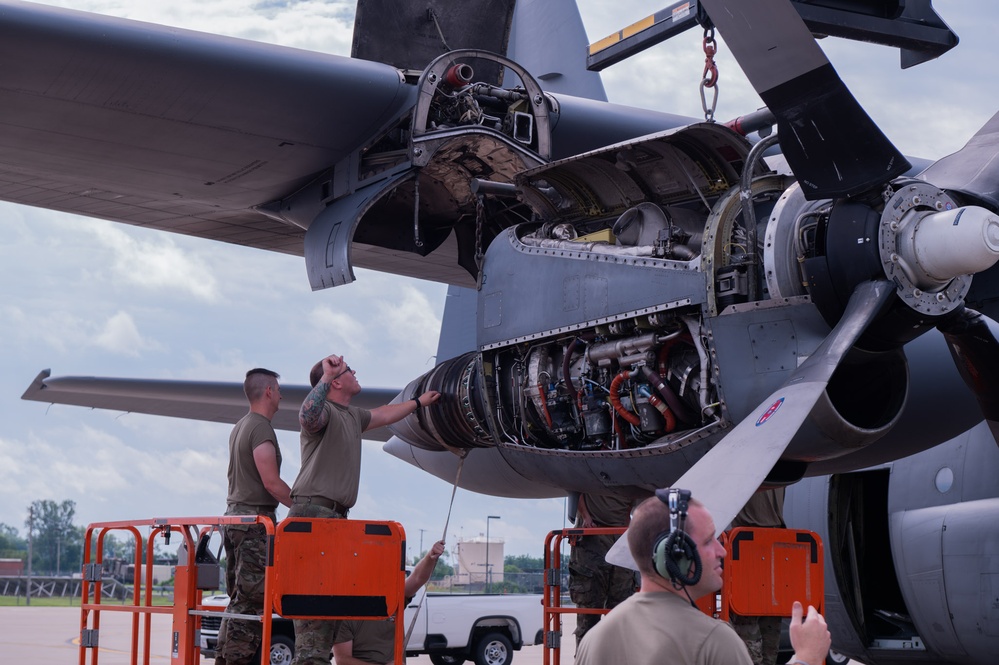
Airmen of the 139th Maintenance Group replace an engine on a C-130 Hercules aircraft at Rosecrans Air National Guard Base, Missouri. Engine replacement represents a major maintenance event requiring specialized equipment and trained personnel. (U.S. Air National Guard photo by Staff Sgt. Janae Masoner)
Wear Accumulation
Every operating hour adds wear to mechanical systems. Engines accumulate thermal cycles. Airframes experience stress cycles. Vehicles suffer suspension wear. This accumulation is continuous and irreversible. Operating equipment consumes its service life whether or not replacements are procured.
But non-operation also creates problems. Seals dry out without use. Corrosion advances on parked aircraft. Electronics drift without calibration. The common assumption that equipment in storage remains ready proves false after extended periods. Readiness requires either use with maintenance or non-use with preservation - both resource-intensive activities.
Deferred Maintenance
Budget pressure often produces maintenance deferral - postponing scheduled work to reduce near-term costs. This creates a maintenance backlog that grows over time. Deferred maintenance does not disappear; it accumulates, often with compounding effects as small problems become large ones.
The consequences of deferral may not appear immediately. Equipment continues operating, creating an illusion that maintenance was unnecessary. But reliability degrades, parts fail unexpectedly, and eventually availability collapses. Organizations that defer maintenance are borrowing against future readiness - a loan that always comes due.
Silent Decay
Readiness often degrades silently before it collapses visibly. Availability rates may remain stable while underlying problems accumulate. Maintainers work harder to compensate for parts shortages. Inspections become cursory under time pressure. Documentation suffers as crews focus on getting aircraft flying. By the time metrics reflect problems, the underlying situation may be severe.
This pattern explains why readiness crises seem to emerge suddenly. The degradation was progressive, but measurement systems captured it late. Organizations that track leading indicators - backlog growth, cannibalization rates, overtime hours - can detect decay earlier, but these metrics are less visible than mission capable rates.
Maintenance in Training vs. Operations
The relationship between training and maintenance creates one of the fundamental tensions in military readiness management. Training requires equipment use, which generates maintenance demand. But maintenance for current training competes with maintenance for future readiness.
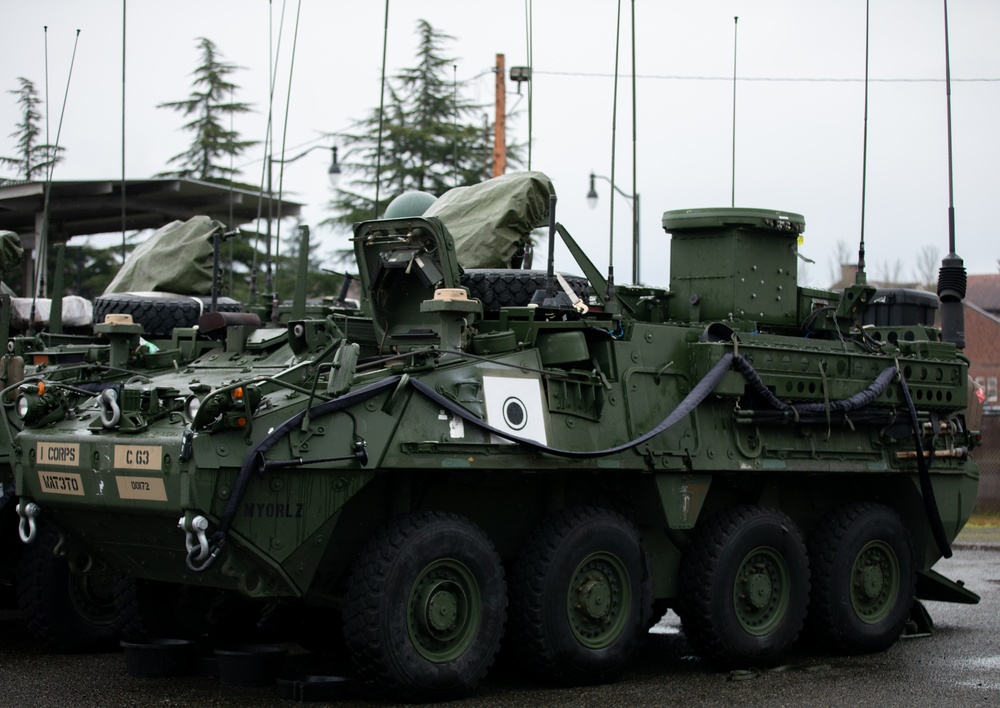
A M1255 CVV Stryker goes through daily checks and maintenance at Joint Base Lewis-McChord, Washington. Daily preventive maintenance checks are essential for maintaining vehicle readiness and identifying problems before they become failures. (U.S. Army photo by Spc. Kourtney Nunnery)
Peacetime vs. High-Tempo Operations
Peacetime training typically operates at sustainable tempo - flying hours, steaming days, and operating miles calibrated to balance training with equipment preservation. These rates are carefully calculated to generate sufficient training while remaining within maintenance capacity.
Operational deployments and combat often demand higher tempo. Equipment operates more intensively, accelerating wear. Maintenance may be deferred to maximize sorties or missions. Environmental conditions - dust, salt, extreme temperatures - increase failure rates. The gap between peacetime and wartime tempo reveals how much capacity was held in reserve.
Exercises Reveal Sustainment Limits
Major military exercises often expose sustainment weaknesses that peacetime operations obscure. When forces surge to simulate combat tempo, maintenance systems face demands they rarely experience. Parts run short. Repair backlogs grow. Maintainers accumulate fatigue. These stresses reveal the true sustainable capacity of sustainment systems.
Smart forces use exercises to test and improve sustainment capacity. They deliberately stress maintenance systems to find limits before combat demands it. They practice rapid repair, forward maintenance, and austere operations. The exercise reveals both problems and solutions.
Training Tempo Tradeoffs
The choice of training tempo involves explicit tradeoffs. Higher tempo produces better-trained crews but consumes equipment life faster and requires more maintenance. Lower tempo preserves equipment but may not produce combat-ready personnel. Finding the optimal balance requires understanding both training requirements and sustainment capacity.
Organizations under budget pressure often reduce training tempo to save maintenance costs. This calculation is rational in the short term but dangerous in the long term. Undertrained crews make mistakes that damage equipment, create safety incidents, and - in combat - fail to accomplish missions. The maintenance savings from reduced training may cost far more in other dimensions.
Technology Makes Maintenance Harder, Not Easier
A common assumption holds that advanced technology should reduce maintenance burden. Better materials should last longer. Better diagnostics should predict failures. Better manufacturing should produce more reliable components. Yet experience consistently shows that more advanced military systems require more intensive maintenance.
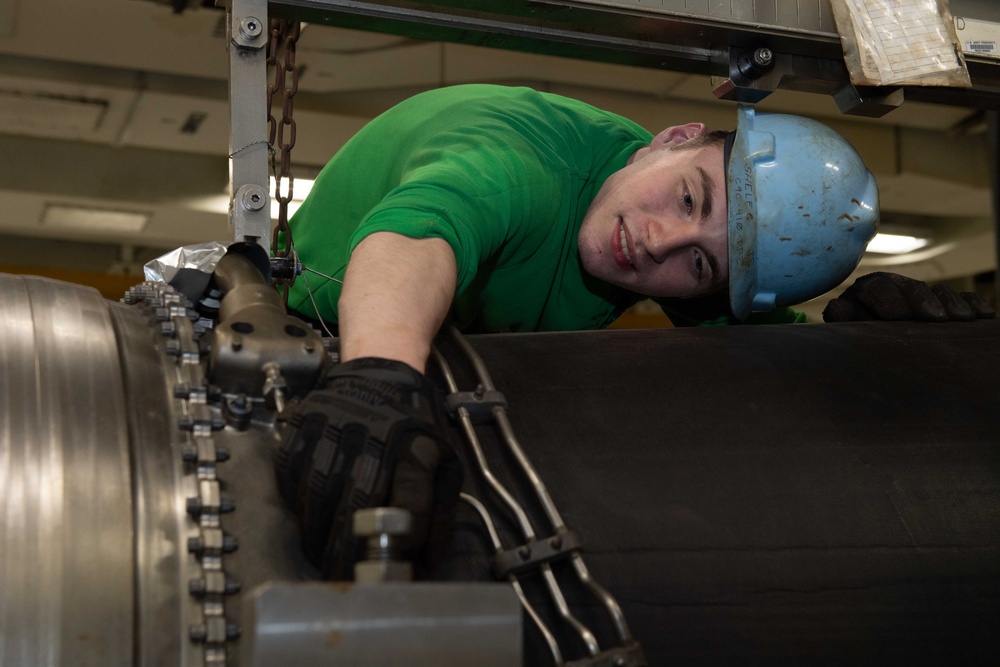
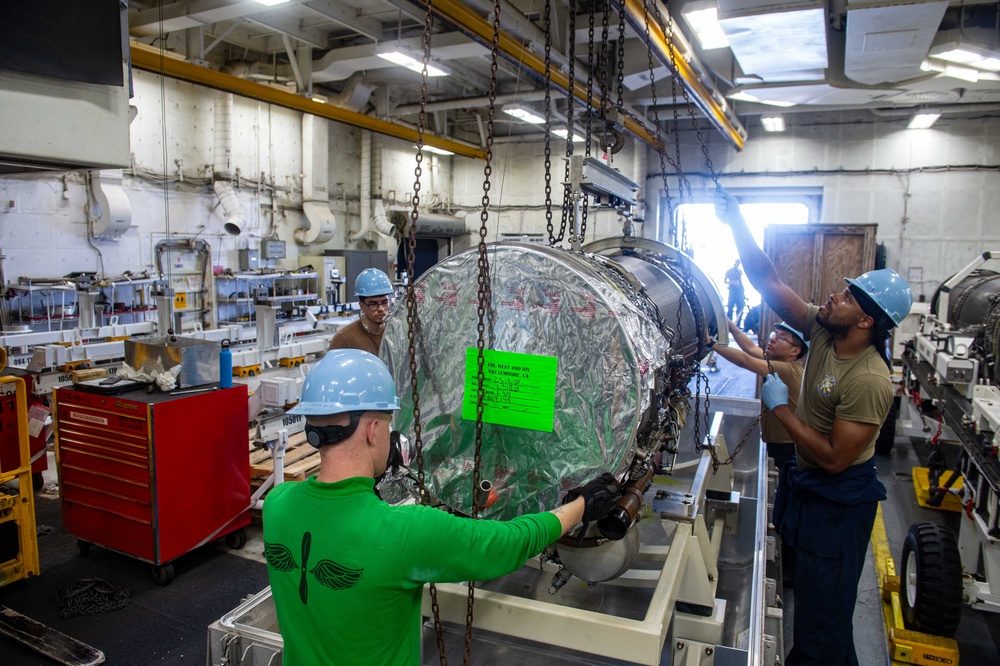
U.S. Navy Aviation Machinist's Mate conducts maintenance on a jet engine aboard USS Theodore Roosevelt (CVN 71). Jet engine maintenance aboard carriers requires specialized expertise and careful handling in confined spaces. (U.S. Navy photo by Mass Communication Specialist Seaman Apprentice Trentyn Hevener)
Software Dependency
Modern military systems depend on software for their most critical functions. Software controls flight systems, weapons employment, communications, and navigation. This software requires updates, patches, and modifications throughout the system's life - a continuous maintenance burden that did not exist for earlier generations.
Software maintenance also introduces failure modes that mechanical systems lacked. Software can fail in ways that are difficult to diagnose, reproduce, and fix. Interactions between subsystems can produce unexpected behaviors. Cybersecurity vulnerabilities require patching that may introduce new problems. The maintenance workforce must now include software engineers alongside traditional mechanics.
Specialized Components
Advanced systems use specialized components that require specialized knowledge to maintain. Stealth coatings need careful handling. Active electronically scanned arrays differ fundamentally from mechanical radar. Composite structures require different repair techniques than metal. Each technology layer adds maintenance requirements.
These specialized components often cannot be repaired in the field. Unlike replacing a broken bolt, replacing a damaged radar module requires depot facilities with specialized test equipment. The supply chain for specialized components is often fragile, with single-source suppliers and long lead times. A missing specialty part can ground an aircraft that is otherwise serviceable.
Contractor Reliance
Many advanced systems require contractor support for maintenance that earlier generations handled with uniformed personnel. Original equipment manufacturers often retain proprietary knowledge, specialized tools, or exclusive access to certain maintenance functions. This contractor dependency creates costs, complications, and potential vulnerabilities.
Contractors may not deploy to combat zones. Their availability depends on contracts, not command authority. They introduce security considerations for access to sensitive systems. While contractor maintenance can be highly effective, it represents a different sustainment model than organic military capability.
Integration Complexity
Modern platforms integrate multiple subsystems that must work together. A fighter's radar, electronic warfare suite, weapons systems, and flight controls all interact. Maintenance actions on one subsystem can affect others. Diagnosing problems requires understanding system-level interactions, not just individual components.
This integration complexity increases diagnostic time and requires maintainers with broader knowledge. It also means that upgrades to any subsystem may require modifications to others. The fully integrated platform is not a collection of independent systems but an interconnected whole.
Case Patterns Across Domains
While maintenance details differ across air, ground, and naval domains, common patterns emerge. Understanding these patterns helps explain why maintenance creates similar constraints regardless of the specific platform.
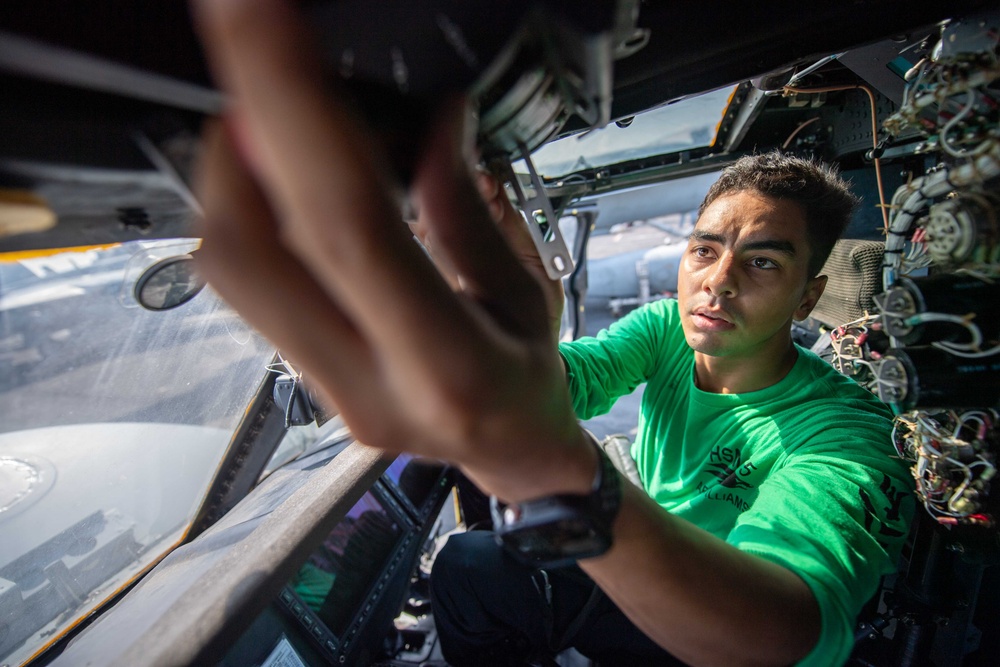
U.S. Navy Aviation Electrician's Mate performs maintenance on an MH-60R Sea Hawk helicopter aboard USS Theodore Roosevelt. Helicopter maintenance requires attention to complex rotor systems and avionics that demand specialized expertise. (U.S. Navy photo by Mass Communication Specialist Seaman Apprentice Aaron Haro Gonzalez)
Aircraft
Aviation maintenance is intensely structured around flight hours, cycles, and calendar time. Each of these metrics triggers different inspection and maintenance requirements. Engines have hour limits for overhaul. Landing gear has cycle limits for replacement. Certain components have calendar limits regardless of use.
The complexity of modern aircraft means that maintainers specialize by system: avionics, propulsion, hydraulics, structures, weapons. Coordinating these specialties for a single aircraft requires management systems that track requirements and schedule work. Major maintenance events can take weeks, during which the aircraft is unavailable.
Ground Vehicles
Armored vehicles present maintenance challenges centered on powertrains, tracks, and turret systems. Tank engines operate under extreme conditions and require frequent servicing. Track systems wear rapidly and replacement is labor-intensive. Turret electronics and fire control systems need calibration and component replacement.
Environmental factors strongly influence ground vehicle maintenance. Desert operations accelerate engine wear through dust ingestion. Extreme cold affects hydraulics and electronics. Muddy terrain increases track and suspension loads. Forces operating in demanding environments face maintenance burdens beyond baseline requirements.
Naval Platforms
Ship maintenance operates on unique timescales driven by deployment cycles and drydock requirements. Much of a surface combatant's maintenance happens alongside piers between deployments. But certain work - hull coatings, propellers, underwater sensors - requires drydocking. Drydock availability is often the binding constraint on fleet readiness.
Nuclear vessels add another layer of complexity. Nuclear propulsion systems have specific requirements for refueling and overhaul that can remove submarines or carriers from service for years. These extended maintenance periods must be planned years in advance and represent a significant portion of a vessel's service life.
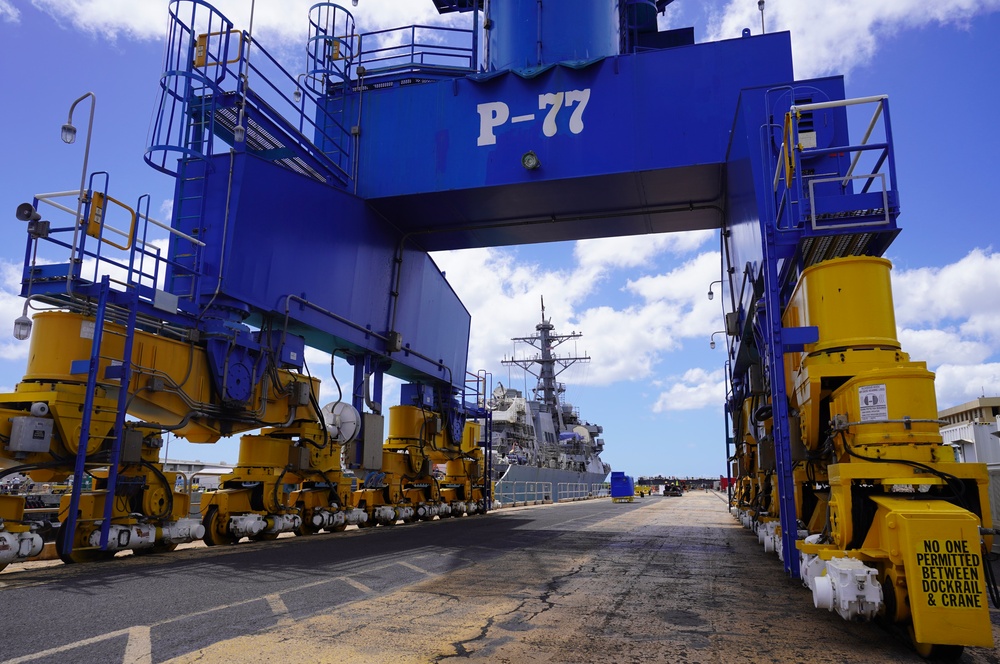
The Arleigh Burke-class guided-missile destroyer USS Hopper (DDG 70) awaits undocking from Dry Dock 4 at Pearl Harbor Naval Shipyard and Intermediate Maintenance Facility. Ship maintenance requiring drydock access can last months and represents a critical constraint on fleet availability. (U.S. Navy photo by Claudia LaMantia)
Support Systems
Combat platforms depend on support systems - tankers, transports, reconnaissance, command and control - that have their own maintenance requirements. These enablers often face higher operational tempo than combat platforms, creating proportionally higher maintenance demand. A shortage of tanker availability can ground fighters as effectively as a shortage of fighter maintainers.
Why Maintenance Is Undervalued
Despite its fundamental importance, maintenance consistently receives less attention than procurement, technology, or operations. This undervaluation is not random; it reflects systematic biases in how military organizations and their overseers perceive capability.
U.S. Navy Sailors move an F/A-18 Super Hornet jet engine in the jet shop aboard USS Theodore Roosevelt (CVN 71). The jet shop is the heart of carrier aviation maintenance, processing engines that require regular overhaul and repair. (U.S. Navy photo by Mass Communication Specialist 3rd Class Caleb M. Foote)
Visibility Bias
New platforms are visible. They have rollouts, first flights, and commissioning ceremonies. Media covers new acquisitions. Politicians attend deliveries. By contrast, maintenance is invisible. Successful maintenance means equipment operates as expected - not newsworthy. Failed maintenance produces problems that organizations prefer not to publicize.
This visibility asymmetry creates systematic incentives to favor procurement over sustainment. Resources spent on new equipment produce visible, claimable results. Resources spent on maintenance produce continued operation that is taken for granted. Organizations respond rationally to these incentives, even when the rational response is suboptimal.
Procurement Incentives
Defense industrial bases, congressional interests, and military services all have stronger incentives around procurement than sustainment. New programs create jobs, generate contracts, and provide career opportunities. Sustainment programs, while essential, are less politically attractive.
Budget processes often separate procurement from operations and maintenance, making it difficult to evaluate lifecycle costs. A cheaper-to-buy but harder-to-maintain platform may appear fiscally responsible at procurement while creating larger costs over its service life. These costs appear in different budget lines, years later, often obscured by other factors.
Cultural Emphasis
Military cultures often celebrate operations over support. Pilots, tank commanders, and ship captains are the heroes of military narratives. Maintainers work in the background, essential but unsung. This cultural emphasis affects career paths, recognition, and resource allocation.
The emphasis is not irrational - operators employ combat power. But the emphasis becomes dysfunctional when it obscures the dependence of operations on sustainment. Organizations that celebrate operational achievements while neglecting sustainment investments eventually discover that operations require equipment that works.
Size Is Easier to Count Than Effectiveness
Assessments of military capability default to counting platforms because numbers are easy to count. Maintenance capacity is harder to assess. How do you measure the skill of a maintenance workforce? The health of a supply chain? The adequacy of depot capacity? These factors are critical but not easily quantified.
International comparisons suffer particularly from this limitation. Analysts can compare aircraft counts across countries, but comparing maintenance capacity is much harder. Availability rates are sensitive, often classified, and may not be honestly reported. The most visible metrics are the least meaningful for actual capability.
What Maintenance Reality Means for Modern Forces
Understanding maintenance as the determinant of combat power has profound implications for how forces should be planned, built, and operated. These implications challenge common assumptions about military capability.
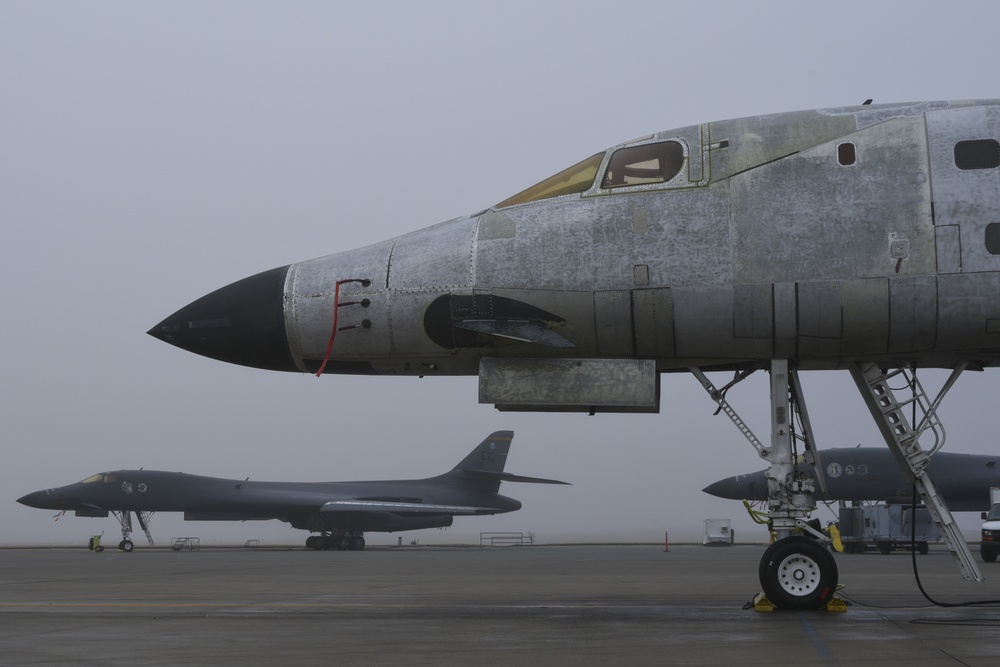
Three Boeing B-1B Lancer aircraft undergoing maintenance, repair and overhaul at the Oklahoma City Air Logistics Complex at Tinker Air Force Base. Depot-level maintenance facilities like this are critical to sustaining long-term aircraft availability. (U.S. Air Force photo by Greg L. Davis)
Force Structure Decisions
Force structure should be determined not by what can be procured but by what can be sustained. A force that buys more platforms than it can maintain has spent resources on capability that will not exist operationally. The sustainable force size is defined by maintenance capacity, not by acquisition budgets.
This principle suggests that smaller, well-maintained forces often outperform larger, poorly-maintained ones. High availability rates convert inventory into capability. Resources that might be spent expanding inventory may produce more combat power if spent on maintainer training, parts stocks, and depot capacity.
Procurement Tradeoffs
Platform selection should consider sustainment requirements as primary factors, not afterthoughts. Maintenance burden varies significantly across systems with similar capabilities. Lifecycle costs - not just acquisition costs - should drive comparisons. The cheaper-to-buy platform may be more expensive to own.
Commonality across fleets reduces sustainment burden. Each unique platform type requires its own training, tooling, parts stocks, and depot lines. Consolidating to fewer types improves efficiency. This argues against niche platforms optimized for specific missions unless those missions justify the sustainment overhead.
Readiness Planning
Readiness planning should explicitly account for sustainment as a binding constraint. Plans that assume higher availability than maintenance can deliver are not realistic. Surge operations must be planned recognizing that surging operations means surging maintenance - which may not be possible at the same rate.
Reconstitution after high-tempo operations requires maintenance capacity. Forces that consume equipment readiness in conflict need time and resources to rebuild. The ability to sustain operations over time depends on whether maintenance capacity can keep pace with operational consumption.
Effectiveness Is Contextual
Ultimately, maintenance reality means that effectiveness is contextual. The same force may perform very differently depending on how well it is maintained. Comparisons between forces must consider not just what they possess but what they can actually operate. Assessment requires looking beyond inventory to availability - a more difficult but more meaningful analysis.
For adversary assessment, this means recognizing that threat inventories may overstate threat capability. Large fleets with poor maintenance traditions may be smaller in practice than their numbers suggest. Conversely, forces with strong maintenance cultures may punch above their inventory weight.
Key Takeaways
Military maintenance determines combat power more fundamentally than procurement, technology, or force design. The following conclusions summarize why this hidden variable matters so much:
Availability, not inventory, defines operational combat power. What matters is not what forces own but what they can use at any given time. The gap between inventory and availability is determined almost entirely by maintenance.
Maintenance is continuous, not reactive. Keeping equipment operational requires constant investment, regardless of operational tempo. Readiness is produced through sustained effort, not occasional intervention.
Maintenance capacity is the true scaling limit for force size. Forces can only be as large as their maintainer workforce, depot capacity, and supply chains can sustain. Buying beyond this limit creates inventory that cannot become capability.
Advanced technology increases, not decreases, maintenance burden. Software dependency, specialized components, and integration complexity make modern systems harder to maintain than earlier generations despite advances in reliability.
Readiness decays silently before it collapses visibly. Maintenance problems accumulate before metrics capture them. Organizations that track only lagging indicators discover crises too late to prevent them.
Training and maintenance compete for the same equipment life. Higher training tempo consumes readiness. Lower training tempo preserves equipment but may not produce combat-ready personnel. Balance is essential.
Deferred maintenance is borrowed readiness. Postponing maintenance may reduce near-term costs, but the maintenance debt accumulates and must eventually be paid - usually at greater cost than if performed on schedule.
Maintenance burden varies dramatically across platforms. Some systems require 30-50 maintenance man-hours per operating hour. Force planning must account for these differences, not treat all platforms equally.
Exercises reveal sustainment limits that peacetime operations obscure. Surge tempo stresses maintenance systems and exposes weaknesses that normal operations do not test. This information is valuable for identifying problems before combat requires high tempo.
Smaller, well-maintained forces often outperform larger, poorly-maintained ones. High availability rates convert more inventory to capability. Resources spent on sustainment may produce more combat power than resources spent on expansion.
Maintenance is systematically undervalued. Visibility bias, procurement incentives, and cultural emphasis all favor acquisition over sustainment. Correcting this imbalance requires deliberate effort.
Assessments that ignore maintenance overstate capability. Comparing forces by inventory alone systematically misestimates what they can actually accomplish. Understanding maintenance provides a more accurate picture of true combat power.
These conclusions do not diminish the importance of good platforms, skilled personnel, or sound strategy. They simply insist that none of these factors matter if the equipment does not work. Maintenance is the mechanism that converts resources into capability, and understanding it is essential for understanding military power.