One of the most contentious conflicts in American history, the Vietnam War tested the limits of conventional military power against guerrilla warfare. Explore the tactics, technology, political dimensions, and lasting lessons of the war in Southeast Asia.
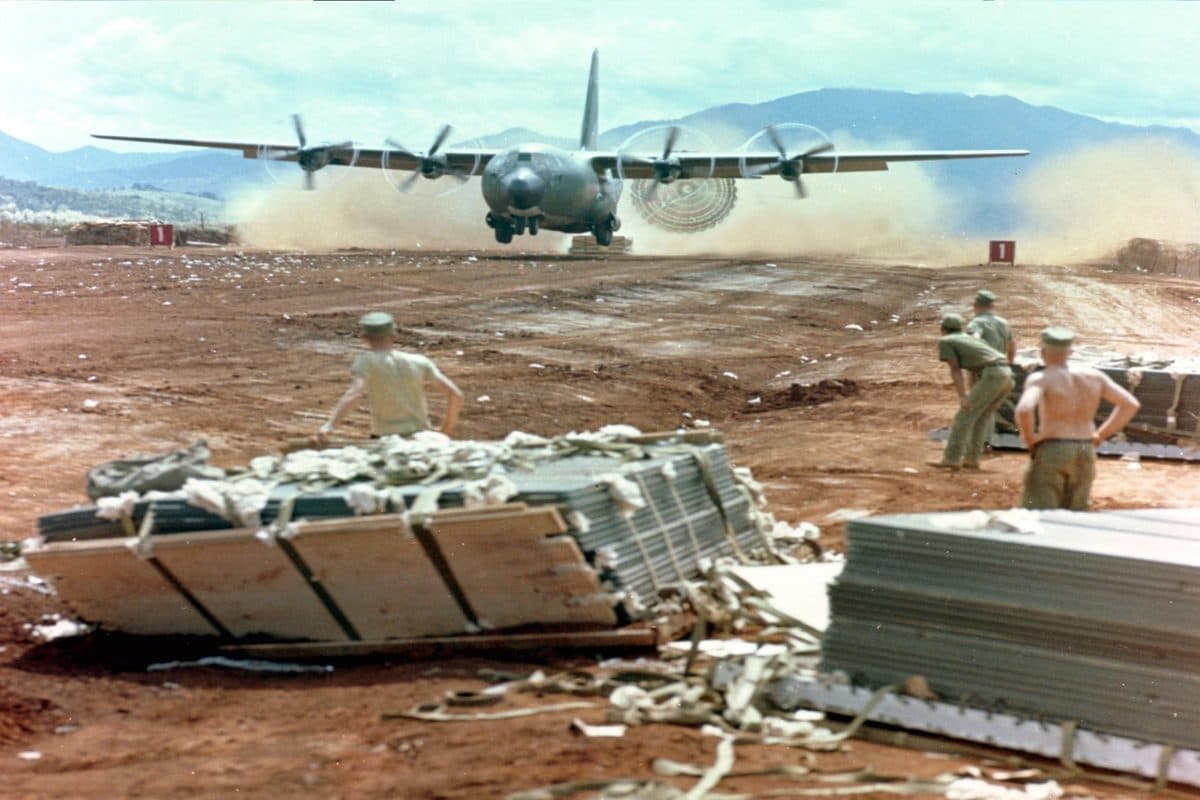
The Vietnam War forced a fundamental rethinking of how modern militaries fight unconventional enemies. Despite overwhelming air power, armored vehicles, and technological superiority, American and allied forces confronted a tenacious adversary that exploited terrain, tunnels, and asymmetric tactics to neutralize conventional advantages. The lessons learned in Vietnam still echo through military doctrine today.
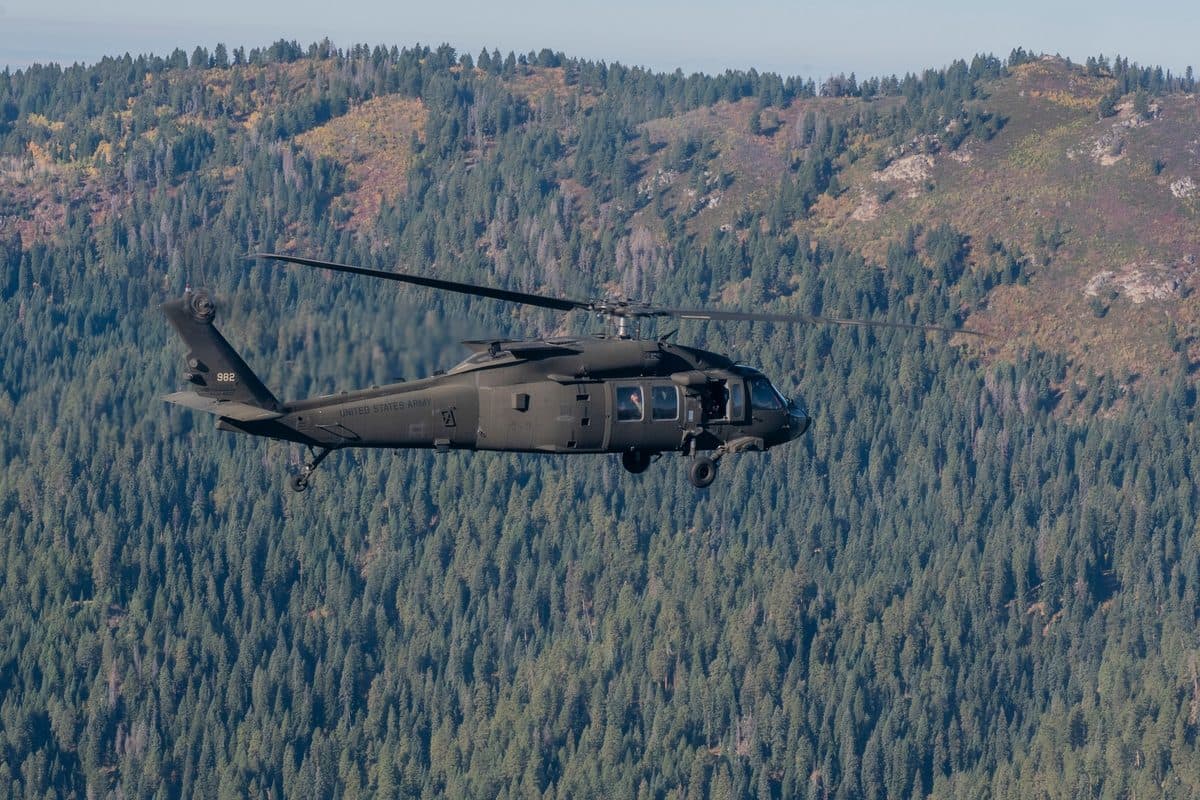
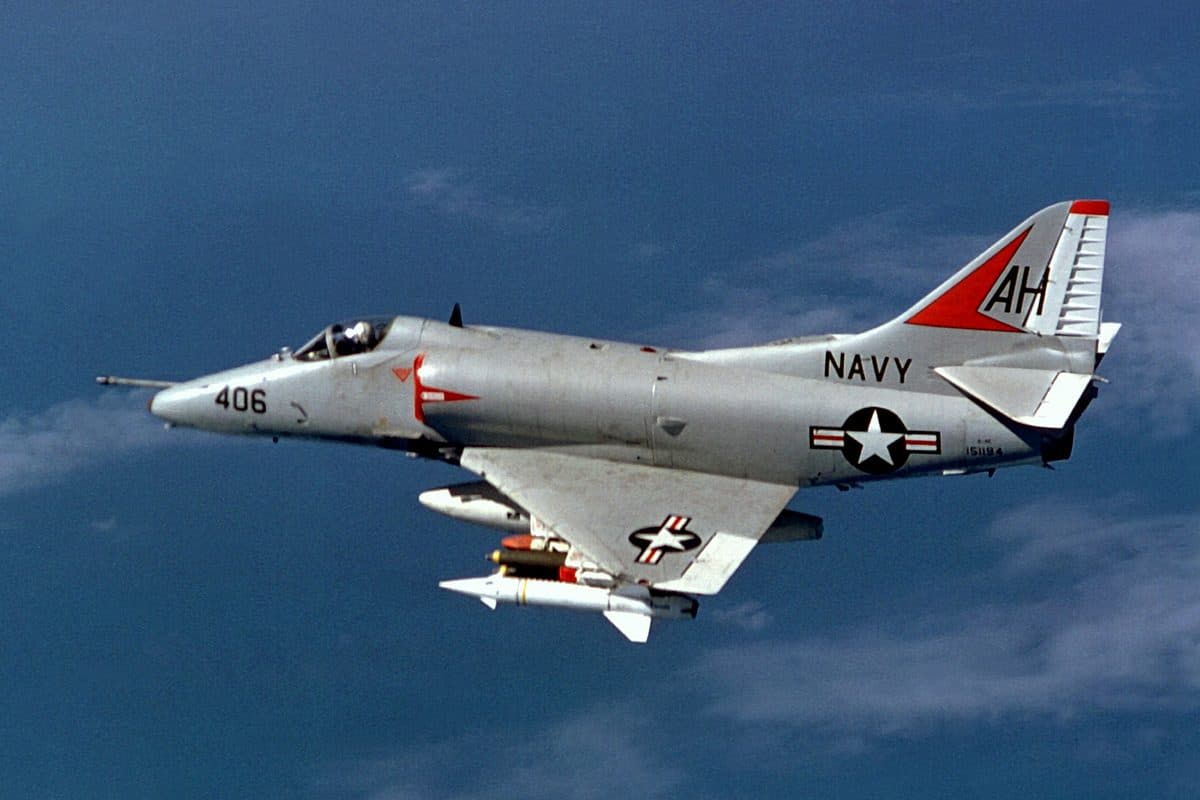
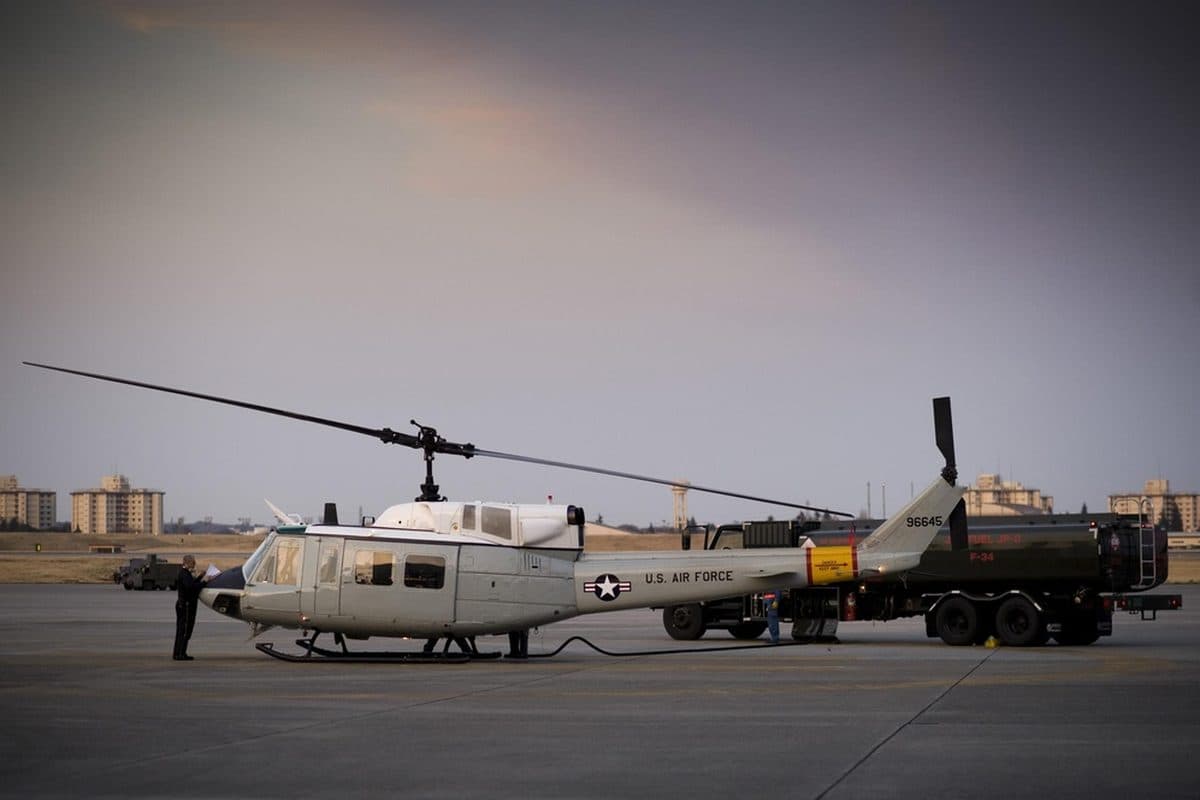
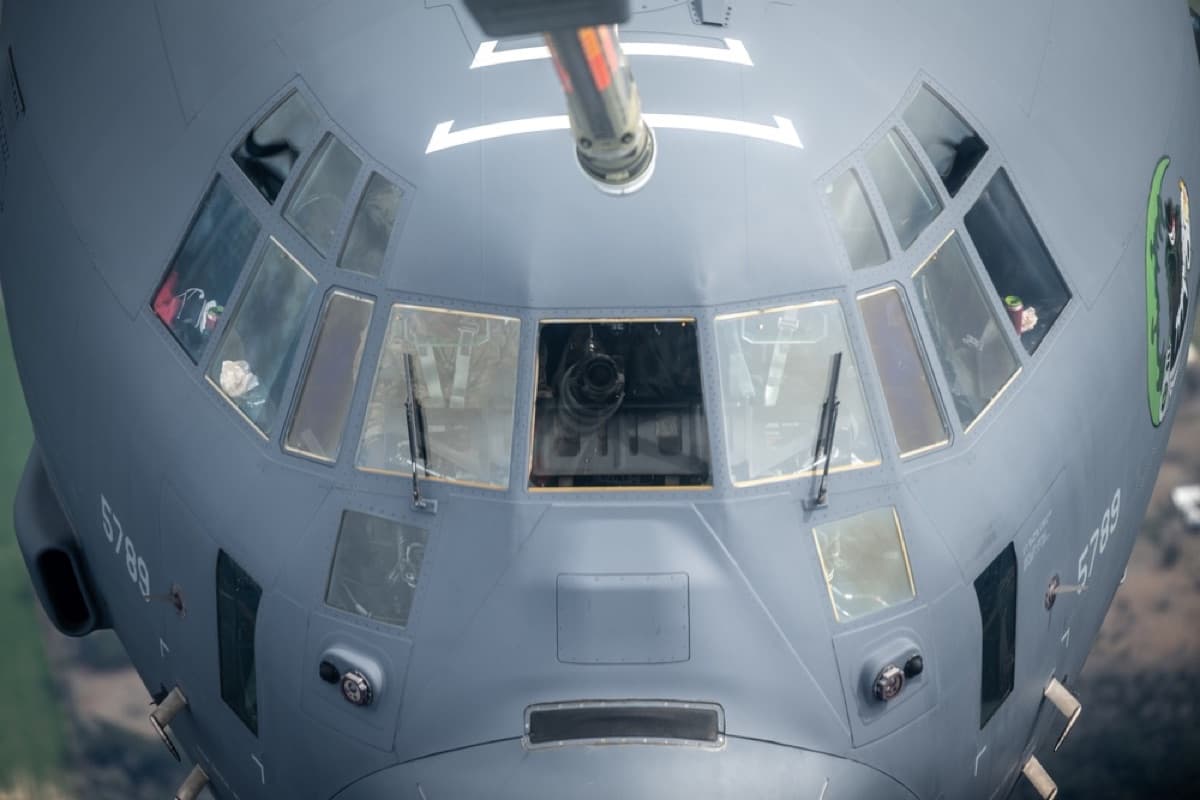
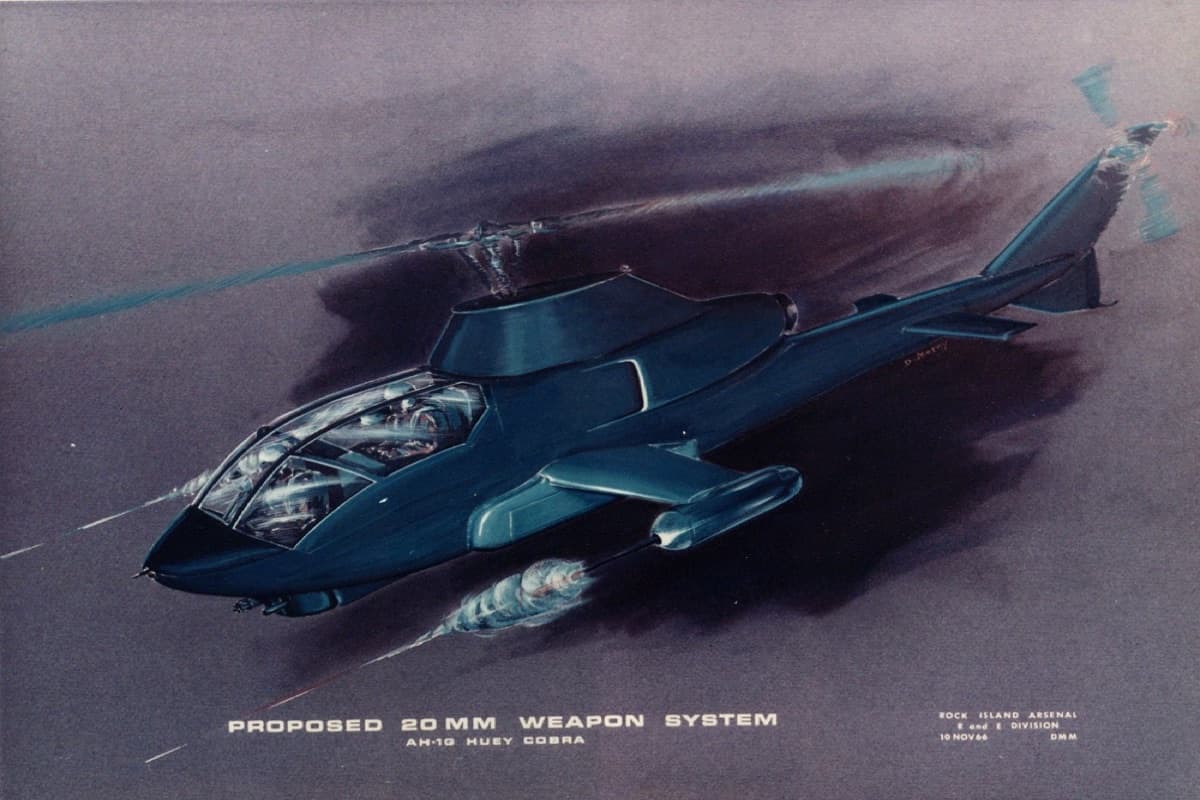
Our Vietnam War coverage examines the aircraft, helicopters, and ground vehicles that defined the conflict, from the UH-1 Huey that became the war's iconic symbol to the F-4 Phantom crews flying missions over Hanoi during Operation Rolling Thunder. We analyze the River Patrol Boats that fought in the Mekong Delta, the AC-130 gunships that provided devastating fire support, and the sensor-laden barriers of the McNamara Line. Beyond the machines, we explore the tactical innovations, strategic debates, and operational failures that shaped the war's outcome.