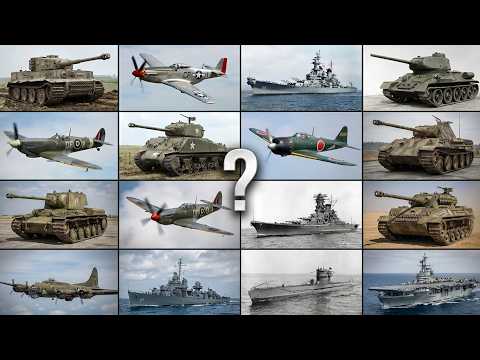
The decades-long standoff between superpowers that reshaped global military strategy. Explore the arms race, proxy conflicts, nuclear deterrence doctrines, and intelligence operations that defined the Cold War era from 1947 through the fall of the Soviet Union.
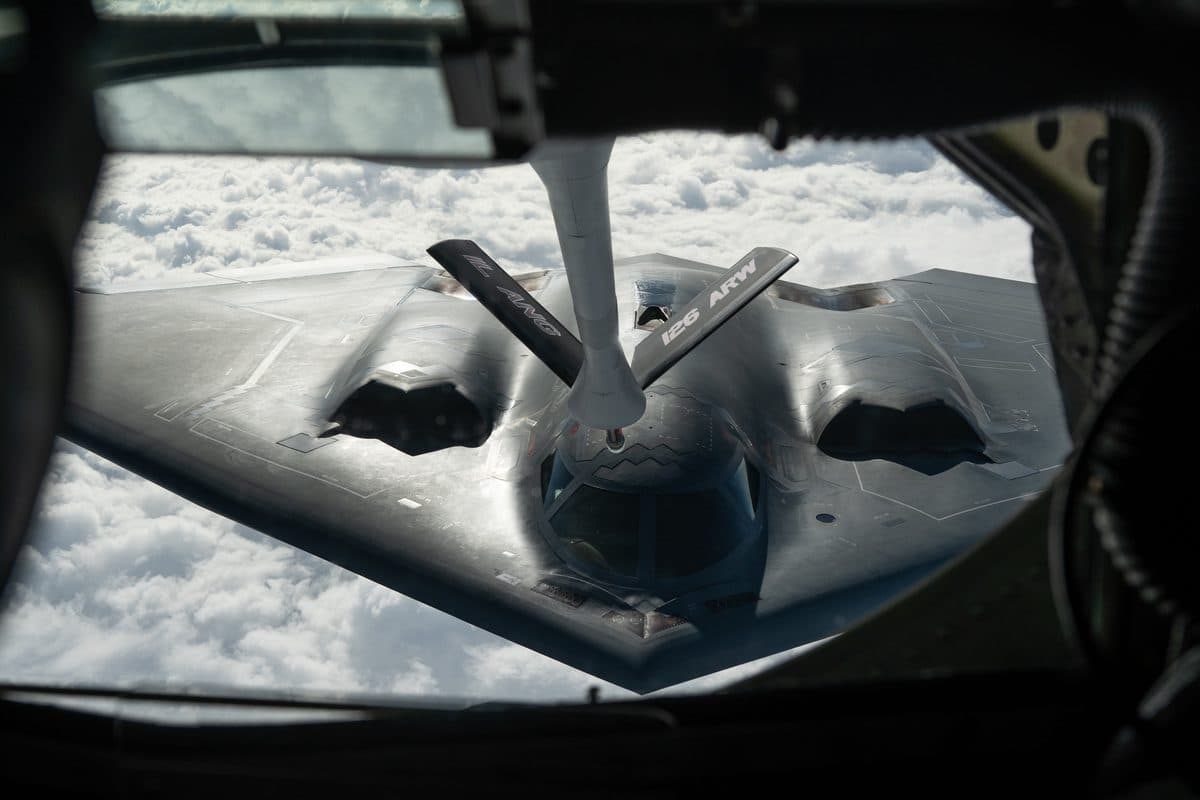
The Cold War era shaped modern military doctrine, force structure, and defense technology more profoundly than any period since World War II. For over four decades, the United States and Soviet Union engaged in an arms race that produced nuclear submarines, intercontinental ballistic missiles, stealth aircraft, and satellite surveillance systems, technologies that remain the backbone of today's military capabilities.
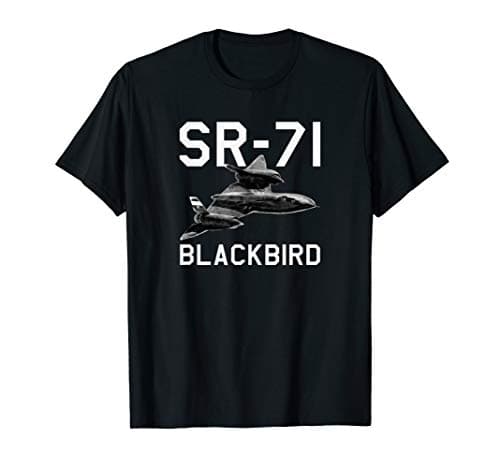
Our Cold War coverage goes beyond the politics to examine the machines and strategies that defined the standoff. From the SR-71 Blackbird's Mach 3 reconnaissance missions to the Soviet Union's massive tank armies positioned across Eastern Europe, we analyze the platforms, doctrines, and proxy conflicts that kept the world on the brink. Explore the Cuban Missile Crisis, the development of mutually assured destruction, the Vietnam-era air campaigns, and the intelligence operations that operated in the shadows.
This section traces how Cold War competition drove innovation in every domain, from nuclear-powered aircraft carriers to spy satellites, and how those developments continue to influence the military balance of power today.