

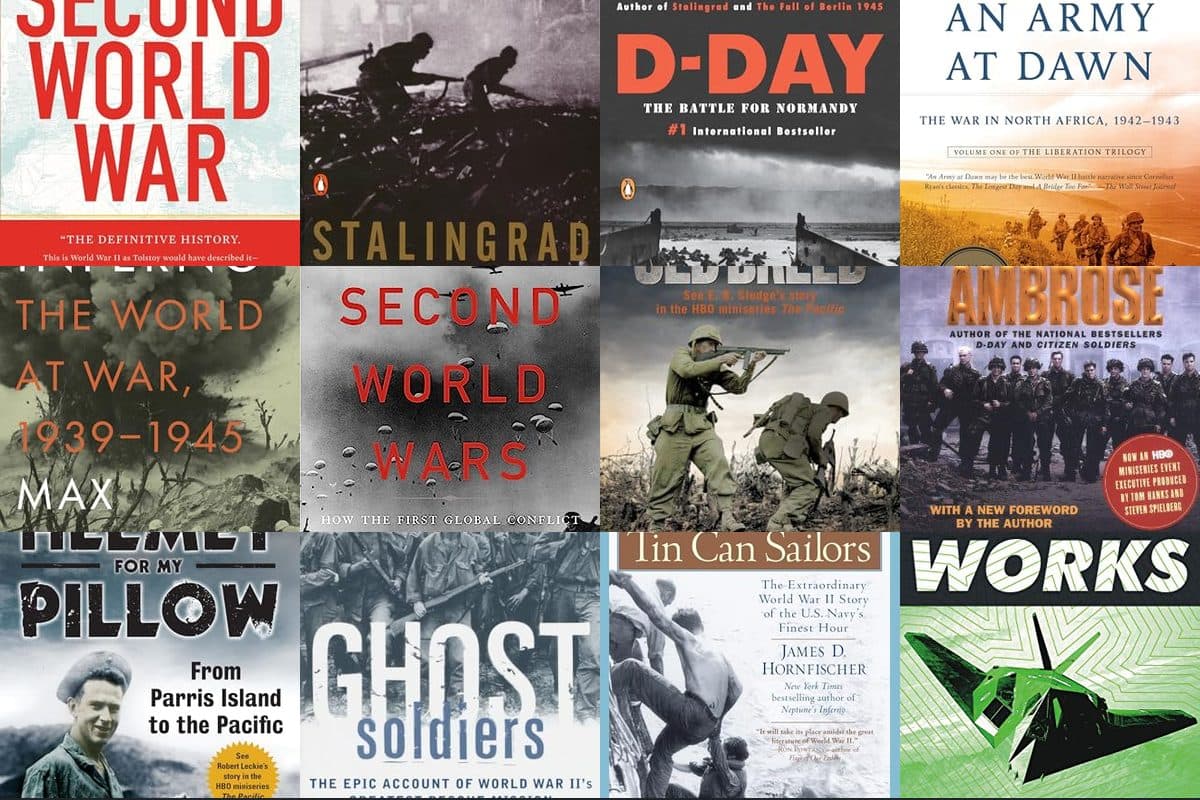
15 Best World War II Books for History Enthusiasts (2026)
15 essential WW2 books covering every theater. Narrative histories, memoirs, and visual references ranked.
daniel-mercer··21 min read
General Helmuth Weidling surrendered Berlin's remaining garrison to Soviet General Vasily Chuikov, ending the Battle of Berlin. The battle cost the Soviets approximately 81,000 killed and 280,000 wounded, while an estimated 100,000 German soldiers and up to 125,000 civilians perished in the fighting.
Spanish civilians in Madrid rose up against French occupation forces, attacking Napoleonic soldiers in the streets. Marshal Murat crushed the revolt with savage reprisals, immortalized in Goya's paintings. The uprising ignited the Peninsular War, Napoleon's "Spanish ulcer", that tied down hundreds of thousands of French troops for six years.
Napoleon's newly raised French army defeated a Russo-Prussian force at Lutzen in Saxony, his first major victory after the disastrous 1812 Russian campaign. Despite fighting with raw conscripts, Napoleon's tactical brilliance won the field, though his critical shortage of cavalry prevented decisive pursuit.
Confederate Lt. Gen. Thomas "Stonewall" Jackson was accidentally shot by his own troops while conducting a night reconnaissance after his devastating flank attack at Chancellorsville. Hit three times, his left arm was amputated. He developed pneumonia and died on May 10.
Japanese naval forces began their advance toward Port Moresby, New Guinea, initiating what became the first naval battle where opposing ships never directly sighted each other. U.S. carriers Lexington and Yorktown, alerted by code-breaking intelligence, moved to intercept.
General Weidling surrendered Berlin's garrison to the Soviets, ending the bloodiest urban battle of World War II.
The surrender signed at Caserta on April 29 came into effect across northern Italy, ending organized Axis resistance south of the Alps. Nearly a million German and Italian fascist troops laid down their arms to Field Marshal Alexander's 15th Army Group.
U.S. Air Force B-52 Stratofortresses flew round-the-clock Arc Light sorties from Guam and U-Tapao against North Vietnamese armor and logistics during the Easter Offensive, the largest conventional invasion of South Vietnam since Tet 1968.
The British nuclear submarine HMS Conqueror torpedoed the Argentine cruiser ARA General Belgrano during the Falklands War, killing 323 crewmen. The sinking, controversial because the ship was sailing away from the exclusion zone, convinced the Argentine navy to withdraw to port for the remainder of the war.
President Clinton ordered the deactivation of Selective Availability, the intentional degradation of civilian GPS signals. Civilian receivers immediately gained the same accuracy as military units, transforming navigation, surveying, aviation, and commerce worldwide.
U.S. analysts began processing the massive trove of documents and hard drives seized during the Abbottabad raid, the largest intelligence haul ever obtained from a senior terrorist. The collection revealed al-Qaeda's organizational structure and operational plans, leading to subsequent operations against leaders worldwide.

Rittmeister (Captain)
The "Red Baron," World War I's highest-scoring fighter ace with 80 confirmed aerial victories. He commanded Jagdgeschwader 1, the famous "Flying Circus," and was killed in action on April 21, 1918. His name became synonymous with aerial combat excellence.

Lieutenant Commander (Reserve)
Famous pediatrician who served in the Naval Reserve during WWII. Became one of the most prominent opponents of the Vietnam War and was convicted (later overturned) of conspiracy to encourage draft resistance in 1968.

Renaissance polymath and pioneering military engineer who designed fortifications, armored vehicles, multi-barreled guns, and other weapons for Cesare Borgia and various Italian city-states. His military notebooks contained concepts centuries ahead of their time.
Wear the Timeline
10 military events occurred on May 2, spanning multiple centuries. Key events include: The Fall of Berlin: Soviet Forces Capture the Nazi Capital (1945), Stonewall Jackson Mortally Wounded at Chancellorsville (1863), Dos de Mayo Uprising: Spain Revolts Against Napoleon (1808), Argentine Cruiser ARA General Belgrano Sunk (1982), German Armies in Italy Surrender Takes Effect (1945).
The most significant military event on May 2 is The Fall of Berlin: Soviet Forces Capture the Nazi Capital (1945). General Helmuth Weidling surrendered Berlin's remaining garrison to Soviet General Vasily Chuikov, ending the Battle of Berlin. The battle cost the Soviets approximately 81,000 killed and 280,000 wounded, while an estimated 100,000 German soldiers and up to 125,000 civilians perished in the fighting.
Notable military figures born on May 2 include Manfred von Richthofen (1892–1918), Benjamin Spock (1903–1998).
Events on May 2 span World War II, the Civil War, the Colonial & Revolutionary era, the Modern Era, the Vietnam War, covering 10 events across 3 centuries of military history.
Events on May 2 involve 4 branches of the U.S. and allied armed forces, reflecting the global scope of military operations throughout history.
Explore military history from the day you were born.
June 6
The Allied invasion of Normandy, the largest amphibious assault in history.
December 7
Japan attacks the U.S. Pacific Fleet, bringing America into World War II.
September 11
The deadliest terrorist attack in history transforms U.S. national security.
August 6
The first atomic bomb is dropped on a city, ushering in the nuclear age.
May 8
Nazi Germany surrenders unconditionally, ending World War II in Europe.
November 11
Armistice Day marks the end of World War I and honors all who served.
June 4
The turning point of the Pacific War as the U.S. Navy destroys four Japanese carriers.
July 4
The Declaration of Independence is adopted, sparking the American Revolution.
15 essential WW2 books covering every theater. Narrative histories, memoirs, and visual references ranked.
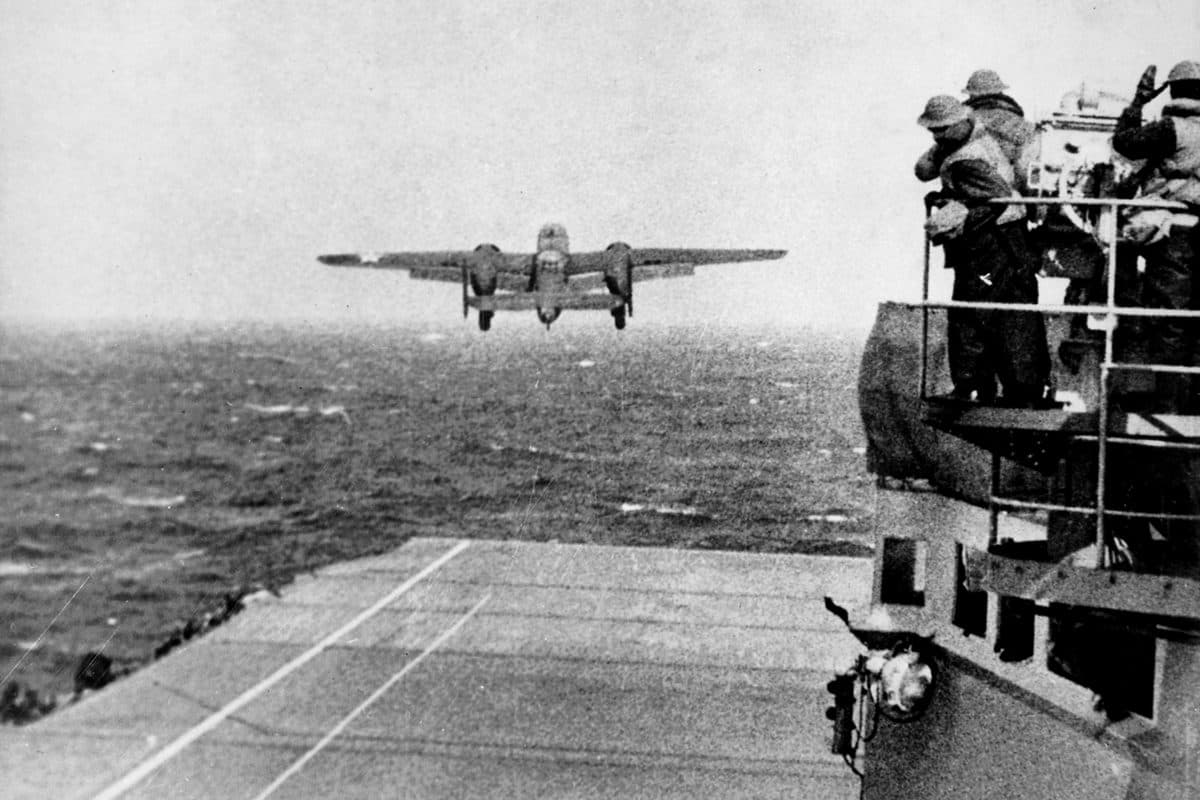
On April 18, 1942, sixteen B-25 Mitchell bombers did something no one thought possible: they launched from the deck of an aircraft carrier, flew 650 miles to Japan, and bombed Tokyo. Every aircraft was lost. The damage was negligible. The consequences changed the war.
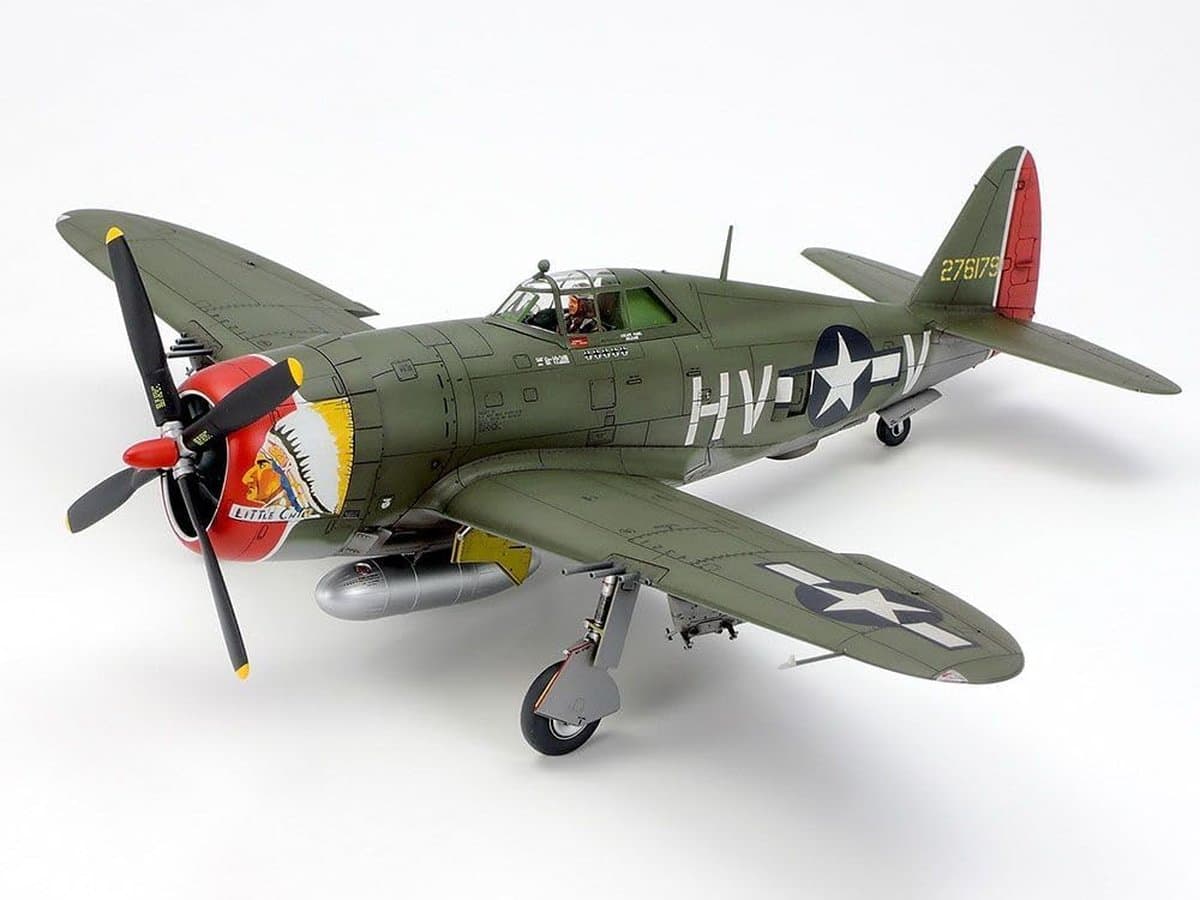
Compare 85+ WW2 scale model kits across aircraft, tanks, and ships. Beginner builds from $9 to museum-grade showpieces at $580. Covers Tamiya, Eduard, HK Models, Trumpeter, and more with honest reviews, trade-offs, and pricing.

On April 7, 1945, the Imperial Japanese Navy sent the largest battleship ever built on a one-way suicide mission to Okinawa. She never arrived. 386 American aircraft found her first, and sank her in under two hours.