



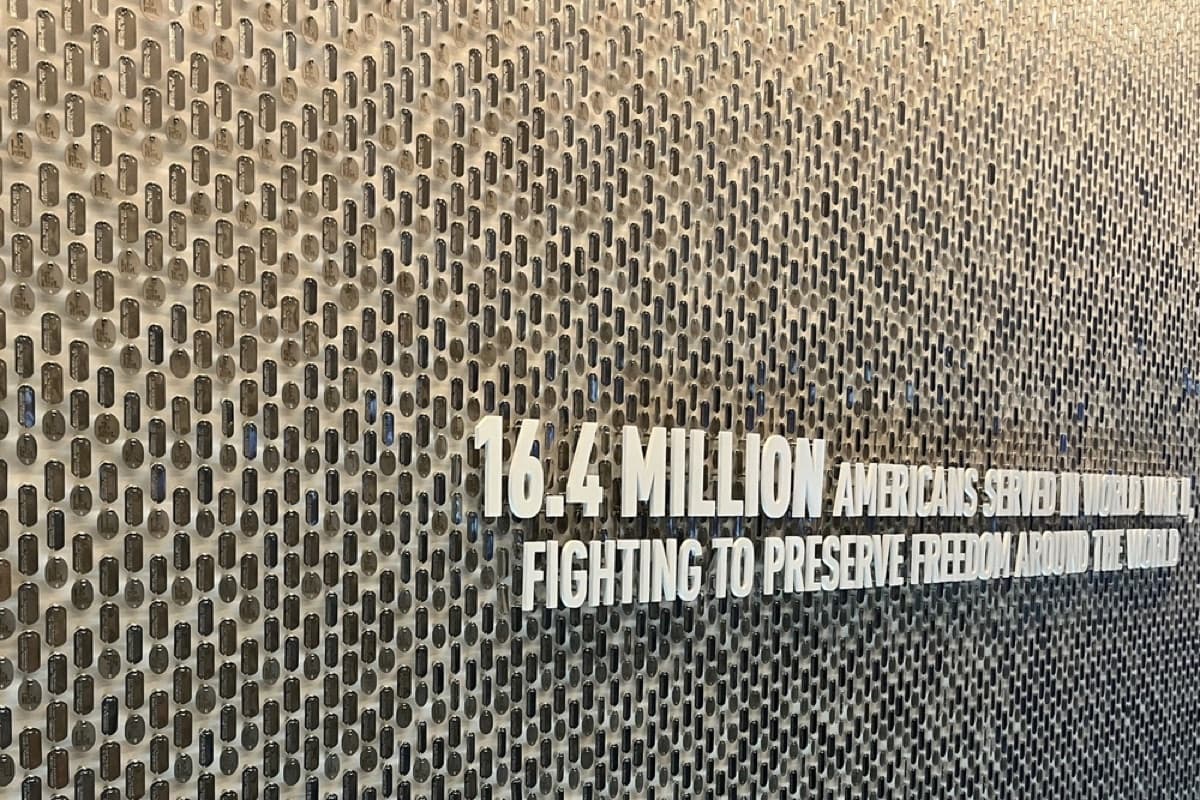
World World 2 Facts: Did You Know These 29 Interesting Details?
Calvin Graham Was Youngest Decorated US Soldier at 12 Pearl Harbor Visitors Bureau “Green Boys” was a term given to soldiers who…
daniel-mercer··27 min read
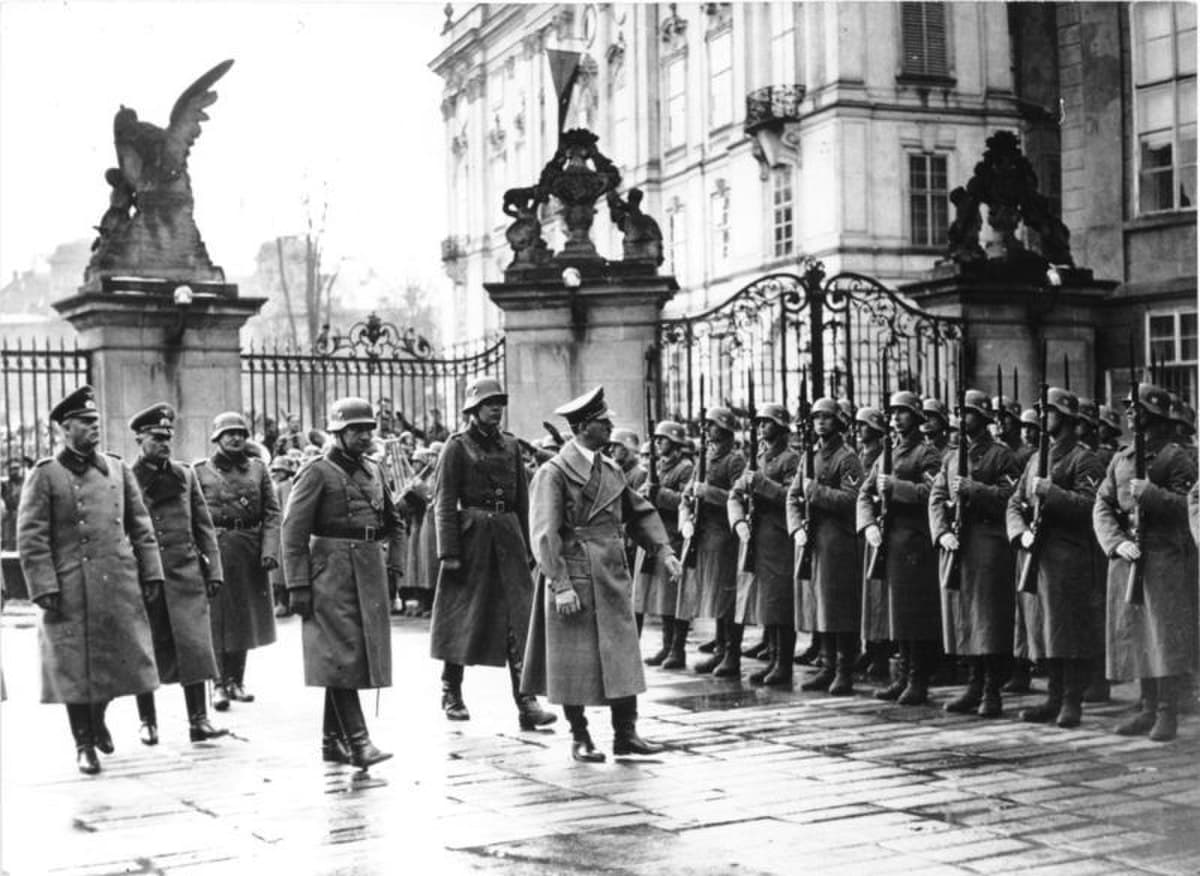
German troops marched into Prague and occupied the remainder of Czechoslovakia, violating the Munich Agreement signed just six months earlier. Hitler declared a "Protectorate of Bohemia and Moravia." This was the moment that finally convinced Britain and France that appeasement had failed, two weeks later, they guaranteed Poland's independence, setting the stage for World War II.
Related articleRoman dictator Julius Caesar was assassinated by a group of senators led by Marcus Brutus and Gaius Cassius at the Theatre of Pompey, stabbed 23 times. Caesar's death plunged the Roman Republic into civil war, ultimately resulting in its transformation into the Roman Empire, the military superpower that would dominate the Western world for five centuries.
Christopher Columbus returned to the Spanish port of Palos after his first voyage to the Americas, bringing news that would reshape global military power for centuries. The discovery triggered an era of colonial military expansion, naval competition, and resource wars that transformed Europe's armies and navies and established the Western military dominance that endured into the twentieth century.
British forces under Lord Cornwallis defeated American forces under General Nathanael Greene in North Carolina, but at a devastating cost, over a quarter of his army was killed or wounded. Charles James Fox declared in Parliament: "Another such victory would destroy the British army." The heavy losses forced Cornwallis to abandon the Carolinas and march to Virginia, where he was trapped at Yorktown.
Related articleAmerican troops under Brigadier General John J. Pershing crossed the Mexican border in pursuit of Pancho Villa, who had raided Columbus, New Mexico, on March 9, killing 18 Americans. The expedition deployed approximately 10,000 troops deep into northern Mexico but never captured Villa. It served as an invaluable training ground for officers who would lead American forces in World War I, including Pershing, George Patton, and others.
Brigadier General John J. Pershing led approximately 10,000 U.S. Army troops across the Mexican border in pursuit of Pancho Villa, who had raided Columbus, New Mexico, six days earlier. The Punitive Expedition employed motorized vehicles, aircraft, and field radio for the first time in U.S. Army operations, serving as a rehearsal for World War I.
Tsar Nicholas II abdicated the Russian throne during the February Revolution, ending 300 years of Romanov rule. The Russian military's catastrophic failures in World War I, millions dead, equipment shortages, collapsing morale, were the primary cause. The abdication led to the Bolshevik Revolution, Russia's exit from WWI, the creation of the Soviet Union, and the entire Cold War.
German troops marched into Prague and occupied the remainder of Czechoslovakia, violating the Munich Agreement signed just six months earlier. Hitler declared a "Protectorate of Bohemia and Moravia." This was the moment that finally convinced Britain and France that appeasement had failed, two weeks later, they guaranteed Poland's independence, setting the stage for World War II.
Related articleGerman forces completed the recapture of Kharkov after days of intense urban combat, as SS Panzer divisions fought building by building through the Soviet Union's fourth-largest city. Field Marshal Manstein's counteroffensive temporarily reversed the momentum of the Soviet winter offensive and proved the Wehrmacht remained a lethal fighting force despite the catastrophe at Stalingrad.
The German Spring Awakening offensive in Hungary, the last major German offensive of World War II, was halted by Soviet forces around Lake Balaton. Hitler had futilely diverted his last operational reserves, including the elite 6th SS Panzer Army, to protect Hungarian oil fields rather than defending Berlin. The offensive's failure left the Eastern Front defenseless.
President Lyndon Johnson addressed a joint session of Congress to demand passage of the Voting Rights Act, invoking the civil rights movement's anthem: "We shall overcome." The speech came eight days after "Bloody Sunday" in Selma, where many beaten demonstrators were veterans, highlighting the contradiction of Black Americans fighting abroad while being denied rights at home.

Major General, U.S. Army / 7th President
Won the Battle of New Orleans, the most decisive American victory of the War of 1812, and fought the Creek War and First Seminole War before becoming president. As a 13-year-old during the Revolution, he was slashed across the face by a British officer for refusing to polish his boots, leaving a scar he carried for life.

Admiral, French Navy
Son of General Charles de Gaulle who served with the Free French Naval Forces during World War II, participating in convoy escort and amphibious operations. Rose to the rank of Admiral in the French Navy and became a senator and author of books about his father's military and political legacy.

Dictator Perpetuo, Roman Republic
The greatest military commander of ancient Rome, who conquered Gaul, invaded Britain, and defeated Pompey in civil war, was assassinated by approximately 60 senators on the Ides of March. Stabbed 23 times in the Theatre of Pompey, his death triggered 17 years of civil wars that destroyed the Roman Republic and gave birth to the Roman Empire.
Wear the Timeline
10 military events occurred on March 15, spanning multiple centuries. Key events include: Germany Occupies Czechoslovakia: The End of Appeasement (1939), Battle of Guilford Courthouse: A Pyrrhic British Victory (1781), Tsar Nicholas II Abdicates: The Russian Revolution Begins (1917), Germans Recapture Kharkov After Days of Savage Street Fighting (1943), Assassination of Julius Caesar: The Ides of March (44).
The most significant military event on March 15 is Germany Occupies Czechoslovakia: The End of Appeasement (1939). German troops marched into Prague and occupied the remainder of Czechoslovakia, violating the Munich Agreement signed just six months earlier. Hitler declared a "Protectorate of Bohemia and Moravia." This was the moment that finally convinced Britain and France that appeasement had failed, two weeks later, they guaranteed Poland's independence, setting the stage for World War II.
Notable military figures born on March 15 include Andrew Jackson (1767–1845), Admiral Philippe de Gaulle (1921–2024).
Events on March 15 span World War II, the Colonial & Revolutionary era, World War I, the Vietnam War, covering 10 events across 4 centuries of military history.
Events on March 15 involve 3 branches of the U.S. and allied armed forces, reflecting the global scope of military operations throughout history.
Explore military history from the day you were born.
June 6
The Allied invasion of Normandy, the largest amphibious assault in history.
December 7
Japan attacks the U.S. Pacific Fleet, bringing America into World War II.
September 11
The deadliest terrorist attack in history transforms U.S. national security.
August 6
The first atomic bomb is dropped on a city, ushering in the nuclear age.
May 8
Nazi Germany surrenders unconditionally, ending World War II in Europe.
November 11
Armistice Day marks the end of World War I and honors all who served.
June 4
The turning point of the Pacific War as the U.S. Navy destroys four Japanese carriers.
July 4
The Declaration of Independence is adopted, sparking the American Revolution.
Calvin Graham Was Youngest Decorated US Soldier at 12 Pearl Harbor Visitors Bureau “Green Boys” was a term given to soldiers who…

Why military size doesn't guarantee victory in modern warfare.
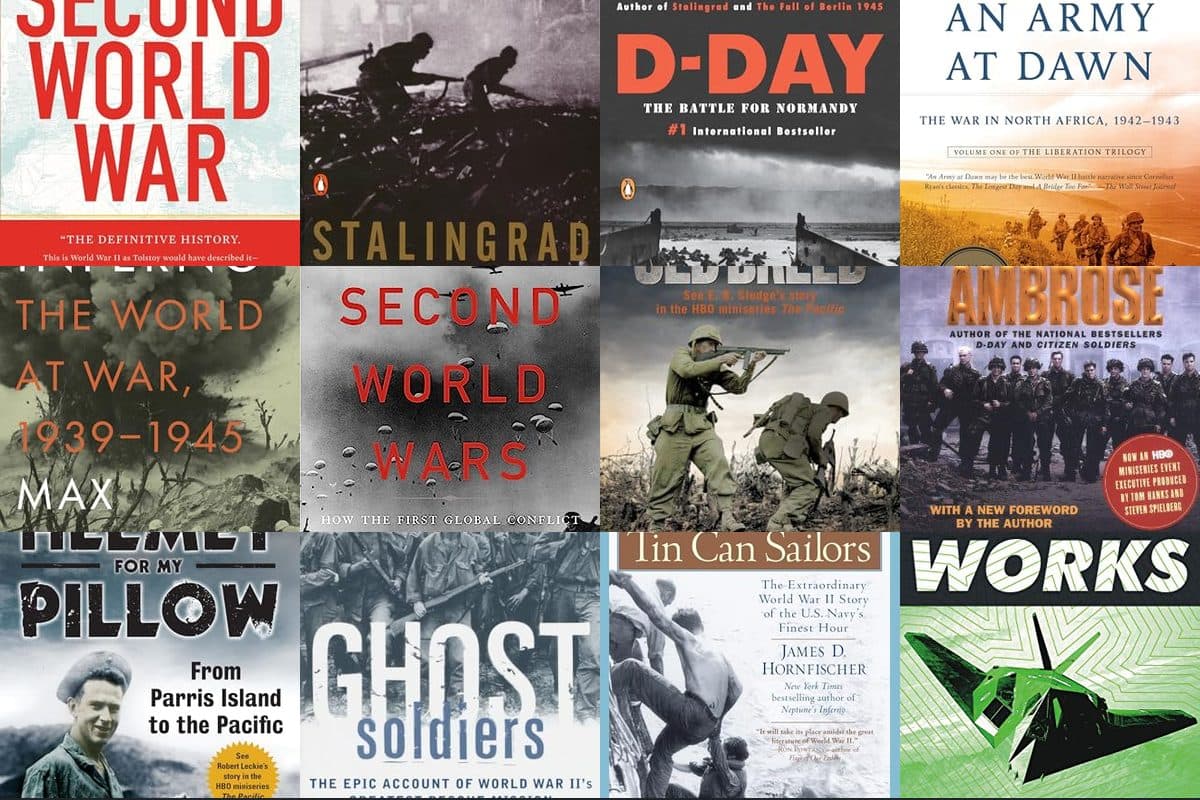
15 essential WW2 books covering every theater. Narrative histories, memoirs, and visual references ranked.
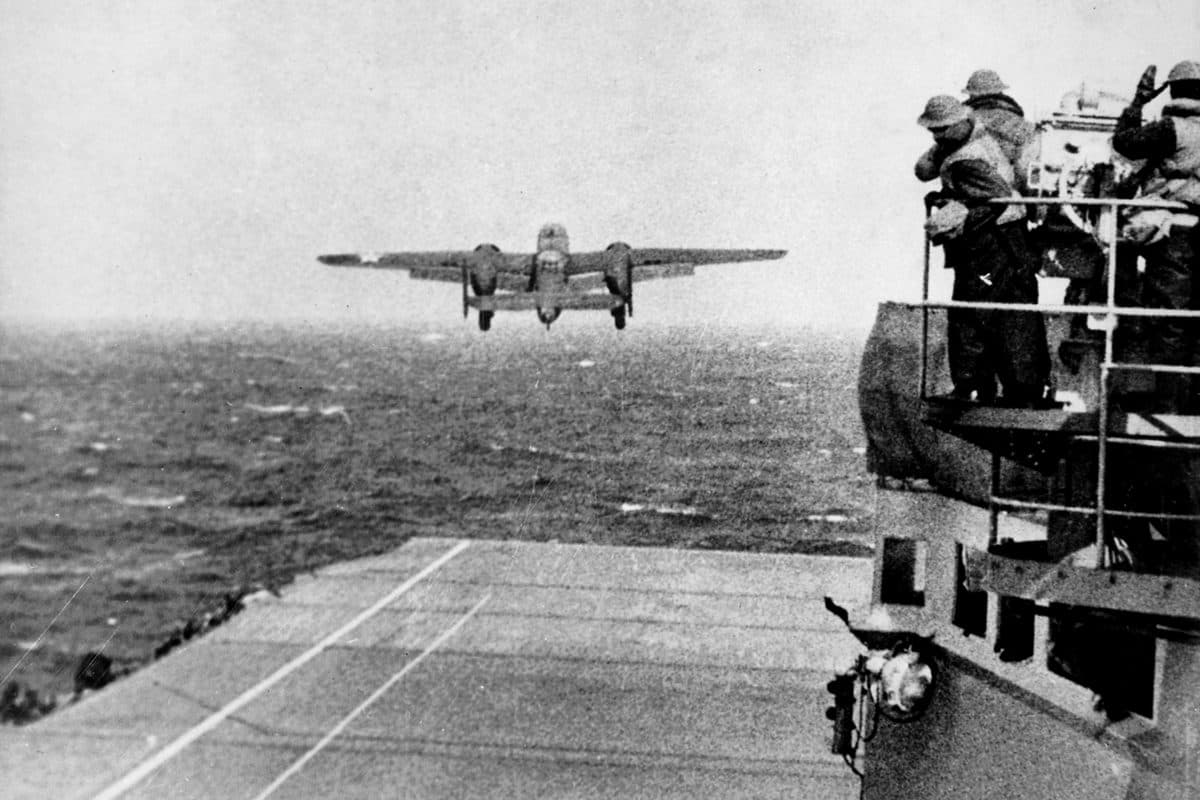
On April 18, 1942, sixteen B-25 Mitchell bombers did something no one thought possible: they launched from the deck of an aircraft carrier, flew 650 miles to Japan, and bombed Tokyo. Every aircraft was lost. The damage was negligible. The consequences changed the war.