

15 Best World War II Books for History Enthusiasts (2026)
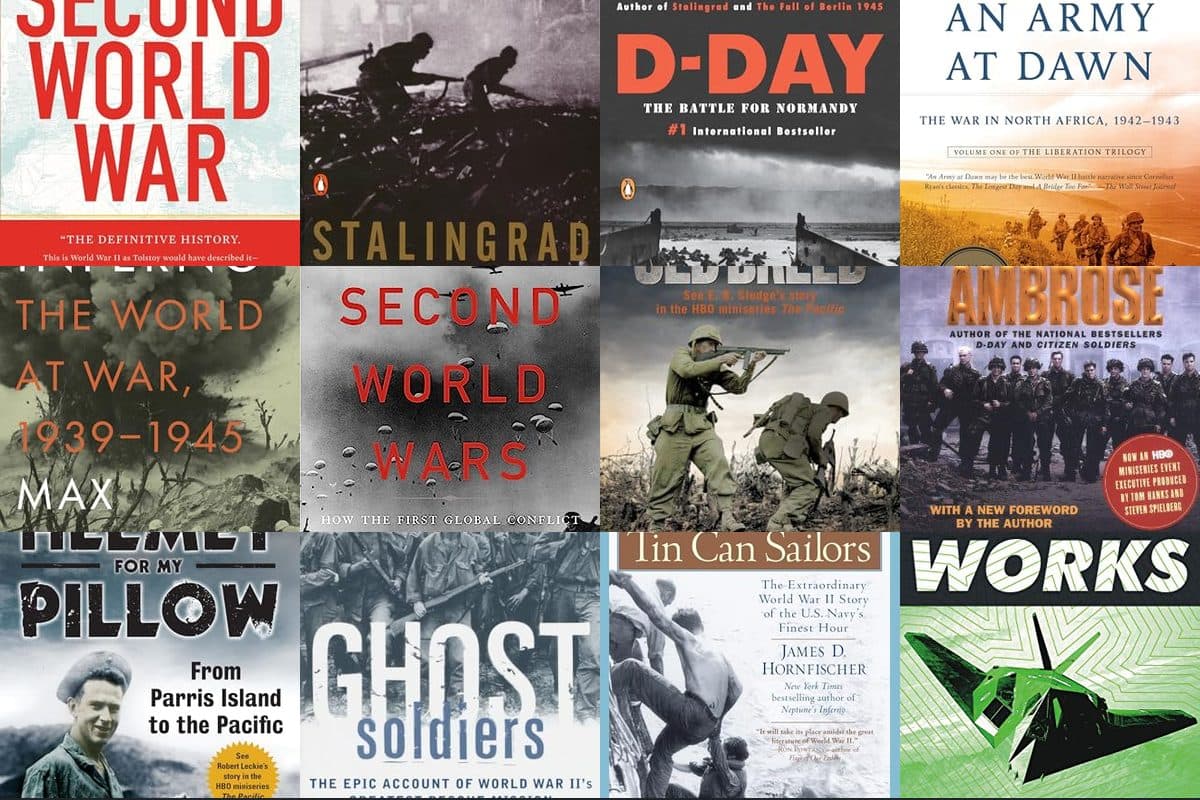
15 essential WW2 books covering every theater. Narrative histories, memoirs, and visual references ranked.
daniel-mercer··21 min read

The first group of German rocket scientists recruited under Operation Paperclip arrived at Fort Bliss, Texas, including Wernher von Braun and over 100 engineers who had designed the V-2 rocket. The secret program, which ultimately brought over 1,600 German scientists, engineers, and technicians to the United States, provided the foundation for America's ballistic missile and space programs during the Cold War.
A force of 8,000 Hessian and British troops stormed Fort Washington on the northern tip of Manhattan, overwhelming its 2,900 Continental defenders. The fall of the last American position on Manhattan was a devastating blow: 59 Americans were killed and 2,837 captured, along with large quantities of weapons and supplies desperately needed by Washington's shrinking army.
Scottish missionary David Livingstone became the first European to see Mosi-oa-Tunya, which he named Victoria Falls. His explorations opened central Africa to European colonization and the "Scramble for Africa" that followed, triggering a century of military conflicts between European powers and African peoples.
Major General Ambrose Burnside began moving the Army of the Potomac southeast from Warrenton toward Falmouth and Fredericksburg, Virginia, executing the first major decision of his command. The operational choice depended on pontoon bridges that failed to arrive in time, surrendering the initiative that led to the catastrophic December frontal assault.
The Federal Reserve System opened for business, providing the financial infrastructure that would prove critical to financing American military operations in both World Wars. The ability to manage monetary policy and issue war bonds through the Federal Reserve gave the United States a decisive financial advantage over its adversaries.
The U.S. First and Ninth Armies launched a massive offensive toward the Roer River in the Hürtgen Forest and across the plains toward the Rhine. The campaign, one of the costliest American operations in Europe, would cost over 33,000 casualties in the Hürtgen Forest alone before the Battle of the Bulge temporarily halted the advance.
XX Bomber Command launched a major daylight strike from Chinese bases against the Mitsubishi Jukogyo aircraft factory at Omura on Kyushu, Japan. The mission tested B-29 long-range endurance against heavily defended Japanese industrial targets and accelerated the shift of strategic bombing operations from China to the Mariana Islands.
The first group of German rocket scientists, including Wernher von Braun, arrived at Fort Bliss under Operation Paperclip, providing the foundation for America's missile and space programs.
The Soviet Union launched Venera 3, the first spacecraft designed to land on another planet. The probe demonstrated long-duration deep-space communication, guidance, and heat-shield technology that flowed directly into Soviet and American strategic missile reentry vehicle and post-boost vehicle development during the Cold War.
NASA launched Skylab 4 atop a Saturn IB rocket, carrying astronauts Gerald Carr, Edward Gibson, and William Pogue on what became the longest American crewed spaceflight of the era, 84 days. The mission demonstrated long-duration human spaceflight capabilities with direct military reconnaissance implications.
The unmanned NASA X-43A scramjet aircraft reached Mach 9.6, setting the speed record for an air-breathing aircraft. The flight demonstrated hypersonic scramjet technology with profound military implications for future weapons systems, including hypersonic cruise missiles capable of reaching any point on Earth within hours.

British politician and World War I veteran who served as a pilot and then infantry officer, being shot through the leg at Loos. He later founded the British Union of Fascists in 1932. Imprisoned without trial under Defence Regulation 18B during World War II from 1940 to 1943, Mosley remains a cautionary example of how wartime radicalization can corrupt military honor.

Major General
Brilliant and eccentric British Army officer who pioneered unconventional warfare tactics in Palestine, Ethiopia, and Burma. Wingate created the Chindits, long-range penetration groups that operated behind Japanese lines in the Burma campaign, supplied entirely by air. His innovative concepts of deep penetration warfare influenced post-war special operations doctrine. He was killed in a plane crash in India in March 1944 at age 41, before seeing the ultimate success of his Burma strategy.

Hollywood's biggest star who enlisted in the U.S. Army Air Forces after his wife Carole Lombard was killed in a plane crash while selling war bonds. At age 41, Gable flew five combat missions over Germany as an aerial gunner-observer in B-17s, earning the Distinguished Flying Cross and the Air Medal. Hitler reportedly offered a reward for his capture.
Wear the Timeline
10 military events occurred on November 16, spanning multiple centuries. Key events include: Operation Paperclip Scientists Arrive in America (1945), The Battle of Fort Washington (1776), Allied Offensive Toward the Roer River (1944), Burnside Commits the Army of the Potomac to Fredericksburg (1862).
The most significant military event on November 16 is Operation Paperclip: German Scientists Arrive in America (1945). The first group of German rocket scientists recruited under Operation Paperclip arrived at Fort Bliss, Texas, including Wernher von Braun and over 100 engineers who had designed the V-2 rocket. The secret program, which ultimately brought over 1,600 German scientists, engineers, and technicians to the United States, provided the foundation for America's ballistic missile and space programs during the Cold War.
Notable military figures born on November 16 include Oswald Mosley (1896–1980), Orde Wingate (1903–1944).
Events on November 16 span World War II, the Colonial & Revolutionary era, World War I, the Interwar Period, the Modern Era, the Civil War, the Cold War, covering 10 events across 4 centuries of military history.
Events on November 16 involve 3 branches of the U.S. and allied armed forces, reflecting the global scope of military operations throughout history.
Explore military history from the day you were born.
June 6
The Allied invasion of Normandy, the largest amphibious assault in history.
December 7
Japan attacks the U.S. Pacific Fleet, bringing America into World War II.
September 11
The deadliest terrorist attack in history transforms U.S. national security.
August 6
The first atomic bomb is dropped on a city, ushering in the nuclear age.
May 8
Nazi Germany surrenders unconditionally, ending World War II in Europe.
November 11
Armistice Day marks the end of World War I and honors all who served.
June 4
The turning point of the Pacific War as the U.S. Navy destroys four Japanese carriers.
July 4
The Declaration of Independence is adopted, sparking the American Revolution.
15 essential WW2 books covering every theater. Narrative histories, memoirs, and visual references ranked.
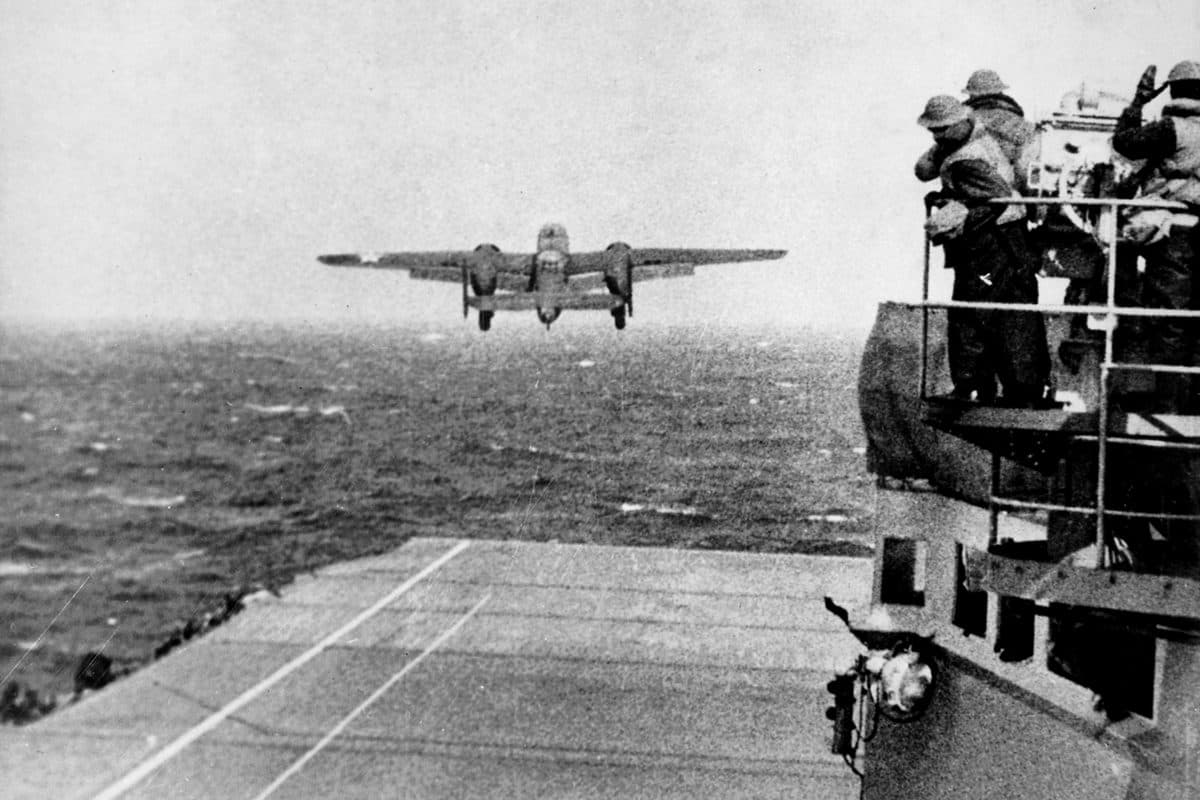
On April 18, 1942, sixteen B-25 Mitchell bombers did something no one thought possible: they launched from the deck of an aircraft carrier, flew 650 miles to Japan, and bombed Tokyo. Every aircraft was lost. The damage was negligible. The consequences changed the war.
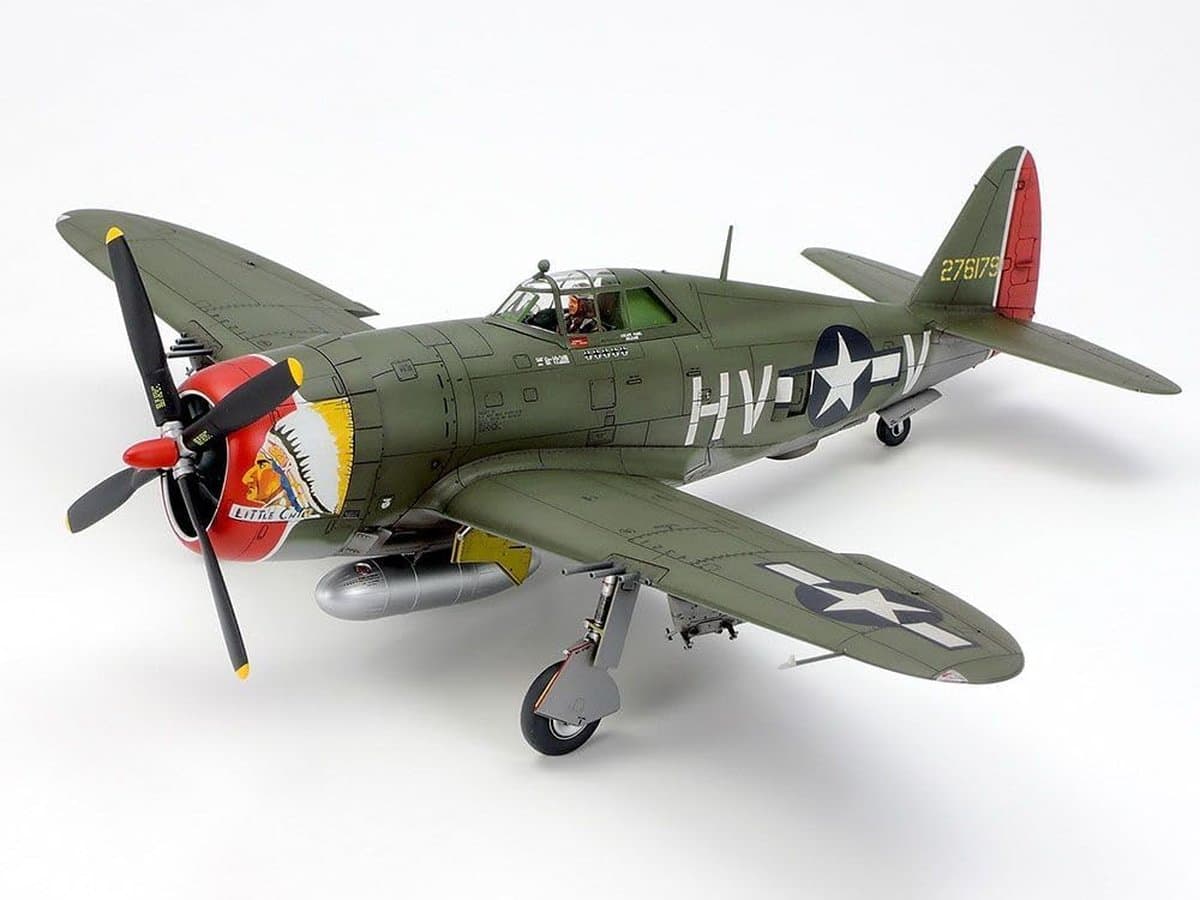
Compare 85+ WW2 scale model kits across aircraft, tanks, and ships. Beginner builds from $9 to museum-grade showpieces at $580. Covers Tamiya, Eduard, HK Models, Trumpeter, and more with honest reviews, trade-offs, and pricing.

On April 7, 1945, the Imperial Japanese Navy sent the largest battleship ever built on a one-way suicide mission to Okinawa. She never arrived. 386 American aircraft found her first, and sank her in under two hours.