

15 Best World War II Books for History Enthusiasts (2026)
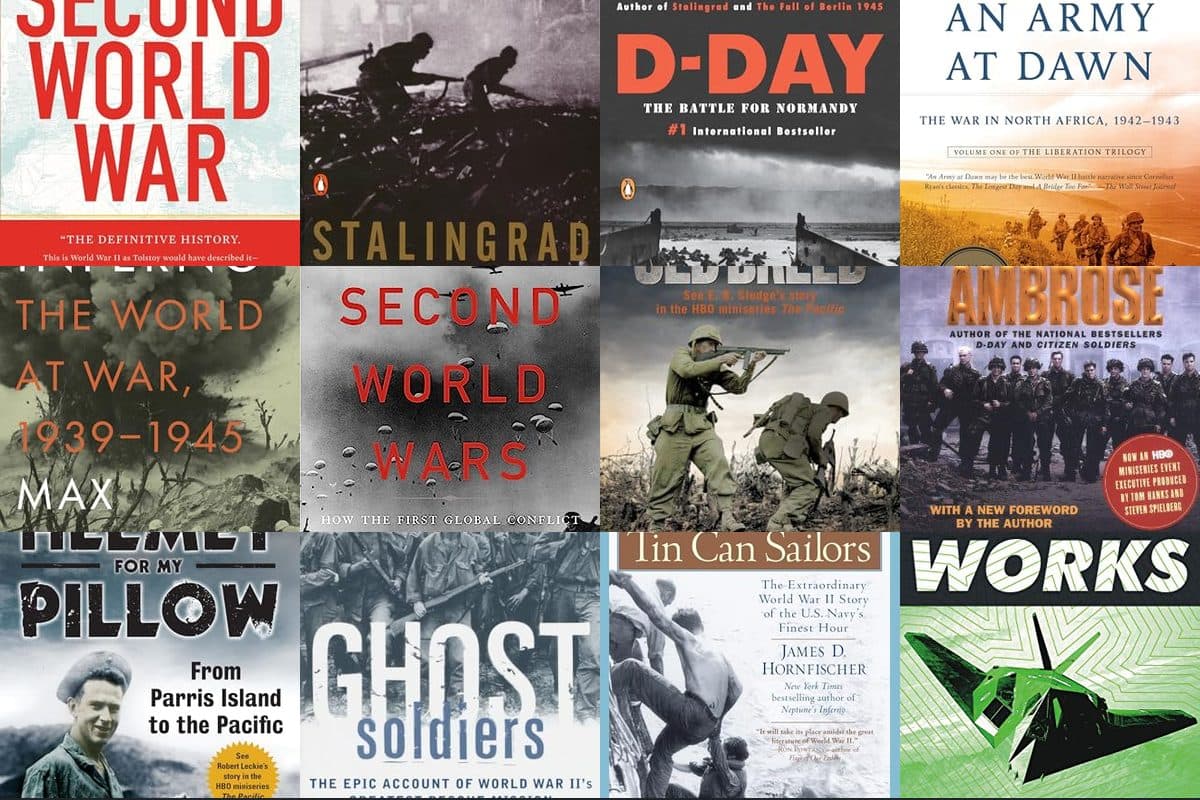
15 essential WW2 books covering every theater. Narrative histories, memoirs, and visual references ranked.
daniel-mercer··21 min read

The B-29 Superfortress Enola Gay, piloted by Colonel Paul Tibbets, dropped the uranium bomb "Little Boy" on the Japanese city of Hiroshima at 8:15 AM local time. The explosion killed an estimated 80,000 people instantly, with total deaths reaching 140,000 by the end of 1945. It was the first use of a nuclear weapon in warfare and fundamentally altered the nature of international conflict.
The Genoese fleet decisively defeated the Pisan fleet at the Battle of Meloria off the Tuscan coast, ending Pisa's status as a major Mediterranean naval power. The defeat reshaped Italian maritime power and shifted the balance of trade and naval influence in the western Mediterranean to Genoa for the next two centuries.
American militia under Brigadier General Nicholas Herkimer clashed with a British and Iroquois force near Fort Stanwix in one of the bloodiest engagements of the Revolutionary War. Herkimer was mortally wounded but continued directing the battle propped against a tree. The costly British ambush ultimately failed to relieve the siege of Fort Stanwix and helped derail the British strategy to split the colonies along the Hudson Valley.
Emperor Francis II abdicated the throne of the Holy Roman Empire and dissolved the thousand-year political structure under pressure from Napoleon. The dissolution swept away dozens of small German military forces and accelerated the consolidation of Prussia and Austria as the dominant German military powers of the nineteenth century.
The Confederate ironclad CSS Arkansas, having already fought through the entire Union fleet above Vicksburg, engaged Union vessels during a failed attempt to destroy her. The Arkansas's audacious run through dozens of Union warships on July 15 and her continued defiance at Vicksburg embarrassed the Union Navy and delayed Union control of the Mississippi River.
Rear Admiral David G. Farragut's Union squadron forced its way into Mobile Bay, Alabama, against Confederate fortifications and minefields. The monitor USS Tecumseh struck a Confederate torpedo (mine) and sank rapidly with most of her crew, after which Farragut famously ordered, "Damn the torpedoes, full speed ahead."
William Kemmler became the first person executed by electric chair at Auburn Prison in New York. The execution was partly the result of the "War of Currents" between Thomas Edison and George Westinghouse. The U.S. military later adopted electrocution as a method of execution, and the event marked the intersection of emerging electrical technology with the state's power over life and death.
Austria-Hungary declared war on Russia, widening the conflict that had begun with the assassination of Archduke Franz Ferdinand. This declaration completed the alignment of the major European alliance systems and transformed a regional Balkan crisis into a continental war that would eventually engulf the world.
Australian and New Zealand troops launched the Battle of Lone Pine on the Gallipoli peninsula, a diversionary assault to support the larger August Offensive. The brutal close-quarters fighting in Turkish trenches earned seven Victoria Crosses and became a foundational episode in Australian military identity.
American swimmer Gertrude Ederle completed the first female crossing of the English Channel on August 6, 1926, beating the existing men's record by nearly two hours. Her demonstration of open-water endurance influenced Allied combat swimmer training in the Second World War and the later development of military swimmer doctrine.
The National Broadcasting Company began operations as the first nationwide radio network in the United States. Within fifteen years NBC and its rivals would carry the news of Pearl Harbor, the fireside chats of Franklin Roosevelt, and the live broadcasts of D-Day, fundamentally reshaping how Americans experienced war.
The Soviet Union completed the formal annexation of the three Baltic states under the terms of the secret Molotov-Ribbentrop protocols. The Baltic militaries were absorbed into the Red Army, thousands of officers were executed or deported, and Soviet forces began constructing the bases that would shape Eastern European security for fifty years.
U.S. Marines completed the captured Japanese airstrip on Guadalcanal and renamed it Henderson Field in honor of Major Lofton Henderson, a Marine aviator killed at Midway. The airstrip became the strategic prize of the entire Guadalcanal campaign, controlling it meant controlling the skies over the southern Solomon Islands.
The Polish Home Army's rising against the German garrison in Warsaw, launched on August 1, continued into its sixth day with insurgents controlling much of the city center. The uprising would last 63 days before being crushed, with German forces destroying roughly 85 percent of the city as Soviet forces stood by across the Vistula.
Survivors of the cruiser USS Indianapolis, sunk by a Japanese submarine on July 30, continued to die in the open Pacific from shark attacks, dehydration, and exposure. Of the 1,196 crew aboard, only 316 survived, rescued on August 2 after nearly five days in the water. It remains the worst loss of life at sea from a single ship in U.S. Navy history.
At 8:15 a.m. local time, bombardier Major Thomas Ferebee released the Little Boy uranium gun-type weapon from the B-29 Enola Gay over Hiroshima, beginning the events that ended the Pacific War and opened the nuclear age. The weapon detonated 43 seconds later at approximately 1,900 feet above the city.
The Soviet General Staff issued the operational orders for the invasion of Japanese-held Manchuria, an offensive that would begin three days later and shatter the Kwantung Army within a week. The collapse of Japanese power on the mainland was a critical factor in Tokyo's decision to surrender.
Soviet cosmonaut Gherman Titov became the second person to orbit the Earth aboard Vostok 2, completing 17 orbits in just over 25 hours. His flight demonstrated that humans could eat, sleep, and function during extended spaceflight, capabilities essential for military and intelligence applications of space that both superpowers were racing to develop.
Jamaica became independent from the United Kingdom, joining the Commonwealth as a sovereign state. The transition reshaped Caribbean security arrangements during the Cold War and created a new partner for U.S. and British naval and security cooperation in the western Caribbean approaches.
The U.S. House of Representatives approved the Gulf of Tonkin Resolution by a vote of 416 to 0, granting President Lyndon Johnson broad authority to commit American military forces in Southeast Asia. The Senate had approved it the previous day. The resolution became the legal foundation for the major American military commitment in Vietnam.
The United Nations Security Council passed Resolution 661, imposing comprehensive economic sanctions on Iraq following its invasion of Kuwait on August 2. The sanctions were the beginning of the international coalition-building effort that led to Operation Desert Shield and, ultimately, the Gulf War in January 1991.
British engineer Tim Berners-Lee publicly described the World Wide Web project on the alt.hypertext newsgroup, marking the formal launch of an information system that would reshape every dimension of modern military operations from intelligence to command and control to logistics.
Mauritanian military officers led by General Mohamed Ould Abdel Aziz overthrew the civilian government of President Sidi Ould Cheikh Abdallahi, ending the country's brief experiment with democratic rule. The coup complicated American counterterrorism cooperation with Mauritania at a moment when al-Qaeda in the Islamic Maghreb was expanding across the Sahel.
A CH-47 Chinook helicopter call sign Extortion 17 was shot down by a Taliban RPG in Wardak Province, Afghanistan, killing all 38 people on board including 17 Navy SEALs from SEAL Team Six, the unit that had killed Osama bin Laden three months earlier. It was the single deadliest loss for U.S. forces in the entire Afghan war.
NASA's Mars Science Laboratory rover Curiosity touched down in Gale Crater on Mars, completing the most ambitious robotic landing yet attempted. The Sky Crane landing system, autonomous navigation, and nuclear-powered design pushed the boundaries of capabilities that have since influenced military unmanned ground vehicle programs.

Scottish bacteriologist who served as a captain in the Royal Army Medical Corps during World War I, where he witnessed countless soldiers die from infected wounds. His wartime experience directly motivated his research into antibacterial substances, leading to the discovery of penicillin in 1928, the drug that saved millions of Allied soldiers' lives in World War II.

Private
Legendary baseball pitcher who holds the all-time record for career wins (511). While not primarily known for military service, the award named after him has been given to numerous veterans, and Major League Baseball has maintained deep ties to the military since the Civil War era.

Private
Hollywood actor who served in the U.S. Army during World War II at Fort MacArthur, California. He starred in numerous war films including The Longest Day (1962), where he played Brigadier General Norman Cota during the D-Day landings.

Pope from 1963 to 1978 who served during the turbulent Vietnam War era, repeatedly calling for peace and negotiation. His 1965 address to the United Nations General Assembly, "No more war, war never again!", became one of the most famous anti-war statements of the Cold War period.

Colonel
British-born U.S. Army officer who served with distinction as a platoon leader in the Ia Drang Valley battle in Vietnam (1965). As head of security for Morgan Stanley at the World Trade Center, he predicted the 9/11 attacks and personally evacuated 2,687 employees before the towers collapsed, dying in the process. He is considered one of the greatest heroes of both Vietnam and 9/11.
Wear the Timeline
24 military events occurred on August 6, spanning multiple centuries. Key events include: Battle of Oriskany (1777), Austria-Hungary Declares War on Russia (1914), USS Indianapolis Survivors Still Adrift (1945), UN Security Council Imposes Sanctions on Iraq (1990), Extortion 17 Shootdown in Afghanistan (2011).
The most significant military event on August 6 is Atomic Bombing of Hiroshima (1945). The B-29 Superfortress Enola Gay, piloted by Colonel Paul Tibbets, dropped the uranium bomb "Little Boy" on the Japanese city of Hiroshima at 8:15 AM local time. The explosion killed an estimated 80,000 people instantly, with total deaths reaching 140,000 by the end of 1945. It was the first use of a nuclear weapon in warfare and fundamentally altered the nature of international conflict.
Notable military figures born on August 6 include Alexander Fleming (1881–1955), Cy Young (1867–1955), Robert Mitchum (1917–1997).
Events on August 6 span the Colonial & Revolutionary era, the Civil War, World War I, World War II, the Cold War, the Modern Era, the Interwar Period, the Vietnam War, covering 24 events across 5 centuries of military history.
Events on August 6 involve 6 branches of the U.S. and allied armed forces, reflecting the global scope of military operations throughout history.
Explore military history from the day you were born.
June 6
The Allied invasion of Normandy, the largest amphibious assault in history.
December 7
Japan attacks the U.S. Pacific Fleet, bringing America into World War II.
September 11
The deadliest terrorist attack in history transforms U.S. national security.
May 8
Nazi Germany surrenders unconditionally, ending World War II in Europe.
November 11
Armistice Day marks the end of World War I and honors all who served.
June 4
The turning point of the Pacific War as the U.S. Navy destroys four Japanese carriers.
July 4
The Declaration of Independence is adopted, sparking the American Revolution.
15 essential WW2 books covering every theater. Narrative histories, memoirs, and visual references ranked.
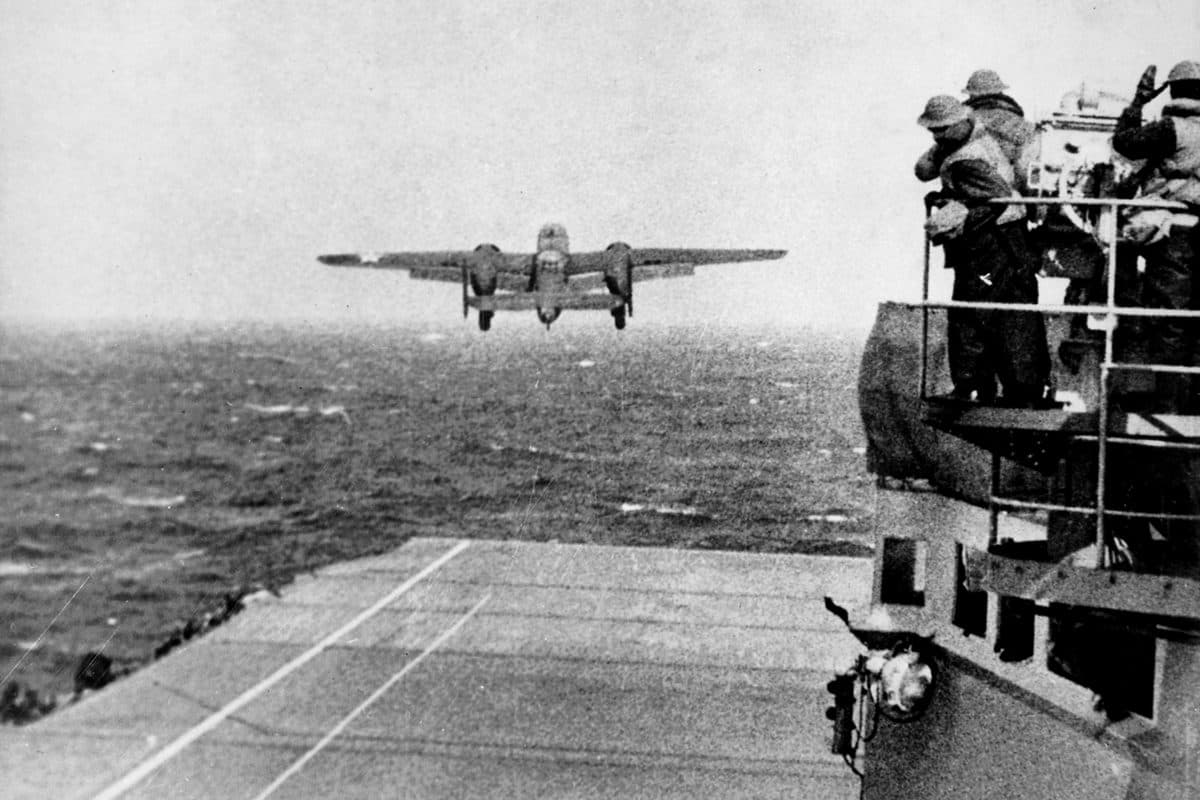
On April 18, 1942, sixteen B-25 Mitchell bombers did something no one thought possible: they launched from the deck of an aircraft carrier, flew 650 miles to Japan, and bombed Tokyo. Every aircraft was lost. The damage was negligible. The consequences changed the war.
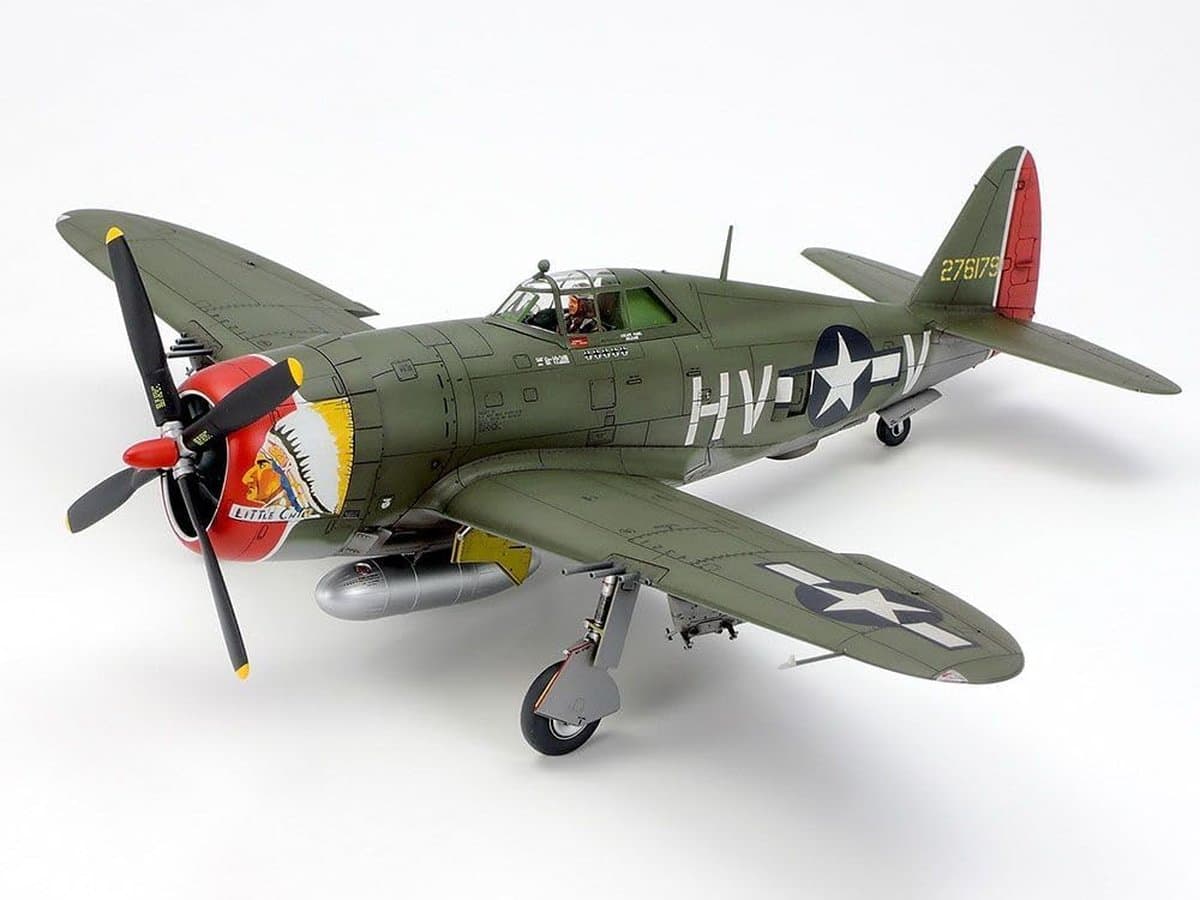
Compare 85+ WW2 scale model kits across aircraft, tanks, and ships. Beginner builds from $9 to museum-grade showpieces at $580. Covers Tamiya, Eduard, HK Models, Trumpeter, and more with honest reviews, trade-offs, and pricing.

On April 7, 1945, the Imperial Japanese Navy sent the largest battleship ever built on a one-way suicide mission to Okinawa. She never arrived. 386 American aircraft found her first, and sank her in under two hours.