

50 Military Decisions That Quietly Shaped Modern Warfare
Decisions that shaped modern military power across history.
ryan-caldwell··45 min read

Japanese Foreign Minister Mamoru Shigemitsu and General Yoshijiro Umezu signed the Instrument of Surrender aboard the USS Missouri (BB-63) in Tokyo Bay, formally ending the Second World War. General Douglas MacArthur presided over the ceremony as Supreme Commander of the Allied Powers, with representatives from nine Allied nations witnessing the signing.
Union forces under Major General William Tecumseh Sherman completed the capture of Atlanta, Georgia, after a four-month campaign of maneuver and battle. Confederate General John Bell Hood had evacuated the city the previous day, destroying military supplies and ammunition trains. The fall of Atlanta electrified the North, virtually guaranteeing Lincoln's reelection in November and dooming the Confederacy's last political hope for a negotiated peace.
Decisions That Shaped WarfareUnion Major General Henry Slocum led the XX Corps of the Army of the Cumberland into Atlanta a day after Confederate forces evacuated the city. Slocum accepted the surrender from Mayor James Calhoun and raised the US flag over the courthouse. The formal occupation secured the rail hub that had been the campaign's strategic objective for four months.
Prussian and German forces under Helmuth von Moltke encircled and destroyed the French Army of Chalons at Sedan, capturing Emperor Napoleon III and 104,000 French troops. The victory effectively ended the Franco-Prussian War's main field campaign and precipitated the fall of the French Second Empire two days later. Sedan became a template for the envelopment operations German staffs would refine for seventy years.
A British-Egyptian force of 25,000 under General Sir Herbert Kitchener decisively defeated a Mahdist army of 50,000 at Omdurman in Sudan. British Maxim guns, artillery, and disciplined firepower destroyed the attacking Mahdist forces, killing approximately 12,000 while suffering fewer than 500 casualties. A young cavalry officer named Winston Churchill participated in one of the last great cavalry charges in British military history during the battle.
Vice President Theodore Roosevelt delivered his most famous foreign policy speech at the Minnesota State Fair, introducing the phrase speak softly and carry a big stick as the articulation of the doctrine that would define his presidency. Twelve days later McKinley died of his assassin's wounds and Roosevelt became the 26th President. The Big Stick policy shaped the expansion of the US Navy and American interventions across the Caribbean basin for the next decade.
Navy pilot Lieutenant (j.g.) George H.W. Bush was shot down by Japanese anti-aircraft fire while attacking a radio transmitter on Chichijima in the Bonin Islands. Bush completed his bombing run despite his aircraft being on fire, then bailed out over the ocean. He was rescued by the submarine USS Finback after floating for hours in a life raft. His two crewmates did not survive.
Patton's Third Army crossed the Meuse River and liberated Verdun, the site of the 1916 battle that had defined the First World War for France. The advance brought US armored columns within striking distance of the German border and the Siegfried Line. Fuel shortages imposed by the Normandy supply chain would halt the advance within days, a logistics failure that allowed Germany to rebuild its western defenses.
Japanese Foreign Minister Mamoru Shigemitsu and General Yoshijiro Umezu signed the Instrument of Surrender aboard the USS Missouri (BB-63) in Tokyo Bay, formally ending the Second World War.
On the same day as the Japanese surrender ceremony in Tokyo Bay, Ho Chi Minh proclaimed the independence of Vietnam from French colonial rule in Hanoi, deliberately echoing the American Declaration of Independence. The declaration set the stage for thirty years of conflict, first the French Indochina War, then the American Vietnam War, that would cost millions of lives.
The U.S. Air Force began operating the first airborne command post, known as "Looking Glass," an EC-135C aircraft that maintained continuous airborne alert for nearly three decades. The mission ensured that the U.S. nuclear command and control system could survive a Soviet first strike and authorize retaliation. Looking Glass flights continued uninterrupted for 29 years until 1990.

Korean independence activist who organized the Committee for the Preparation of Korean Independence in 1945 and briefly led the short-lived People's Republic of Korea. A moderate nationalist, he sought to unify the Korean peninsula before it was divided into Soviet and American zones of occupation.

Major General
U.S. Army officer who served as Inspector General during World War I and later as judge advocate. He played a key administrative role in the expansion of the Army during both world wars.

English explorer whose 1609 voyage up the river that bears his name established Dutch claims to the region that would become New York. His voyages were backed by military-commercial interests seeking the Northwest Passage and laid the groundwork for colonial rivalries that shaped North American history.
Wear the Timeline
10 military events occurred on September 2, spanning multiple centuries. Key events include: Japan Formally Surrenders, End of World War II (1945), Sherman Captures Atlanta (1864), Battle of Omdurman (1898), Ho Chi Minh Declares Vietnamese Independence (1945), Battle of Sedan, Napoleon III Captured (1870).
The most significant military event on September 2 is Japan Formally Surrenders, End of World War II (1945). Japanese Foreign Minister Mamoru Shigemitsu and General Yoshijiro Umezu signed the Instrument of Surrender aboard the USS Missouri (BB-63) in Tokyo Bay, formally ending the Second World War. General Douglas MacArthur presided over the ceremony as Supreme Commander of the Allied Powers, with representatives from nine Allied nations witnessing the signing.
Notable military figures born on September 2 include Lyuh Woon-hyung (1886–1947), Henry Royall (1876–1946).
Events on September 2 span World War II, the Civil War, the Interwar Period, the Cold War, covering 10 events across 2 centuries of military history.
Events on September 2 involve 4 branches of the U.S. and allied armed forces, reflecting the global scope of military operations throughout history.
Explore military history from the day you were born.
June 6
The Allied invasion of Normandy, the largest amphibious assault in history.
December 7
Japan attacks the U.S. Pacific Fleet, bringing America into World War II.
September 11
The deadliest terrorist attack in history transforms U.S. national security.
August 6
The first atomic bomb is dropped on a city, ushering in the nuclear age.
May 8
Nazi Germany surrenders unconditionally, ending World War II in Europe.
November 11
Armistice Day marks the end of World War I and honors all who served.
June 4
The turning point of the Pacific War as the U.S. Navy destroys four Japanese carriers.
July 4
The Declaration of Independence is adopted, sparking the American Revolution.
Decisions that shaped modern military power across history.
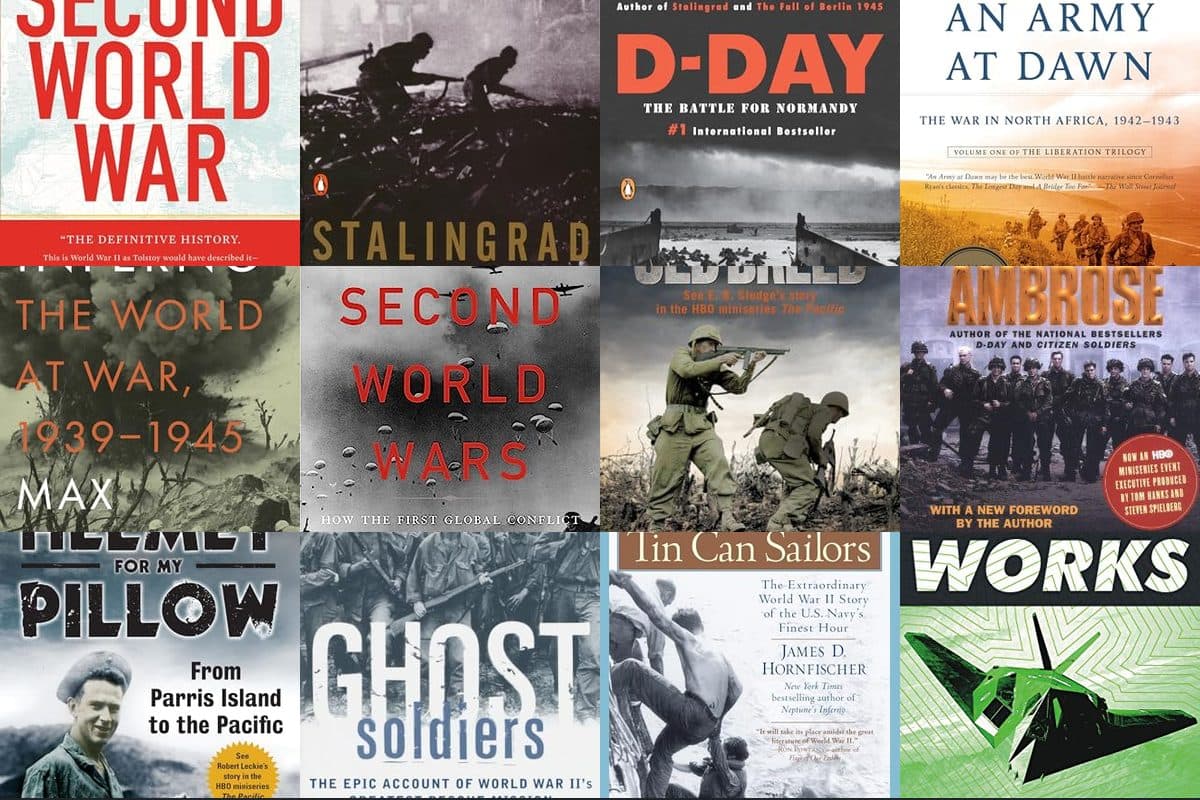
15 essential WW2 books covering every theater. Narrative histories, memoirs, and visual references ranked.
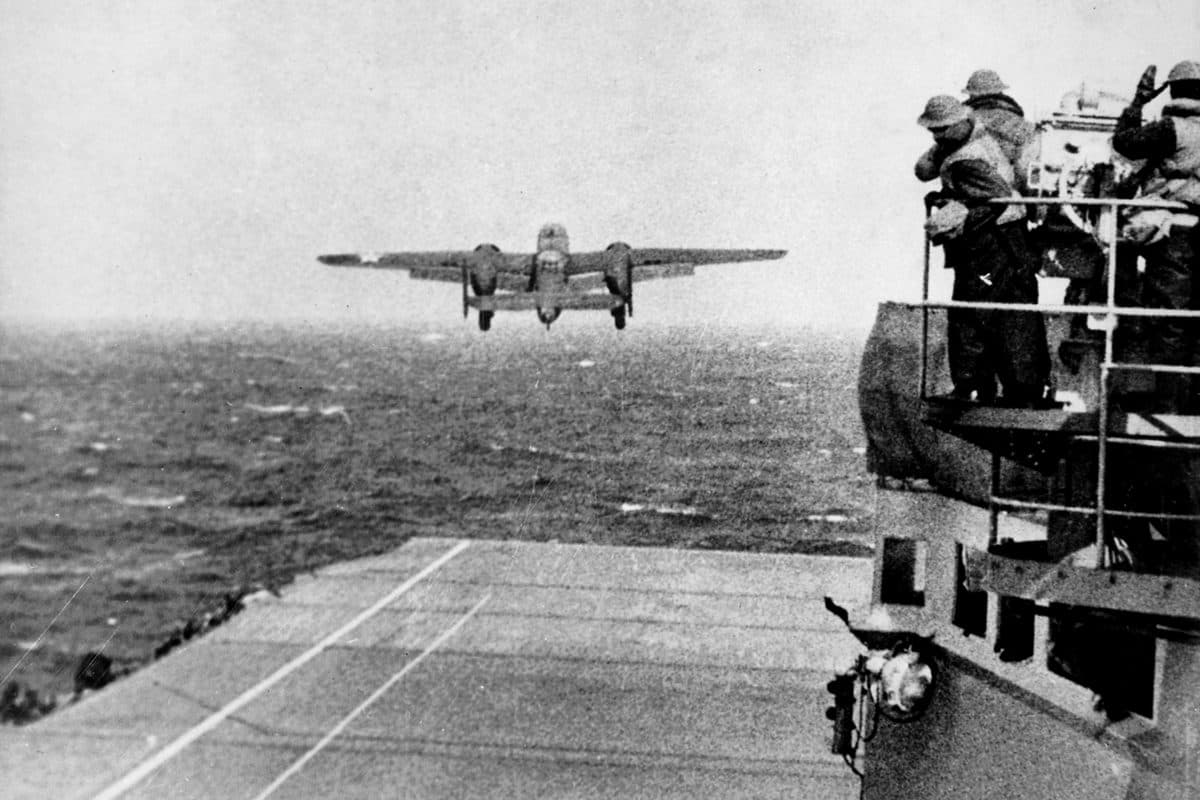
On April 18, 1942, sixteen B-25 Mitchell bombers did something no one thought possible: they launched from the deck of an aircraft carrier, flew 650 miles to Japan, and bombed Tokyo. Every aircraft was lost. The damage was negligible. The consequences changed the war.
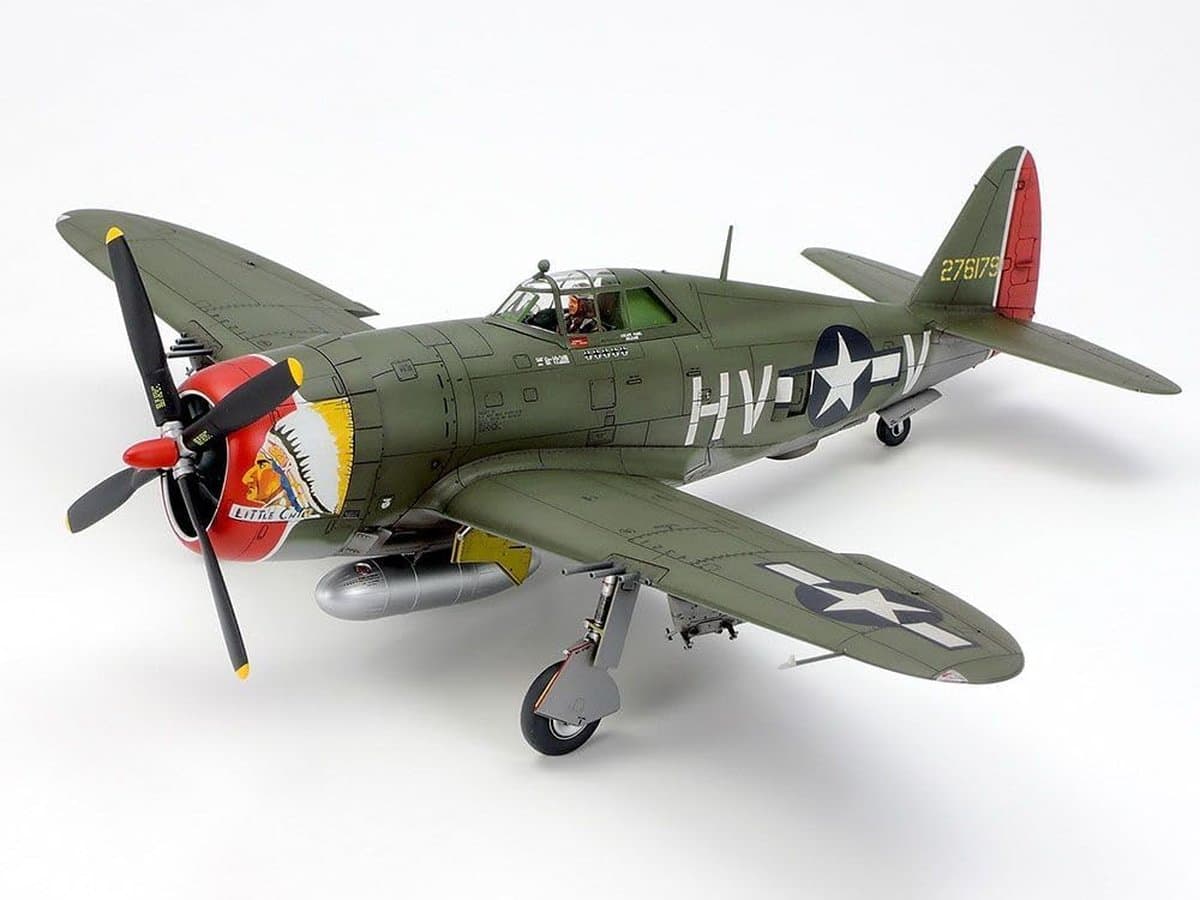
Compare 85+ WW2 scale model kits across aircraft, tanks, and ships. Beginner builds from $9 to museum-grade showpieces at $580. Covers Tamiya, Eduard, HK Models, Trumpeter, and more with honest reviews, trade-offs, and pricing.