Skip to content
May 11:Indian Rebellion of 1857: Sepoys Seize Delhi169yr ago

Technology

207 Articles

Technology has always been a force multiplier in warfare. From radar to stealth, explore the innovations that have changed how wars are fought and the emerging technologies that will define the future battlefield.

Military technology has been the decisive factor in warfare since the invention of the longbow, and the pace of innovation has only accelerated. Today's defense technology landscape spans stealth coatings, directed-energy weapons, artificial intelligence, advanced materials, night vision systems, and active protection suites, each one capable of shifting the balance of power between nations. Understanding these technologies is essential to understanding modern military capability.

Our technology coverage goes beyond press releases to examine how military systems actually work, why certain innovations succeed while others fail, and what emerging technologies mean for the future of combat. Explore the engineering behind radar-absorbing materials that make stealth aircraft invisible, the sensor fusion that gives fifth-generation fighters their edge, and the active protection systems transforming armored vehicle survivability. From the physics of directed-energy weapons to the algorithms driving autonomous target recognition, we break down complex military technology into clear, authoritative analysis built for readers who want to understand the science behind the systems.


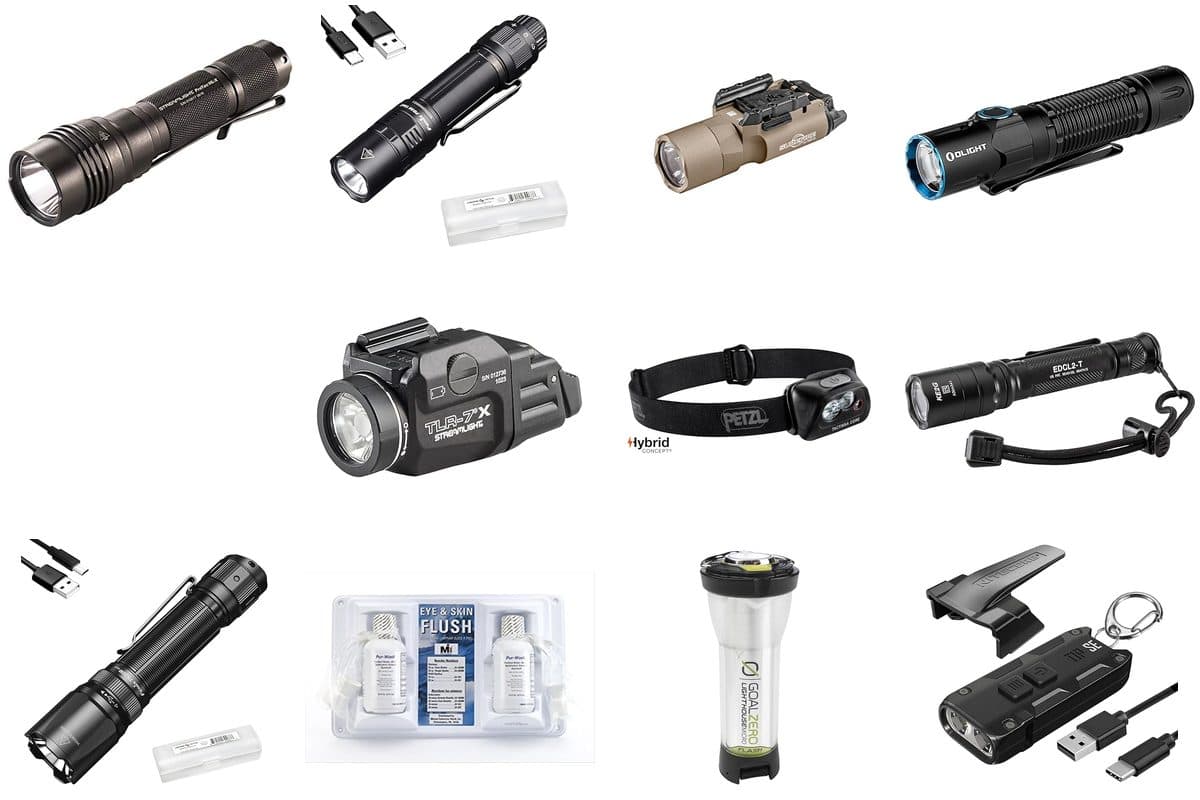
From the Military Machine catalog

Top picks for Technology

Hand-picked from our gear guides, ranked for relevance to this topic.

Watch

An A-10C Thunderbolt II with iconic Flying Tiger nose art, showcasing the beloved ugly aircraft that refuses to retire
Featured

10 Military Machines That Looked Ridiculous but Actually Worked

Ryan Caldwell··14 min read

Showing 12 of 206 articles

The U.S. Navy's Laser Weapon System (LaWS) mounted aboard a warship, representing the dawn of directed-energy weapons in naval combat

How Directed-Energy Weapons Went From Science Fiction to Active Duty in 5 Years

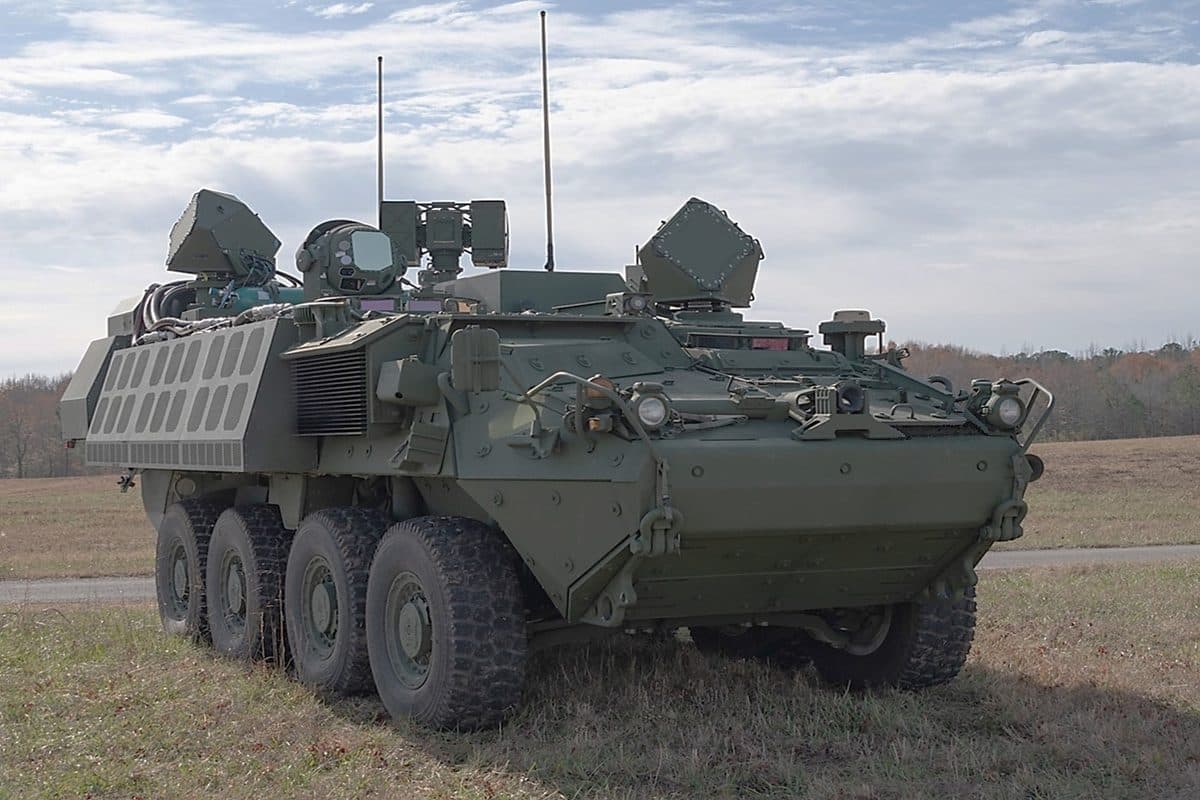
A laser weapon costs about $1 per shot. A Patriot missile costs $3 million. They both kill the same drone. In five years, directed-energy weapons went from lab experiments to operational systems aboard Navy destroyers and Army Strykers, and the economics are about to reshape modern air defense.

Alex Carter··10 min read
Minuteman III ICBM launching from its silo at Vandenberg Air Force Base with a trail of flame and smoke against a dark sky

10 Cold War Weapons That Were Designed for World War III and Never Fired

These weapons were built to fight a war that everyone prayed would never happen. The Minuteman III has been on alert since 1970. The Typhoon-class carried enough nuclear warheads to destroy a continent. The Davy Crockett could be fired by three soldiers. Most of them have been waiting for 40 years. Here are 10 Cold War weapons built exclusively for World War III.

Daniel Mercer··13 min read
KH-11 style reconnaissance satellite rendering in low Earth orbit above cloud-covered terrain

How Military Satellites See Objects Smaller Than a License Plate From 400 Miles in Space

The NRO's classified reconnaissance satellites can resolve objects as small as 4 inches from 400 miles above the Earth. They use optics comparable to the Hubble Space Telescope, pointed down instead of up. Here's how military satellite imaging actually works, from optical physics to synthetic aperture radar to the politics of shutter control.

Alex Carter··10 min read
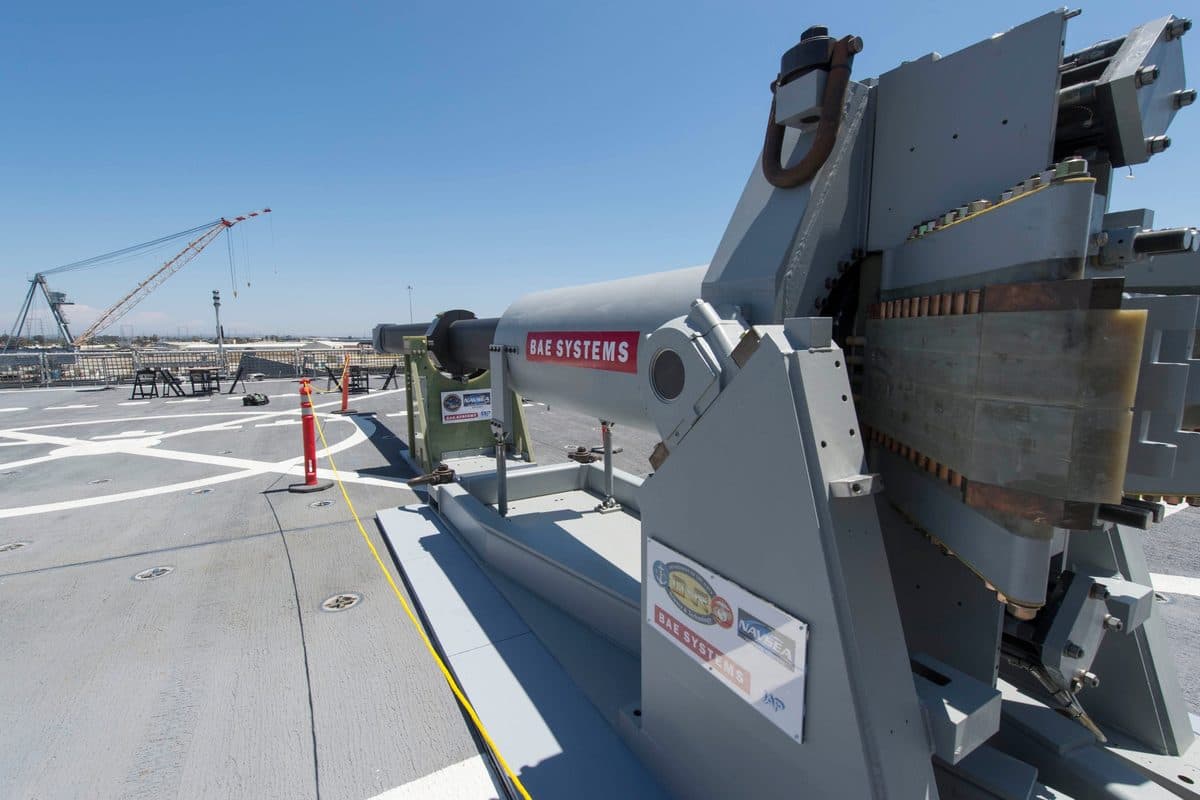
US Navy electromagnetic railgun firing a projectile at the Naval Surface Warfare Center Dahlgren with a bright muzzle flash

Why the Navy's Electromagnetic Railgun Failed After $500 Million, and What Replaced It

The railgun worked. It fired projectiles at Mach 6 using electromagnetic force instead of explosives. It just destroyed itself every time it did it. After $500 million and 15 years, the Navy cancelled the program, then took the railgun's ammunition and put it in a conventional gun. Here's what went wrong, and what the failure actually produced.

Ryan Caldwell··10 min read
AN/SPY-6 AMDR radar array panel on a US Navy destroyer showing hundreds of transmit-receive modules

How Military Radar Sees Through Weather, Jamming, and Terrain at 300 Miles

An AESA radar fires thousands of independent beams simultaneously. Each beam can track a different target, operate on a different frequency, and switch modes in microseconds. Here's how modern military radar actually works, from the physics of T/R modules to the systems that make the F-35, F-22, and Navy destroyers see everything.

Alex Carter··10 min read