Military strategy and doctrine provide the intellectual framework for how forces are organized, trained, and employed. Explore the strategic thinking, war plans, and doctrinal debates that drive military decision-making at every level.
Military strategy and doctrine form the intellectual foundation upon which entire armed forces are built, trained, and deployed. From Clausewitz's theories on the nature of war to the Pentagon's latest multi-domain operations concept, strategic thinking determines how nations translate military capability into political outcomes, and why some forces consistently outperform others despite apparent material disadvantages.
Our strategy and doctrine coverage examines the war plans, operational concepts, and doctrinal debates that shape military decision-making at every level. Explore how AirLand Battle doctrine enabled the coalition's devastating ground campaign in Desert Storm, why China's anti-access/area-denial strategy poses a fundamental challenge to U.S. force projection, and how NATO's deterrence posture is evolving in response to renewed great power competition. We analyze the strategic frameworks behind nuclear deterrence, the principles of maneuver warfare, the theory of combined arms operations, and the doctrinal shifts driven by emerging technologies like autonomous systems and hypersonic weapons.
From the Military Machine catalog
Top picks for Strategy
Hand-picked from our gear guides, ranked for relevance to this topic.
"You want to do WHAT?", Hannibal wanted to march elephants over the Alps. Washington wanted to cross an ice-choked river on Christmas night. The Doolittle Raiders wanted to launch Army bombers from a Navy carrier. These 10 military decisions sounded absolutely insane, and every one of them worked.
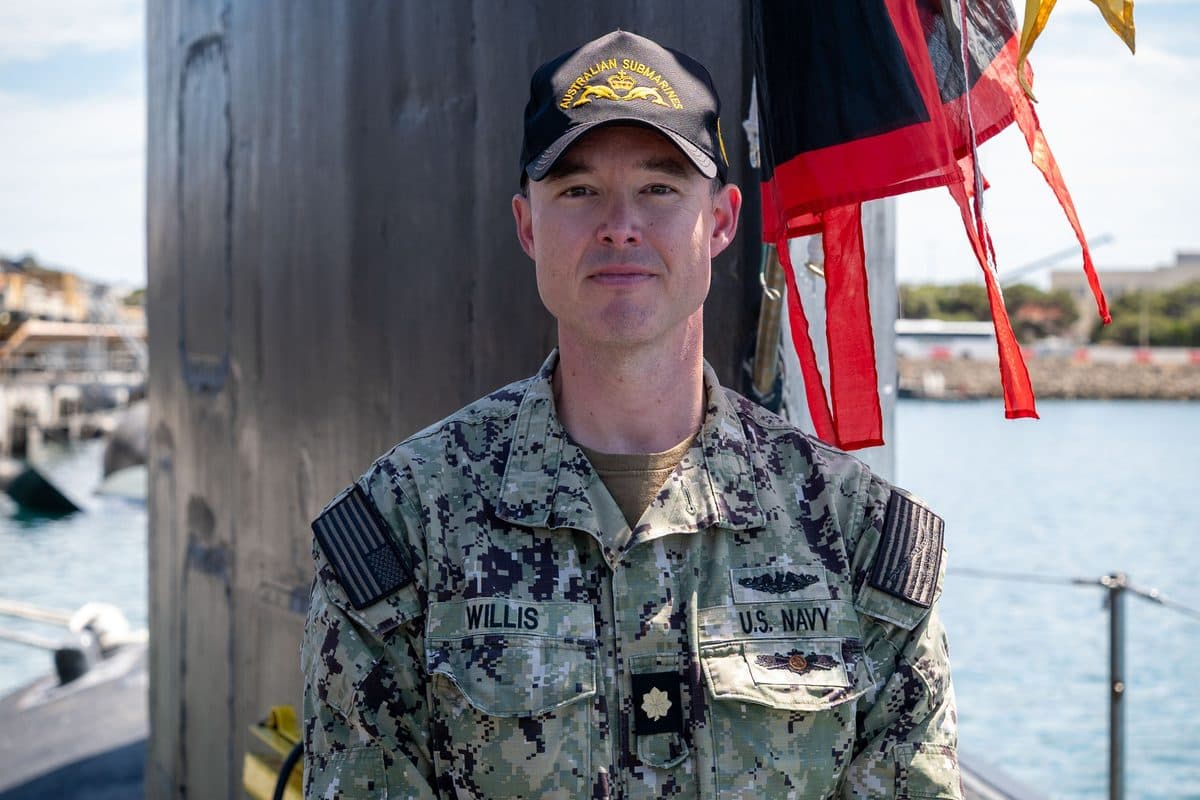
$368 billion Australian dollars. Three decades of construction. Nuclear-powered submarines that Australia has never operated before. The AUKUS Pillar 1 deal is the most expensive military procurement in the Southern Hemisphere's history, and the three-phase plan reveals why the U.S. is willing to sell from its own constrained submarine production line.
In April 1961, 1,500 CIA-trained Cuban exiles landed at the Bay of Pigs with World War II-era bombers and a plan that depended on air supremacy they would never achieve. The invasion collapsed in 72 hours, and its consequences shaped the Cold War for a generation.
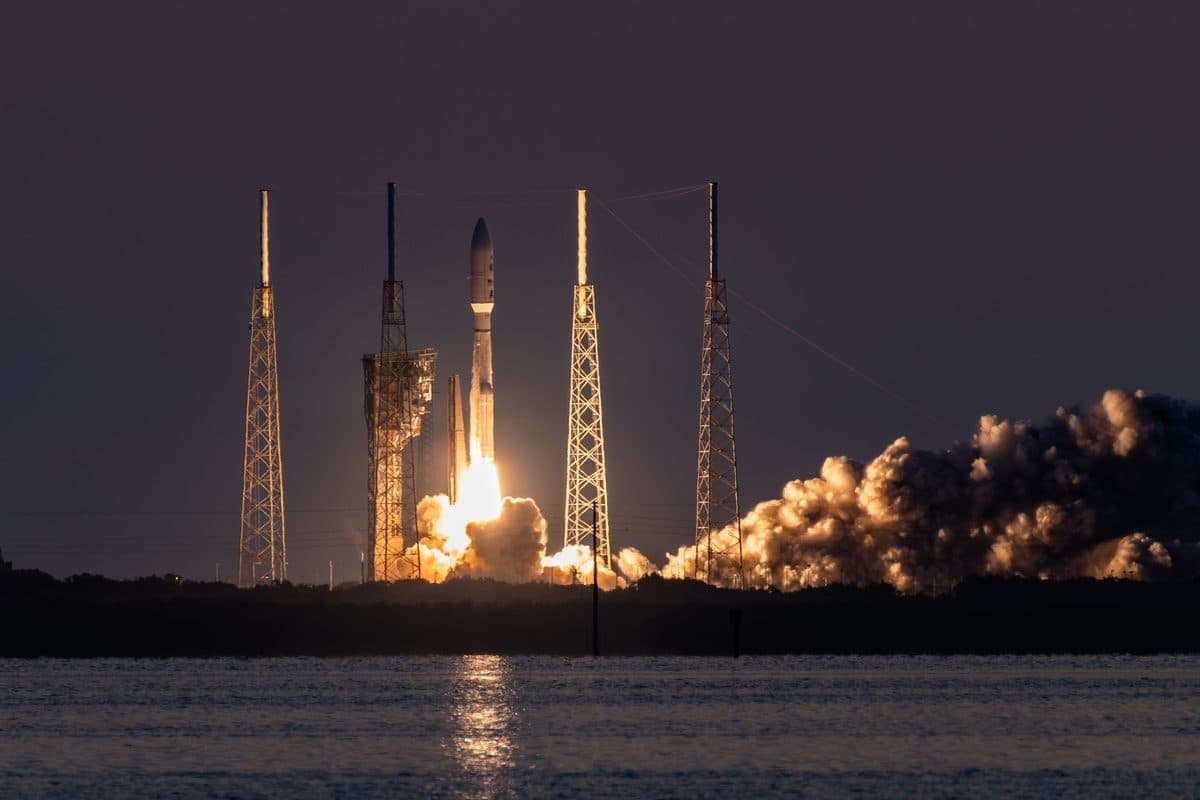
Every iconic rocket launch of the Space Race had a military secret riding along. From Corona spy satellites to nuclear navigation systems, the early space program was built on Cold War weapons technology.
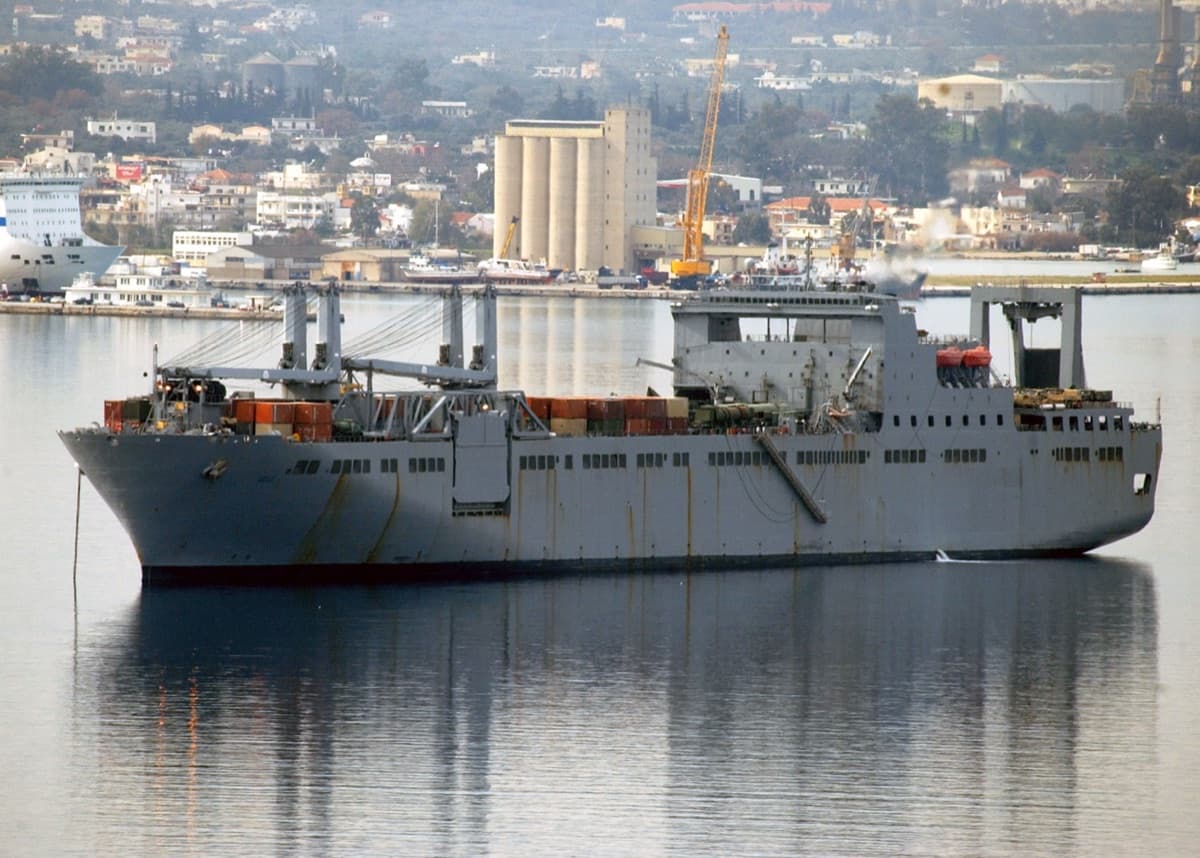
Moving an armored division to Europe means shipping 15,000 vehicles, 50,000 tons of equipment, and 17,000 soldiers across 3,500 miles of open ocean. The U.S. military can get personnel there in hours by air, but the tanks, Bradleys, and artillery travel by sea. Here's how the least glamorous part of military power actually works, and why America's 50-ship sealift fleet is its most dangerous bottleneck.
China now operates three aircraft carriers, including one with electromagnetic catapults. Here is how the Liaoning, Shandong, and Fujian actually compare to American supercarriers, and where the gap is closing fastest.
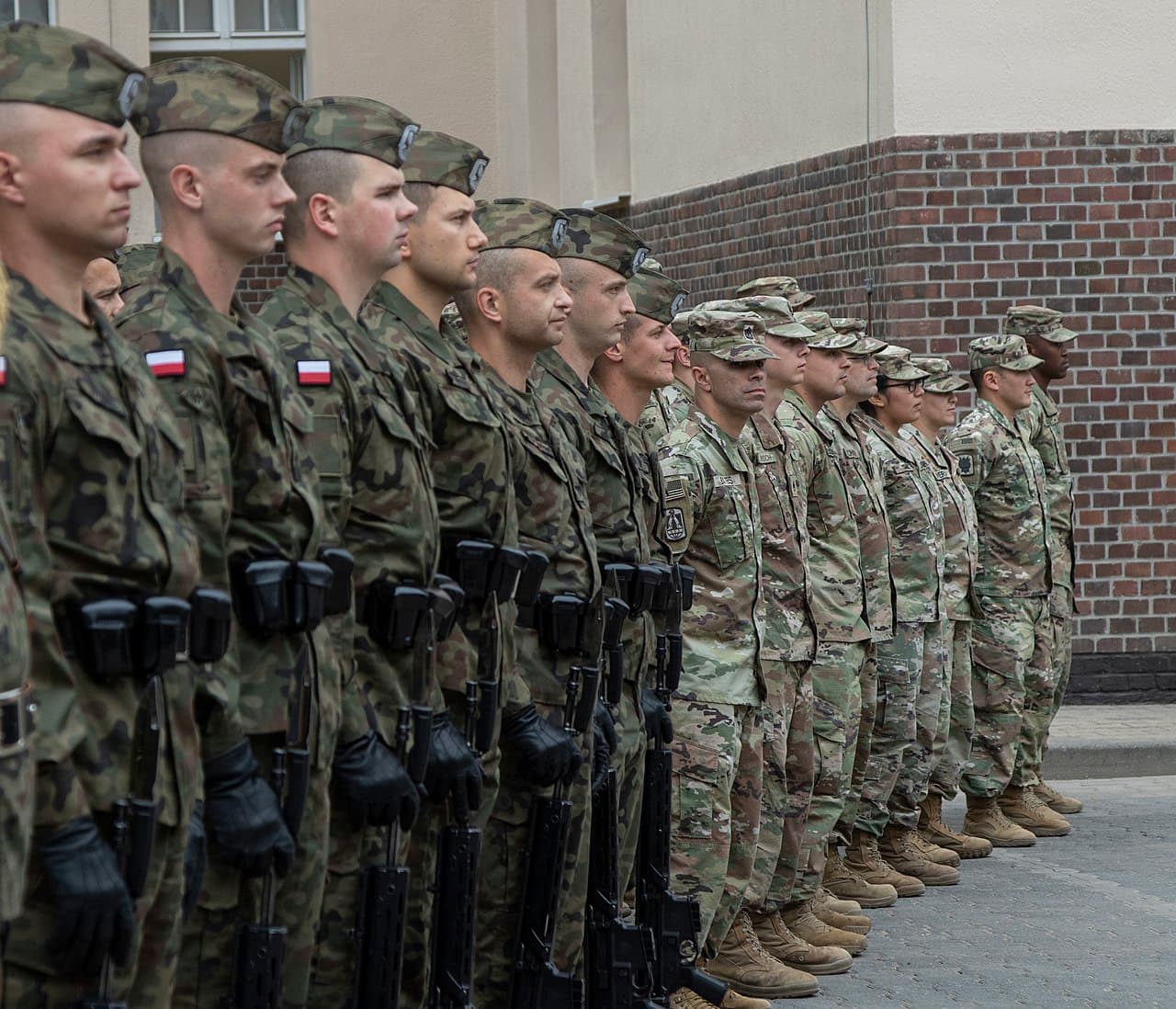
Poland is spending over 4% of GDP on defense and buying hundreds of tanks, jets, and helicopters from South Korea and the United States. The numbers behind NATO's fastest military buildup tell a story about geography, history, and what it takes to build a credible deterrent force from scratch.
During WWII, 1,100 American soldiers, many of them artists, designers, and architects, used inflatable tanks, massive speakers, and fake radio traffic to trick the German army into seeing divisions that didn't exist. Their story was classified for over 50 years.
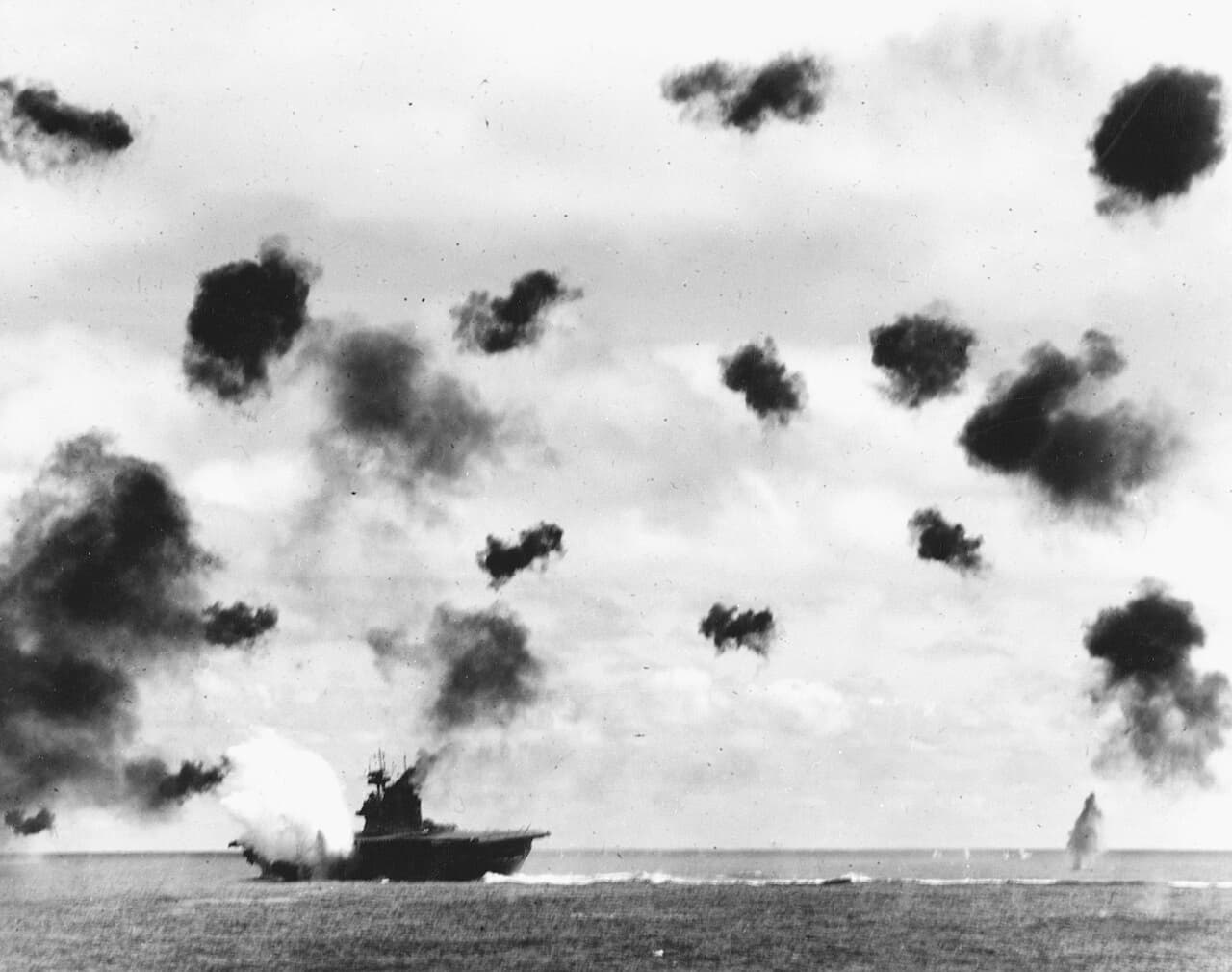
In June 1942, six months after Pearl Harbor, a handful of American dive bombers caught four Japanese carriers with their flight decks full of armed planes. In roughly five minutes, three of those carriers were fatally hit, and Japan's dominance in the Pacific was broken forever.