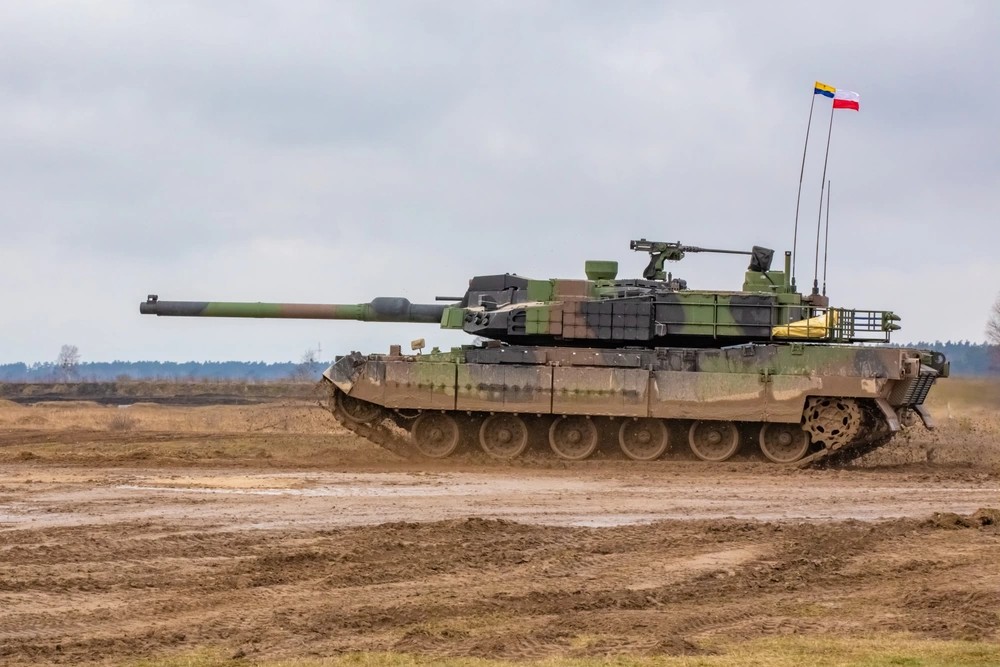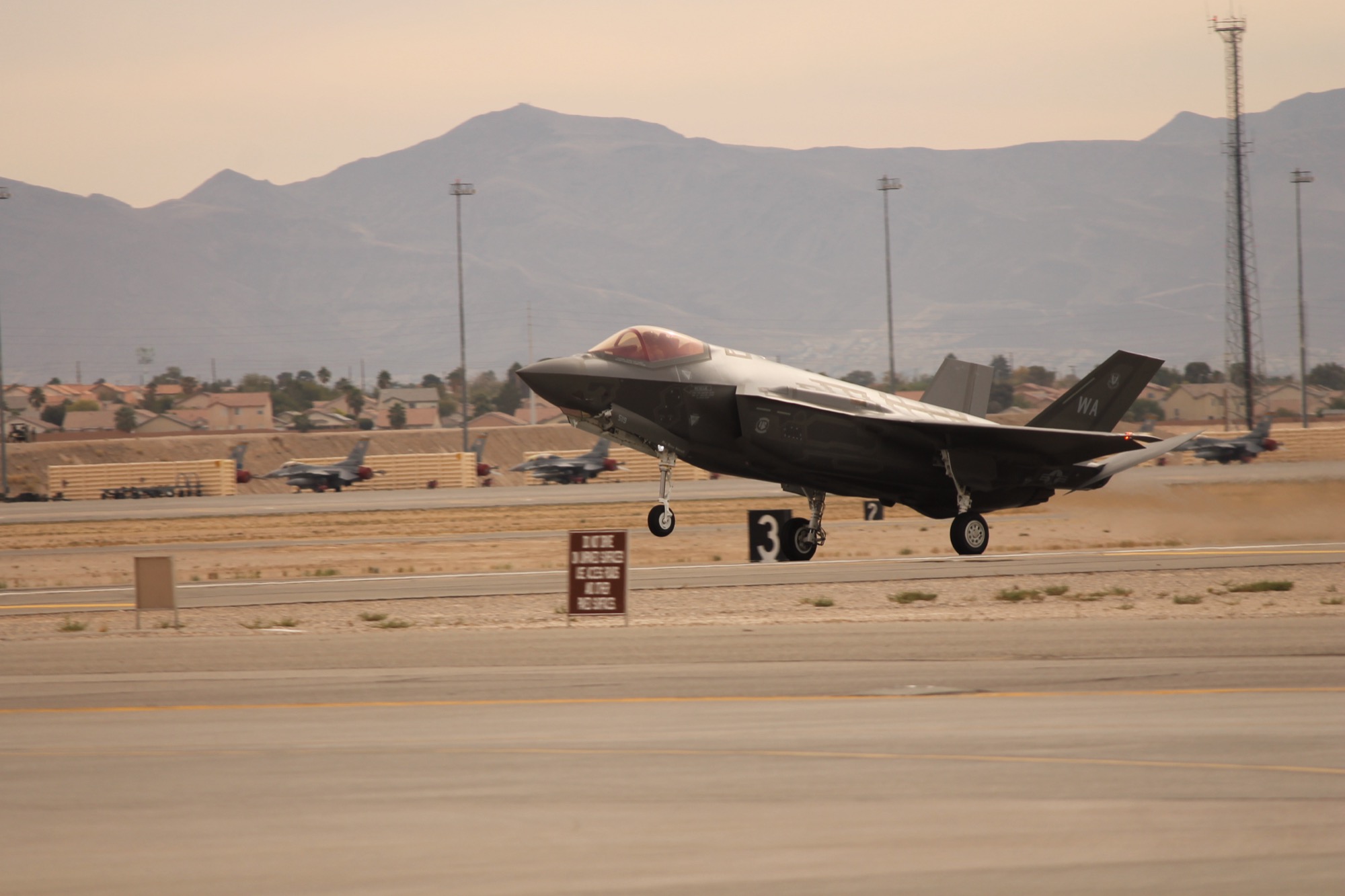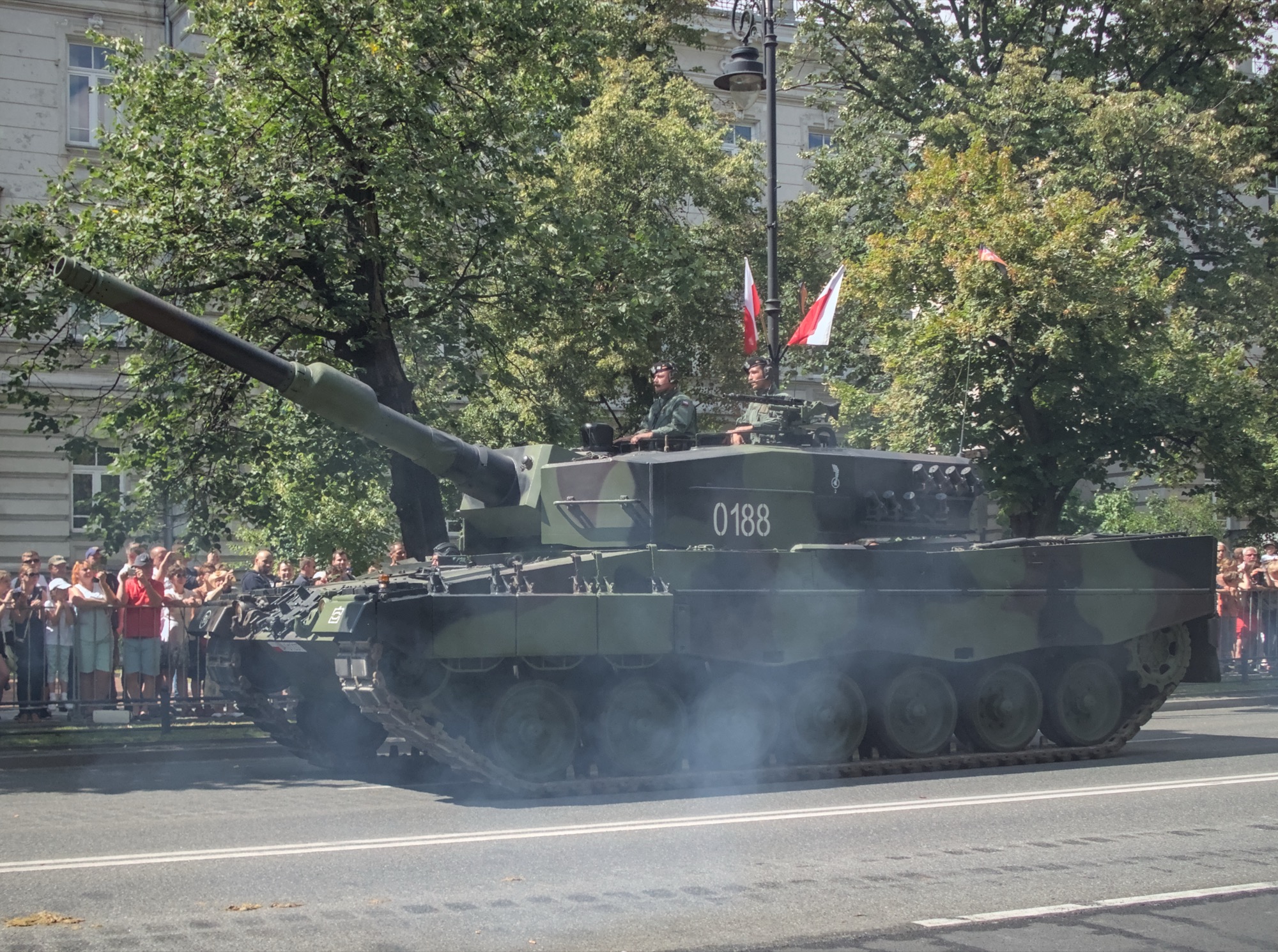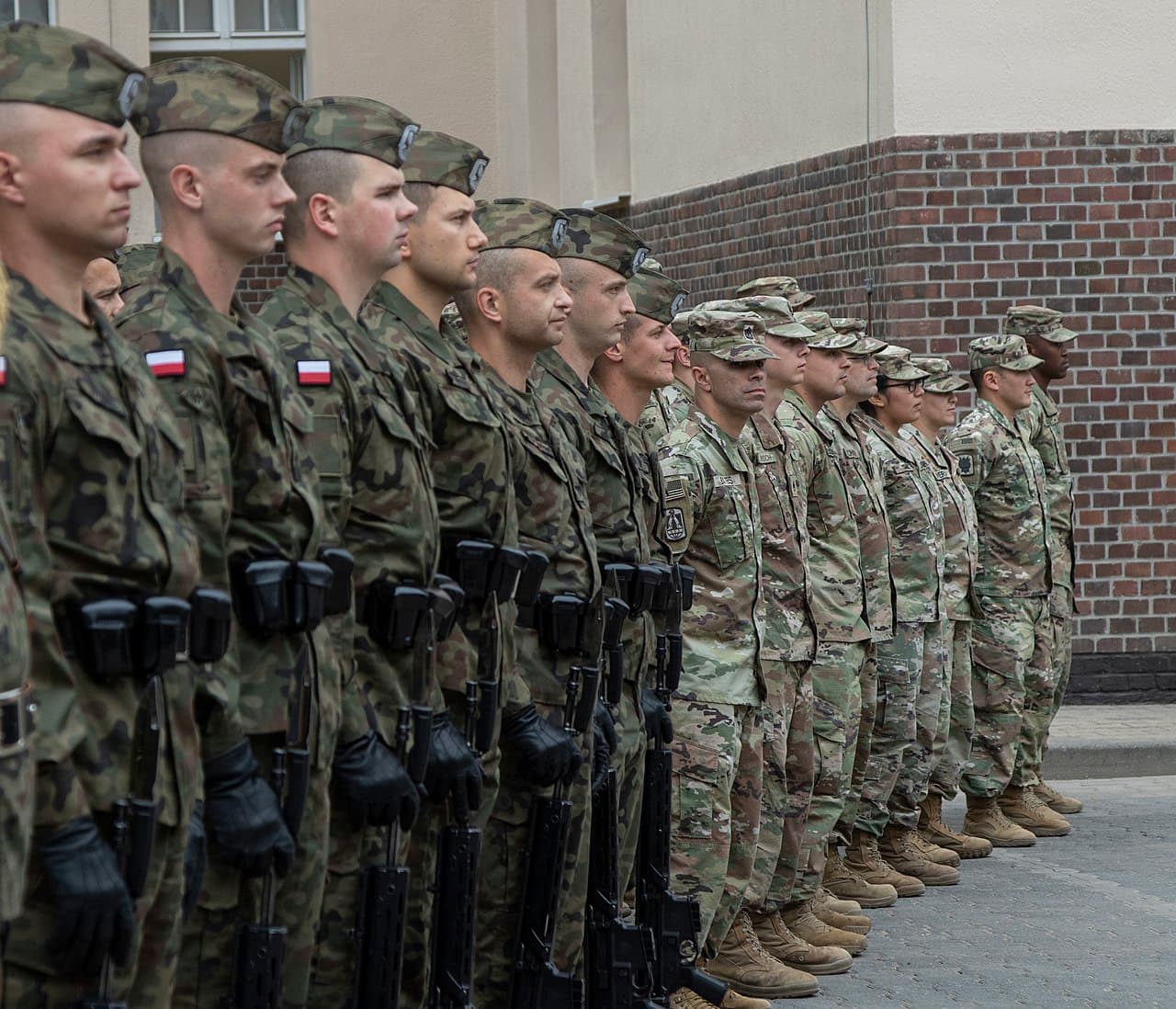

Poland is in the middle of the largest military buildup in Europe since the Cold War. The numbers are not subtle. Over a thousand new main battle tanks. Nearly a hundred attack helicopters. Hundreds of self-propelled howitzers, rocket launchers, and fighter aircraft. A defense budget that exceeds 4% of GDP, more than double NATO's 2% guideline and the highest ratio in the alliance. An army expanding from roughly 150,000 to a target of 300,000 active-duty personnel. These are not aspirational figures buried in a white paper. Contracts have been signed. Deliveries have begun. Equipment is arriving at Polish military bases.
What Poland is doing deserves attention not because it is provocative but because it is, in pure procurement terms, historically unusual. NATO members have spent decades debating whether to meet the alliance's 2% GDP spending target. Most still do not. Poland blew past that threshold years ago and kept going. The country is simultaneously absorbing major weapons systems from two different continents, standing up new military units, and expanding its defense industrial base, all at the same time. Whether this buildup succeeds or stumbles will depend on factors that receive far less attention than the headline equipment orders: logistics, integration, maintenance capacity, and trained personnel.
This article examines what Poland is buying, why the scale is significant, where the equipment is coming from, and what the practical challenges of this buildup look like.
Why Poland, and Why Now
Poland's geography explains most of its urgency. The country shares a roughly 230-kilometer border with Russia's Kaliningrad exclave and a 418-kilometer border with Belarus. To the north lies the Baltic Sea and the strategically sensitive Suwalki Gap, a narrow corridor of Polish and Lithuanian territory that separates Kaliningrad from Belarus and represents the only land link between the Baltic states and the rest of NATO. Any serious NATO defense planning for the Baltic region runs through Polish territory.