Why the Next War Will Be Won by Whoever Builds the Better Logistics Network, Not the Better Weapon
Amateurs study tactics. Professionals study logistics. The most quoted military truism is also the most ignored. From WWII's industrial avalanche to Russia's 40-mile traffic jam in Ukraine, every major conflict proves the same lesson, and the U.S. military's just-in-time supply model may not survive a real fight.
12 min read
How the US Military Built an Entire Base in the Desert in 72 Hours During Desert Shield
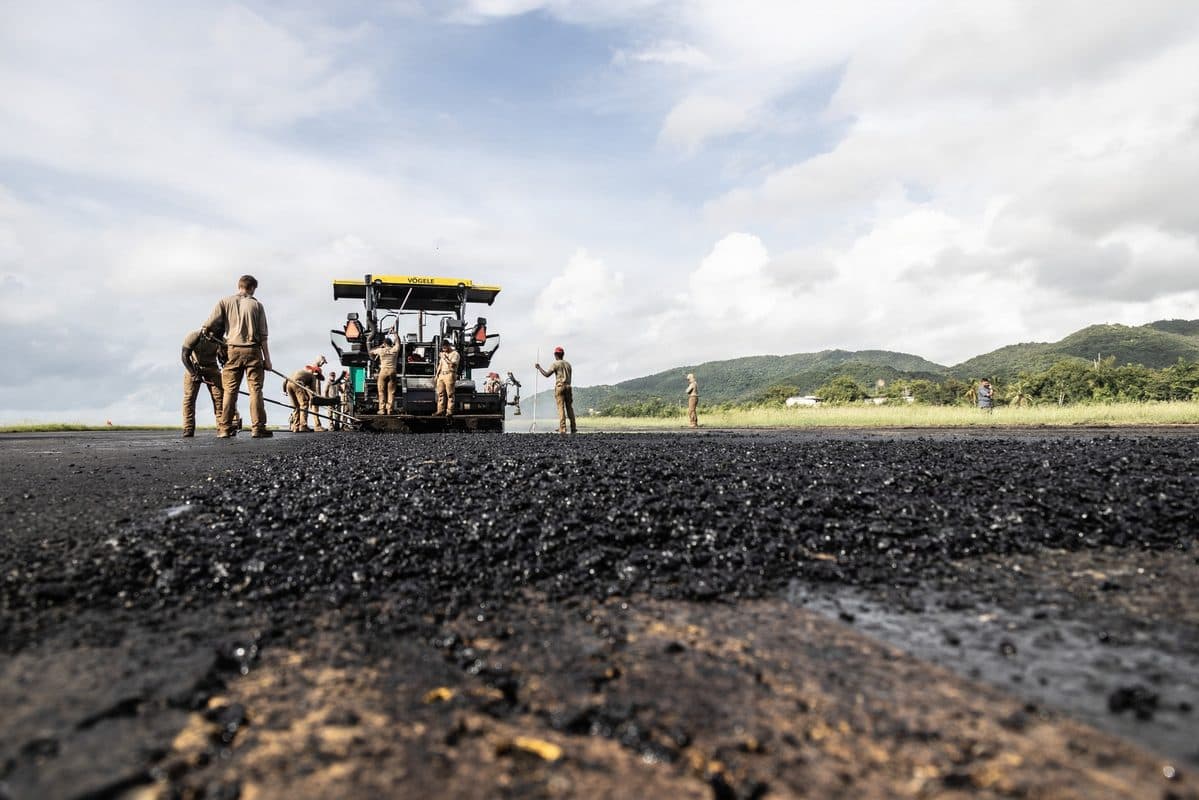
In August 1990, the Saudi desert was empty. By January 1991, it held more American troops than most US cities hold people. The logistical operation that built forward operating bases from bare sand, airfields, water systems, power plants, hospitals, housing for 500,000 troops, was the largest military construction effort since World War II. Here is how the Air Force's RED HORSE squadrons, the Navy's Seabees, and the Army Corps of Engineers turned nothing into everything in six months.
10 min read
How the C-17 Globemaster Flies an M1 Abrams Across an Ocean and Lands on a Dirt Runway
The C-17 Globemaster III can carry a 70-ton M1 Abrams tank, fly it 2,400 nautical miles, and land on an unpaved runway shorter than most regional airports. No other aircraft on earth can do all three. Here is how Boeing built the most versatile strategic airlifter ever to fly, and why nothing has replaced it.
10 min read
10 Military Supply Chain Failures That Lost a Battle Before It Started
Every one of these armies had enough soldiers to win. None of them had enough supplies. From Napoleon's frozen march to Moscow to the Argentine disaster in the Falklands, these 10 logistics failures decided the outcome of battles before a single shot was fired.
14 min read
How the US Military Feeds 1.3 Million People Every Day Across 4,800 Sites in 160 Countries
The U.S. military serves 1.3 million meals daily across 160 countries. The supply chain that makes it happen, from DLA Troop Support to a forward operating base kitchen in the middle of nowhere, is one of the largest food operations on the planet.
11 min read
10 Military Bridges Built Under Fire That Changed the Course of a Battle
Wars are won by the side that can cross a river faster. From Caesar's Rhine bridges to the Remagen crossing and the Suez Canal in 1973, these 10 feats of combat engineering turned impossible obstacles into decisive breakthroughs, often while enemy fire was pouring in.
15 min read
How the US Army Trains Tank Crews by Putting Them Through the Hardest 2 Weeks in the Military
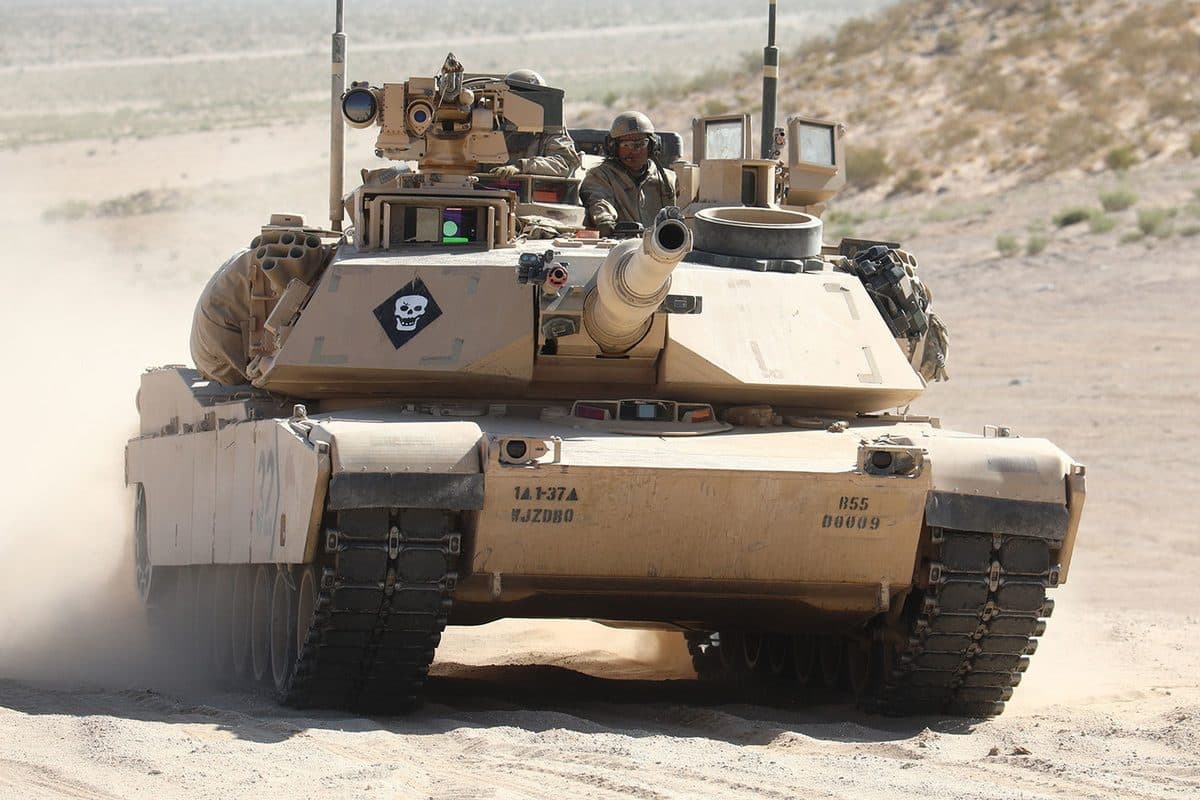
At Fort Irwin's National Training Center, the enemy wins. The 11th Armored Cavalry Regiment uses 1,000 square miles of Mojave Desert to humble every brigade that comes through, and that deliberate defeat makes those units better at war.
11 min read
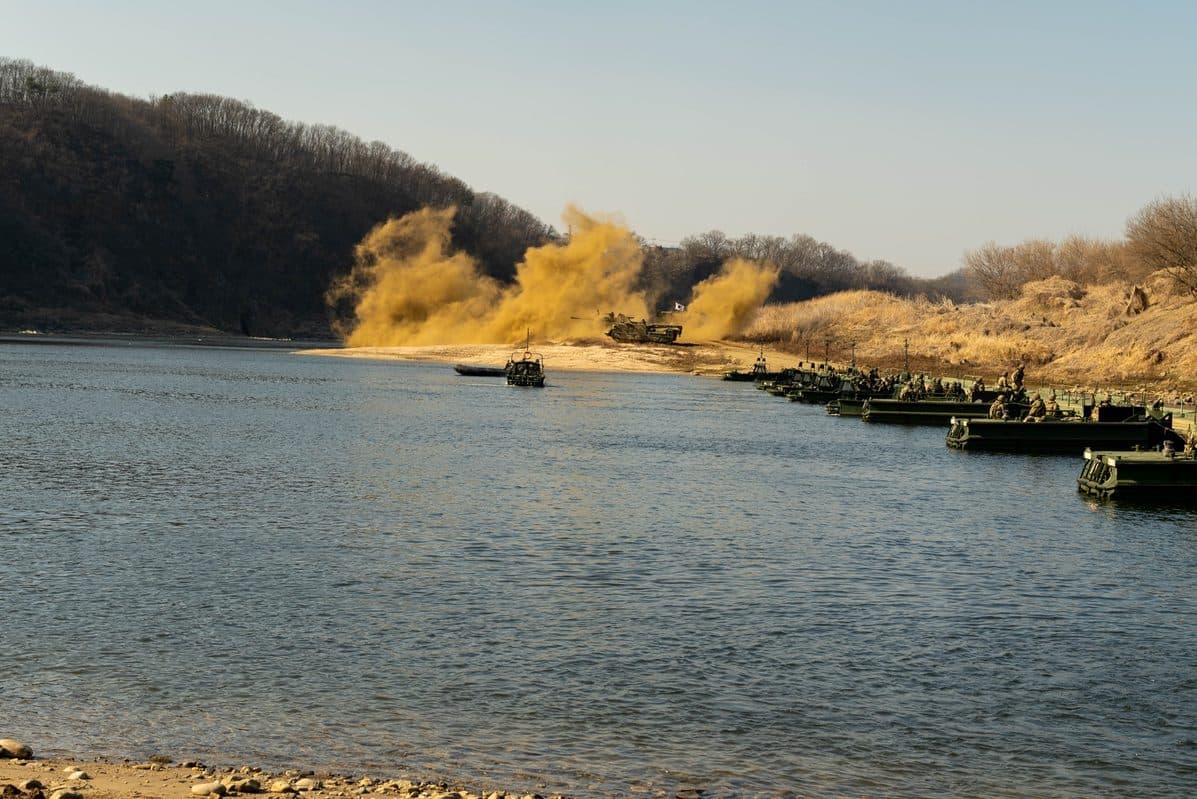
How the US Military Built a 1,200-Foot Bridge Across the Euphrates in 8 Hours
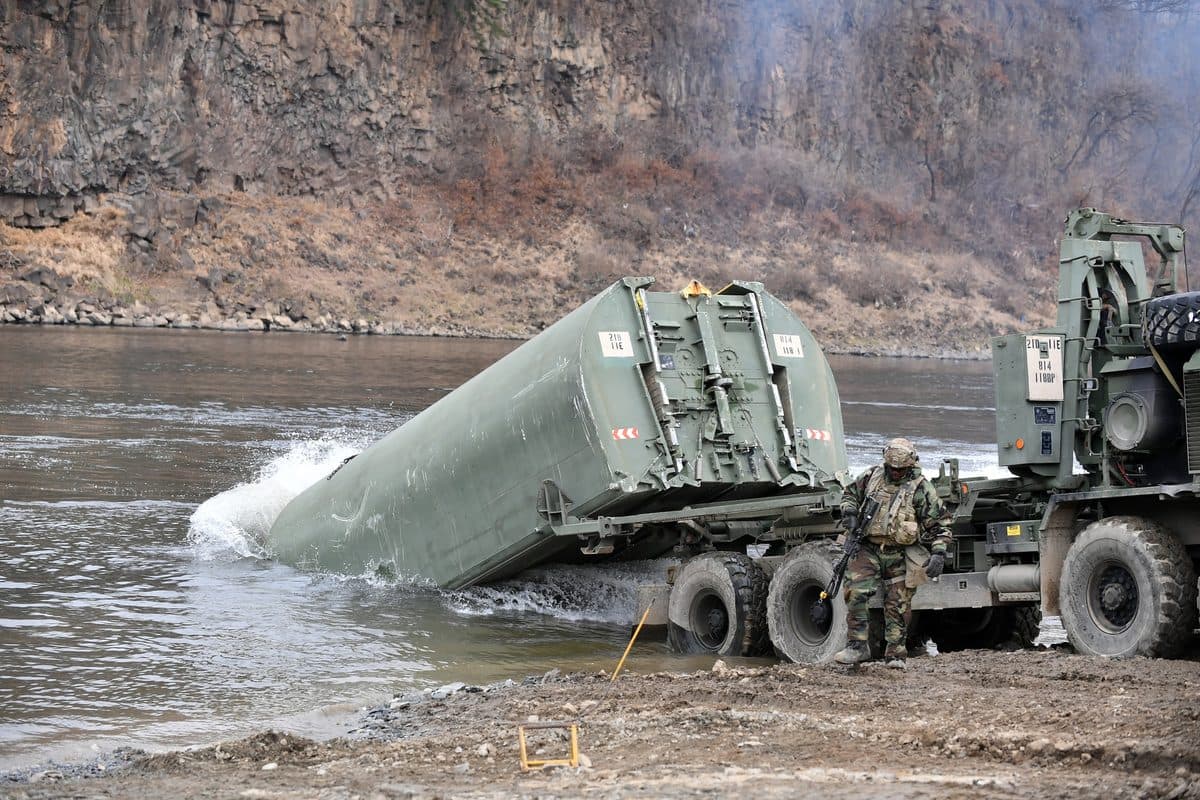
During Operation Iraqi Freedom, U.S. Army engineers erected floating bridges across the Euphrates River under threat of enemy fire, a feat of combat engineering that moved entire armored divisions across water barriers in hours. Here's how the Improved Ribbon Bridge system works and why wet gap crossings remain one of the most complex operations in modern warfare.
11 min read
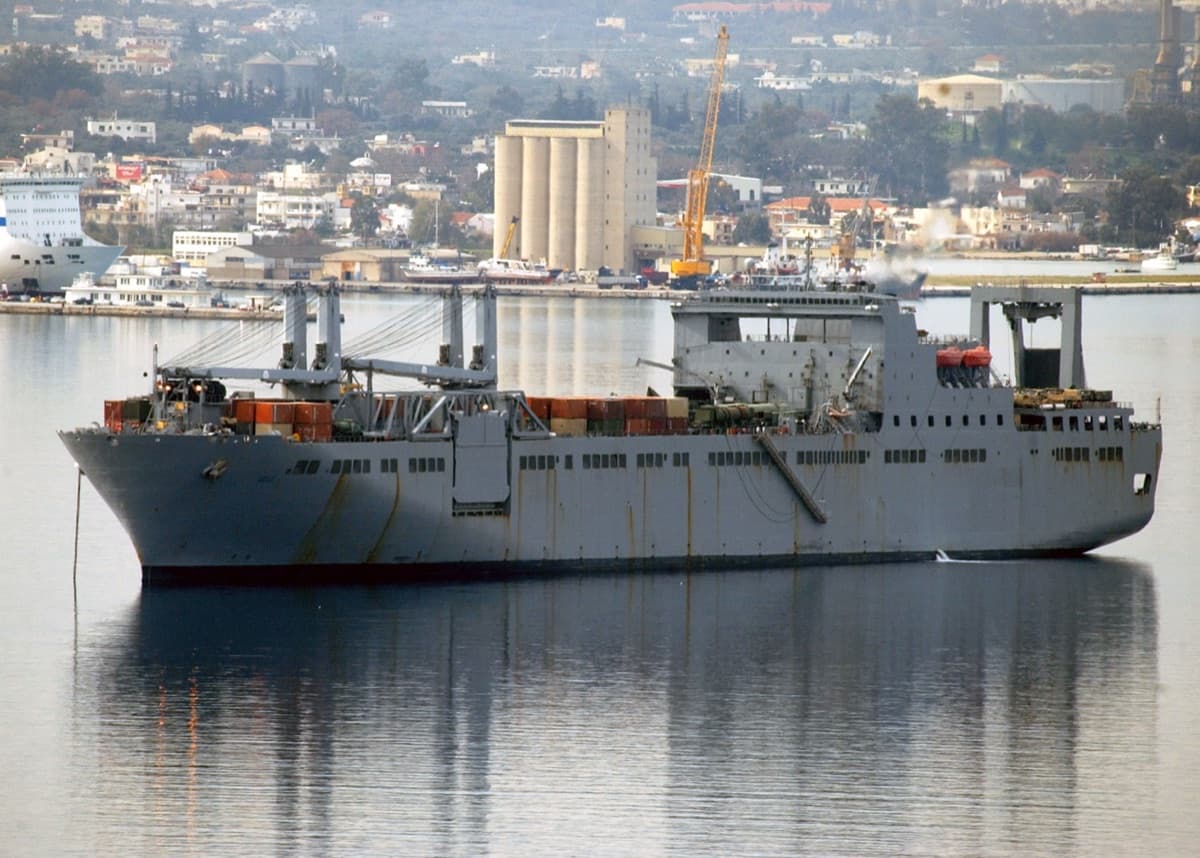
How the US Military Moves an Entire Armored Division Across the Atlantic Ocean in 72 Hours
Moving an armored division to Europe means shipping 15,000 vehicles, 50,000 tons of equipment, and 17,000 soldiers across 3,500 miles of open ocean. The U.S. military can get personnel there in hours by air, but the tanks, Bradleys, and artillery travel by sea. Here's how the least glamorous part of military power actually works, and why America's 50-ship sealift fleet is its most dangerous bottleneck.
12 min read
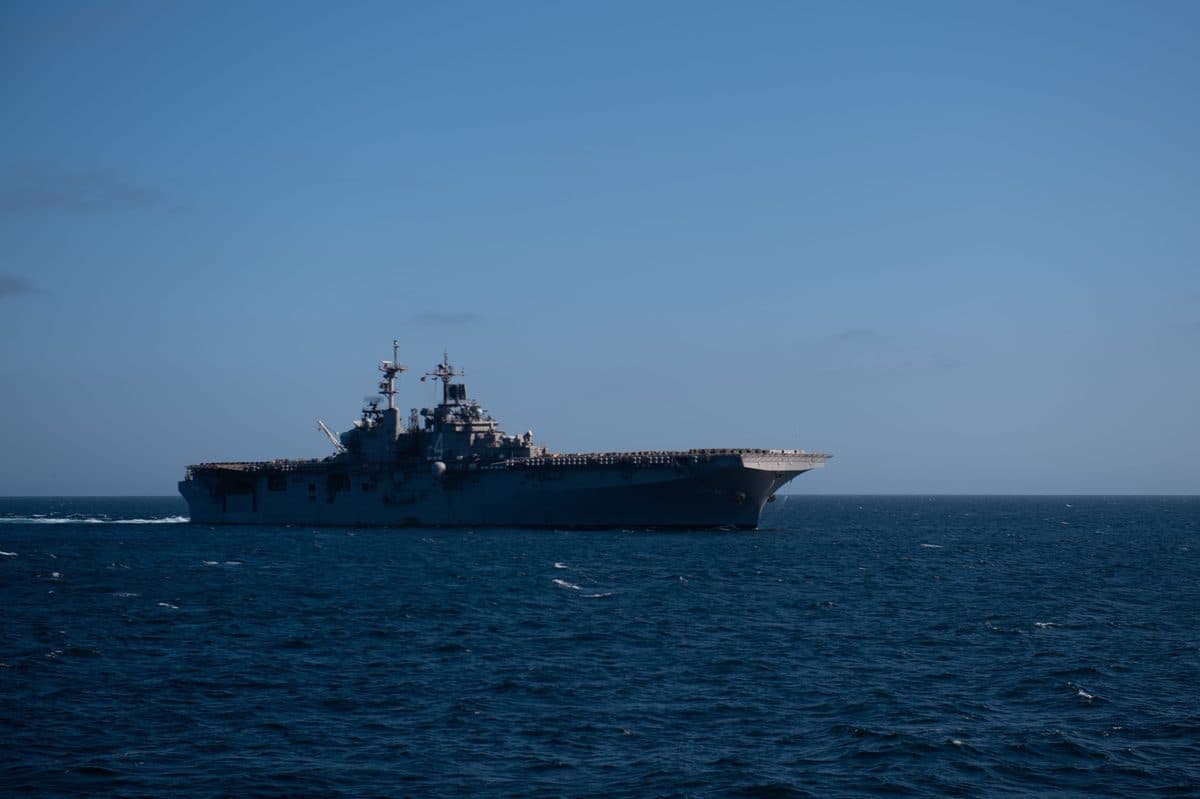
The Wasp-Class Amphibious Assault Ship
The Wasp-class is the ship that puts Marines ashore. At 40,500 tonnes, each Landing Helicopter Dock carries approximately 1,700 Marines, their vehicles, their aircraft, and their landing craft: everything needed to project power from sea to shore. The flight deck operates helicopters and F-35B stealth fighters. The well deck floods to launch hovercraft and amphibious vehicles. Eight ships form the backbone of America's amphibious capability, serving as small aircraft carriers when the mission demands it.
11 min read
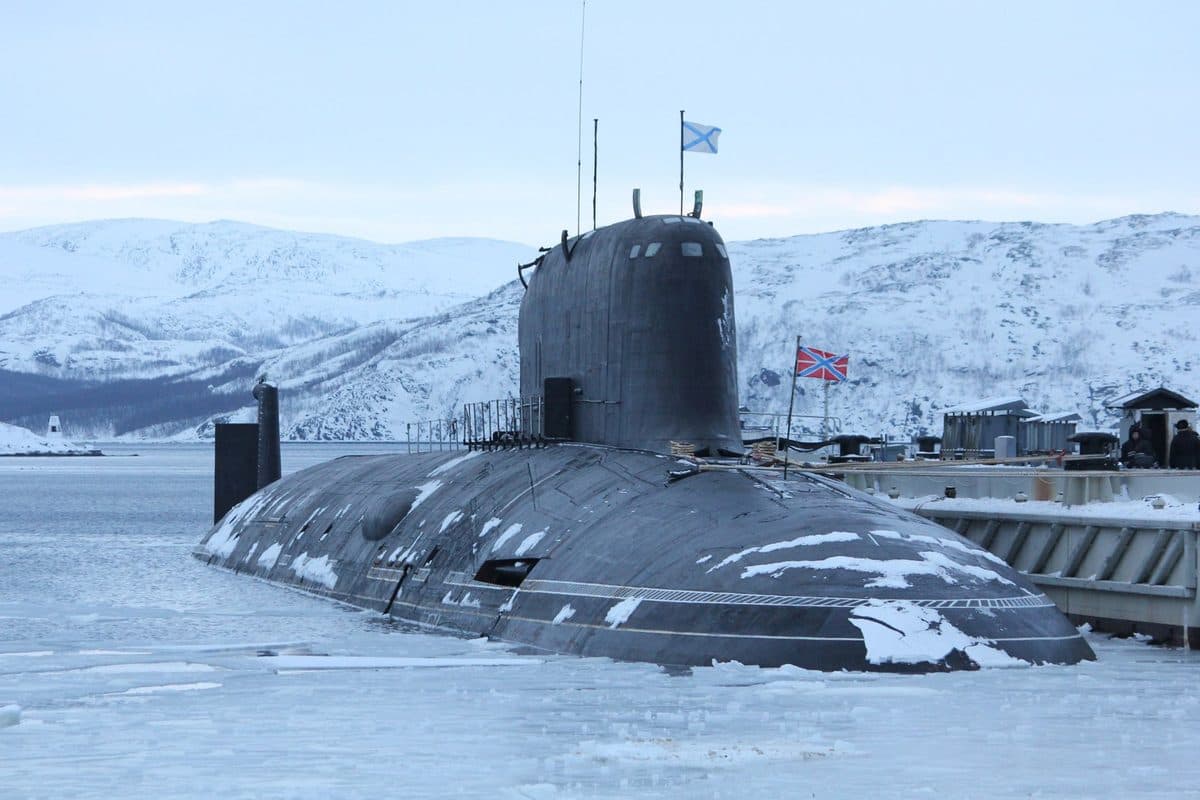
The Yasen-Class Submarine: Russia's Most Dangerous Sub
The Yasen-class is the most capable submarine Russia has ever built: a nuclear-powered multi-role hunter armed with Kalibr cruise missiles, supersonic Oniks anti-ship missiles, and hypersonic Zircon weapons that travel at Mach 8. With noise levels approaching Western standards and a sonar suite that fills the entire bow, the Yasen is the submarine that keeps U.S. Navy planners awake at night.
12 min read
The Astute-Class Submarine: Britain's Nuclear Hunter
The Astute class represents the most powerful attack submarines Britain has ever built: nuclear-powered boats that never need refueling, armed with Tomahawk cruise missiles and Spearfish torpedoes, and equipped with sonar so sensitive it can detect ships thousands of miles away. Seven boats are planned. Getting them built has been one of the most troubled procurement programs in British defense history.
12 min read
The Arleigh Burke Destroyer: Backbone of the US Navy
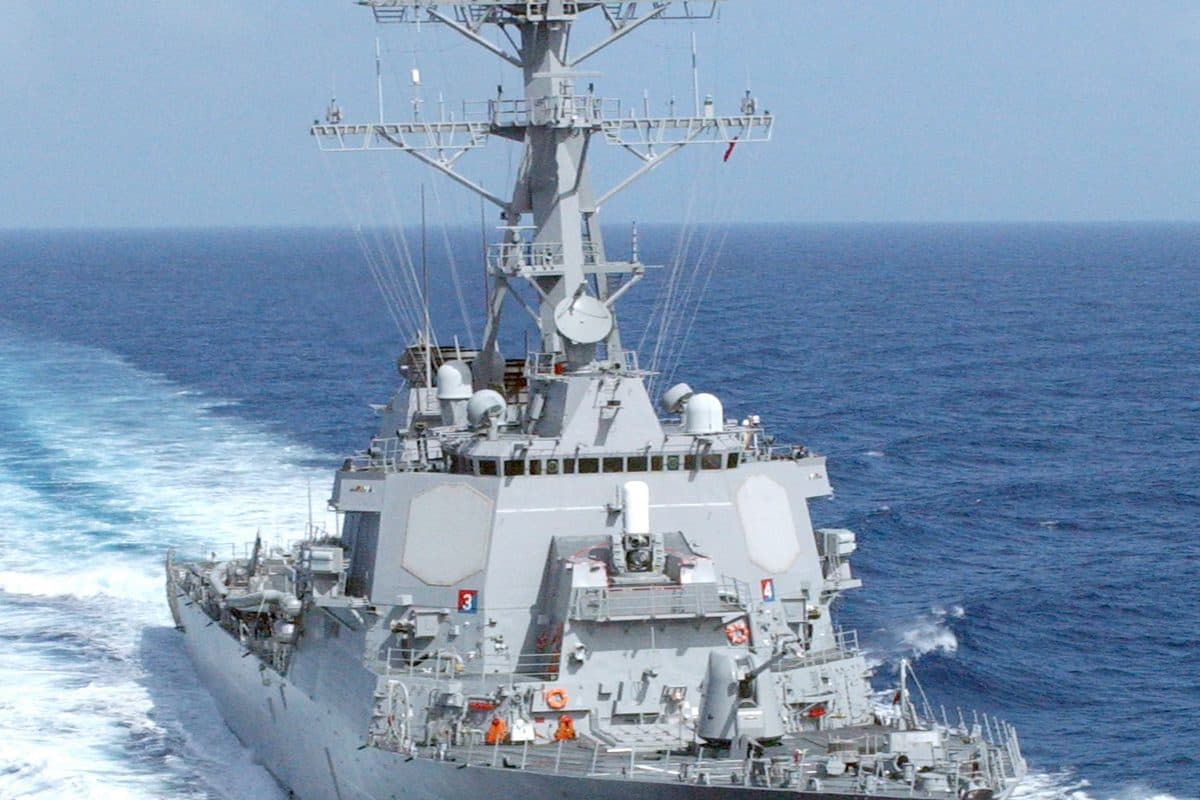
The Arleigh Burke-class is the most produced surface combatant in U.S. Navy history, with nearly 90 ships built or building across four decades of continuous production. Armed with the Aegis Combat System, Tomahawk cruise missiles, and ballistic missile defense interceptors, these destroyers form the backbone of every American carrier strike group and serve as the Navy's primary shield against air, surface, and missile threats.
13 min read
The Type 055 Renhai: Inside China's Largest Surface Warship
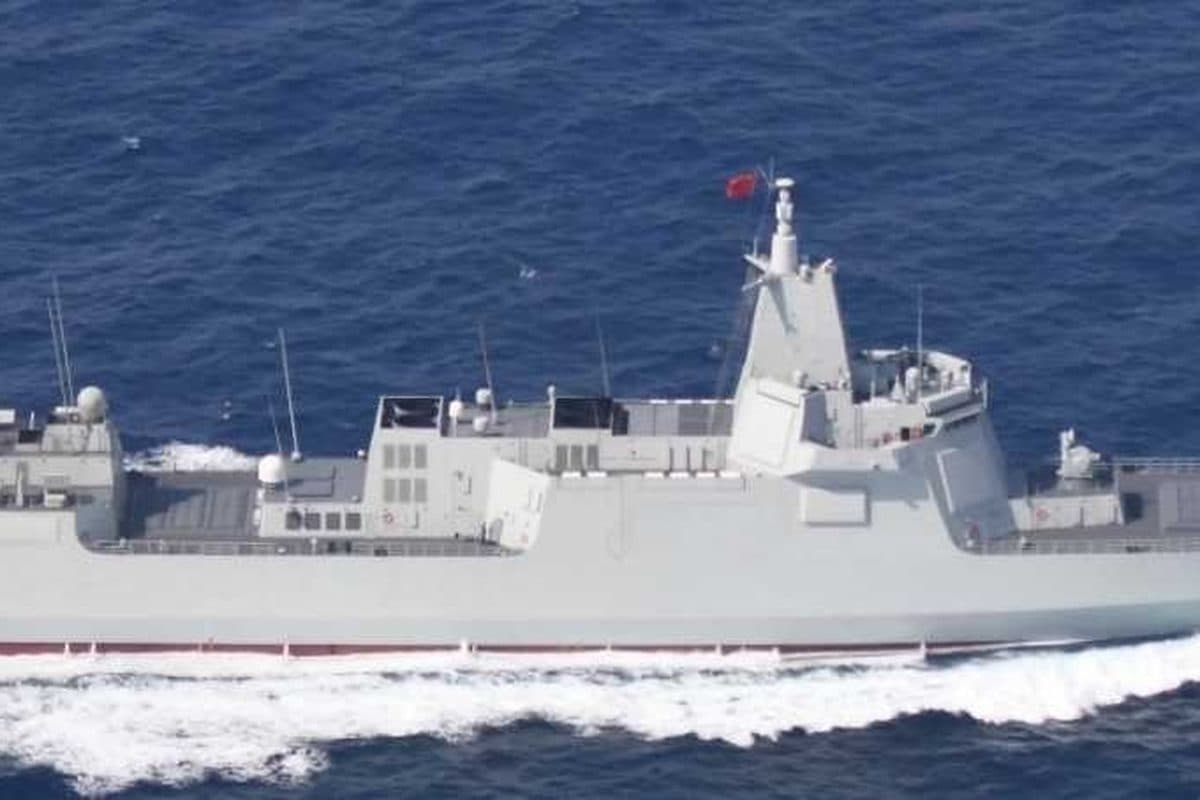
China's Type 055 carries 112 vertical launch cells, more than any other surface combatant in the world. The U.S. Navy classifies it as a cruiser despite China calling it a destroyer. At 13,000 tons, it is the most powerful surface warship built by any navy in the 21st century.
13 min read
The Virginia-Class Submarine: America's Most Advanced Attack Sub
The Virginia class replaced the legendary Seawolf as the backbone of America's submarine fleet. It carries Tomahawk cruise missiles, deploys Navy SEALs, hunts enemy submarines, and, in its latest Block V configuration, adds a Virginia Payload Module that quadruples its strike capacity.
14 min read
Poland's Military Buying Spree: Building One of NATO's Most Powerful Armies
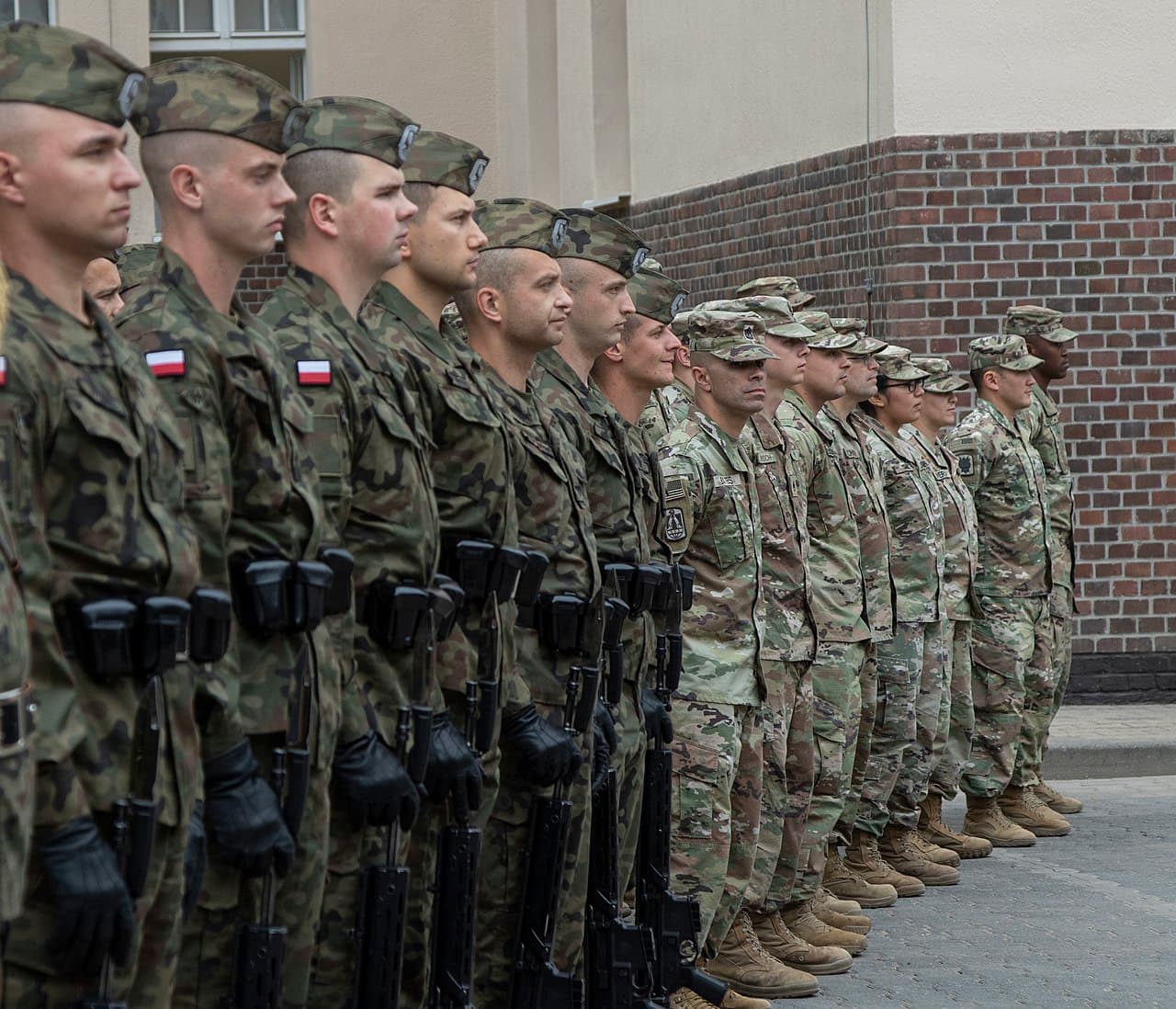
Poland is spending over 4% of GDP on defense and buying hundreds of tanks, jets, and helicopters from South Korea and the United States. The numbers behind NATO's fastest military buildup tell a story about geography, history, and what it takes to build a credible deterrent force from scratch.
14 min read
Germany's Military Buildup: Europe's Biggest Defense Transformation in Decades
After decades of post-Cold War drawdowns, Germany announced a historic €100 billion defense fund and committed to rebuilding the Bundeswehr from the ground up. Here is what Europe's largest economy is actually buying, spending, and struggling to fix.
14 min read
Active Protection Systems Explained: How Trophy APS Stops Anti-Tank Missiles
Active protection systems like Trophy can intercept anti-tank missiles before they hit. Here is how APS works and why every modern tank needs one.
12 min read
The M1E3 Abrams: Inside the Army's Revolutionary Next-Generation Tank
The M1E3 is the biggest Abrams redesign in 40 years. Here is everything publicly known about the Army's next-generation main battle tank.
13 min read
10 Best Tanks in the World (2026): Ranked After Real Combat Data from Ukraine
The Leopard 2A7 takes the top spot. The T-90M drops. The M1 Abrams gets a reality check from Ukraine. Three years of real combat data have reshuffled these rankings. Here's what changed and why.
17 min read
M1 Abrams vs Leopard 2: Side-by-Side Comparison of the West's Best Tanks
The M1 Abrams runs on a 1,500 HP gas turbine; the Leopard 2 uses a diesel. One dominates exports; the other has an undefeated combat record. Full specs, armor, firepower, and mobility compared.
28 min read
What the US Military Does With Old Gear After It Is Retired
The systems, processes, and decisions that determine what happens to military equipment when it leaves active service.
28 min read
Why Military Logistics Decide Wars More Than Weapons
Logistics, sustainment, and organization often matter more than individual weapons systems.
22 min read
Why Bigger Militaries Don't Automatically Win Wars
Why military size doesn't guarantee victory in modern warfare.
32 min read
Why Militaries Keep Old Equipment Long After New Systems Exist
Why forces continue operating decades-old platforms alongside cutting-edge systems.
26 min read
What Military Readiness Actually Means (And How It's Measured)
A comprehensive guide to military readiness, what it measures, and why it matters.
25 min read
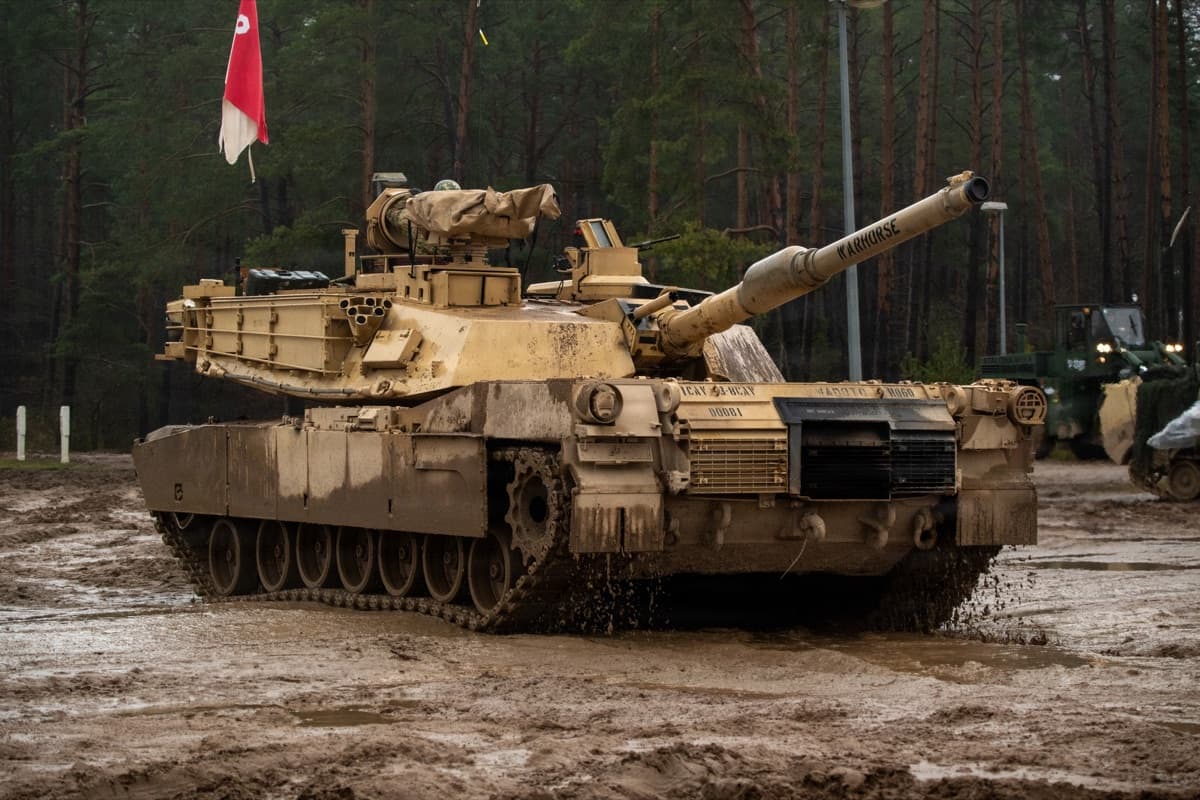
Here's Why The M1 Abrams Tank is So Feared
The M1 Abrams dominates the battlefield with its 120mm cannon, advanced composite armor, and 1,500-horsepower turbine engine, making it one of the most feared tanks in the world.
3 min read
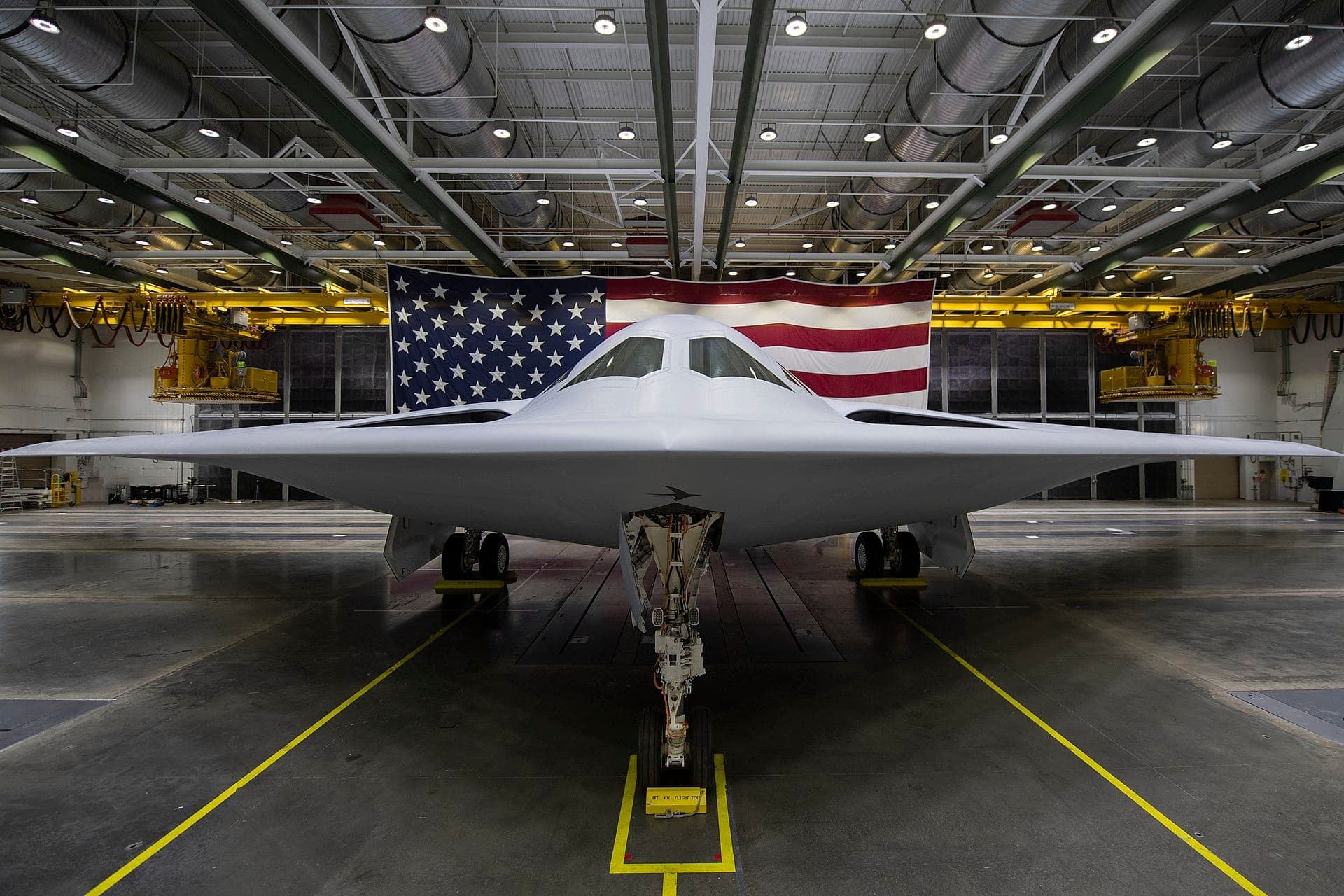
Why the B-21 Raider Bomber Is So Badass
The B-21 Raider combines next-generation stealth technology, advanced networking capabilities, and nuclear delivery capability to become America's most formidable strategic bomber.
3 min read
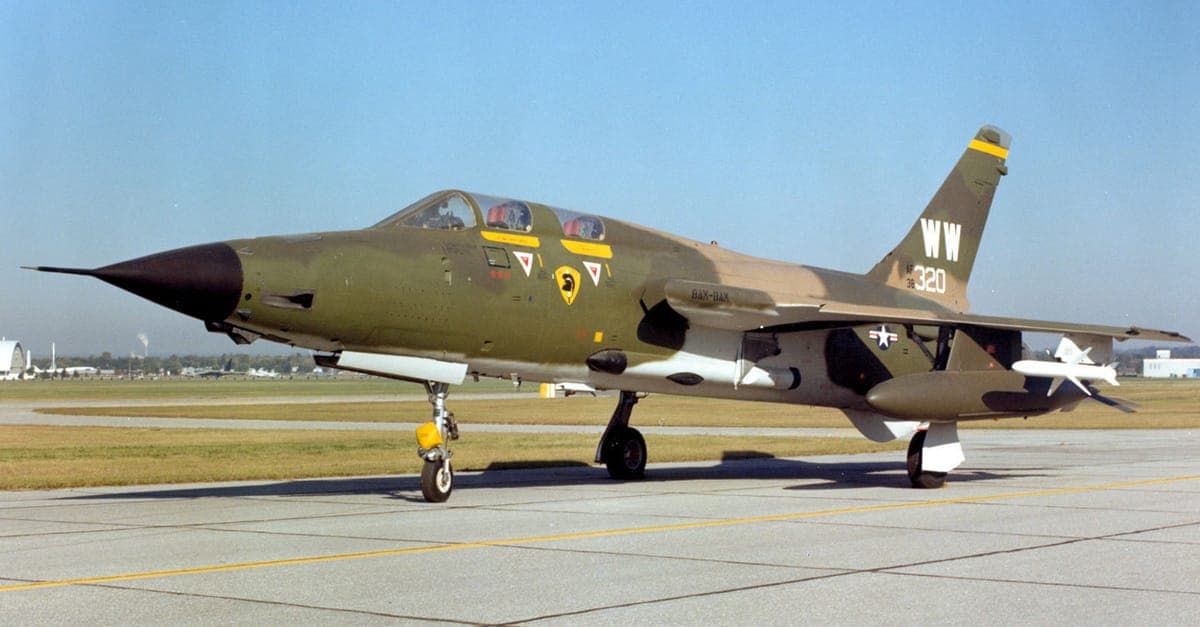
Why the F-105 Thunderchief Is One of the Most Badass Planes Ever Made
The F-105 Thunderchief was the largest single-engine fighter ever built, delivering more bombs over North Vietnam than any other aircraft while enduring devastating losses in the most dangerous skies of the Cold War.
3 min read
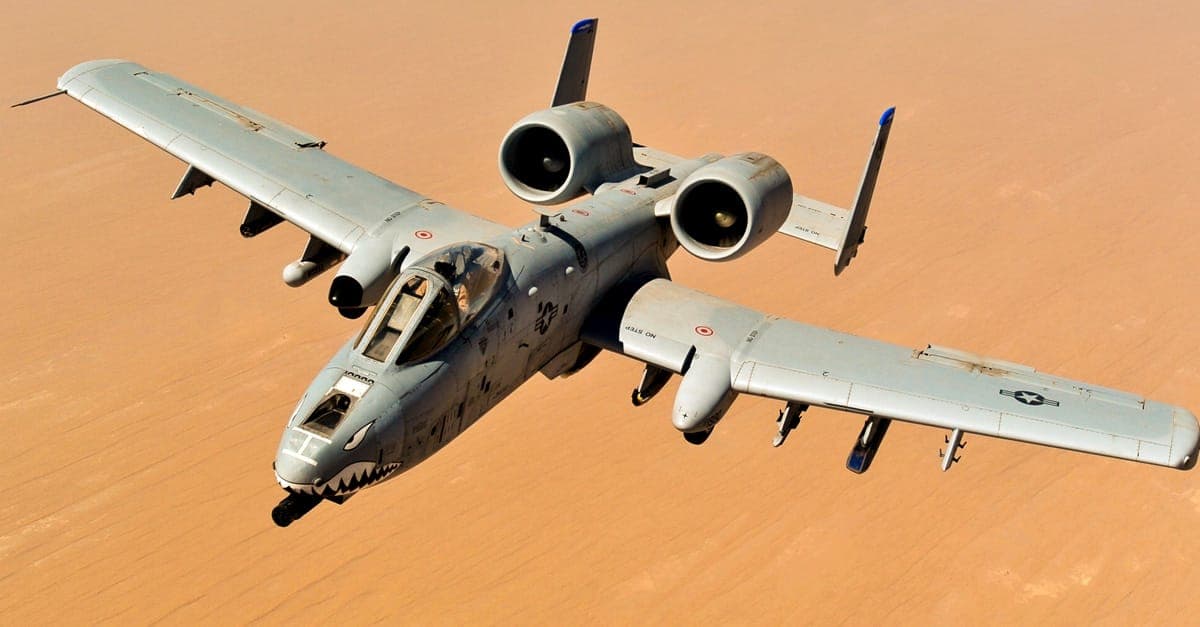
How Much Does an A-10 Warthog Cost?
An A-10 Warthog costs approximately $18.8 million per aircraft, with an hourly operating cost of around $6,000, making it one of the most cost-effective combat aircraft in the U.S. inventory.
3 min read
How Many 30mm Rounds Does an A-10 Warthog Carry?
The A-10 Warthog carries 1,174 rounds of 30mm ammunition for its legendary GAU-8 Avenger cannon, the most powerful aircraft gun ever mounted on a production aircraft.
3 min read
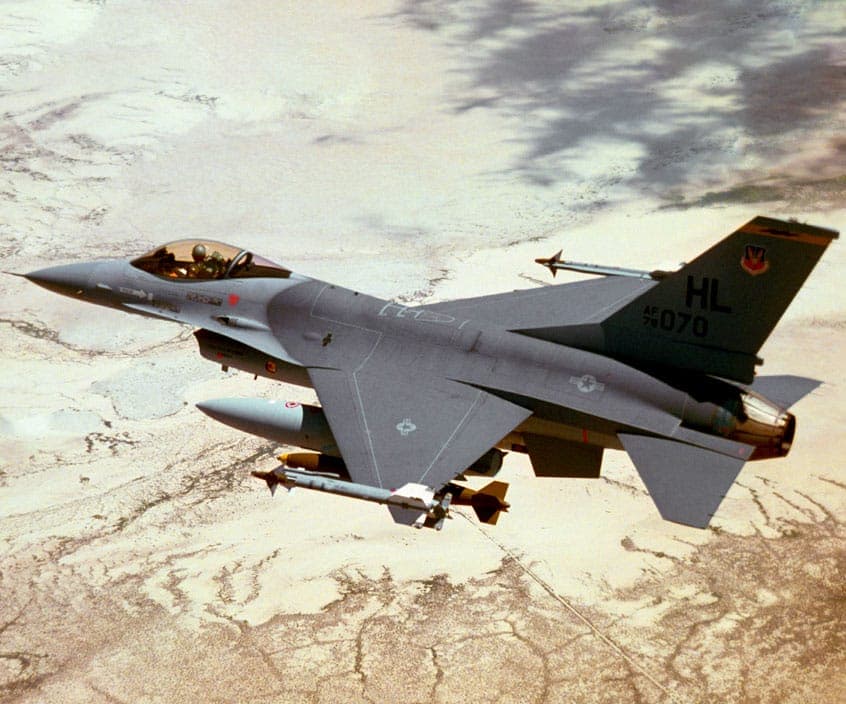
Which Aircraft Would Win in a Dogfight: F-16 or F-15?
In a dogfight, the F-15 Eagle's superior speed, radar, and twin-engine power typically prevail, though the lighter F-16 can exploit its agility advantage in close-quarters combat.
3 min read
Which Aircraft Would Win in a Dogfight: F-35 or F-22?
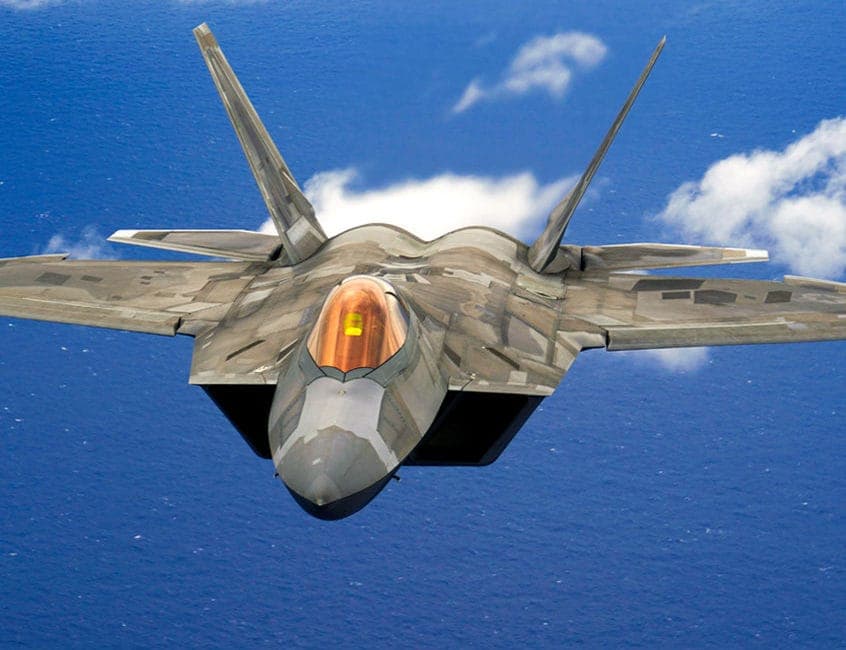
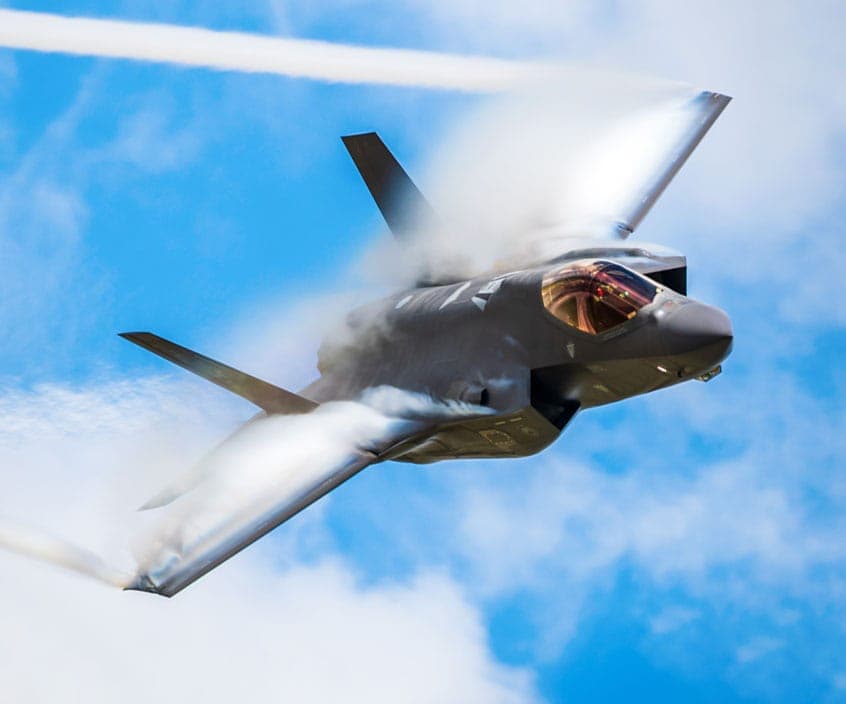
In a pure dogfight, the F-22 Raptor's superior speed, maneuverability, and thrust vectoring give it a decisive edge over the F-35, though real combat involves far more variables.
3 min read
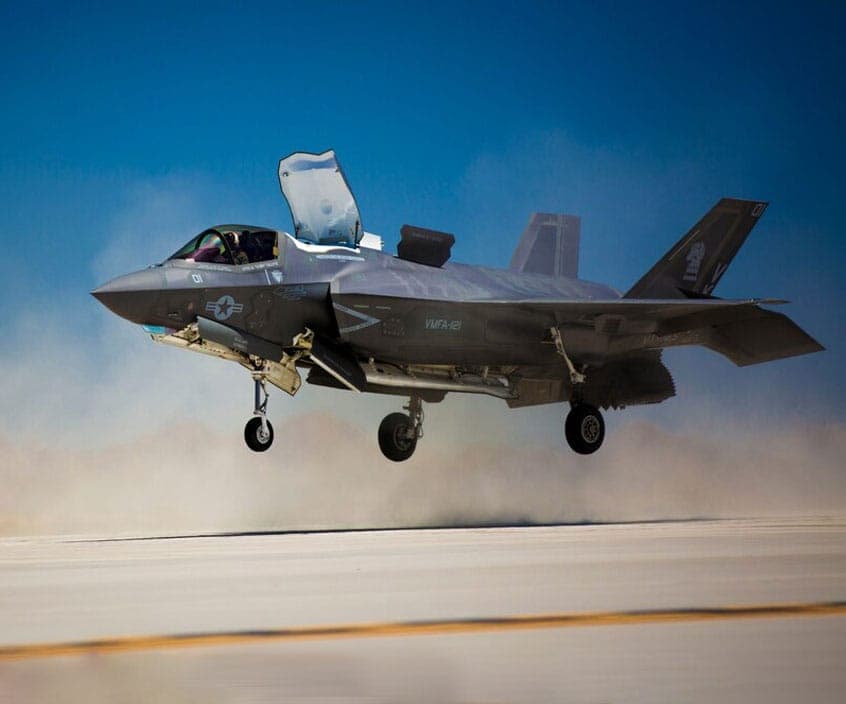
Why is the F-35 Called "Fat Amy"?
The F-35 earned the unofficial nickname 'Fat Amy' from critics who view its larger fuselage and higher weight as drawbacks compared to sleeker fourth-generation fighters.
3 min read
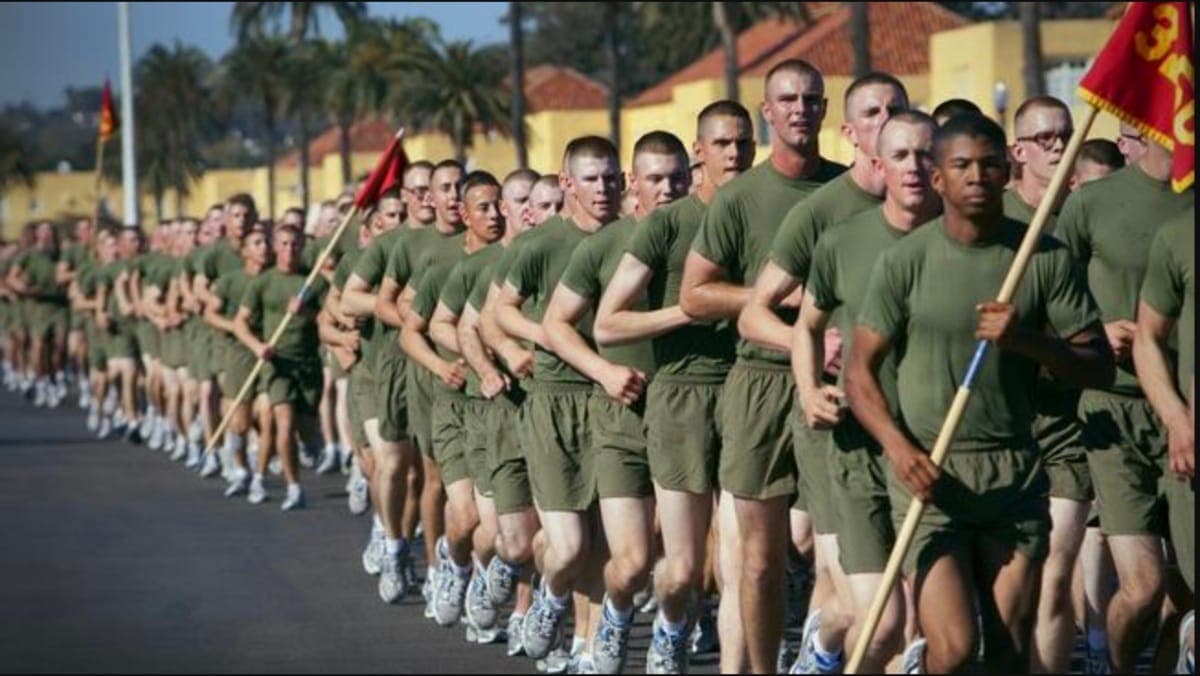
What Are the Requirements to Join the US Marines?
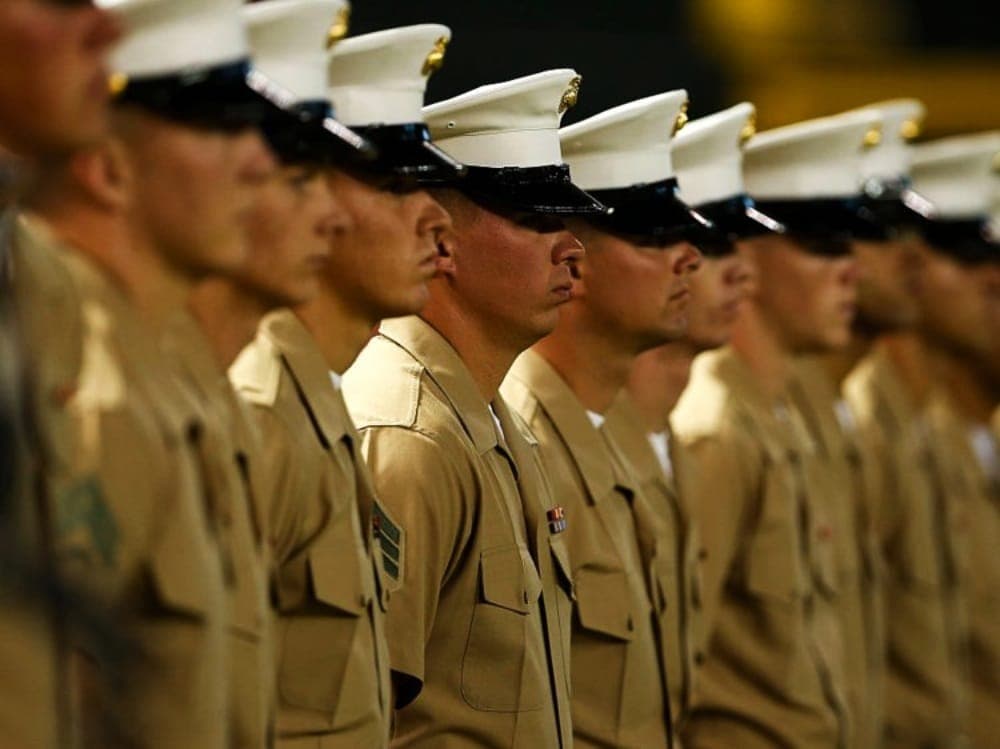
To join the US Marines, applicants must be 17-28 years old, pass the ASVAB with a minimum score of 32, meet strict physical fitness standards, and clear medical and background checks.
3 min read
What Are the Qualifications for Joining the US Military?
Joining the US military requires US citizenship or legal residency, age 17-39 depending on branch, high school diploma, passing ASVAB scores, and meeting physical and medical standards.
3 min read
Why is The F-35 Called "Lightning II"?
The F-35 Lightning II honors the legendary P-38 Lightning of WWII, connecting Lockheed Martin's newest stealth fighter to one of aviation's most iconic aircraft.
3 min read
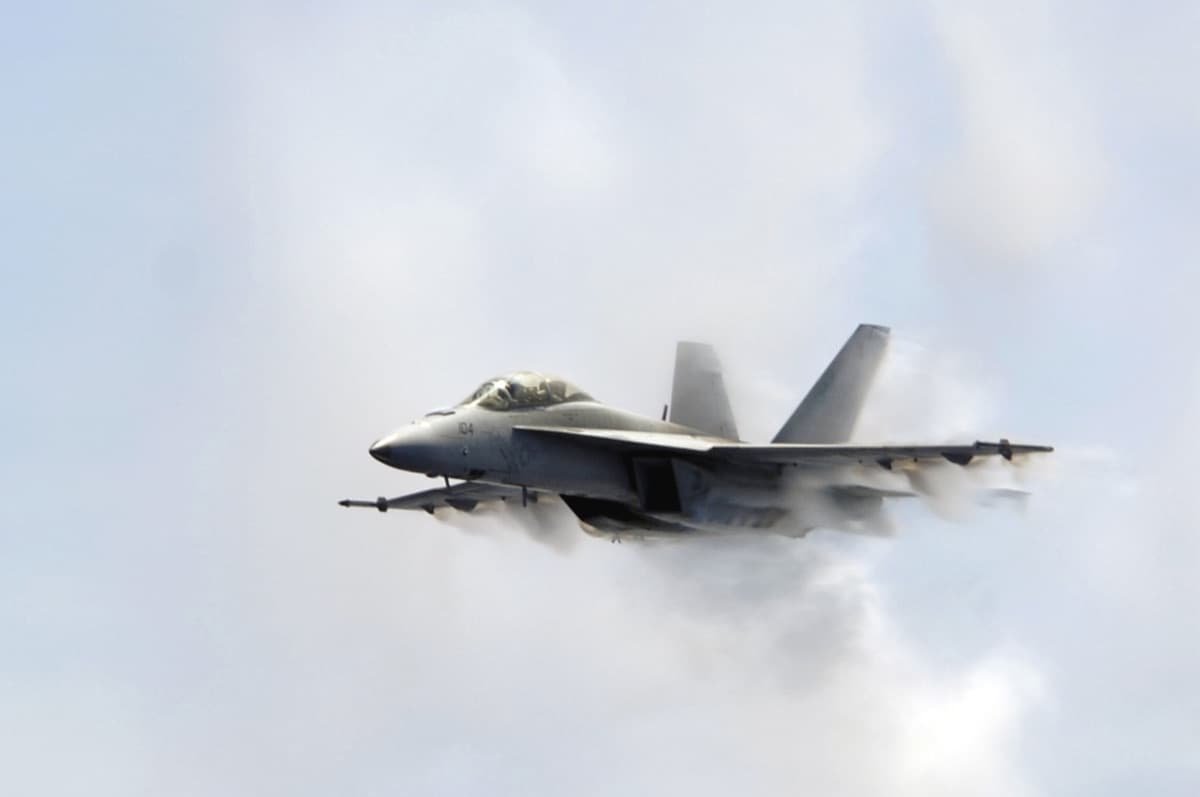
Why is The F/A-18E/F Called "Super Hornet"?
The F/A-18E/F earned the 'Super Hornet' name because it represents a significantly larger, more powerful evolution of the original F/A-18 Hornet while maintaining the same basic design philosophy.
3 min read
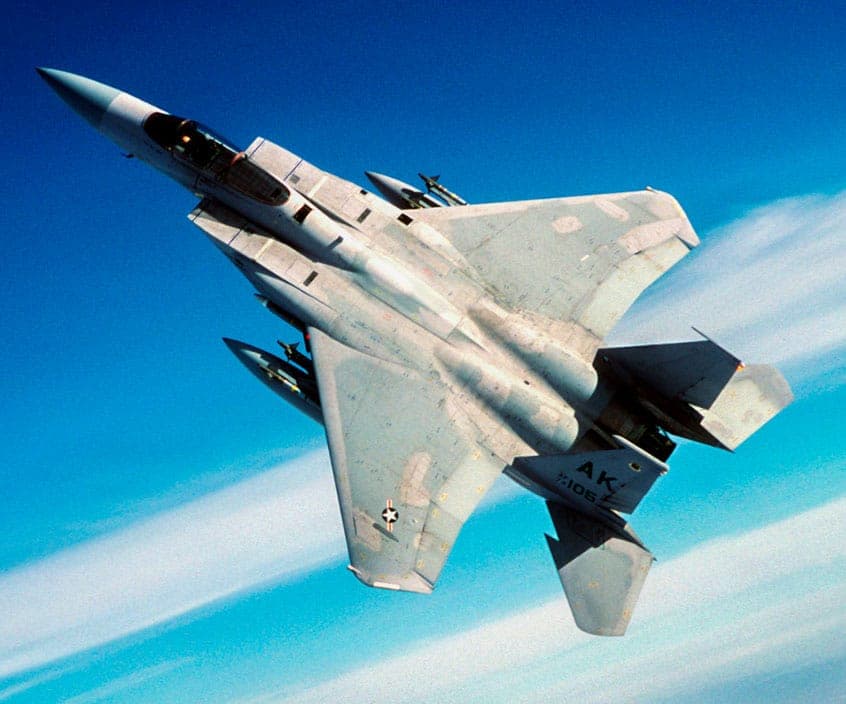
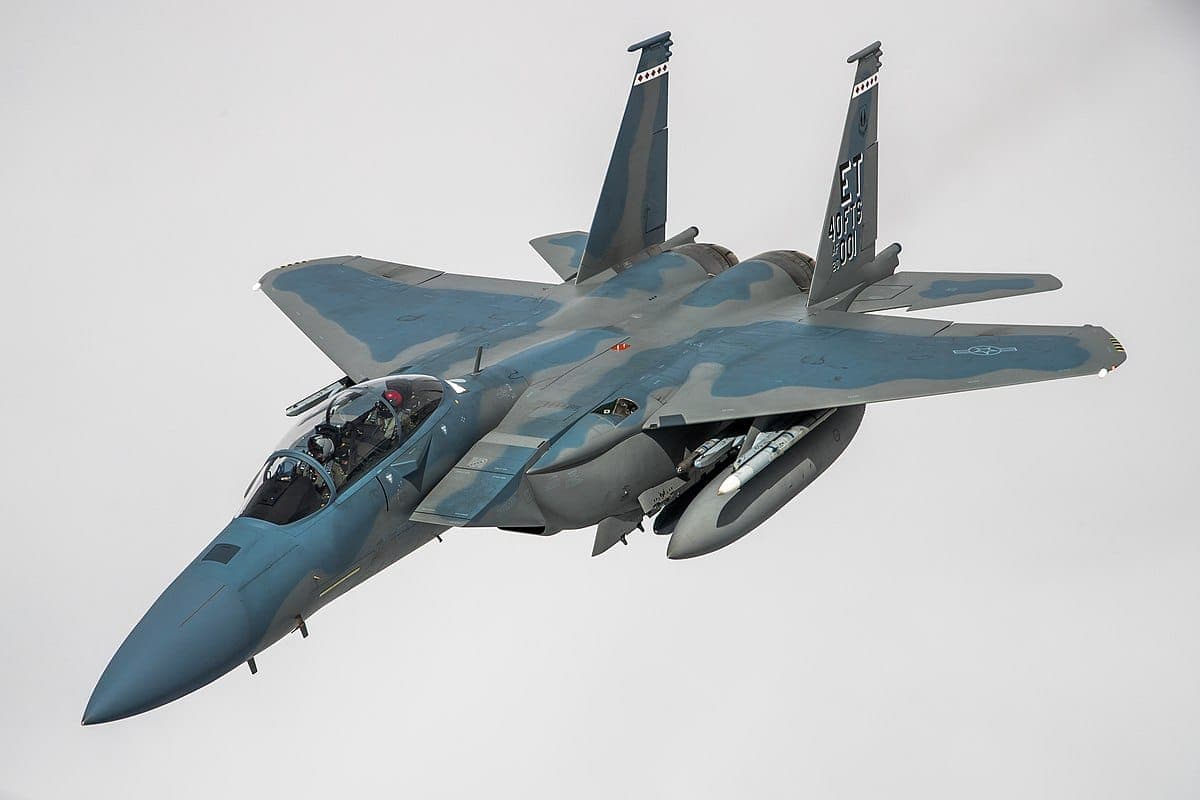
Why is The F-15 Called Eagle?
The F-15 Eagle earned its iconic nickname from the bald eagle, symbolizing American air superiority, strength, and the aircraft's distinctive wing design that resembles an eagle in flight.
3 min read
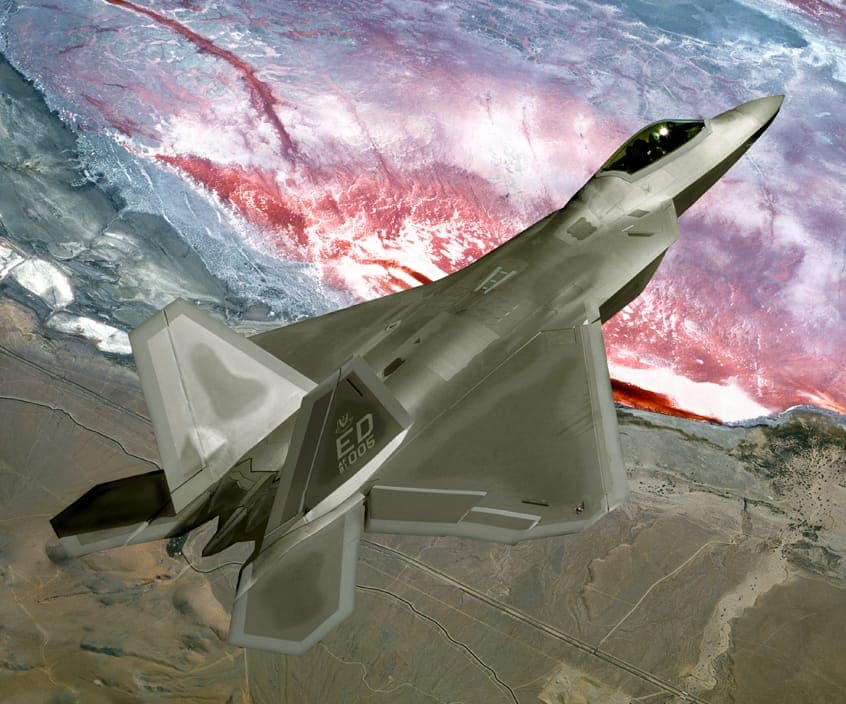
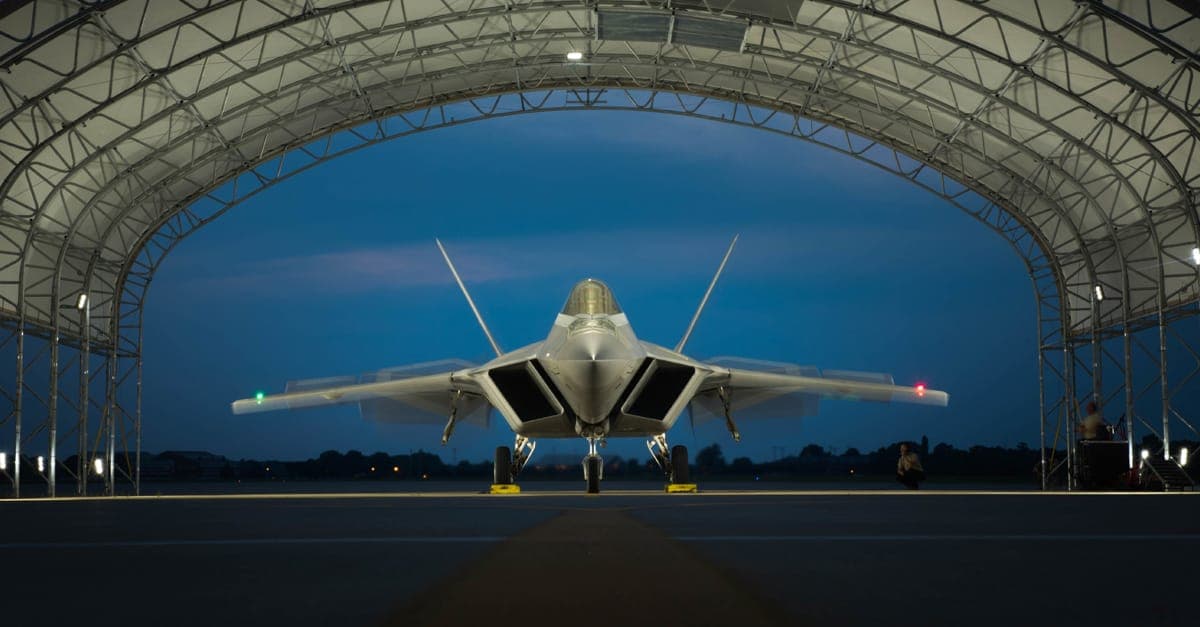
Why is The F-22 Called "Raptor"?
The F-22 Raptor takes its name from birds of prey known as raptors, reflecting the aircraft's role as an apex aerial predator with unmatched stealth, speed, and lethality.
3 min read
15 Incredible Facts About The F-15EX Eagle II
The F-15EX Eagle II is the most advanced F-15 variant ever built, combining 50 years of proven airframe design with cutting-edge avionics, electronic warfare systems, and the ability to carry 22 air-to-air missiles.
3 min read
How Much Does an F-22 Raptor Cost? Full Breakdown (2026)
The F-22 Raptor costs $334M per aircraft including R&D, $143M flyaway, and $85,000 per flight hour. Full cost breakdown vs. the F-35, F-15EX, and why restarting production would cost $50 billion.
8 min read
Flying Blind: The Early Days Of Rotary-Wing Aviation In The Marine Corps
With the advent of the marine helicopter in the late 1930’s, there came this idea of “vertical envelopment.” That’s the ability to pick-up and drop-off equipment and troops in remote…
4 min read
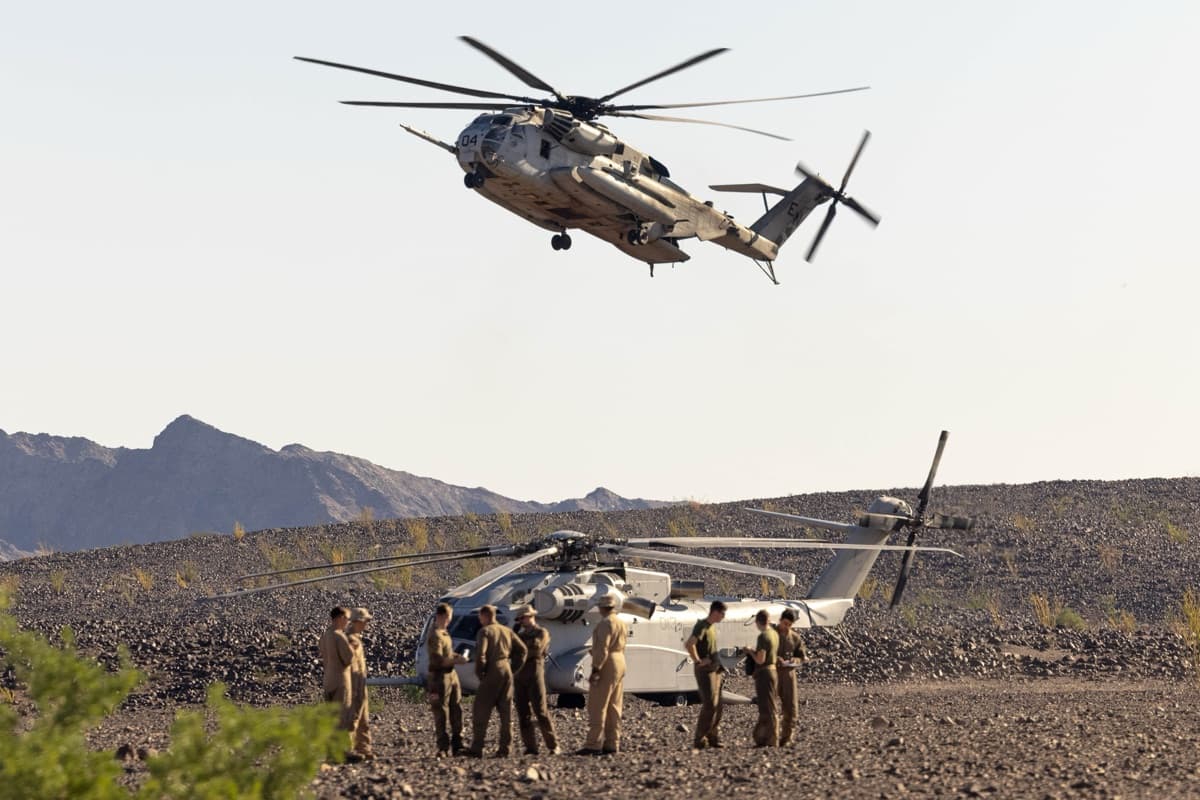
10 Most Expensive Military Helicopters in the World (2026 Prices)
From the $21M Black Hawk to the $122M CH-53K King Stallion, here are the 10 most expensive military helicopters ranked by cost with specs and what makes each worth the price.
9 min read
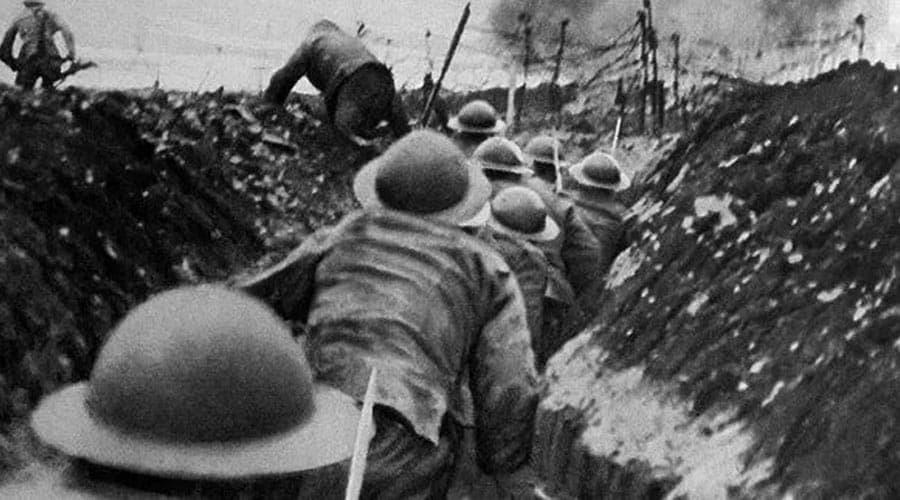
20 Chilling Quotes from the Trenches of World War I
Harrowing first-person accounts from soldiers who endured the mud, gas, and constant shelling of World War I's Western Front.
8 min read
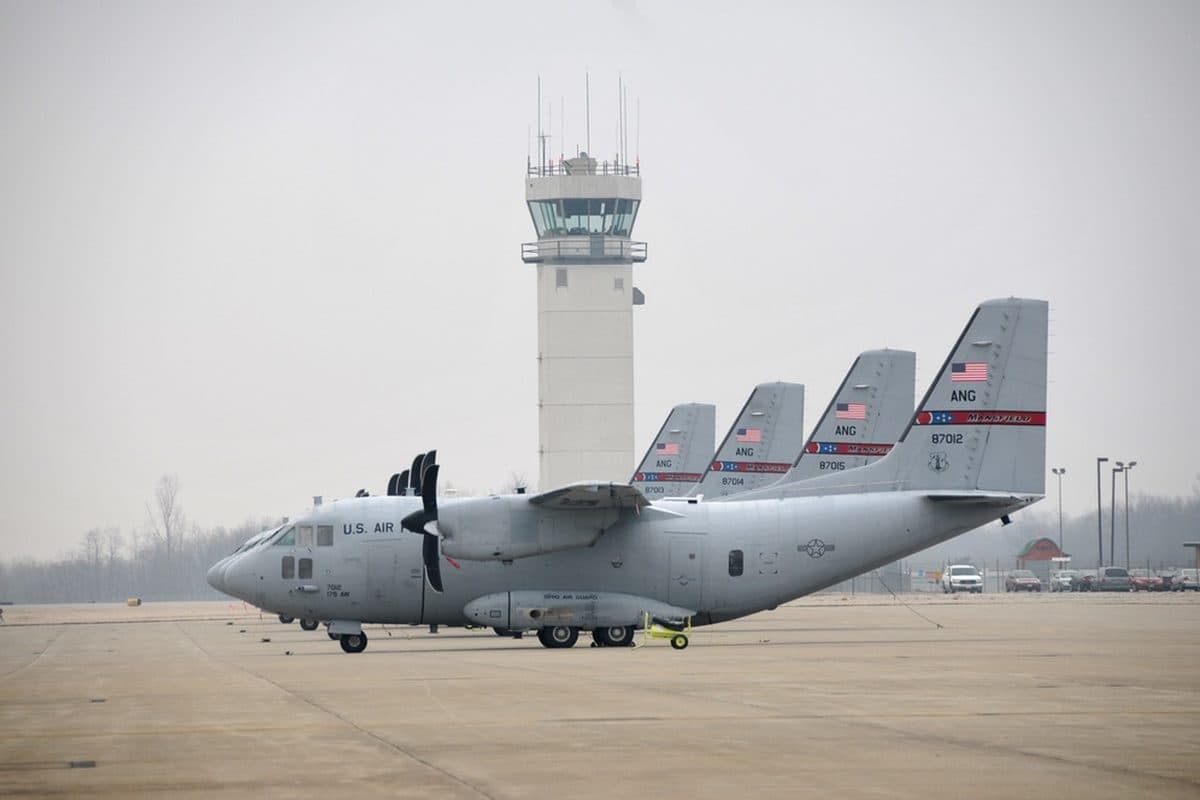
C-27J Spartan Joint Cargo Aircraft
Designed for operation in austere environments, the C-27J Spartan airlifter is the ideal solution for transporting troops and equipment to and from Forward Operating Bases….
7 min read
Desert Patrol Vehicle By Chenoweth Racing
The Scorpion DPV (Desert Patrol Vehicle), manufactured by Chenoweth Racing Company, is a lightly armored, high speed, dune buggy on steroids. It is used by special operations forces for long…
4 min read
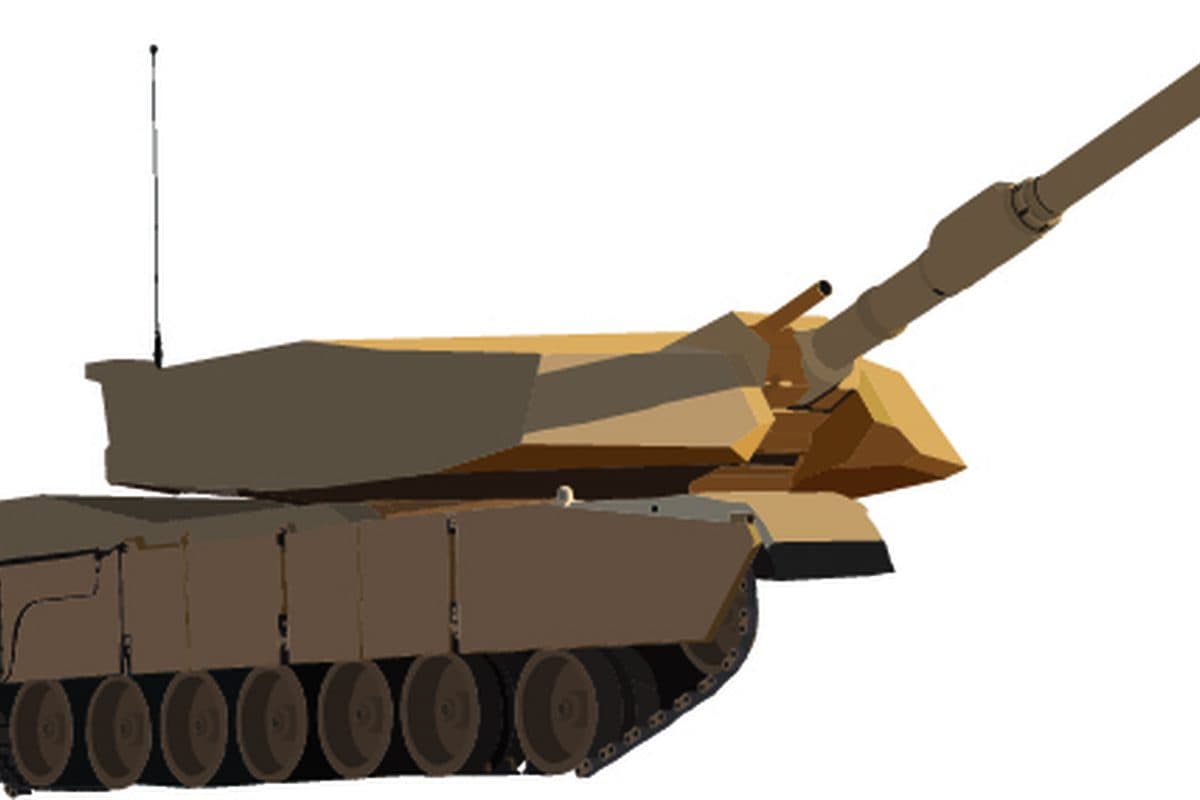
The M1 Abrams Premier Battle Tank
The M1 Abrams is the backbone of American armored warfare. Named after General Creighton Abrams, this 70-ton main battle tank combines heavy firepower, advanced armor, and gas turbine speed.
5 min read
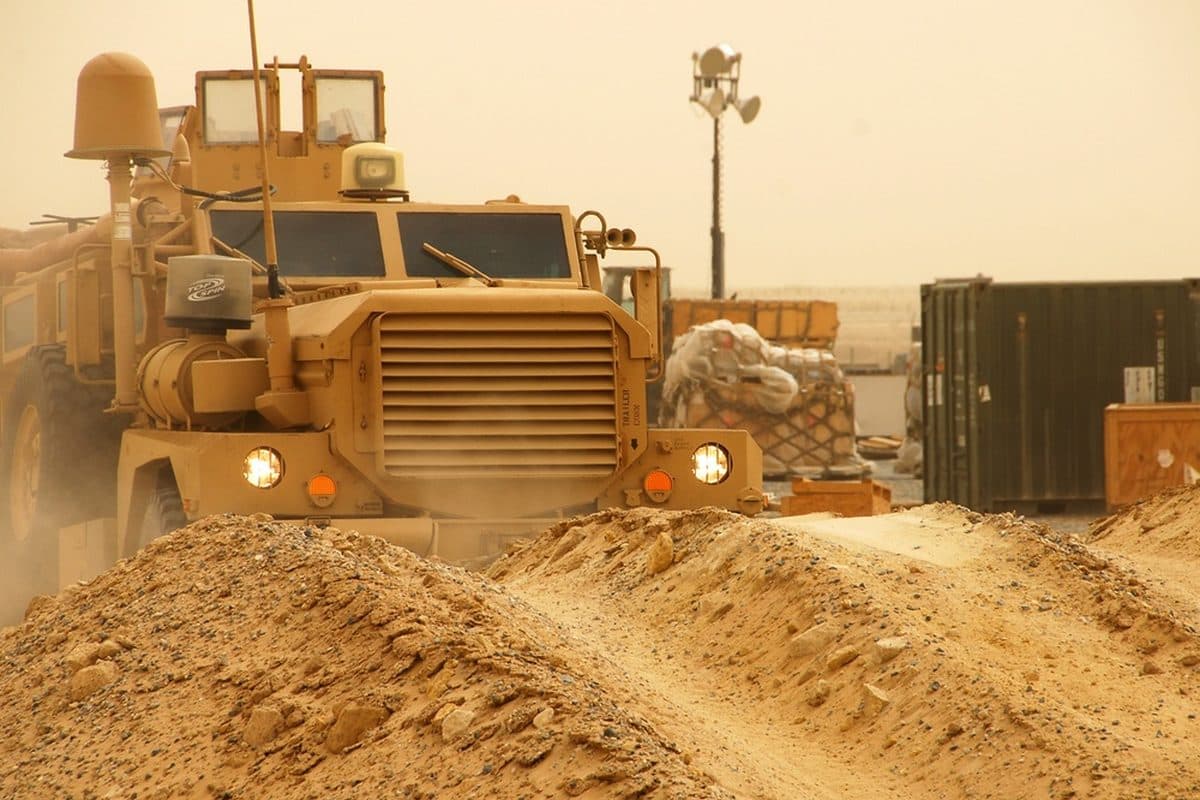
The Cougar Mine Protected Armored Patrol Vehicle (MRAP)
Imagine for a moment you are in Iraq. You’re conducting route reconnaissance between your Forward Operating Base and one of several Combat Outposts your FOB supports. It’s hot; you and…
5 min read
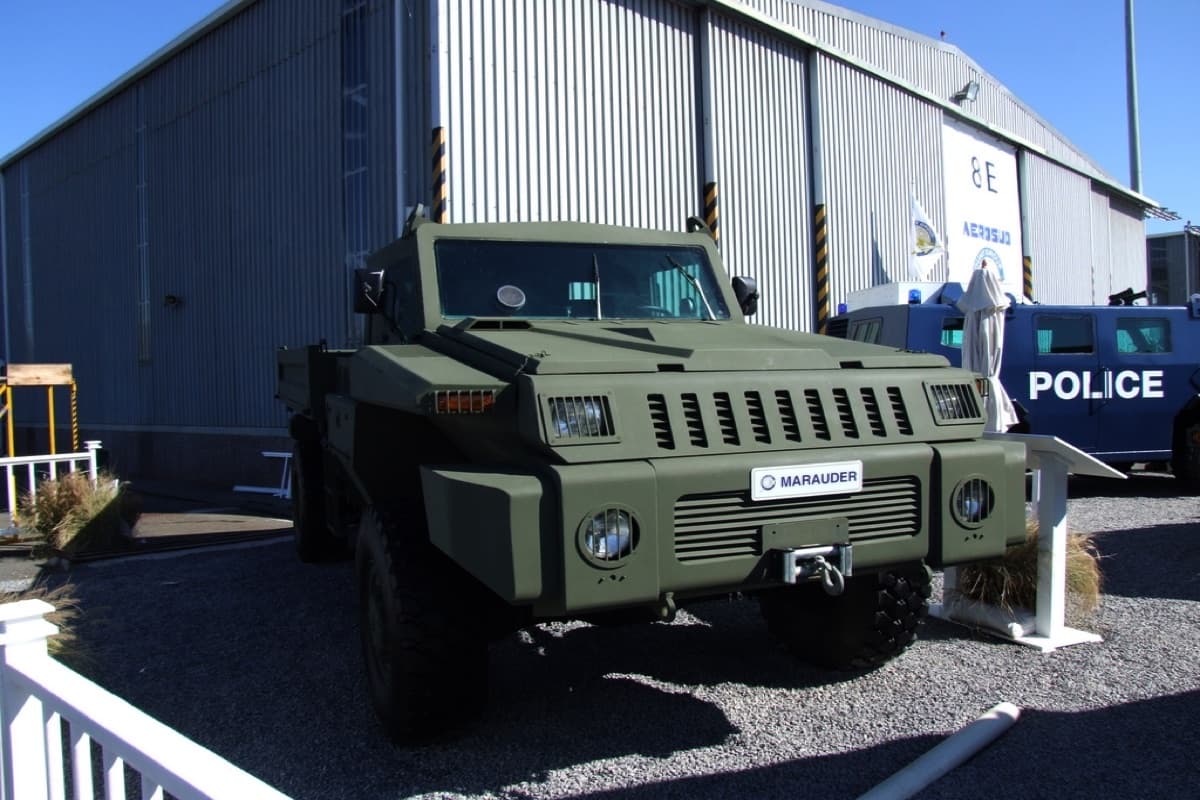
South Africa’s Marauder Armed Vehicle
The Marauder is a rugged and maneuverable armored armored vehicle produced by South Africa’s Paramount Group. First revealed in 2007 at the International Defense Exhibition in Abu Dhabi, the Marauder…
4 min read
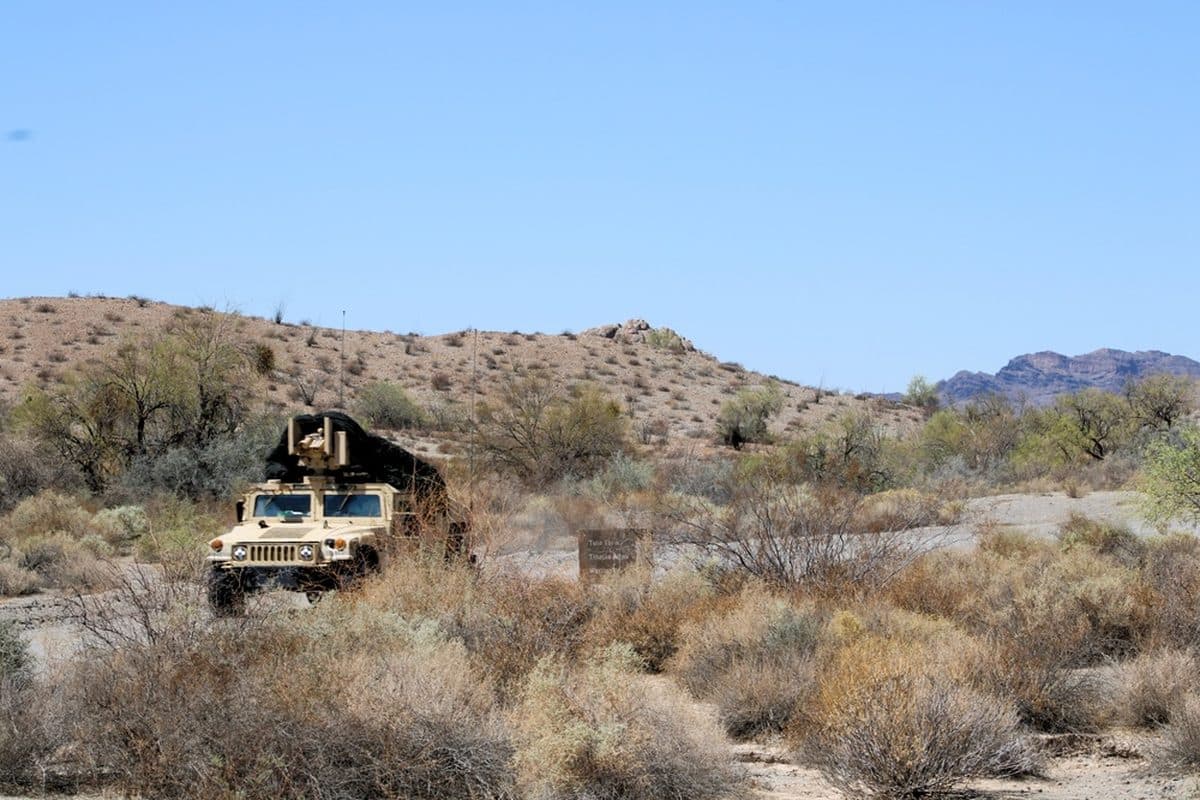
The HMMWV by AM General - Military Humvee
Manufactured by AM General, the High Mobility Multi-Purpose Wheeled Vehicle or Humvee as it is often referred to, is a mobile, four-wheel-drive, diesel tactical vehicle and serves at the core…
4 min read