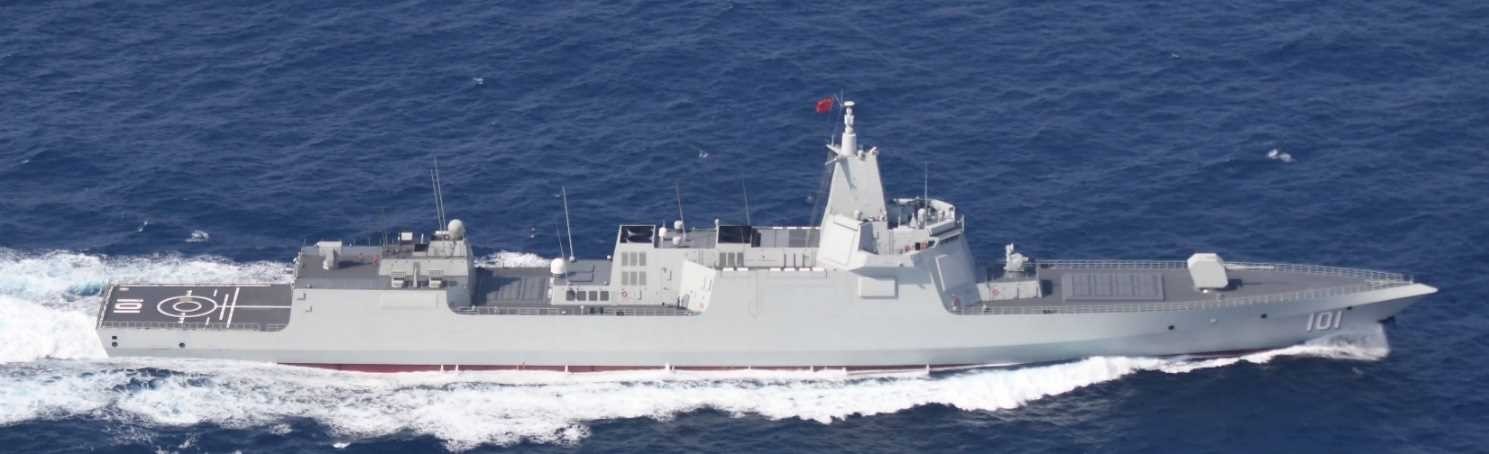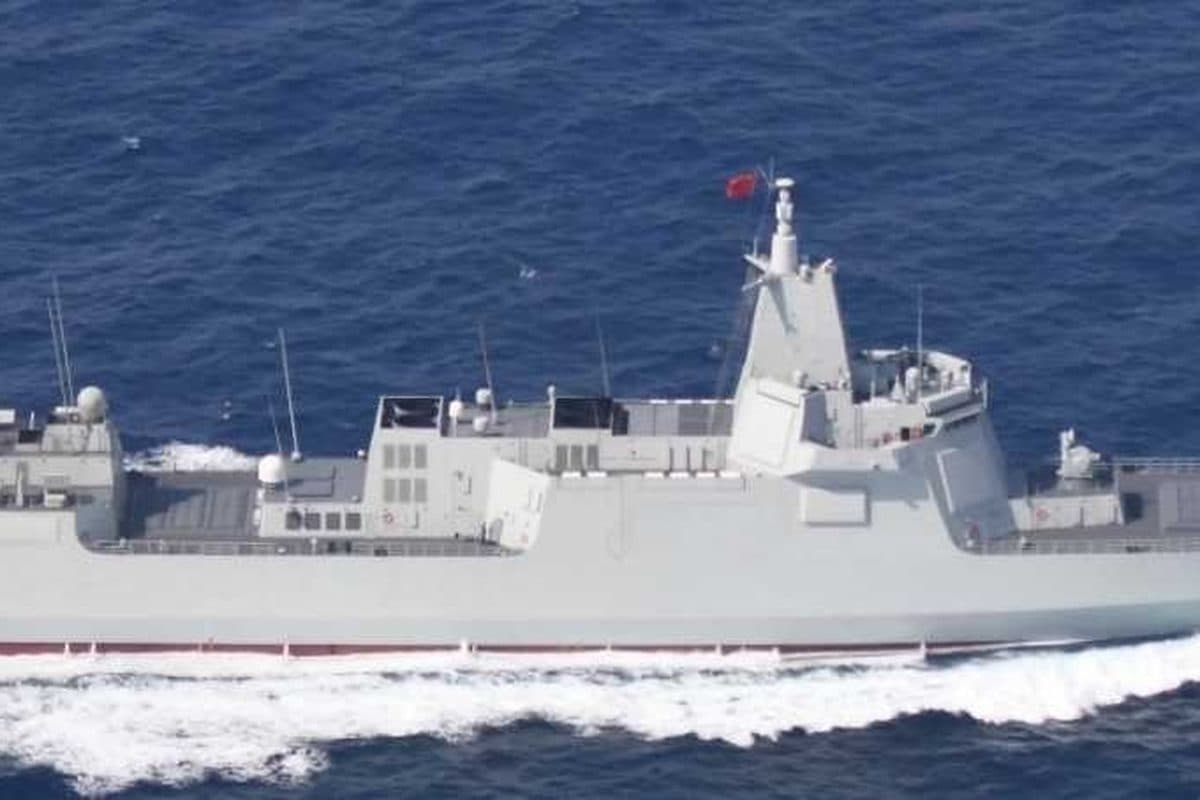

When China launched the first Type 055 warship, Nanchang (hull number 101), in 2017, Western naval analysts took notice immediately. The ship displaced over 12,000 tons, carried 112 vertical launch system (VLS) cells, and featured an integrated sensor mast that represented a generational leap in Chinese naval design. The U.S. Department of Defense reclassified the Type 055 as a cruiser, a designation that China rejects, calling it a destroyer. Whatever the label, the Type 055 Renhai class is the largest and most capable surface combatant built by any navy since the Ticonderoga-class cruisers entered service in the 1980s, and it signals China's intention to operate a blue-water navy capable of power projection far beyond its coastline.
Why China Built the Type 055
The People's Liberation Army Navy (PLAN) spent decades operating a coastal defense force composed of small frigates, missile boats, and diesel submarines. Beginning in the 2000s, China embarked on the most ambitious naval expansion since World War II, building aircraft carriers, nuclear submarines, amphibious assault ships, and increasingly capable surface combatants.
The Type 052D Luyang III-class destroyer, China's previous frontline surface combatant, was a capable ship with 64 VLS cells and a modern AESA radar. But it displaced only about 7,500 tons and lacked the sensor suite, weapons capacity, and electrical power generation needed for advanced missions like ballistic missile defense and long-range area air defense. China needed a larger, more powerful warship to serve as the air defense commander for carrier strike groups and to provide the capability to contest sea control against the U.S. Navy.
The Type 055 was the answer: a 13,000-ton warship with 112 VLS cells, a dual-band radar system, and enough electrical power to potentially accommodate future directed-energy weapons or advanced electronic warfare systems.