

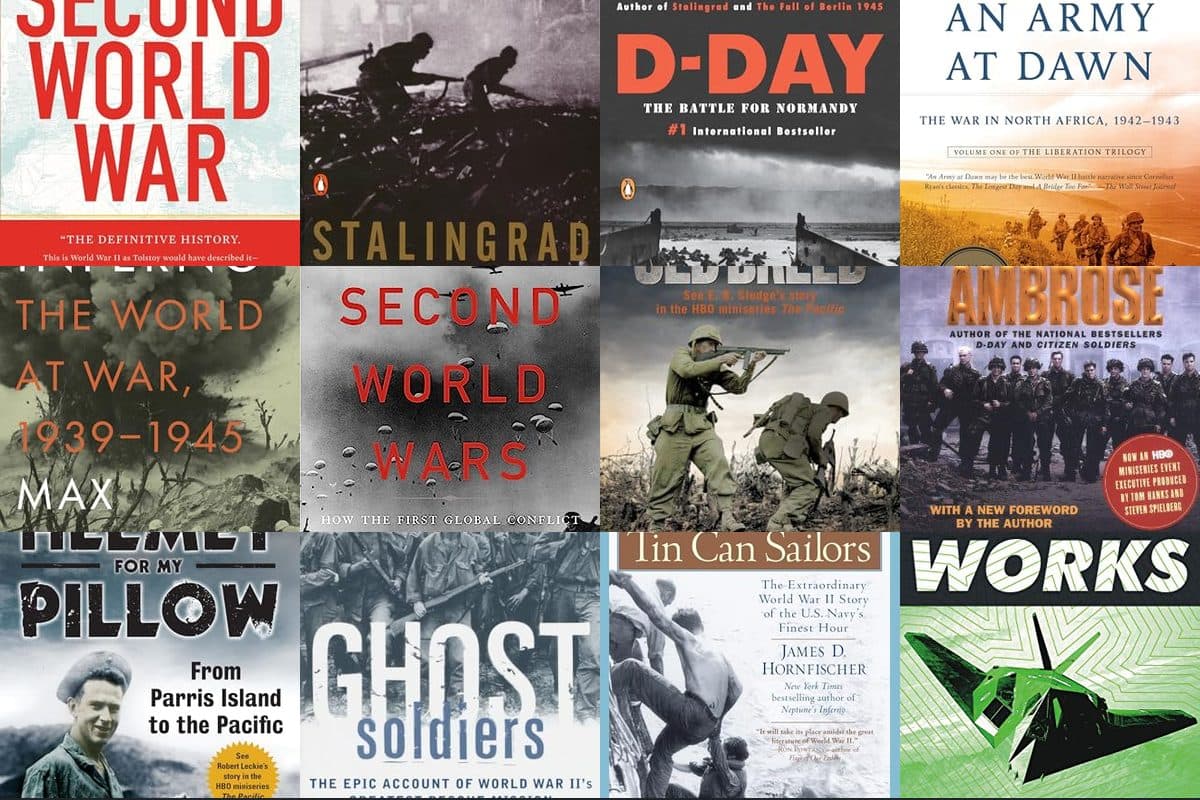
15 Best World War II Books for History Enthusiasts (2026)
15 essential WW2 books covering every theater. Narrative histories, memoirs, and visual references ranked.
daniel-mercer··21 min read
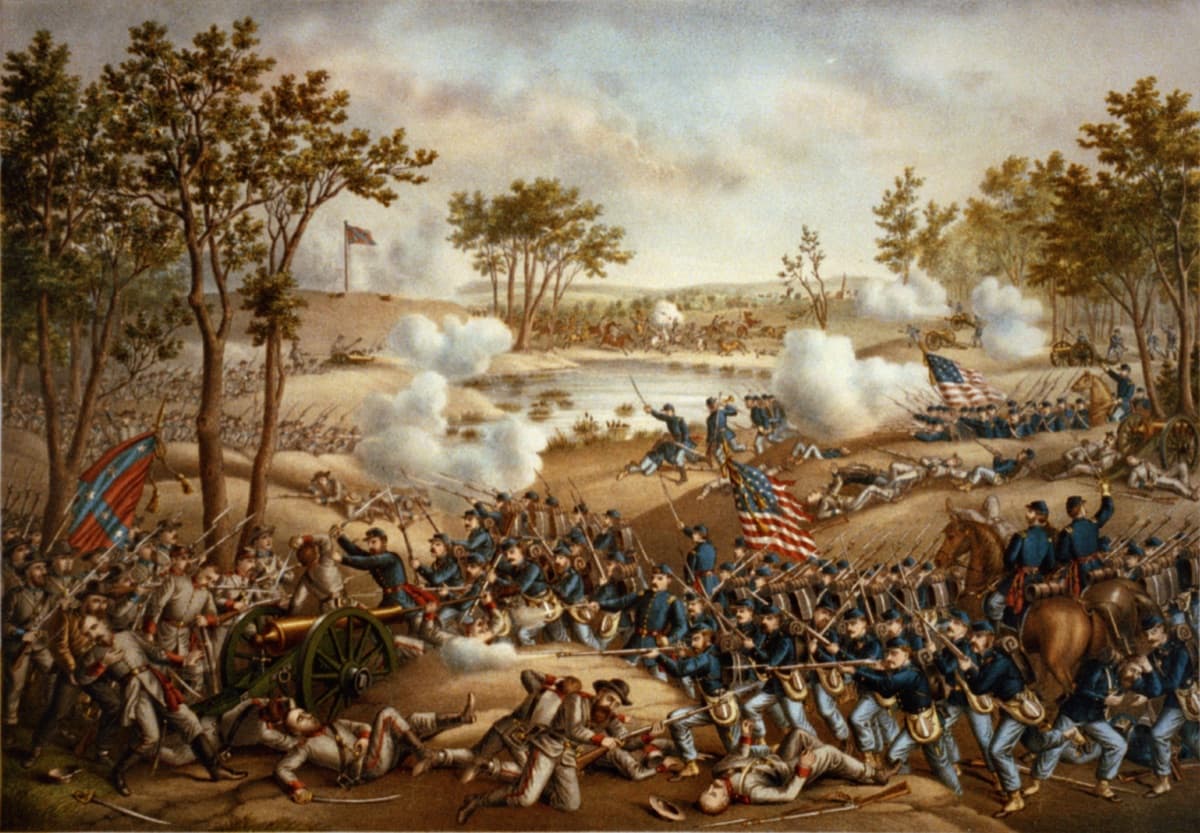
Lieutenant General Ulysses S. Grant positioned his forces for a massive frontal assault on entrenched Confederate positions at Cold Harbor, Virginia, an attack that would become one of the bloodiest and most controversial decisions of the Civil War when launched on June 3.
Ottawa chief Pontiac led a coalition of Native American tribes in besieging Fort Detroit, beginning Pontiac's War, the largest Native American resistance to British expansion after the French and Indian War.
Parliament passed the final Coercive Act, authorizing royal governors to quarter British soldiers in unoccupied houses, barns, and outbuildings throughout the American colonies. The act fueled colonial outrage and hastened the path to revolution.
Harriet Tubman guided three Union gunboats up the Combahee River in South Carolina, destroying Confederate supply depots and liberating more than 700 enslaved people in the first armed operation led by a woman in the Civil War.
Union forces completed their positions for the ill-fated frontal assault at Cold Harbor, where 7,000 soldiers would fall in thirty minutes on June 3.
Confederate General Edmund Kirby Smith formally surrendered the Trans-Mississippi Department at Galveston, ending organized Confederate military resistance west of the Mississippi River nearly two months after Appomattox.
Operation Dynamo continued as the Luftwaffe intensified its attacks on the Dunkirk beaches and harbor, sinking multiple ships while over 26,000 troops were evacuated on this day alone.
The German 5th Mountain Division and remnants of the 7th Flieger Division completed the conquest of Crete as the last British rearguard and Allied stragglers on the south coast were captured or took to the mountains.
The Japanese Combined Fleet under Admiral Yamamoto approached Midway Atoll, unaware that American codebreakers had revealed the plan and three US carriers lay in ambush northeast of the island.
Fifteenth Air Force B-17s bombed the rail yards at Debrecen, Hungary, and continued on to land at Soviet airfields near Poltava, opening the Operation Frantic shuttle bombing campaign aimed at stretching Luftwaffe defenses.
Elizabeth II was crowned Queen at Westminster Abbey in a ceremony watched by millions worldwide. As head of the British Armed Forces, she became commander of the largest military alliance in history through NATO.
US Army Sergeant Bowe Bergdahl was released by the Taliban after five years of captivity in exchange for five Taliban detainees from Guantanamo Bay, sparking intense controversy over the terms of the swap.

French nobleman and cavalry officer who served in the Seven Years' War before becoming the controversial writer whose name gave rise to the term "sadism."

British-born Australian war correspondent and Army veteran of the Boer War who covered multiple 20th-century conflicts.

Italian general and nationalist hero who unified Italy through a series of brilliant guerrilla campaigns, including his legendary defense of Rome and the Expedition of the Thousand.
Wear the Timeline
11 military events occurred on June 2, spanning multiple centuries. Key events include: Grant Prepares for the Assault at Cold Harbor (1864), Pontiac's Siege of Fort Detroit Begins (1763), Kirby Smith Surrenders the Trans-Mississippi Department (1865).
The most significant military event on June 2 is Grant Prepares for the Assault at Cold Harbor (1864). Lieutenant General Ulysses S. Grant positioned his forces for a massive frontal assault on entrenched Confederate positions at Cold Harbor, Virginia, an attack that would become one of the bloodiest and most controversial decisions of the Civil War when launched on June 3.
Notable military figures born on June 2 include Marquis de Sade (1740–present), Karl Adolf Eichmann (1906–present).
Events on June 2 span the Civil War, the Colonial & Revolutionary era, World War II, the Cold War, the Modern Era, covering 11 events across 4 centuries of military history.
Events on June 2 involve 4 branches of the U.S. and allied armed forces, reflecting the global scope of military operations throughout history.
Explore military history from the day you were born.
June 6
The Allied invasion of Normandy, the largest amphibious assault in history.
December 7
Japan attacks the U.S. Pacific Fleet, bringing America into World War II.
September 11
The deadliest terrorist attack in history transforms U.S. national security.
August 6
The first atomic bomb is dropped on a city, ushering in the nuclear age.
May 8
Nazi Germany surrenders unconditionally, ending World War II in Europe.
November 11
Armistice Day marks the end of World War I and honors all who served.
June 4
The turning point of the Pacific War as the U.S. Navy destroys four Japanese carriers.
July 4
The Declaration of Independence is adopted, sparking the American Revolution.
15 essential WW2 books covering every theater. Narrative histories, memoirs, and visual references ranked.
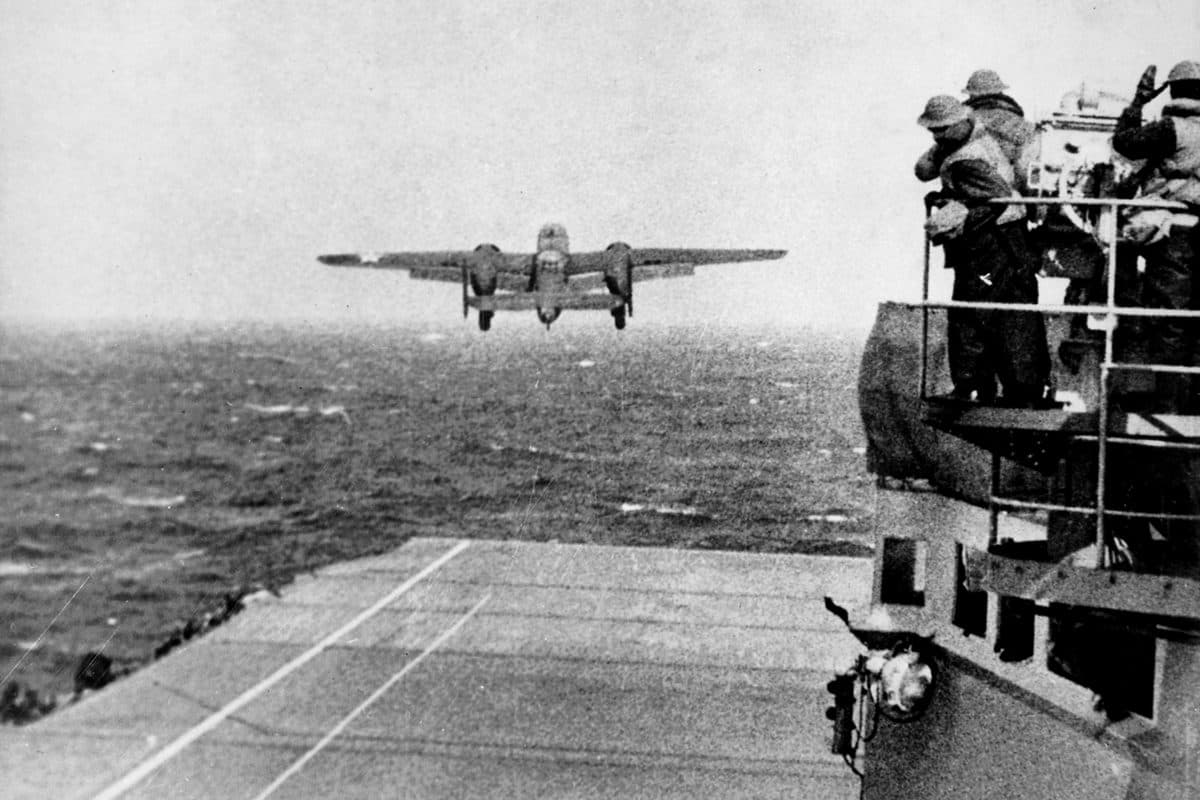
On April 18, 1942, sixteen B-25 Mitchell bombers did something no one thought possible: they launched from the deck of an aircraft carrier, flew 650 miles to Japan, and bombed Tokyo. Every aircraft was lost. The damage was negligible. The consequences changed the war.
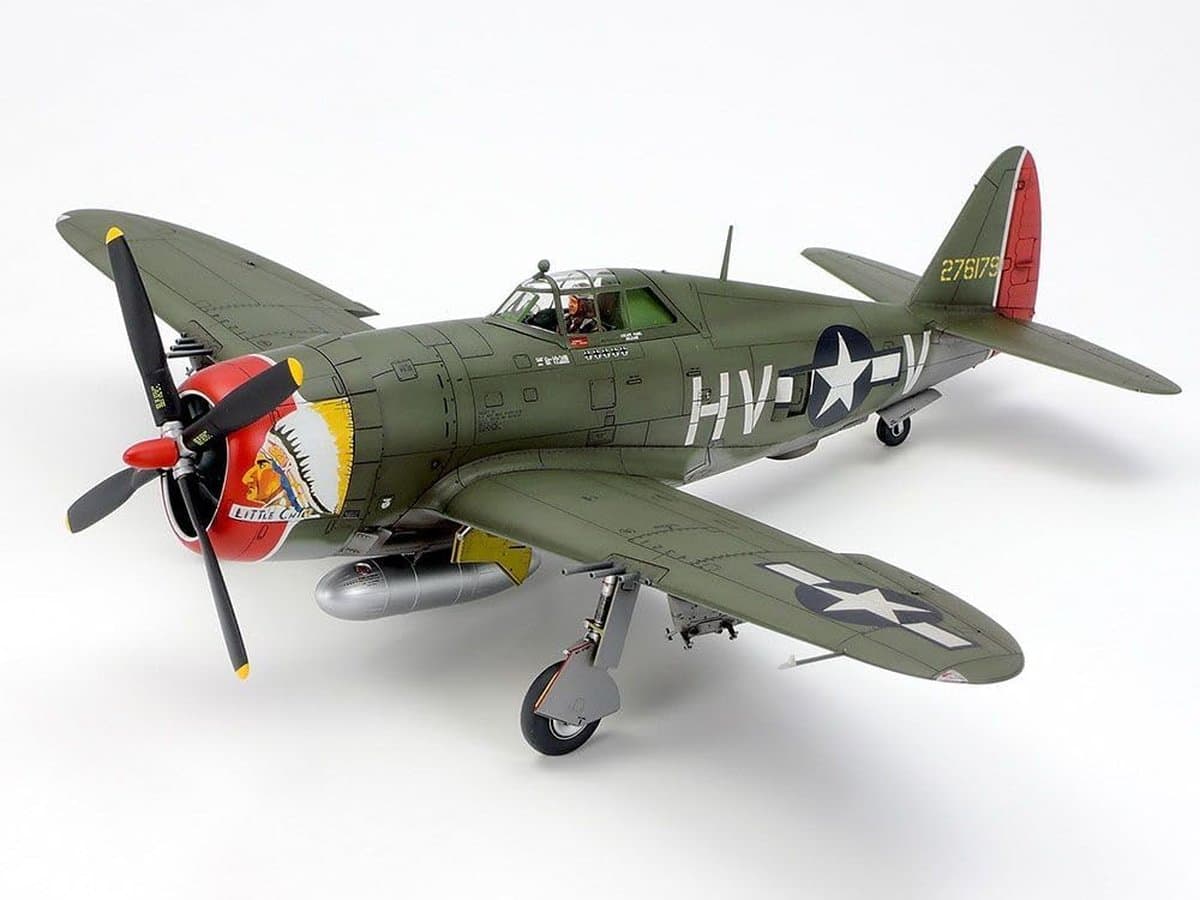
Compare 85+ WW2 scale model kits across aircraft, tanks, and ships. Beginner builds from $9 to museum-grade showpieces at $580. Covers Tamiya, Eduard, HK Models, Trumpeter, and more with honest reviews, trade-offs, and pricing.

On April 7, 1945, the Imperial Japanese Navy sent the largest battleship ever built on a one-way suicide mission to Okinawa. She never arrived. 386 American aircraft found her first, and sank her in under two hours.