
Skip to content
April 30:The Fall of Saigon51yr ago

March 3 in Military History

Share:

This Day in Military History: March 3

Go to Today
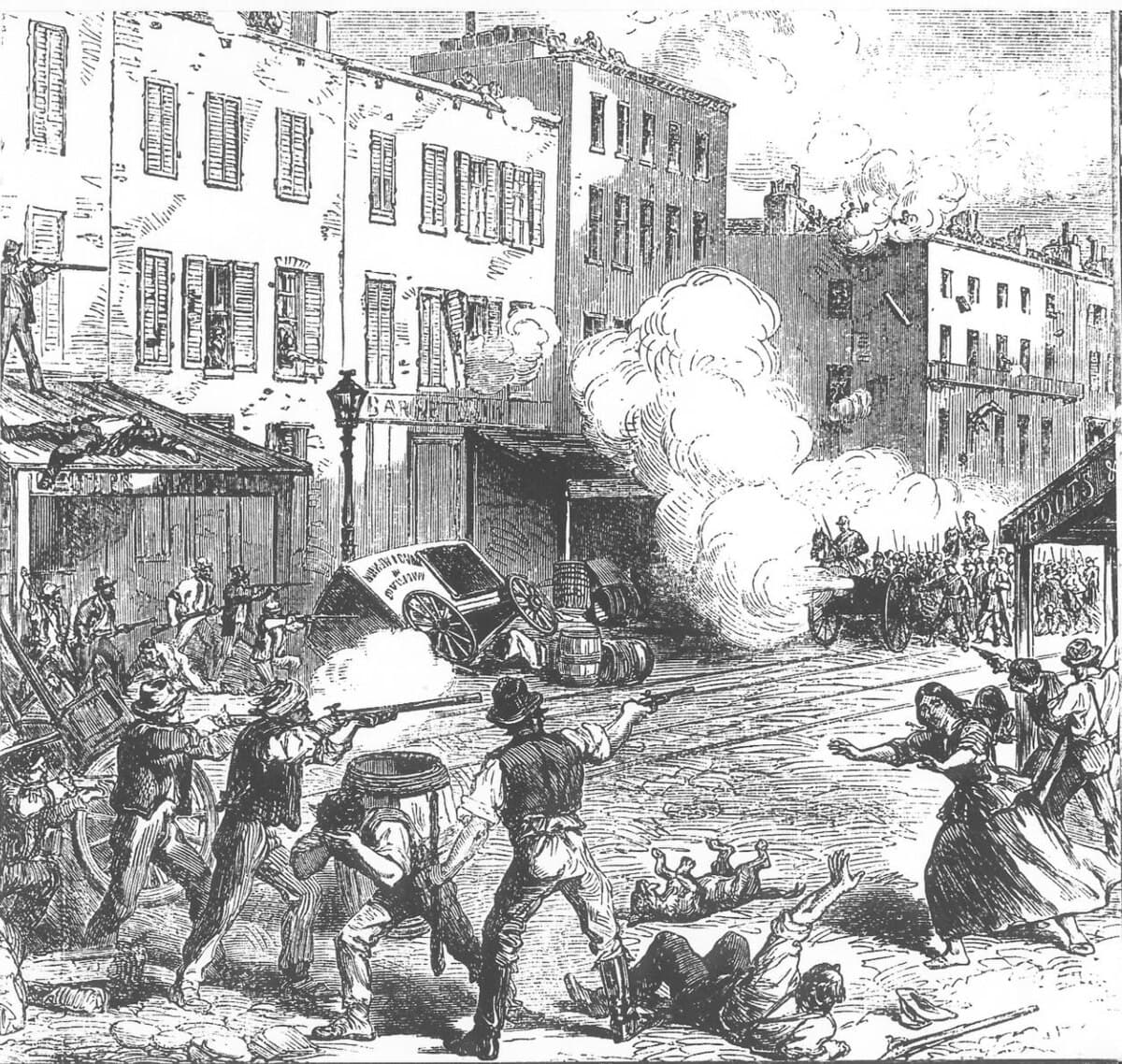
New York City Draft Riots of July 1863, triggered by the Enrollment Act signed on March 3, 1863
Defining Moment163 years ago

America's First Military Draft Becomes Law

Army· 1863

President Abraham Lincoln signed the Enrollment Act, establishing the first nationwide military conscription in American history. The law required registration of all males aged 20-45, but included a deeply controversial provision allowing the wealthy to pay a $300 commutation fee or hire a substitute, sparking the slogan "a rich man's war and a poor man's fight" and triggering the deadliest civil disturbance in American history.

12 events, 4 notable births, 2 notable deaths, and 5 military quotes12events4births2deaths5quotes

1700s

1776RevolutionaryMarinesNavy250 years ago250th Anniversary

Captain Samuel Nicholas led 234 Continental Marines and 50 sailors in the first amphibious landing in U.S. Marine Corps history, seizing Fort Montague and Fort Nassau in the Bahamas. The force captured 88 cannons, 15 mortars, and 24 casks of gunpowder desperately needed by the Continental Army, without suffering a single combat casualty.

1800s

1863Civil WarArmy163 years agoDefining Moment

President Lincoln signed the Enrollment Act, establishing the first nationwide military conscription. The law required registration of all males aged 20-45 but allowed wealthy men to pay $300 or hire substitutes, leading to the "rich man's war, poor man's fight" backlash and the New York City Draft Riots.

1865Civil WarArmy161 years ago

President Lincoln signed legislation creating the Bureau of Refugees, Freedmen, and Abandoned Lands, the Freedmen's Bureau, under the War Department's jurisdiction. Administered by Army officers, the bureau represented an unprecedented use of military infrastructure for domestic social welfare, providing food, education, and legal assistance to four million newly freed enslaved people.

1900s

1915WWIArmyNavy111 years ago

Congress created the National Advisory Committee for Aeronautics (NACA) as a rider to the Naval Appropriation Bill. At the time, the United States had just 23 military aircraft while France had 1,400 and Germany 1,000. NACA's research would give America decisive air superiority within a generation and eventually evolve into NASA.

1918WWI108 years ago

Soviet Russia signed the Treaty of Brest-Litovsk, ending its participation in World War I under devastating terms: Russia lost a quarter of its population, a quarter of its industry, and nine-tenths of its coal mines. The treaty freed one million German troops for redeployment to the Western Front, enabling the massive German Spring Offensive.

1942WWIINavy84 years ago

Nine Japanese Zero fighters attacked the Australian town of Broome, destroying 24 aircraft, including 15 flying boats loaded with refugees fleeing the Dutch East Indies, and killing at least 88 people. The raid demonstrated the reach of Japanese air power and disrupted a critical Allied evacuation route during the darkest period of the Pacific War.

1943WWIIAAF83 years ago

The Battle of the Bismarck Sea reached its climax as Allied aircraft devastated a Japanese convoy of 16 ships attempting to reinforce New Guinea. Using the revolutionary skip-bombing technique, B-25 Mitchells came in at mast height, skipping bombs into ship hulls with devastating accuracy. All eight transports and four destroyers were sunk; over 3,000 Japanese troops drowned.

Related article
1945WWIIArmy81 years ago

The month-long Battle of Manila concluded with the capture of the last Japanese strongpoints in the walled city of Intramuros. The fiercest urban combat fought by American forces in the Pacific, the battle killed over 100,000 Filipino civilians and left Manila, once the "Pearl of the Orient", in ruins rivaling Warsaw and Berlin.

1945WWII81 years ago

Finland formally declared war on Germany, its former co-belligerent against the Soviet Union, backdating the declaration to September 15, 1944. Finnish and German forces had already been fighting in the Lapland War since Finland's armistice with the Soviets, making the declaration largely a formality driven by intense Soviet and Allied pressure.

1945WWIINavyMarines81 years ago

Pharmacist's Mate Third Class Jack Williams, a 20-year-old Navy corpsman serving with the 28th Marines at Iwo Jima, was killed while repeatedly exposing himself to enemy fire to treat wounded Marines. He used his own body to shield a fallen Marine, was hit three times by enemy fire, dressed his own wounds, and continued treating casualties until killed by a sniper.

1968VietnamMarinesArmy58 years ago

The Battle of Hue, the longest and bloodiest engagement of the Tet Offensive, effectively concluded after 33 days of brutal house-to-house fighting. U.S. Marines and South Vietnamese forces retook the ancient imperial capital at a cost of over 600 Allied killed and 5,000 communist dead. Between 5,800 and 8,000 civilians were killed, including over 2,000 executed by North Vietnamese forces in the Hue Massacre.

Related article
1991ModernArmyNavyAir ForceMarines35 years ago

Iraqi military commanders formally accepted coalition ceasefire terms at Safwan Airfield in southern Iraq. General Schwarzkopf agreed to a fateful provision: Iraq could fly helicopters, ostensibly for transportation. Saddam Hussein immediately turned them into gunships to crush the Shia and Kurdish uprisings, a betrayal Schwarzkopf later called his greatest regret.

Related article

Enjoyed this page? Share it with someone who loves military history.

Share:

Never Miss a Day in Military History

Get daily military history, analysis, and technology delivered to your inbox.

Born on This Day

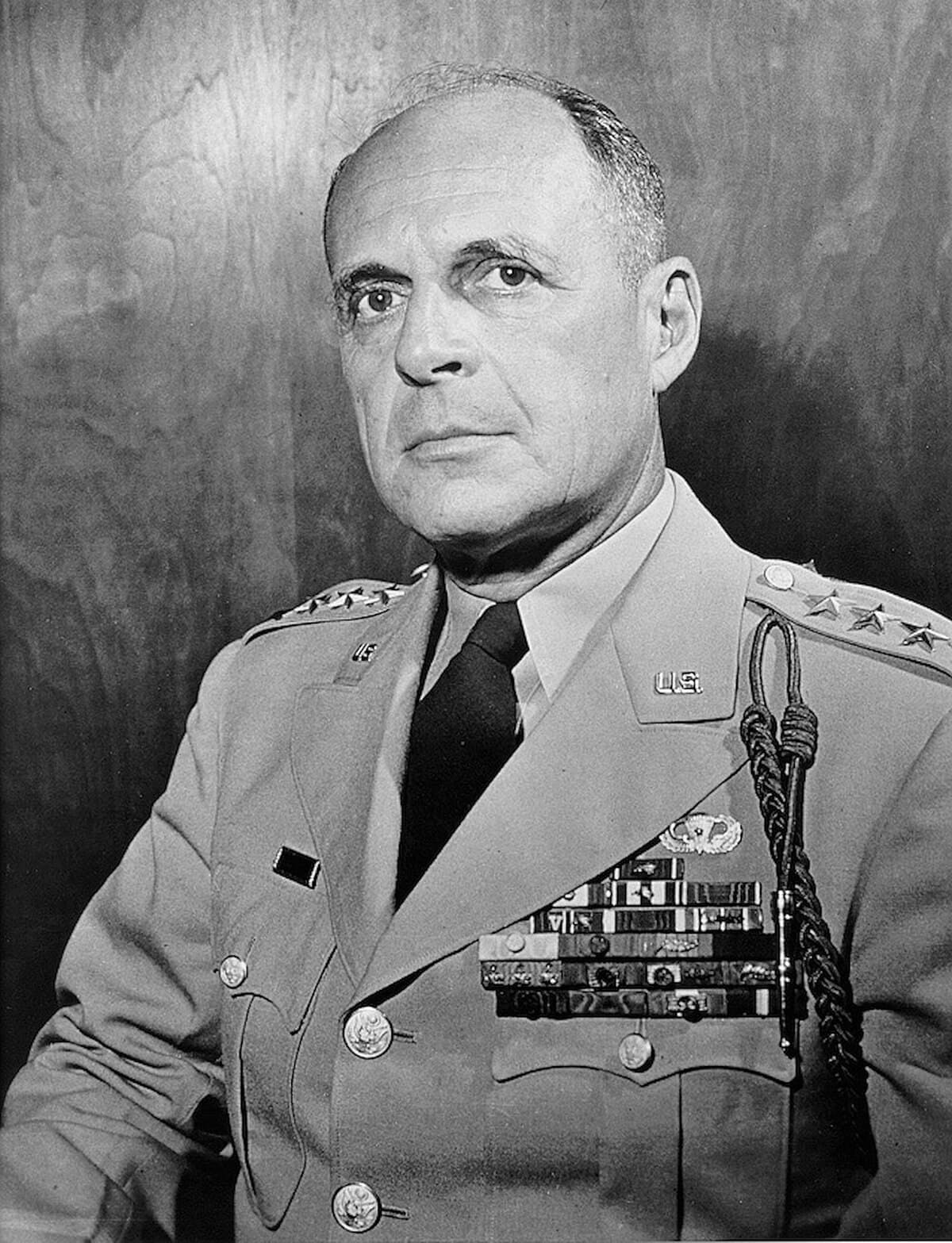
General Matthew B. Ridgway

General Matthew B. Ridgway

General, U.S. Army

b. 1895
Army

Led the 82nd Airborne Division in combat jumps into Sicily, Italy, and Normandy during WWII. Rescued the failing UN war effort in Korea after taking command of the demoralized Eighth Army in 1950, then served as Supreme Allied Commander Europe and Army Chief of Staff. General Omar Bradley called his Korean War performance "the greatest feat of personal leadership in the history of the Army."

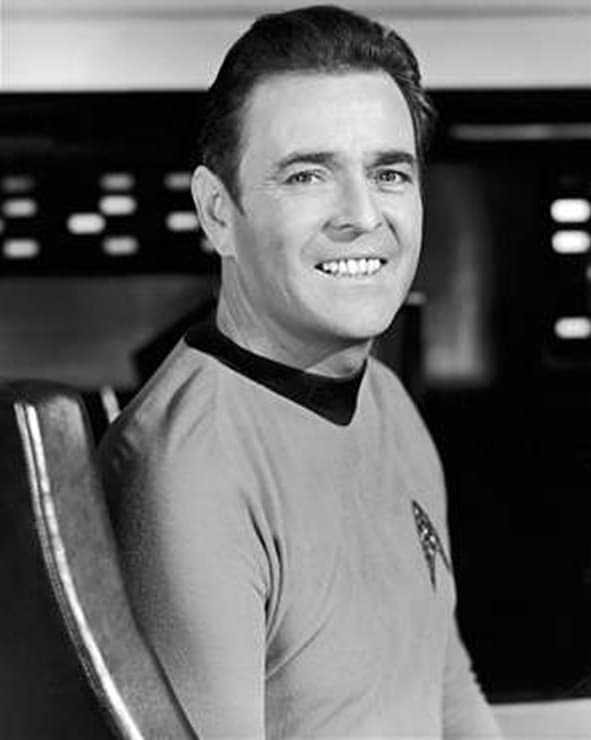
James Doohan

James Doohan

Lieutenant, Royal Canadian Artillery

b. 1920

Before becoming "Scotty" on Star Trek, Doohan was a decorated D-Day combat veteran. He landed in the second wave at Juno Beach on June 6, 1944, took out two German snipers, and led his men through a minefield, then was hit by six rounds from a nervous Canadian sentry, losing his right middle finger. He concealed the missing finger throughout his acting career.

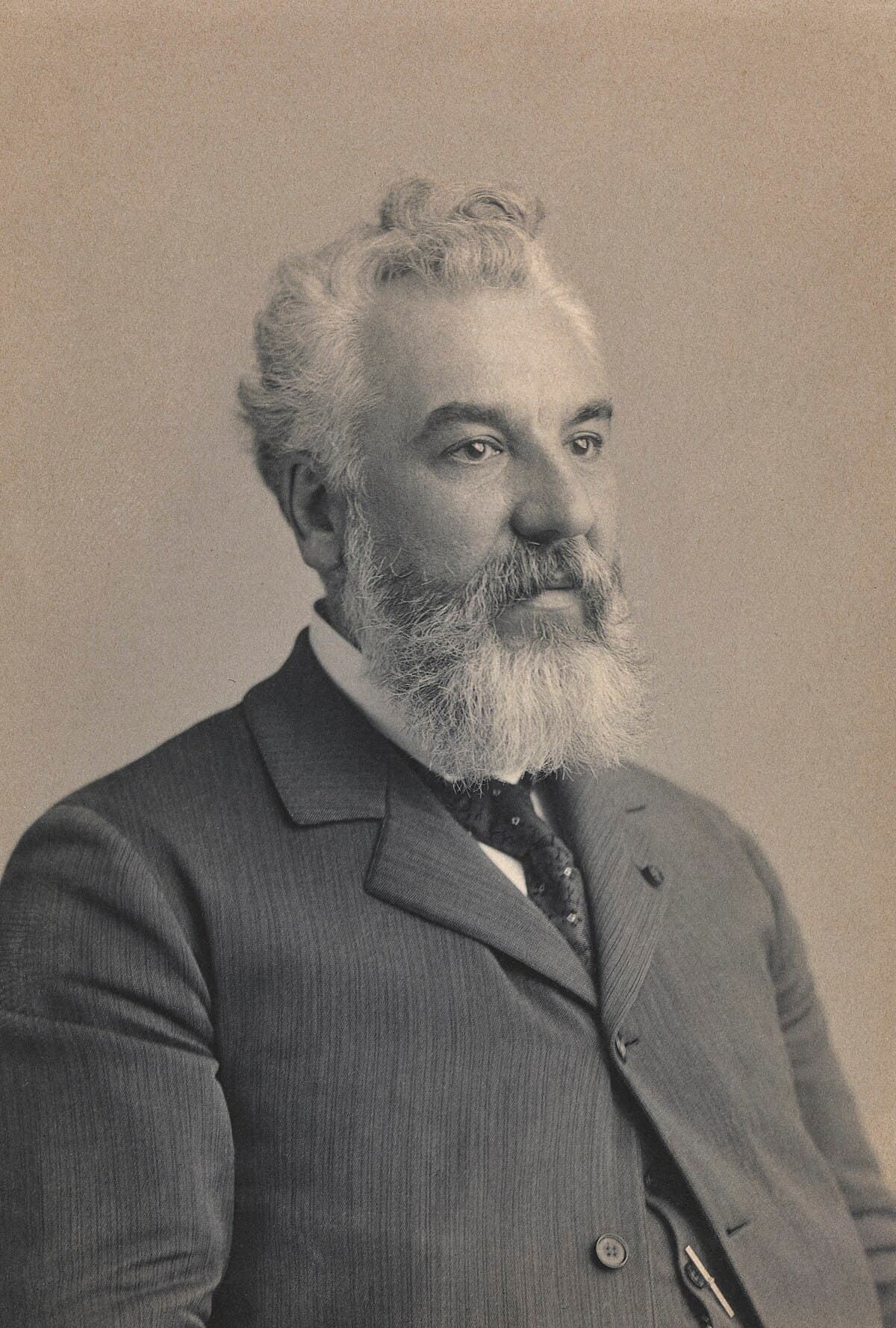
Alexander Graham Bell

Alexander Graham Bell

b. 1847

Inventor of the telephone (1876), which revolutionized military communications. The U.S. Army Signal Corps adopted the telephone almost immediately, and it became indispensable for command and control. Bell's communications technology laid the groundwork for virtually all modern military communications systems.

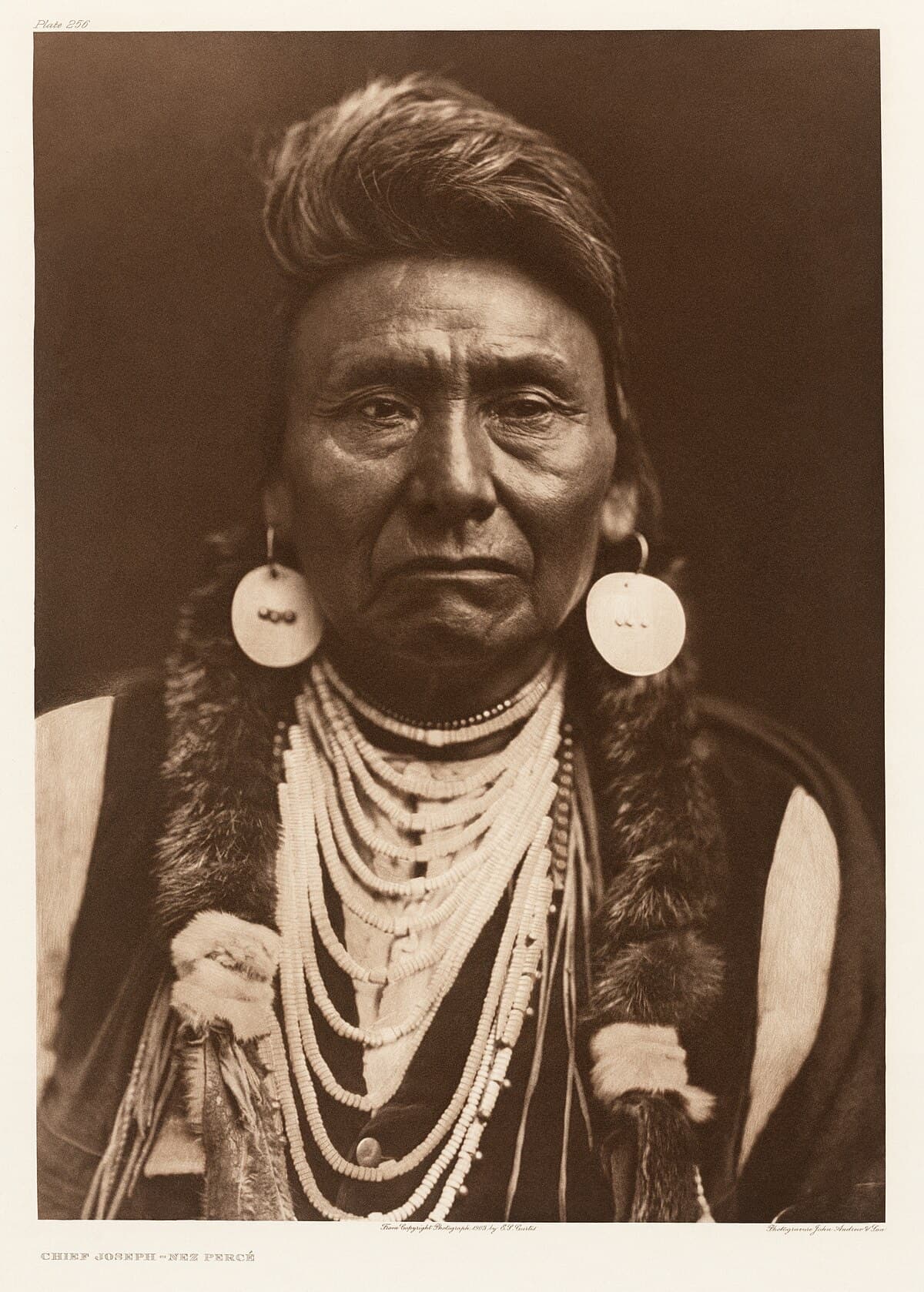
Chief Joseph

Chief Joseph

b. 1840

Led the Nez Perce on a legendary 1,170-mile fighting retreat across the American West in 1877, pursued by multiple U.S. Army columns. Won or fought to a draw in multiple engagements before surrendering just 40 miles from the Canadian border with the immortal words: "From where the sun now stands, I will fight no more forever."

Died on This Day

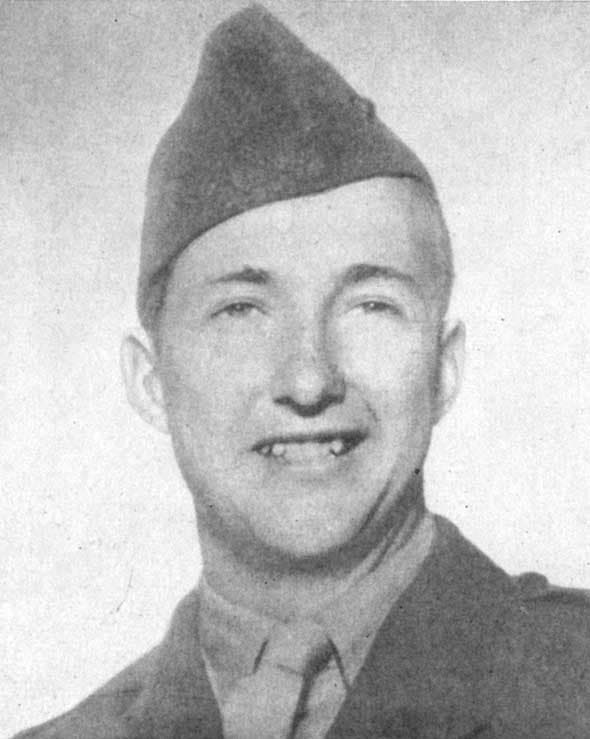
Pharmacist's Mate Third Class Jack Williams

Pharmacist's Mate Third Class Jack Williams

Pharmacist's Mate Third Class, U.S. Navy

d. 1945
Navy

Navy corpsman killed at Iwo Jima while repeatedly exposing himself to enemy fire to treat wounded Marines. Used his body to shield a fallen Marine, was hit three times, dressed his own wounds, treated another casualty, and was killed by a sniper, all while unarmed. Posthumously awarded the Medal of Honor at age 20.

Aleksandra Samusenko

Aleksandra Samusenko

Guard Lieutenant, Soviet Army

d. 1945

The only female tank commander in the 1st Guards Tank Army during World War II. Her T-34 crew destroyed three German Tiger I tanks at the Battle of Kursk, earning the Order of the Red Star. Killed during the East Pomeranian Offensive at age 23.

Military Quotes

I am tired of fighting. Our chiefs are killed. The old men are all dead. I want to have time to look for my children and see how many of them I can find. Hear me, my chiefs! I am tired. My heart is sick and sad. From where the sun now stands, I will fight no more forever.

Chief Joseph

Chief of the Wallowa Band of Nez Perce

Born March 3, 1840, Chief Joseph delivered this surrender speech after a 1,170-mile fighting retreat pursued by the U.S. Army, just 40 miles from the Canadian border, 1877

It is not often that a single battlefield commander can make a decisive difference. But in Korea, Ridgway would prove to be the exception. His brilliant, driving leadership would turn the Eighth Army from a shambles into a fighting force of historic magnificence.

General Omar N. Bradley

Chairman of the Joint Chiefs of Staff

Describing Ridgway, born March 3, 1895, and his transformation of the Eighth Army during the Korean War, 1951

The decisive aerial engagement of the war in the Southwest Pacific.

General Douglas MacArthur

Supreme Allied Commander, Southwest Pacific

MacArthur's assessment of the Battle of the Bismarck Sea, which reached its devastating climax on March 3, 1943, 1943

The hard decisions are not the ones you make in the heat of battle. Far harder to make are those involved in speaking your mind about some harebrained scheme which proposes to commit troops to action under conditions where failure is almost certain.

General Matthew B. Ridgway

Chief of Staff of the U.S. Army

Ridgway, born March 3, successfully advised President Eisenhower against committing American ground troops to Indochina, counsel that was ignored a decade later, 1954

A rich man's war and a poor man's fight.

Popular slogan

American working-class protest

The rallying cry against the Enrollment Act signed on March 3, 1863, which allowed wealthy draftees to pay $300 or hire substitutes to avoid military service, 1863

Frequently Asked Questions

What military events happened on March 3?

12 military events occurred on March 3, spanning multiple centuries. Key events include: First Marine Amphibious Landing: The Raid on Nassau (1776), The Enrollment Act: America's First National Draft (1863), Freedmen's Bureau Established Under the War Department (1865), Treaty of Brest-Litovsk: Russia Exits World War I (1918), Battle of the Bismarck Sea: Skip Bombing Devastates Japanese Convoy (1943).

What is the most significant military event on March 3?

The most significant military event on March 3 is America's First Military Draft Becomes Law (1863). President Abraham Lincoln signed the Enrollment Act, establishing the first nationwide military conscription in American history. The law required registration of all males aged 20-45, but included a deeply controversial provision allowing the wealthy to pay a $300 commutation fee or hire a substitute, sparking the slogan "a rich man's war and a poor man's fight" and triggering the deadliest civil disturbance in American history.

What famous military figures were born on March 3?

Notable military figures born on March 3 include General Matthew B. Ridgway (1895–1993), James Doohan (1920–2005), Alexander Graham Bell (1847–1922), Chief Joseph (1840–1904).

What wars are represented in March 3's military timeline?

Events on March 3 span the Colonial & Revolutionary era, the Civil War, World War I, World War II, the Vietnam War, the Modern Era, covering 12 events across 3 centuries of military history.

How many military branches are represented on March 3?

Events on March 3 involve 5 branches of the U.S. and allied armed forces, reflecting the global scope of military operations throughout history.

What Happened on Your Birthday?

Explore military history from the day you were born.

Related Days by Era

Explore More Days

Related Articles

SBD Dauntless dive bombers flying over the Pacific during the Battle of Midway in June 1942

The Battle of Midway: Five Minutes That Changed the Pacific War

In June 1942, six months after Pearl Harbor, a handful of American dive bombers caught four Japanese carriers with their flight decks full of armed planes. In roughly five minutes, three of those carriers were fatally hit, and Japan's dominance in the Pacific was broken forever.

daniel-mercer··15 min read
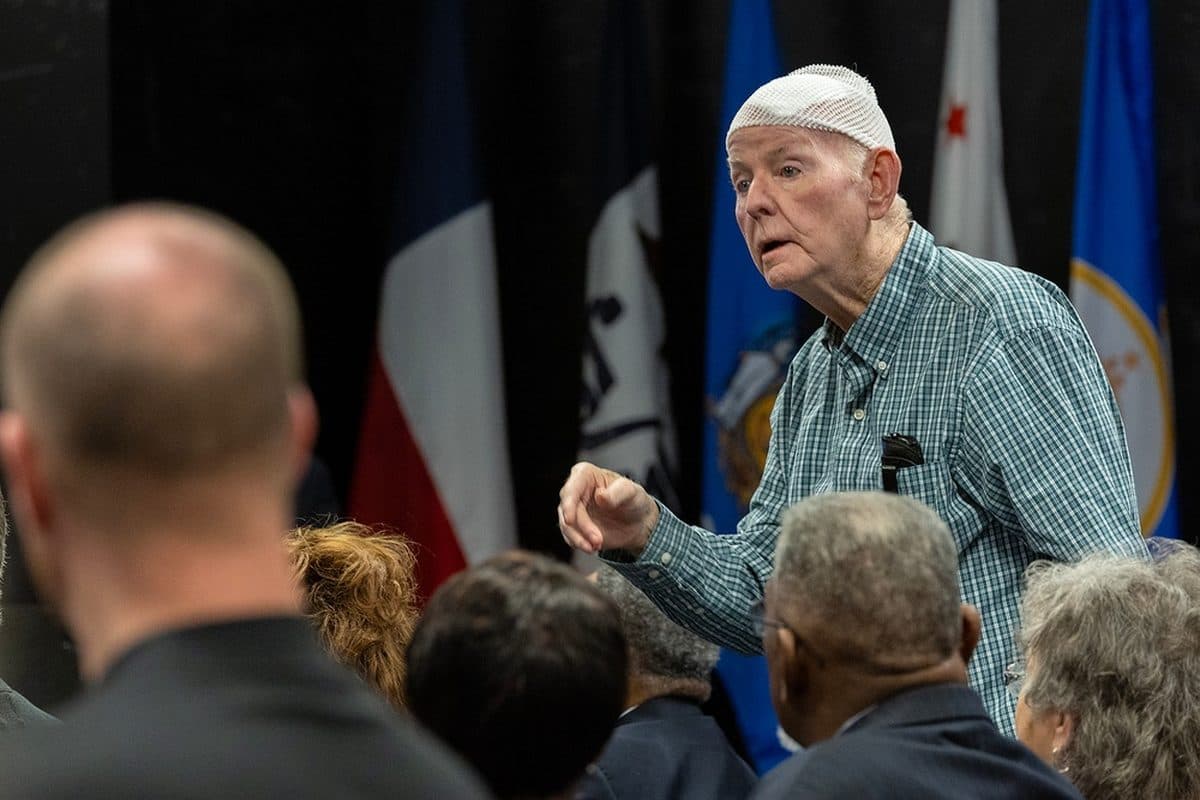
U.S. military aircraft flying during the Vietnam War

Iconic Aircraft of the Vietnam War

Boeing B-52 Stratofortress US Air Force This American project was first conceived in the immediate wake of the Second World War. The…

michael-trent··19 min read
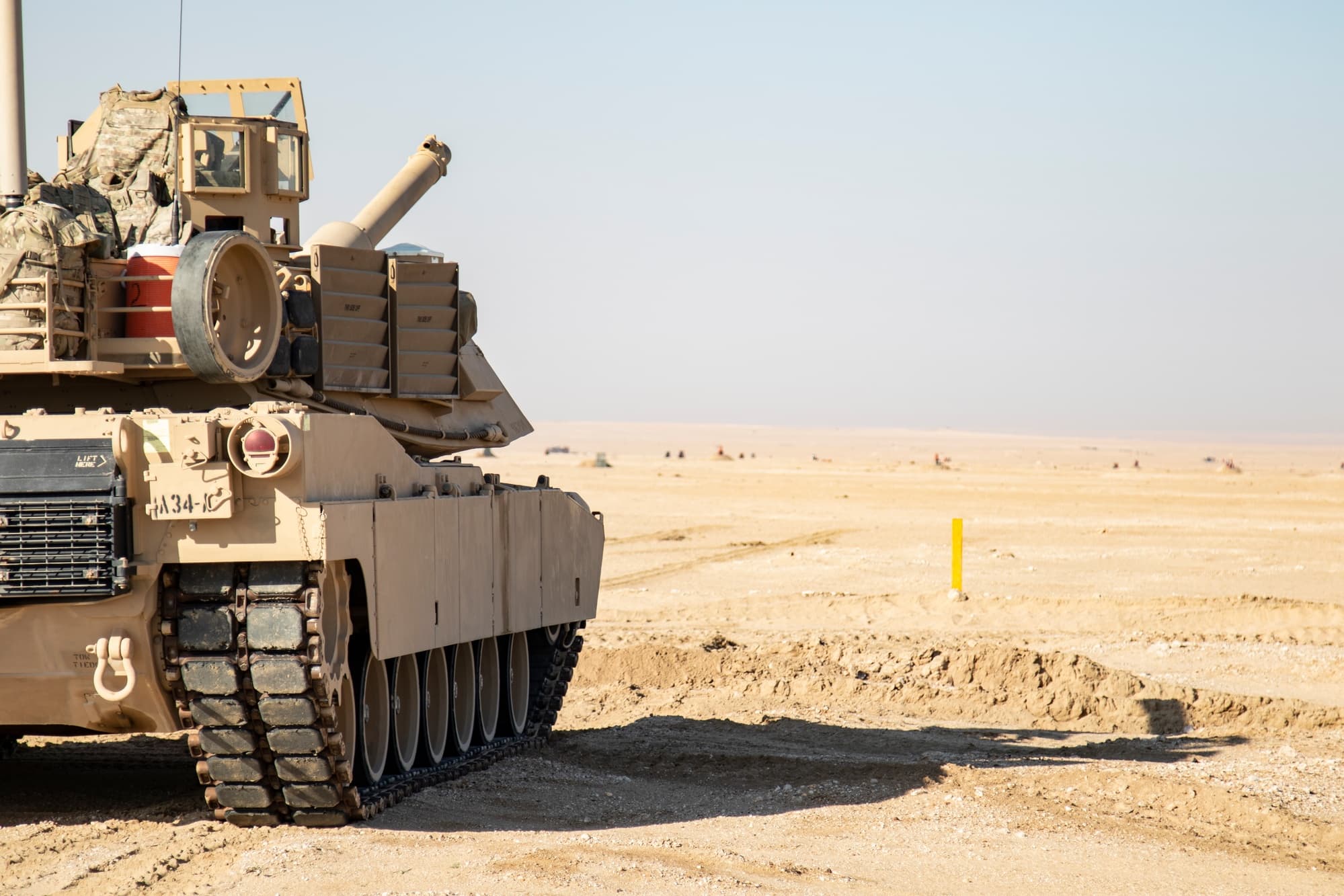
M1A1 Abrams tanks advancing across the desert during Operation Desert Storm in February 1991

The M1 Abrams in Desert Storm: The Tank Battle That Shocked the World

In February 1991, M1A1 Abrams tanks proved themselves in the deserts of Iraq and Kuwait during the 100-hour ground war of Operation Desert Storm. The Battle of 73 Easting became the defining engagement, where American armor destroyed an Iraqi Republican Guard division in under 23 minutes. Here is what the crews experienced and what the machine actually did.

marcus-webb··14 min read