

15 Best World War II Books for History Enthusiasts (2026)
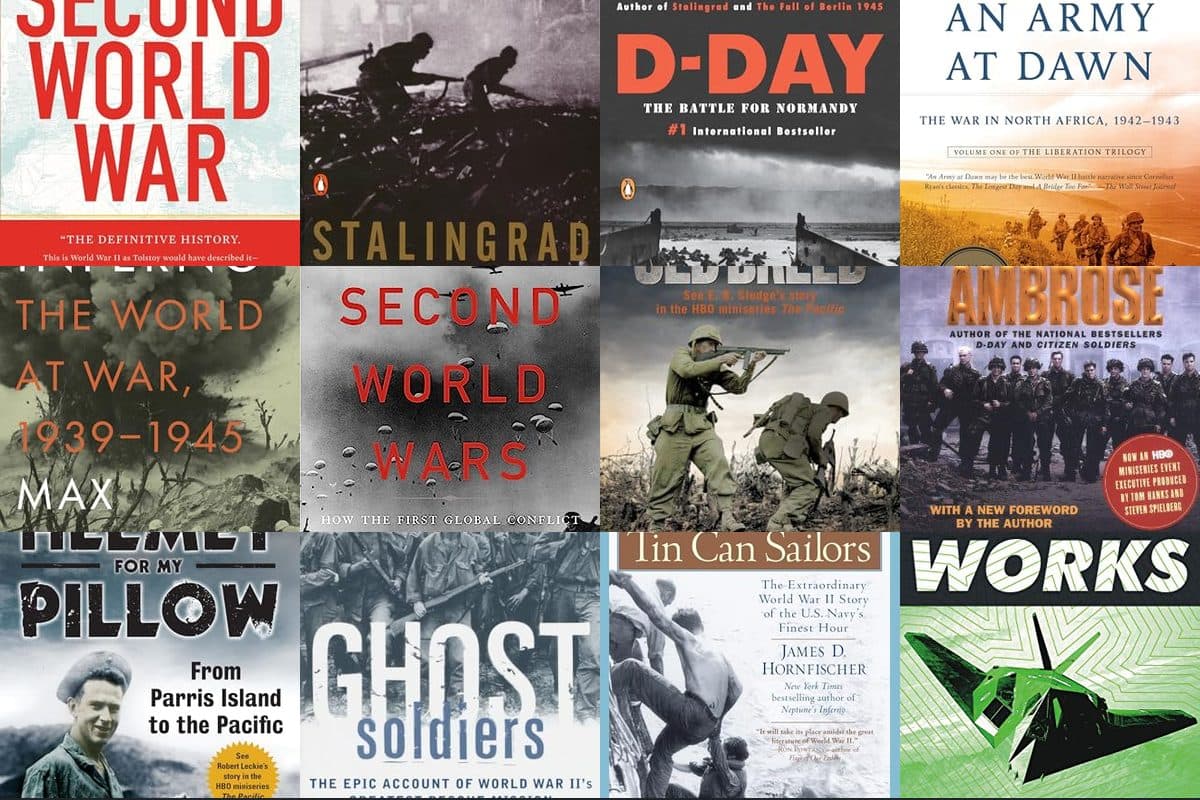
15 essential WW2 books covering every theater. Narrative histories, memoirs, and visual references ranked.
daniel-mercer··21 min read

Admiral David Farragut led a Union fleet past Confederate forts and a minefield into Mobile Bay, Alabama, reportedly shouting "Damn the torpedoes, full speed ahead!" The victory closed one of the last major Confederate ports on the Gulf Coast and tightened the Union naval blockade.
Sir Humphrey Gilbert formally claimed Newfoundland for Queen Elizabeth I, establishing England's first overseas colony. The claim laid the foundation for British North America and centuries of transatlantic military power projection.
Sir Humphrey Gilbert landed at St. John's harbor and claimed Newfoundland for Queen Elizabeth I, establishing the first English overseas territorial claim in North America. The naval infrastructure that developed at Newfoundland would support Royal Navy operations in the North Atlantic for the next three centuries.
President Abraham Lincoln signed the Revenue Act of 1861, imposing the first federal income tax in U.S. history to fund the Union war effort. The legislation established the financial foundation for a volunteer army that eventually exceeded two million soldiers and for naval construction programs that built the ironclad fleet.
Admiral David Farragut led a Union fleet past Confederate forts and a minefield into Mobile Bay, Alabama, reportedly shouting "Damn the torpedoes, full speed ahead!" The victory closed one of the last major Confederate ports on the Gulf Coast and tightened the Union naval blockade.
The Soviet Union formally annexed Latvia, completing the absorption of all three Baltic states following the Molotov-Ribbentrop Pact's secret protocols. Over 35,000 Latvians were subsequently deported to Siberia. The Baltic annexation remained unrecognized by the United States and most Western nations throughout the Cold War.
The Red Army liberated the cities of Oryol and Belgorod in the aftermath of the Battle of Kursk, prompting the first Soviet victory salute of the war, a tradition of celebratory artillery salvos in Moscow that continued for every major liberation. The recapture marked the definitive end of German offensive capability on the Eastern Front.
A magnitude 6.8 earthquake struck Ambato, Ecuador, killing approximately 5,000 people. The U.S. Air Force and Navy mounted a rapid humanitarian airlift using C-54 and R5D transports from Panama, establishing operational templates for military disaster response that would be refined in dozens of subsequent operations.
Nelson Mandela was arrested at a police roadblock in Natal, South Africa, beginning 27 years of imprisonment. His arrest, aided by intelligence from the CIA, would make him the world's most famous political prisoner and eventual symbol of the anti-apartheid struggle that had significant Cold War military dimensions.
Representatives of the United States, the Soviet Union, and the United Kingdom signed the Limited Test Ban Treaty in Moscow, prohibiting nuclear weapons testing in the atmosphere, underwater, and in space. The treaty marked the first arms control agreement of the Cold War and shaped nuclear weapons development for the next six decades.
Thirty-three miners became trapped 2,300 feet underground at the San José mine in Chile. The 69-day rescue operation that followed involved military drilling equipment, NASA consultation, and Chilean Navy rescue protocols, demonstrating the application of military logistics and technology to civilian emergencies.

Admiral
The first rear admiral, vice admiral, and full admiral in U.S. Navy history. His victories at New Orleans (1862) and Mobile Bay (1864) were decisive Union triumphs. He was adopted as a boy by future President Andrew Jackson's friend David Porter and went to sea at age nine, serving as a midshipman in the War of 1812 at age twelve.

Naval aviator who flew 78 combat missions during the Korean War before becoming a test pilot and astronaut. On July 20, 1969, he became the first human to walk on the Moon during the Apollo 11 mission, an achievement born from the same Cold War competition that drove military technology development.

German philosopher and co-author of "The Communist Manifesto" with Karl Marx. A keen student of military affairs, Engels wrote extensively on military strategy and technology, earning the nickname "The General" from Marx's family. His analysis of the Crimean War and the American Civil War showed remarkable strategic insight.
Wear the Timeline
10 military events occurred on August 5, spanning multiple centuries. Key events include: Battle of Mobile Bay (1864), Soviets Liberate Oryol and Belgorod (1943), Partial Nuclear Test Ban Treaty Signed in Moscow (1963).
The most significant military event on August 5 is Battle of Mobile Bay (1864). Admiral David Farragut led a Union fleet past Confederate forts and a minefield into Mobile Bay, Alabama, reportedly shouting "Damn the torpedoes, full speed ahead!" The victory closed one of the last major Confederate ports on the Gulf Coast and tightened the Union naval blockade.
Notable military figures born on August 5 include David Farragut (1801–1870), Neil Armstrong (1930–2012).
Events on August 5 span the Civil War, the Colonial & Revolutionary era, World War II, the Cold War, the Modern Era, covering 10 events across 4 centuries of military history.
Events on August 5 involve 3 branches of the U.S. and allied armed forces, reflecting the global scope of military operations throughout history.
Explore military history from the day you were born.
June 6
The Allied invasion of Normandy, the largest amphibious assault in history.
December 7
Japan attacks the U.S. Pacific Fleet, bringing America into World War II.
September 11
The deadliest terrorist attack in history transforms U.S. national security.
August 6
The first atomic bomb is dropped on a city, ushering in the nuclear age.
May 8
Nazi Germany surrenders unconditionally, ending World War II in Europe.
November 11
Armistice Day marks the end of World War I and honors all who served.
June 4
The turning point of the Pacific War as the U.S. Navy destroys four Japanese carriers.
July 4
The Declaration of Independence is adopted, sparking the American Revolution.
15 essential WW2 books covering every theater. Narrative histories, memoirs, and visual references ranked.
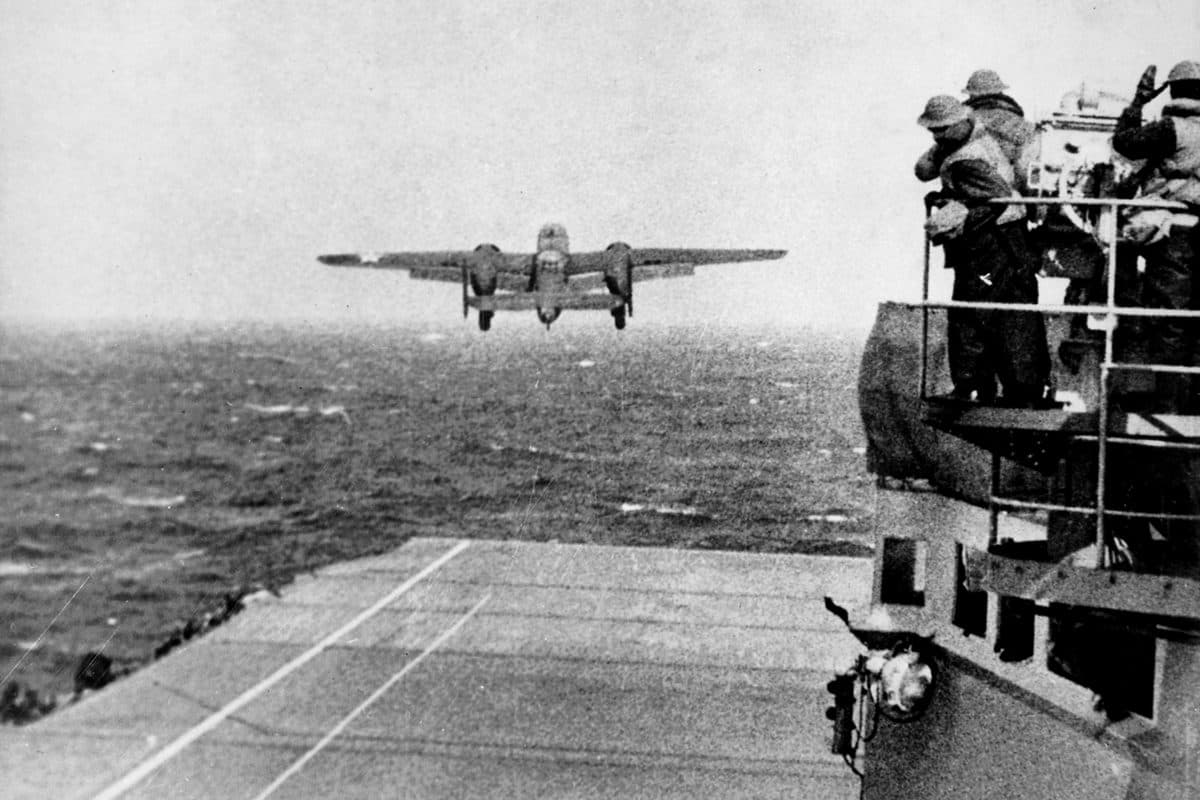
On April 18, 1942, sixteen B-25 Mitchell bombers did something no one thought possible: they launched from the deck of an aircraft carrier, flew 650 miles to Japan, and bombed Tokyo. Every aircraft was lost. The damage was negligible. The consequences changed the war.
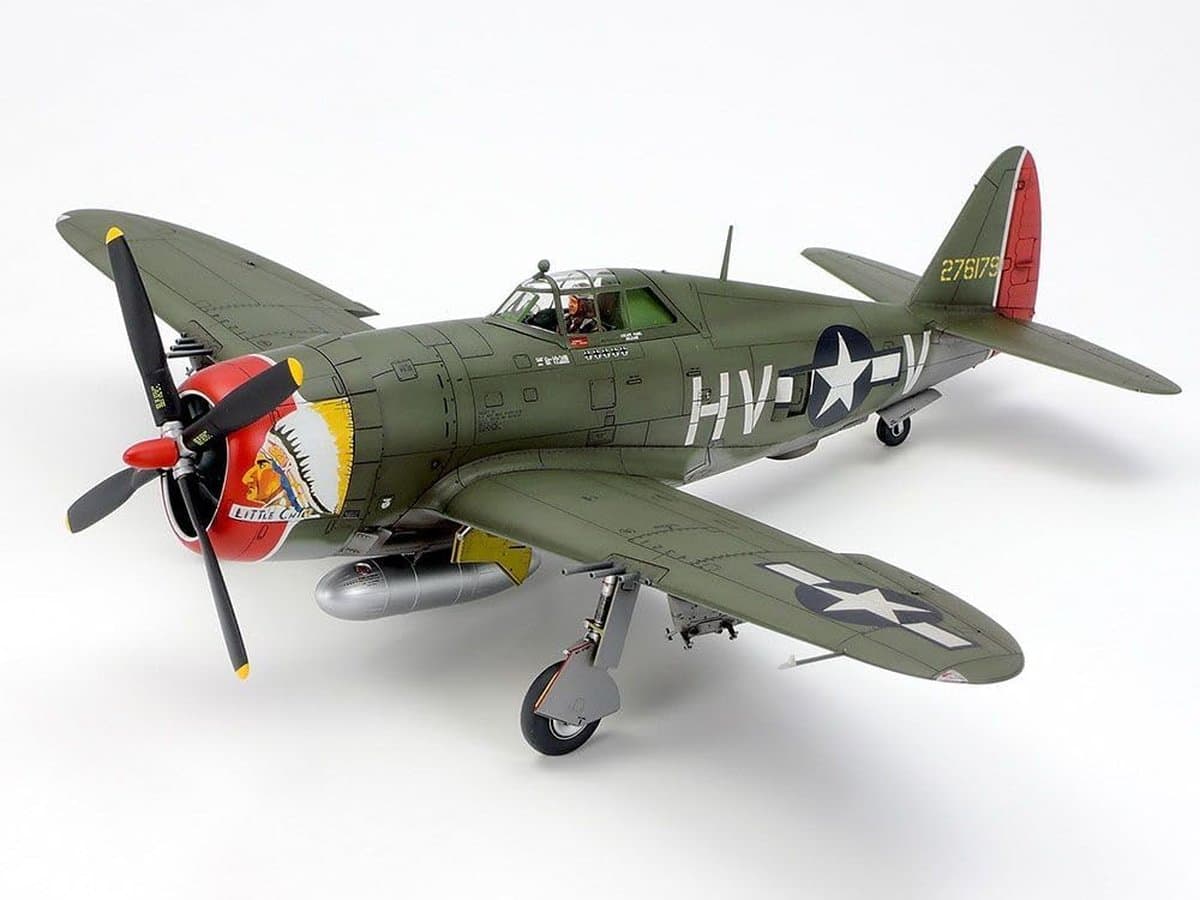
Compare 85+ WW2 scale model kits across aircraft, tanks, and ships. Beginner builds from $9 to museum-grade showpieces at $580. Covers Tamiya, Eduard, HK Models, Trumpeter, and more with honest reviews, trade-offs, and pricing.

On April 7, 1945, the Imperial Japanese Navy sent the largest battleship ever built on a one-way suicide mission to Okinawa. She never arrived. 386 American aircraft found her first, and sank her in under two hours.