

15 Best World War II Books for History Enthusiasts (2026)
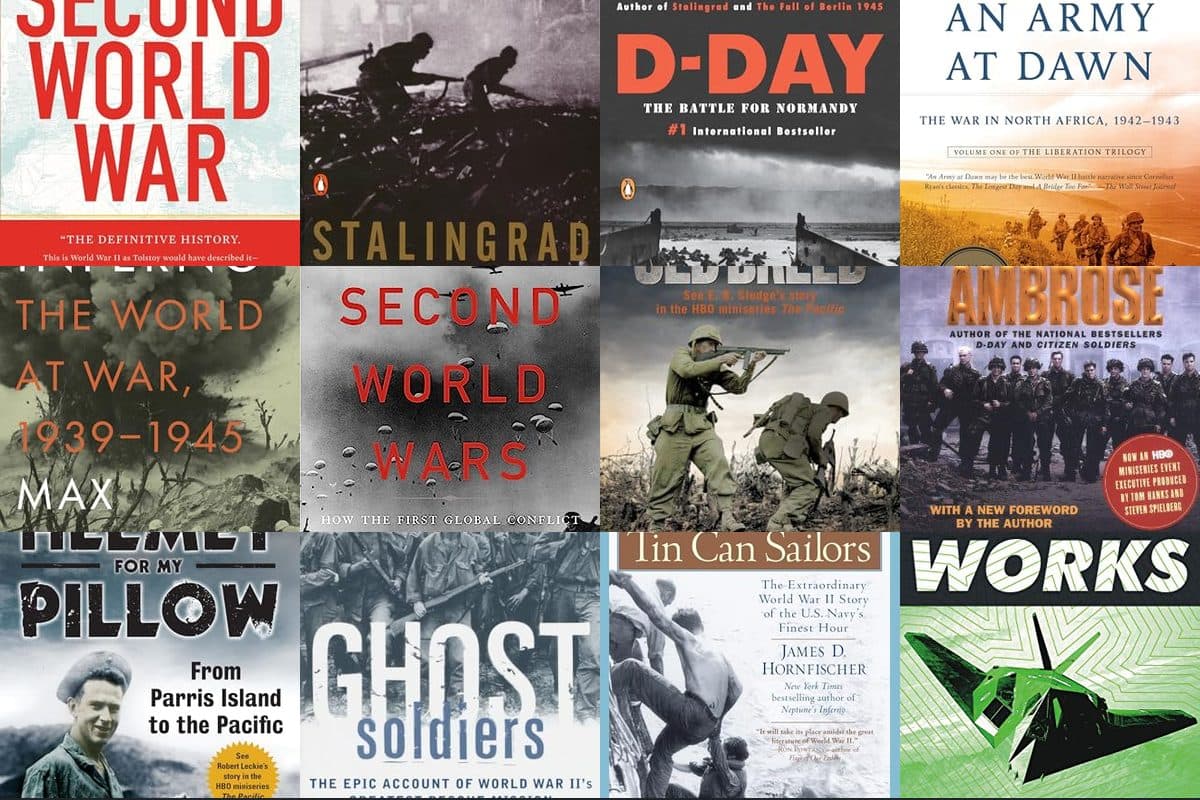
15 essential WW2 books covering every theater. Narrative histories, memoirs, and visual references ranked.
daniel-mercer··21 min read

Following the collapse of the Union right flank on the second day of Chickamauga, Major General George H. Thomas rallied Union forces on Snodgrass Hill and held against repeated Confederate assaults until nightfall, saving the Army of the Cumberland from total destruction. Thomas's stand earned him the enduring nickname "The Rock of Chickamauga" and established him as one of the finest defensive commanders of the Civil War.
The Greek fleet under Themistocles decisively defeated the Persian fleet of Xerxes I in the narrow straits off the island of Salamis near Athens. The victory, achieved by luring the larger Persian fleet into confined waters where their numbers became a disadvantage, saved Greek civilization and is considered one of the most important naval battles in history.
Portuguese navigator Ferdinand Magellan set sail from Sanlúcar de Barrameda, Spain, with five ships and 270 men on the expedition that would become the first circumnavigation of the globe. Though Magellan was killed in the Philippines in 1521, his voyage proved the Earth's true size and had profound military implications for colonial naval strategy.
Ferdinand Magellan's five-ship expedition sailed from Sanlucar de Barrameda, Spain, on a voyage that would complete the first circumnavigation of the globe. The expedition produced navigational and cartographic advances that reshaped naval operations for the next three centuries, including the first European transits of the strait that bears Magellan's name.
General Thomas held Snodgrass Hill against repeated Confederate assaults after the Union right collapsed, saving the Army of the Cumberland from destruction.
Italian troops breached the Aurelian Walls near the Porta Pia and captured Rome from the Papal States, completing the unification of Italy. Pope Pius IX retreated to the Vatican and declared himself a "prisoner," beginning the "Roman Question" that was not resolved until the Lateran Treaty of 1929.
The failure of the Jay Cooke and Company banking house triggered the Panic of 1873, a financial collapse that forced drastic cuts to the U.S. Army and Navy through the 1870s. The contraction left frontier outposts undermanned, stalled naval modernization, and shaped the thin red line of regular forces that fought the Plains Indian Wars.
Submarine I-25 of the Imperial Japanese Navy launched a Yokosuka E14Y floatplane that dropped incendiary bombs in the forest near Brookings, Oregon. It was the only aerial bombing attack of the continental United States during World War II and triggered expansion of West Coast air defense radar and civilian observer networks.
After eleven days of fierce fighting, the Allied beachhead at Salerno was finally secured as German forces began withdrawing toward the Volturno Line. The crisis that had nearly driven the invasion force back into the sea had passed, but the hard-won victory had cost the Allies over 12,000 casualties.
A Syrian armored division crossed into northern Jordan in support of Palestinian fedayeen battling King Hussein's army during the Black September crisis. Jordanian F-104 Starfighters and Centurion tanks destroyed dozens of Syrian T-54s and T-55s, checked the invasion, and shaped subsequent Middle East interstate confrontations.
President George W. Bush addressed a joint session of Congress nine days after the September 11 attacks. He identified al-Qaeda and the Taliban as responsible, demanded the Taliban surrender bin Laden, and warned that "every nation, in every region, now has a decision to make: either you are with us, or you are with the terrorists." The speech set the framework for the War on Terror.

General
Commanded the 101st Airborne Division on D-Day, the first general officer to land in Normandy by parachute. He later served as Army Chief of Staff, Chairman of the Joint Chiefs of Staff, and Ambassador to South Vietnam. He advocated the strategy of "flexible response" during the Cold War.

American muckraking author whose novel "The Jungle" (1906) exposed conditions in the meatpacking industry, leading to the Pure Food and Drug Act and the Meat Inspection Act, legislation that directly improved the quality and safety of military rations.

Brigadier General
The 7th Commandant of the Marine Corps (1864-1876) who led the Corps through the Civil War and postwar reorganization. He established the Marine Corps' eagle, globe, and anchor emblem and standardized Marine Corps dress regulations.
Wear the Timeline
10 military events occurred on September 20, spanning multiple centuries. Key events include: Battle of Chickamauga, "The Rock of Chickamauga" (1863), Battle of Salamis (480), Italian Troops Capture Rome (1870), Bush Addresses Congress After 9/11 (2001).
The most significant military event on September 20 is Battle of Chickamauga, "The Rock of Chickamauga" (1863). Following the collapse of the Union right flank on the second day of Chickamauga, Major General George H. Thomas rallied Union forces on Snodgrass Hill and held against repeated Confederate assaults until nightfall, saving the Army of the Cumberland from total destruction. Thomas's stand earned him the enduring nickname "The Rock of Chickamauga" and established him as one of the finest defensive commanders of the Civil War.
Notable military figures born on September 20 include Maxwell Taylor (1901–1987), Upton Sinclair (1878–1968).
Events on September 20 span the Civil War, the Colonial & Revolutionary era, the Interwar Period, World War II, the Modern Era, the Cold War, covering 10 events across 5 centuries of military history.
Events on September 20 involve 4 branches of the U.S. and allied armed forces, reflecting the global scope of military operations throughout history.
Explore military history from the day you were born.
June 6
The Allied invasion of Normandy, the largest amphibious assault in history.
December 7
Japan attacks the U.S. Pacific Fleet, bringing America into World War II.
September 11
The deadliest terrorist attack in history transforms U.S. national security.
August 6
The first atomic bomb is dropped on a city, ushering in the nuclear age.
May 8
Nazi Germany surrenders unconditionally, ending World War II in Europe.
November 11
Armistice Day marks the end of World War I and honors all who served.
June 4
The turning point of the Pacific War as the U.S. Navy destroys four Japanese carriers.
July 4
The Declaration of Independence is adopted, sparking the American Revolution.
15 essential WW2 books covering every theater. Narrative histories, memoirs, and visual references ranked.
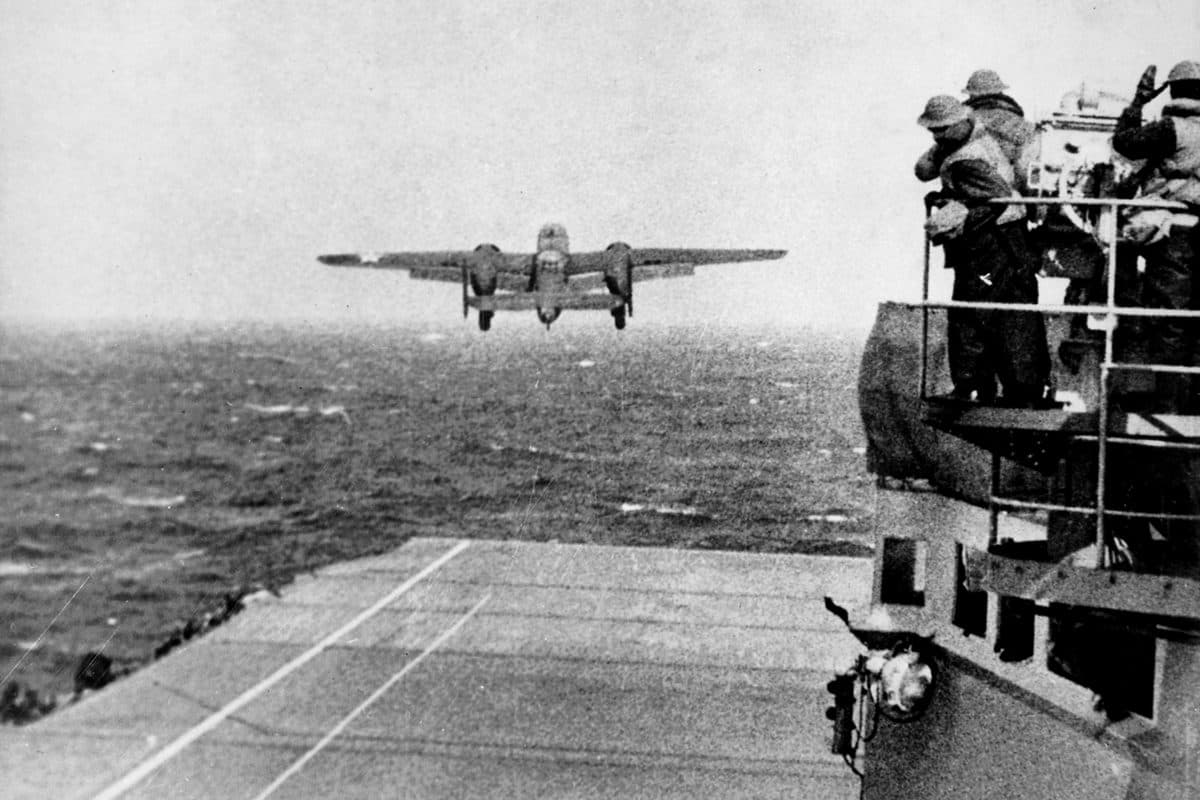
On April 18, 1942, sixteen B-25 Mitchell bombers did something no one thought possible: they launched from the deck of an aircraft carrier, flew 650 miles to Japan, and bombed Tokyo. Every aircraft was lost. The damage was negligible. The consequences changed the war.
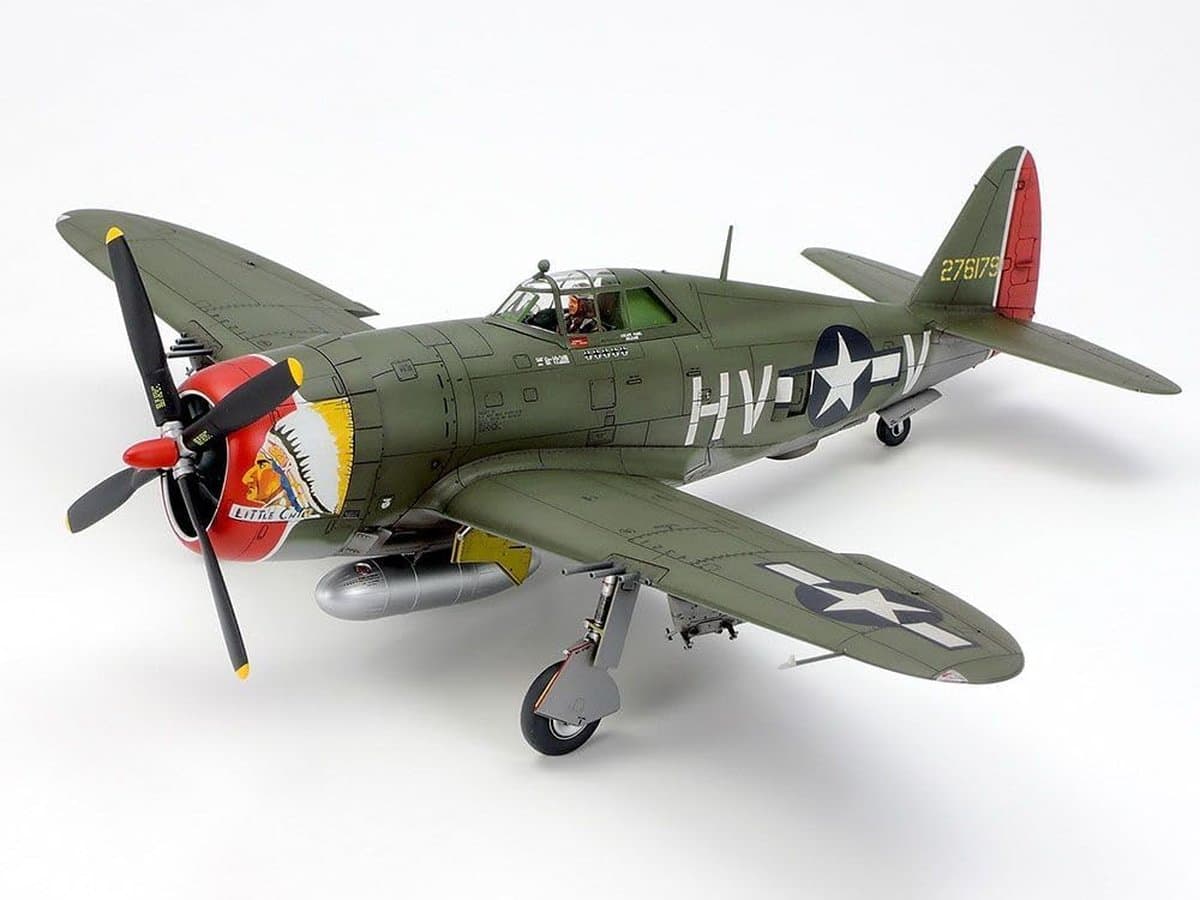
Compare 85+ WW2 scale model kits across aircraft, tanks, and ships. Beginner builds from $9 to museum-grade showpieces at $580. Covers Tamiya, Eduard, HK Models, Trumpeter, and more with honest reviews, trade-offs, and pricing.

On April 7, 1945, the Imperial Japanese Navy sent the largest battleship ever built on a one-way suicide mission to Okinawa. She never arrived. 386 American aircraft found her first, and sank her in under two hours.