
The B-29 Superfortress Bomber
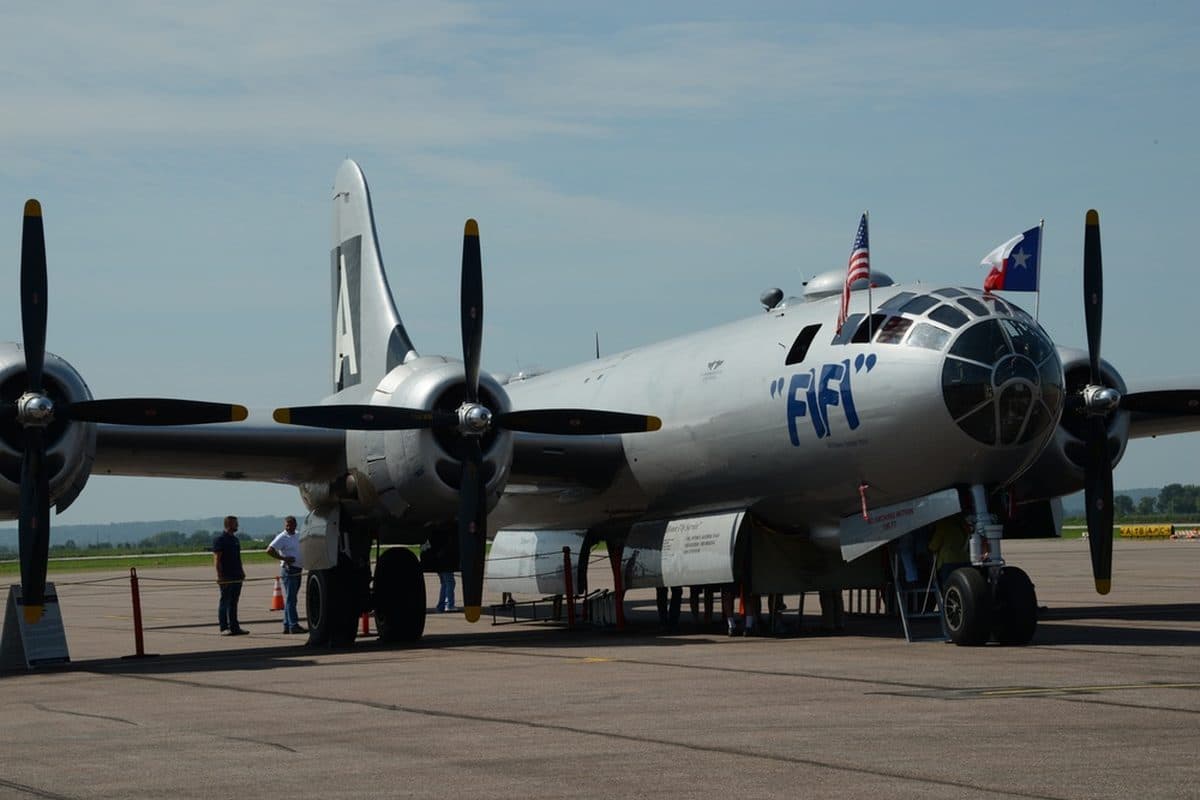
The first flight of the B-29 Superfortress was on the 21st of September, 1942. Produced by Boeing, the Superfortress was considered to be the most advanced bomber aircraft of its…
michael-trent··4 min read

The Boeing B-29 Superfortress made its maiden flight from Boeing Field in Seattle, Washington. The most technologically advanced bomber of World War II, the B-29 featured pressurized crew compartments, remote-controlled gun turrets, and a range of 3,250 miles. It would become the aircraft that firebombed Japanese cities, dropped the atomic bombs on Hiroshima and Nagasaki, and ended the war.
The B-29 SuperfortressJacobite forces under Bonnie Prince Charlie routed a government army under Sir John Cope at Prestonpans near Edinburgh in just ten minutes. The stunning victory, achieved by a Highland charge at dawn, gave the Jacobites control of Scotland and encouraged Charles to invade England, an adventure that would end in catastrophe at Culloden six months later.
American General Benedict Arnold met secretly with British Major John André aboard the HMS Vulture on the Hudson River and handed over the plans to West Point, the critical fortress guarding the Hudson Valley. Arnold's treason, the most infamous act of betrayal in American history, was discovered two days later when André was captured with the plans hidden in his stockings.
French revolutionary forces under Generals Francois Kellermann and Charles Dumouriez halted the Prussian and Austrian advance on Paris in an artillery duel near the village of Valmy. The defensive victory saved the Revolution and introduced the mass citizen army that would reshape European warfare over the next twenty years.
Indian cavalry of the Jodhpur and Mysore Lancers charged through the streets of Haifa, Palestine, in one of the last successful cavalry charges in military history. The lancers galloped directly into machine gun and artillery fire, overrunning the Ottoman and German defenders in a display of extraordinary courage that captured the vital port city.
The most powerful hurricane to strike New England in the twentieth century made landfall on Long Island and swept across southern New England, killing over 680 people. The Coast Guard and Navy mobilized massive rescue operations. The storm destroyed military installations along the coast and prompted improvements in the military's weather forecasting capabilities.
The Boeing B-29 Superfortress made its maiden flight from Boeing Field in Seattle. The most advanced bomber of WWII, it would drop the atomic bombs that ended the war.
The B-29 SuperfortressThe Boeing XB-29 prototype made its first flight from Boeing Field in Seattle with test pilot Eddie Allen at the controls. The four-engined, pressurized, remote-control turret bomber would become the most expensive weapons program of World War II and the delivery platform for the atomic bombings of Hiroshima and Nagasaki.
The Chinese People's Political Consultative Conference opened its preparatory session in Beijing, setting the stage for Mao Zedong's proclamation of the People's Republic of China on October 1. The communist victory in the Chinese Civil War stunned American policymakers and dramatically altered the Cold War balance of power in Asia.
The Federal Republic of Germany was established from the three Western occupation zones, setting the institutional foundation for West German rearmament. Within six years the Bundeswehr would be formed and West Germany would join NATO, anchoring the alliance's central front and absorbing the main weight of Soviet ground forces in Central Europe.
Former Chilean foreign minister and ambassador to the United States Orlando Letelier was killed when a car bomb detonated at Sheridan Circle in Washington, D.C. The attack, ordered by the Chilean military junta's intelligence service DINA, represented one of the most brazen foreign-directed assassinations in U.S. history and prompted significant counterintelligence reforms.

British author whose science fiction novels predicted tanks ("The Land Ironclads," 1903), aerial bombing ("The War in the Air," 1908), and atomic weapons ("The World Set Free," 1914) decades before they became reality. His visions profoundly influenced military planners and weapons developers.

Legendary animator who created "Private Snafu" training cartoons for the U.S. Army during World War II, using humor to teach soldiers about security, malaria prevention, and military procedures. The classified cartoons were written by Dr. Seuss and featured voices by Mel Blanc.

Roman poet whose epic "The Aeneid" was the foundational military narrative of Roman civilization, celebrating the martial virtues of duty, sacrifice, and fate that sustained the Roman legions. The Aeneid has influenced military literature and thinking for over two thousand years.
Wear the Timeline
10 military events occurred on September 21, spanning multiple centuries. Key events include: First Flight of the B-29 Superfortress (1942), Benedict Arnold Meets British Major André (1780), First Flight of the Boeing B-29 Superfortress (1942), Federal Republic of Germany Established (1949).
The most significant military event on September 21 is First Flight of the B-29 Superfortress (1942). The Boeing B-29 Superfortress made its maiden flight from Boeing Field in Seattle, Washington. The most technologically advanced bomber of World War II, the B-29 featured pressurized crew compartments, remote-controlled gun turrets, and a range of 3,250 miles. It would become the aircraft that firebombed Japanese cities, dropped the atomic bombs on Hiroshima and Nagasaki, and ended the war.
Notable military figures born on September 21 include H.G. Wells (1866–1946), Chuck Jones (1912–2002).
Events on September 21 span World War II, the Colonial & Revolutionary era, World War I, the Interwar Period, the Cold War, covering 10 events across 2 centuries of military history.
Events on September 21 involve 6 branches of the U.S. and allied armed forces, reflecting the global scope of military operations throughout history.
Explore military history from the day you were born.
June 6
The Allied invasion of Normandy, the largest amphibious assault in history.
December 7
Japan attacks the U.S. Pacific Fleet, bringing America into World War II.
September 11
The deadliest terrorist attack in history transforms U.S. national security.
August 6
The first atomic bomb is dropped on a city, ushering in the nuclear age.
May 8
Nazi Germany surrenders unconditionally, ending World War II in Europe.
November 11
Armistice Day marks the end of World War I and honors all who served.
June 4
The turning point of the Pacific War as the U.S. Navy destroys four Japanese carriers.
July 4
The Declaration of Independence is adopted, sparking the American Revolution.
The first flight of the B-29 Superfortress was on the 21st of September, 1942. Produced by Boeing, the Superfortress was considered to be the most advanced bomber aircraft of its…
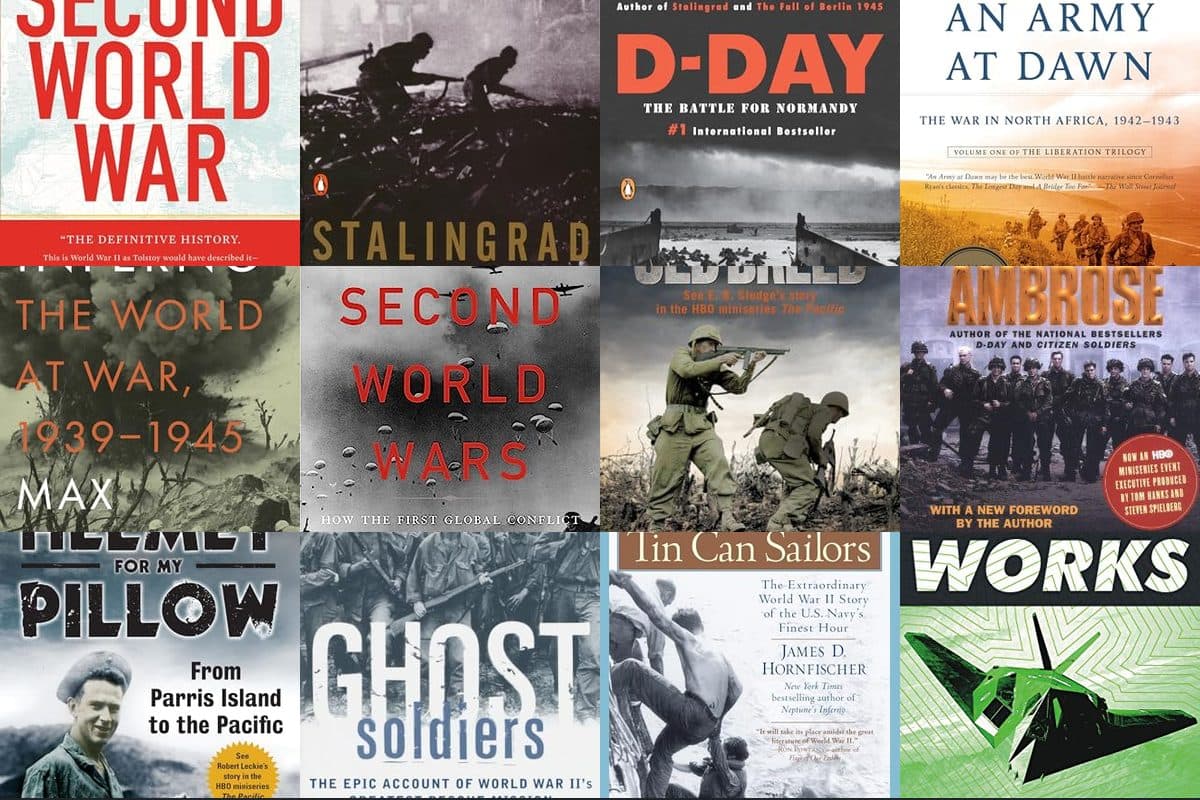
15 essential WW2 books covering every theater. Narrative histories, memoirs, and visual references ranked.
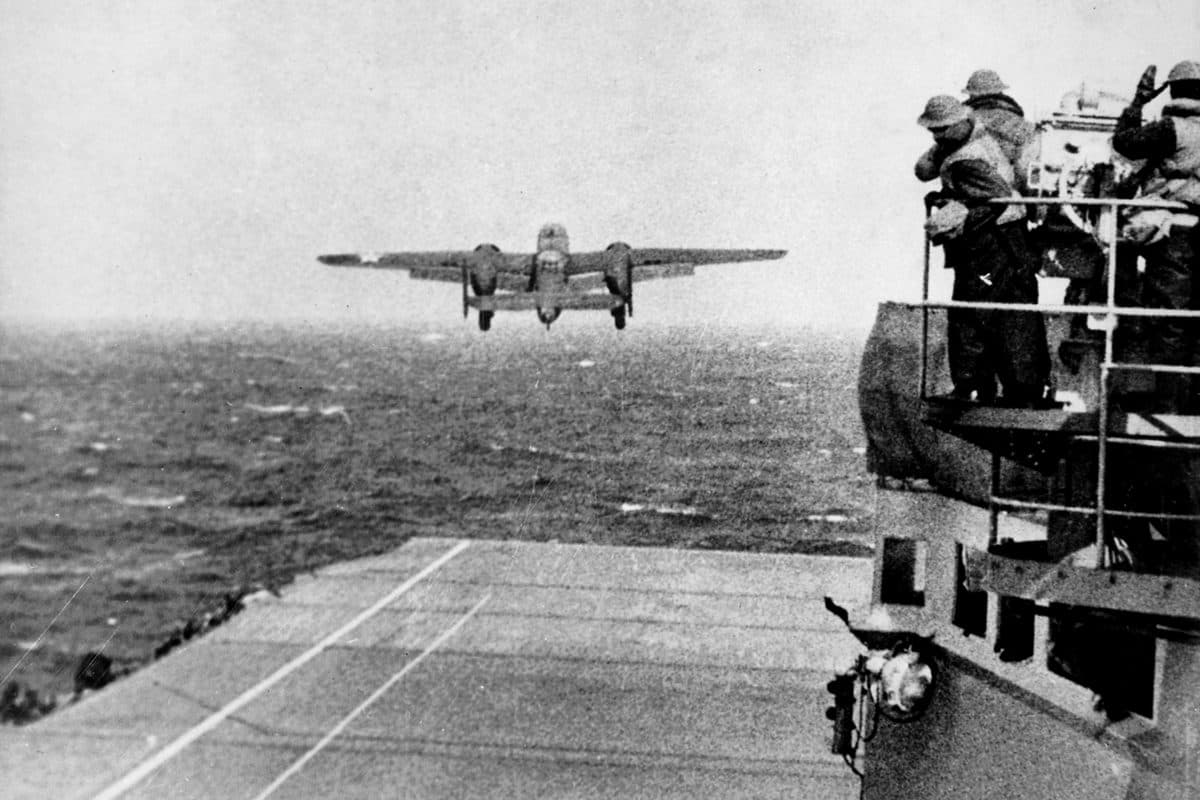
On April 18, 1942, sixteen B-25 Mitchell bombers did something no one thought possible: they launched from the deck of an aircraft carrier, flew 650 miles to Japan, and bombed Tokyo. Every aircraft was lost. The damage was negligible. The consequences changed the war.
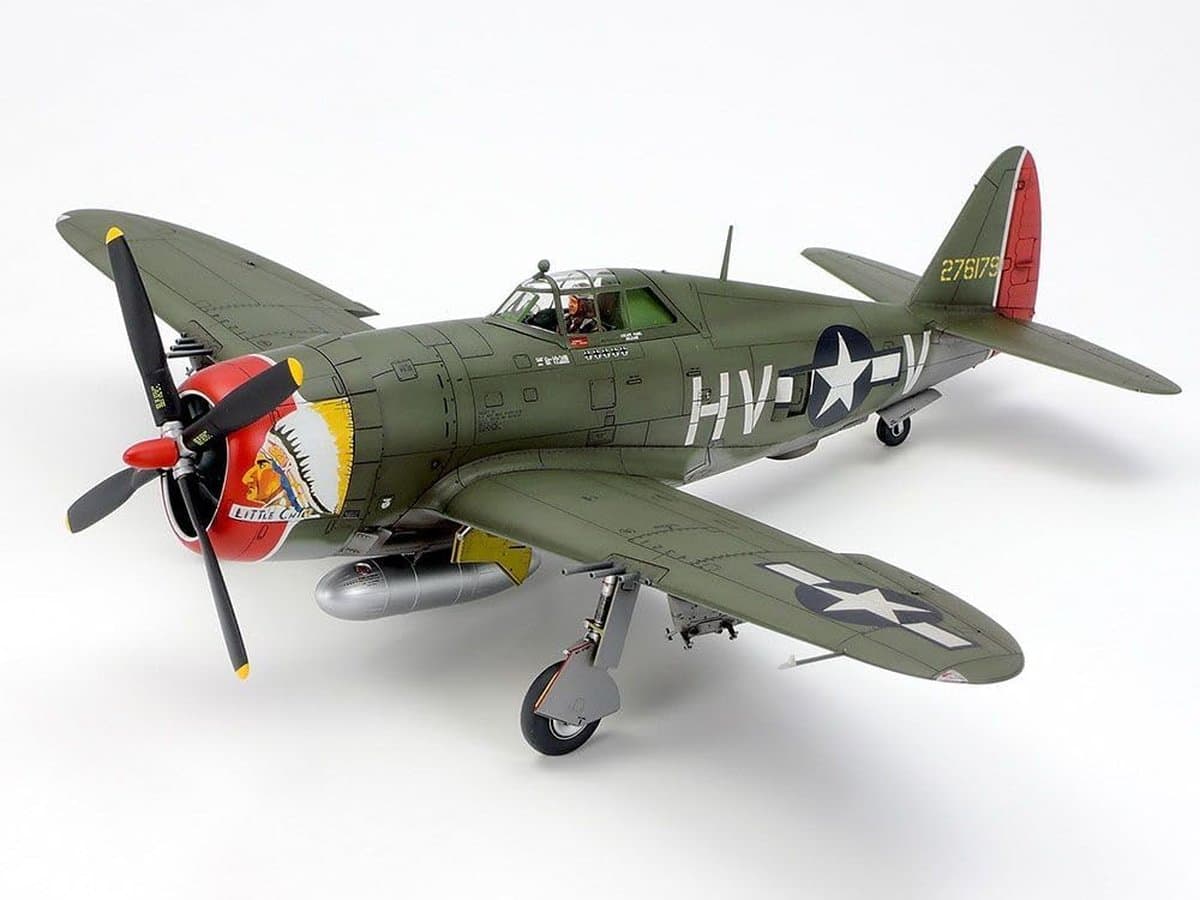
Compare 85+ WW2 scale model kits across aircraft, tanks, and ships. Beginner builds from $9 to museum-grade showpieces at $580. Covers Tamiya, Eduard, HK Models, Trumpeter, and more with honest reviews, trade-offs, and pricing.