

15 Best World War II Books for History Enthusiasts (2026)
15 essential WW2 books covering every theater. Narrative histories, memoirs, and visual references ranked.
daniel-mercer··21 min read

The B-29 Bockscar dropped the plutonium bomb "Fat Man" on the Japanese city of Nagasaki, killing approximately 40,000 people instantly and 70,000 by the end of 1945. Combined with the Soviet invasion of Manchuria the previous day and the Hiroshima bombing three days earlier, the attack led directly to Japan's surrender.
Julius Caesar decisively defeated Pompey the Great in central Greece despite being outnumbered nearly two to one. The victory effectively ended the Roman Republic's civil war and paved the way for Caesar's dictatorship and the eventual transformation of Rome from republic to empire.
Construction began on the bell tower of the cathedral of Pisa, which would become famous for its unintended tilt. The tower later served as an observation post during multiple conflicts involving Pisa, and Galileo reportedly used it for his famous (possibly apocryphal) gravity experiments that advanced the science underlying ballistics.
Colonel John Gibbon's 7th U.S. Infantry attacked a Nez Perce encampment along the Big Hole River in Montana Territory. Chief Joseph's warriors rallied and counterattacked, inflicting heavy casualties and extending the Nez Perce retreat toward Canada that became one of the most studied campaigns in American military history.
In the aftermath of the devastating Japanese victory at Savo Island, the Allied naval force withdrew from Guadalcanal waters, leaving the Marines ashore without naval support or supply. The 1st Marine Division was forced to ration captured Japanese food while digging in to defend Henderson Field.
Japanese Vice Admiral Gunichi Mikawa's cruiser force surprised Allied naval forces off Guadalcanal in a night engagement that sank four heavy cruisers and damaged others, becoming one of the worst defeats in U.S. Navy surface warfare history. The battle exposed dangerous gaps in American night fighting doctrine, radar employment, and carrier protection procedures.
The B-29 Bockscar dropped the plutonium bomb "Fat Man" on the Japanese city of Nagasaki, killing approximately 40,000 people instantly and 70,000 by the end of 1945. Combined with the Soviet invasion of Manchuria the previous day and the Hiroshima bombing three days earlier, the attack led directly to Japan's surrender.
Soviet forces advanced deep into Japanese-held Manchuria on the second day of Operation August Storm. Three Soviet fronts, comprising 1.5 million troops, attacked simultaneously from Mongolia, the Maritime Province, and the Trans-Baikal region, executing one of the most decisive campaigns of the entire war in just two weeks.
The B-29 Superfortress Bockscar, commanded by Major Charles Sweeney, dropped the plutonium implosion bomb Fat Man on Nagasaki at 11:02 AM local time. The weapon detonated with a yield of approximately 21 kilotons, killing an estimated 40,000 people immediately and prompting Japan's surrender five days later.
Singapore was expelled from the Federation of Malaysia and became an independent republic, inheriting British naval and air bases at Sembawang, Changi, and Tengah. The transition reshaped Southeast Asian force posture and accelerated the formation of the Five Power Defence Arrangements between Australia, Britain, Malaysia, New Zealand, and Singapore.
Richard Nixon became the first U.S. president to resign from office, ending the Watergate crisis. As Commander-in-Chief, Nixon had overseen the withdrawal from Vietnam, the opening to China, détente with the Soviet Union, and the Yom Kippur War airlift. His fall raised profound questions about presidential war powers and military authority.

England's first Poet Laureate whose work included "Annus Mirabilis" (1667), celebrating English naval victories over the Dutch and the resilience shown during the Great Fire of London. His political poetry shaped public understanding of military affairs during the Restoration period.

Legendary Motown singer-songwriter whose music provided the soundtrack for the Vietnam War generation. Songs like "The Tracks of My Tears" became anthems for soldiers serving overseas, and his music was a staple of Armed Forces Radio.

Brigadier General
Marine fighter ace who shot down 26 Japanese aircraft during the Guadalcanal campaign, tying Eddie Rickenbacker's World War I record. He received the Medal of Honor from President Roosevelt. After the war, he served as Governor of South Dakota, first commissioner of the American Football League, and president of the NRA.
Wear the Timeline
10 military events occurred on August 9, spanning multiple centuries. Key events include: Atomic Bombing of Nagasaki (1945), Battle of Pharsalus (48), Soviet Offensive in Manchuria Accelerates (1945), Nixon Resigns the Presidency (1974), Atomic Bombing of Nagasaki (1945).
The most significant military event on August 9 is Atomic Bombing of Nagasaki (1945). The B-29 Bockscar dropped the plutonium bomb "Fat Man" on the Japanese city of Nagasaki, killing approximately 40,000 people instantly and 70,000 by the end of 1945. Combined with the Soviet invasion of Manchuria the previous day and the Hiroshima bombing three days earlier, the attack led directly to Japan's surrender.
Notable military figures born on August 9 include John Dryden (1631–1700), Smokey Robinson (1940–present).
Events on August 9 span World War II, the Colonial & Revolutionary era, the Cold War, the Civil War, covering 10 events across 4 centuries of military history.
Events on August 9 involve 5 branches of the U.S. and allied armed forces, reflecting the global scope of military operations throughout history.
Explore military history from the day you were born.
June 6
The Allied invasion of Normandy, the largest amphibious assault in history.
December 7
Japan attacks the U.S. Pacific Fleet, bringing America into World War II.
September 11
The deadliest terrorist attack in history transforms U.S. national security.
August 6
The first atomic bomb is dropped on a city, ushering in the nuclear age.
May 8
Nazi Germany surrenders unconditionally, ending World War II in Europe.
November 11
Armistice Day marks the end of World War I and honors all who served.
June 4
The turning point of the Pacific War as the U.S. Navy destroys four Japanese carriers.
July 4
The Declaration of Independence is adopted, sparking the American Revolution.
15 essential WW2 books covering every theater. Narrative histories, memoirs, and visual references ranked.
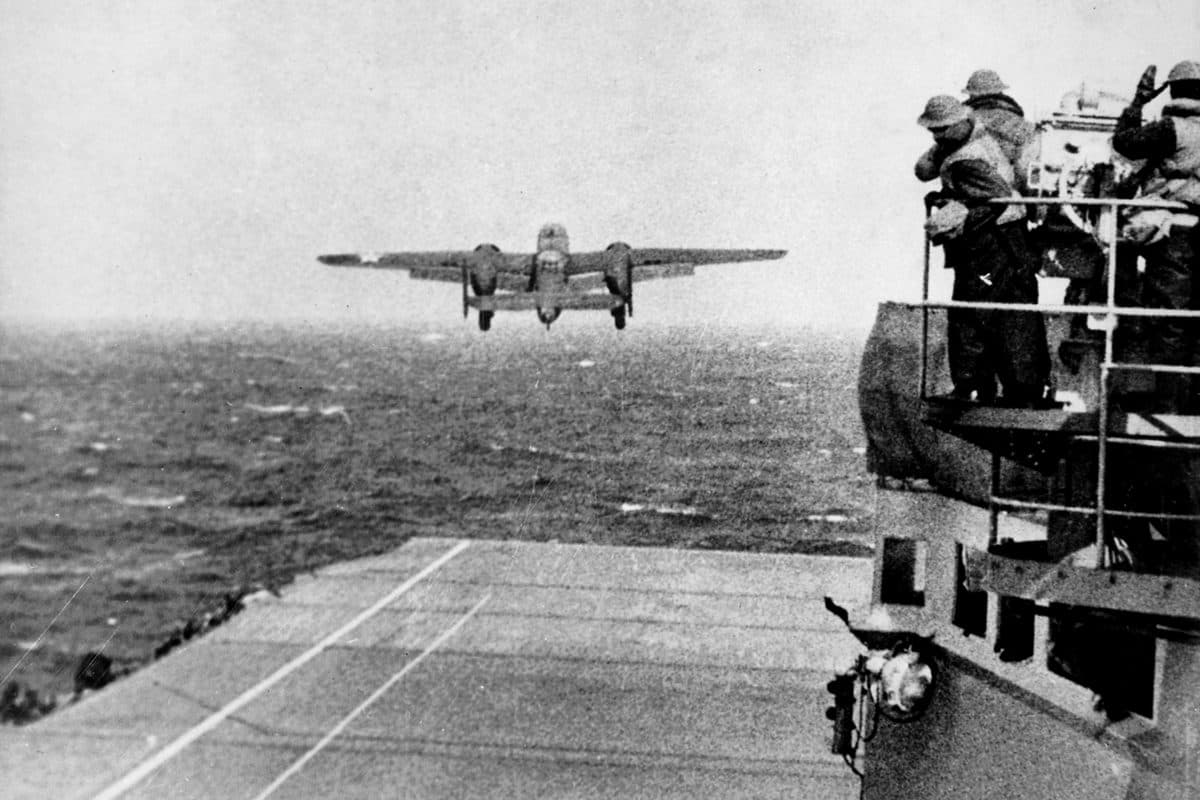
On April 18, 1942, sixteen B-25 Mitchell bombers did something no one thought possible: they launched from the deck of an aircraft carrier, flew 650 miles to Japan, and bombed Tokyo. Every aircraft was lost. The damage was negligible. The consequences changed the war.
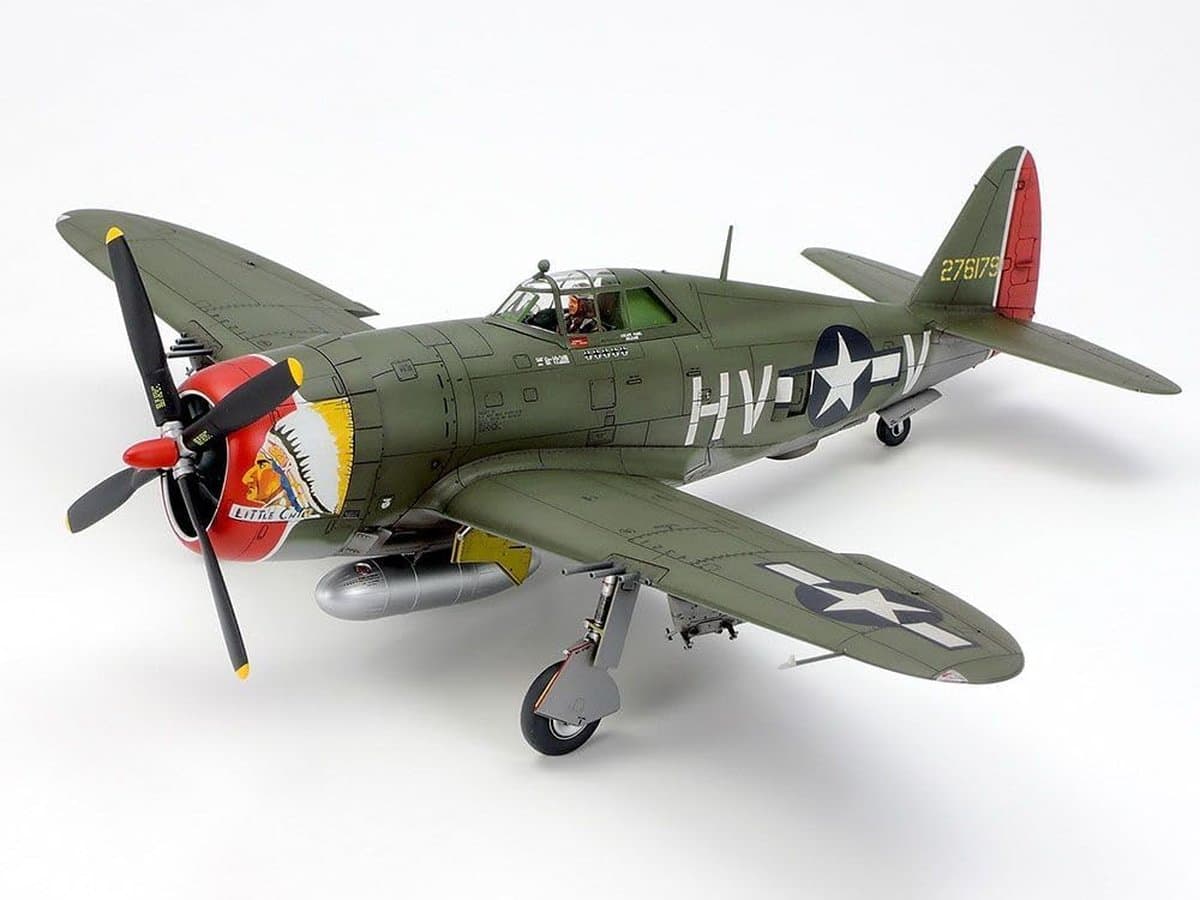
Compare 85+ WW2 scale model kits across aircraft, tanks, and ships. Beginner builds from $9 to museum-grade showpieces at $580. Covers Tamiya, Eduard, HK Models, Trumpeter, and more with honest reviews, trade-offs, and pricing.

On April 7, 1945, the Imperial Japanese Navy sent the largest battleship ever built on a one-way suicide mission to Okinawa. She never arrived. 386 American aircraft found her first, and sank her in under two hours.