

Iconic Aircraft of the Vietnam War
Boeing B-52 Stratofortress US Air Force This American project was first conceived in the immediate wake of the Second World War. The…
michael-trent··19 min read

In a solemn gathering at the Imperial Palace in Tokyo, Emperor Hirohito's Imperial Conference, the highest decision-making body in Japan, formally authorized war against the United States, Great Britain, and the Netherlands. The decision, made six days before the attack on Pearl Harbor, represented the point of no return: diplomatic negotiations were abandoned, and the massive military operations already in motion were given final imperial sanction. The Pacific War, which would kill millions and reshape the global order, was now inevitable.
The revolutionary ironclad warship USS Monitor was launched at Continental Iron Works in Greenpoint, Brooklyn. Designed by Swedish engineer John Ericsson, the Monitor featured a revolutionary rotating turret, the first of its kind on a warship, that would change naval warfare forever. Four months later, she fought the CSS Virginia to a draw at Hampton Roads, ending the age of wooden warships.
Henry Ford's Highland Park plant began operating the first moving automobile assembly line, reducing Model T production time from 12 hours to 93 minutes. The innovation revolutionized mass production and would prove decisive for military manufacturing: during World War II, Ford's Willow Run plant used assembly line techniques to produce a B-24 Liberator bomber every 63 minutes, giving the Allies an overwhelming material advantage.
The Kingdom of Serbs, Croats, and Slovenes, later renamed Yugoslavia, was officially proclaimed in Belgrade, uniting the South Slavic peoples who had fought on opposing sides during World War I. The new nation, born from the wreckage of the Austro-Hungarian Empire, would itself become a battlefield: occupied and dismembered in World War II, united under Tito's communist rule during the Cold War, and torn apart again in the brutal Yugoslav Wars of the 1990s.
Rosa Parks, a Montgomery seamstress and NAACP secretary, was arrested for refusing to surrender her bus seat to a white passenger. The act triggered the 381-day Montgomery bus boycott and launched Martin Luther King Jr. into national prominence, an event that would reshape the social fabric of the United States military as civil rights reforms accelerated.
Twelve nations signed the Antarctic Treaty, designating Antarctica as a demilitarized continent to be used exclusively for peaceful purposes and scientific research. The treaty banned military installations, weapons testing, nuclear explosions, and radioactive waste disposal on the continent. It remains one of the most successful arms control agreements in history, keeping an entire continent free of military conflict during the height of the Cold War.
The keel of USS Enterprise, the world's first nuclear-powered aircraft carrier, was laid at Newport News Shipbuilding in Virginia. At 1,123 feet long with eight A2W reactors producing 280,000 shaft horsepower, Enterprise could steam at over 33 knots and operate for years between refuelings, rewriting the rules for carrier operations.
Twelve nations signed the Antarctic Treaty in Washington, D.C., freezing territorial claims and prohibiting any military activity, weapons testing, or nuclear detonation on the entire continent south of 60 degrees south latitude. The treaty became the first Cold War arms control regime and a template for later space and seabed agreements.
The first military draft lottery since World War II was held at Selective Service headquarters in Washington, D.C., with 366 blue plastic capsules, each containing a date of birth, drawn to determine the order of call for military service in Vietnam. The lottery replaced the previous system of local draft board discretion, which had been widely criticized as inequitable. Young men across America gathered around televisions and radios, learning in real time whether they would be called to fight.
Aircraft of the Vietnam WarUS Central Command confirmed that Operation Desert Shield had reached a coalition force of roughly 500,000 troops in Saudi Arabia, with heavy armor, attack aviation, and logistics pouring into ports at Dhahran and Dammam. The buildup was the largest American overseas deployment since Vietnam and set the stage for Desert Storm six weeks later.

Marshal of the Soviet Union
The most decorated general in the history of the Soviet Union and arguably the most important Allied commander of World War II. Zhukov halted the German advance at Moscow in December 1941, won the decisive Battle of Stalingrad, broke the siege of Leningrad, commanded the Belorussian offensive that destroyed Army Group Center, and led the final assault on Berlin. His brutal effectiveness and willingness to absorb staggering casualties made him both feared and respected.

Known as "Louis the Fat," he was a warrior king who spent much of his reign personally leading military campaigns to consolidate royal authority in France. He fought over 30 military engagements during his rule, transforming the weak Capetian monarchy into a genuine military power. His rallying of the French feudal host to repel Emperor Henry V's invasion in 1124 marked the first time the French nation united in its own defense, a precursor to the national armies of later centuries.

Founder and first Prime Minister of Israel who died on this date in 1973. Ben-Gurion proclaimed Israeli independence on May 14, 1948, and immediately led the new nation through the 1948 Arab-Israeli War, unifying disparate Jewish militias into the Israel Defense Forces. A former soldier in the Jewish Legion during World War I, he built Israel's military from scratch into a formidable fighting force, overseeing its transformation from guerrilla units into a modern combined-arms military during the most existential period in the young nation's history.
Wear the Timeline
10 military events occurred on December 1, spanning multiple centuries. Key events include: Japan's Imperial Conference Authorizes War (1941), The Antarctic Treaty Is Signed and Demilitarizes a Continent (1959).
The most significant military event on December 1 is Japan's Imperial Conference Authorizes War (1941). In a solemn gathering at the Imperial Palace in Tokyo, Emperor Hirohito's Imperial Conference, the highest decision-making body in Japan, formally authorized war against the United States, Great Britain, and the Netherlands. The decision, made six days before the attack on Pearl Harbor, represented the point of no return: diplomatic negotiations were abandoned, and the massive military operations already in motion were given final imperial sanction. The Pacific War, which would kill millions and reshape the global order, was now inevitable.
Notable military figures born on December 1 include Georgy Zhukov (1896–1974), Louis VI of France (1081–1137).
Events on December 1 span World War II, the Civil War, the Interwar Period, World War I, the Cold War, the Vietnam War, the Modern Era, covering 10 events across 2 centuries of military history.
Events on December 1 involve 4 branches of the U.S. and allied armed forces, reflecting the global scope of military operations throughout history.
Explore military history from the day you were born.
June 6
The Allied invasion of Normandy, the largest amphibious assault in history.
December 7
Japan attacks the U.S. Pacific Fleet, bringing America into World War II.
September 11
The deadliest terrorist attack in history transforms U.S. national security.
August 6
The first atomic bomb is dropped on a city, ushering in the nuclear age.
May 8
Nazi Germany surrenders unconditionally, ending World War II in Europe.
November 11
Armistice Day marks the end of World War I and honors all who served.
June 4
The turning point of the Pacific War as the U.S. Navy destroys four Japanese carriers.
July 4
The Declaration of Independence is adopted, sparking the American Revolution.
Boeing B-52 Stratofortress US Air Force This American project was first conceived in the immediate wake of the Second World War. The…
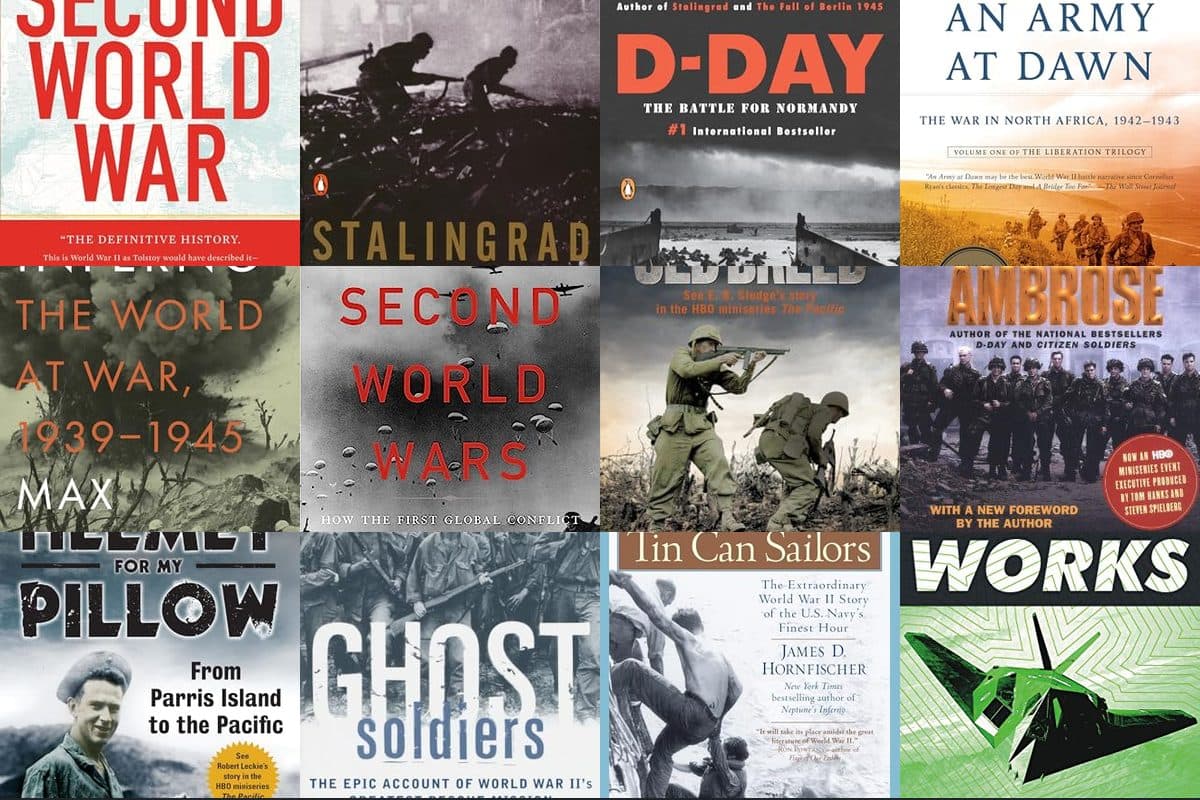
15 essential WW2 books covering every theater. Narrative histories, memoirs, and visual references ranked.
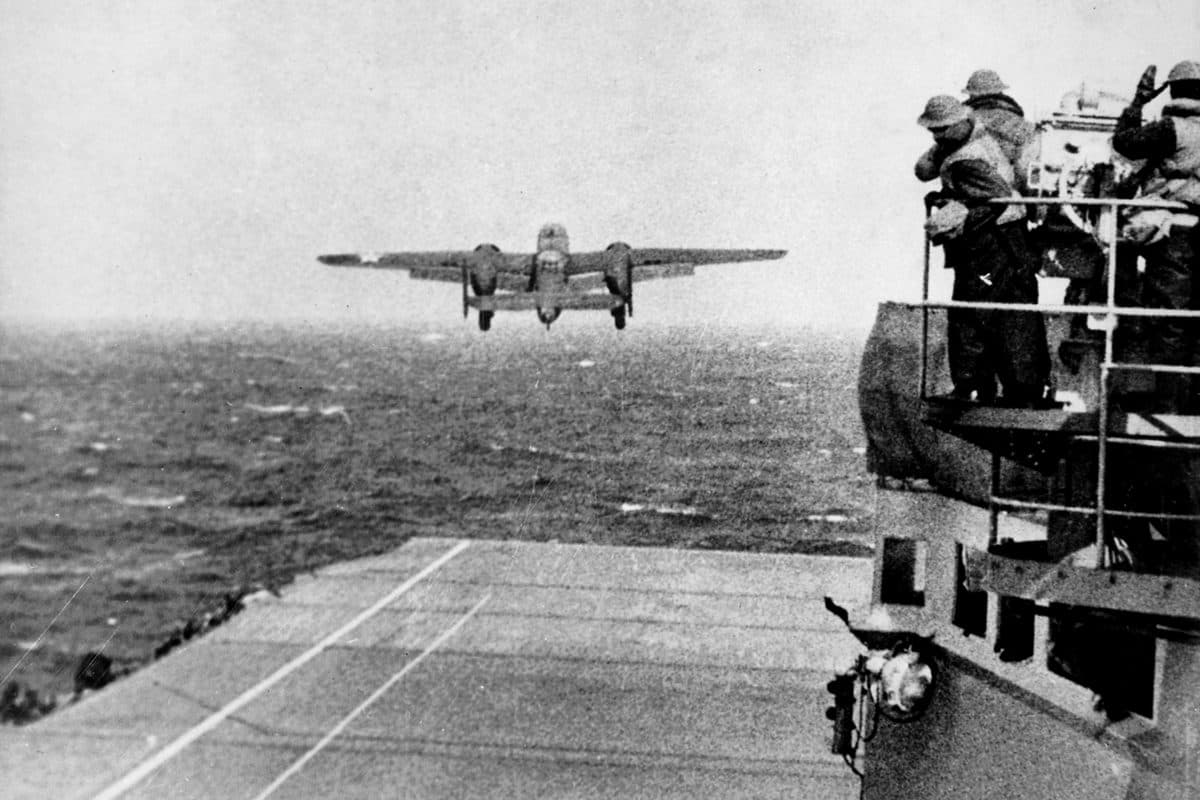
On April 18, 1942, sixteen B-25 Mitchell bombers did something no one thought possible: they launched from the deck of an aircraft carrier, flew 650 miles to Japan, and bombed Tokyo. Every aircraft was lost. The damage was negligible. The consequences changed the war.
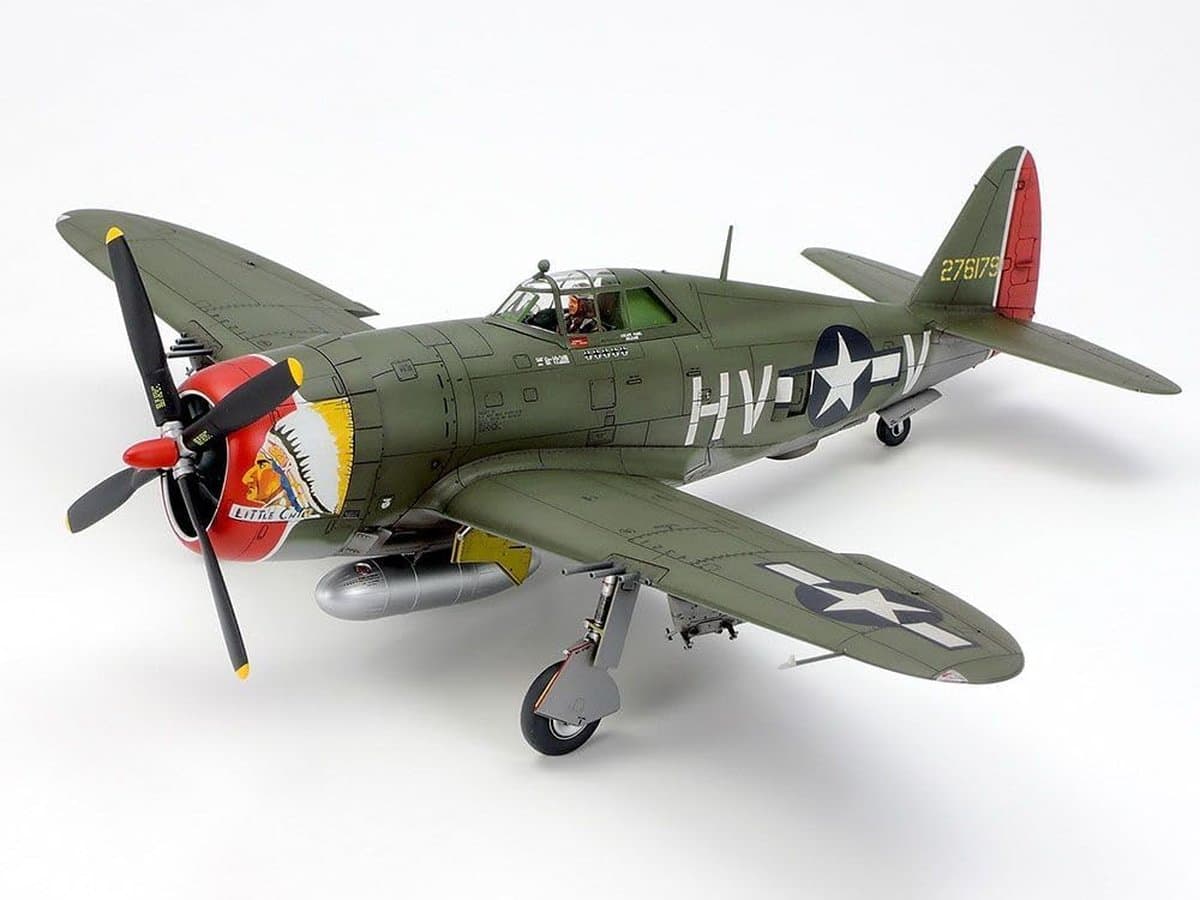
Compare 85+ WW2 scale model kits across aircraft, tanks, and ships. Beginner builds from $9 to museum-grade showpieces at $580. Covers Tamiya, Eduard, HK Models, Trumpeter, and more with honest reviews, trade-offs, and pricing.