




15 Best World War II Books for History Enthusiasts (2026)
15 essential WW2 books covering every theater. Narrative histories, memoirs, and visual references ranked.
daniel-mercer·
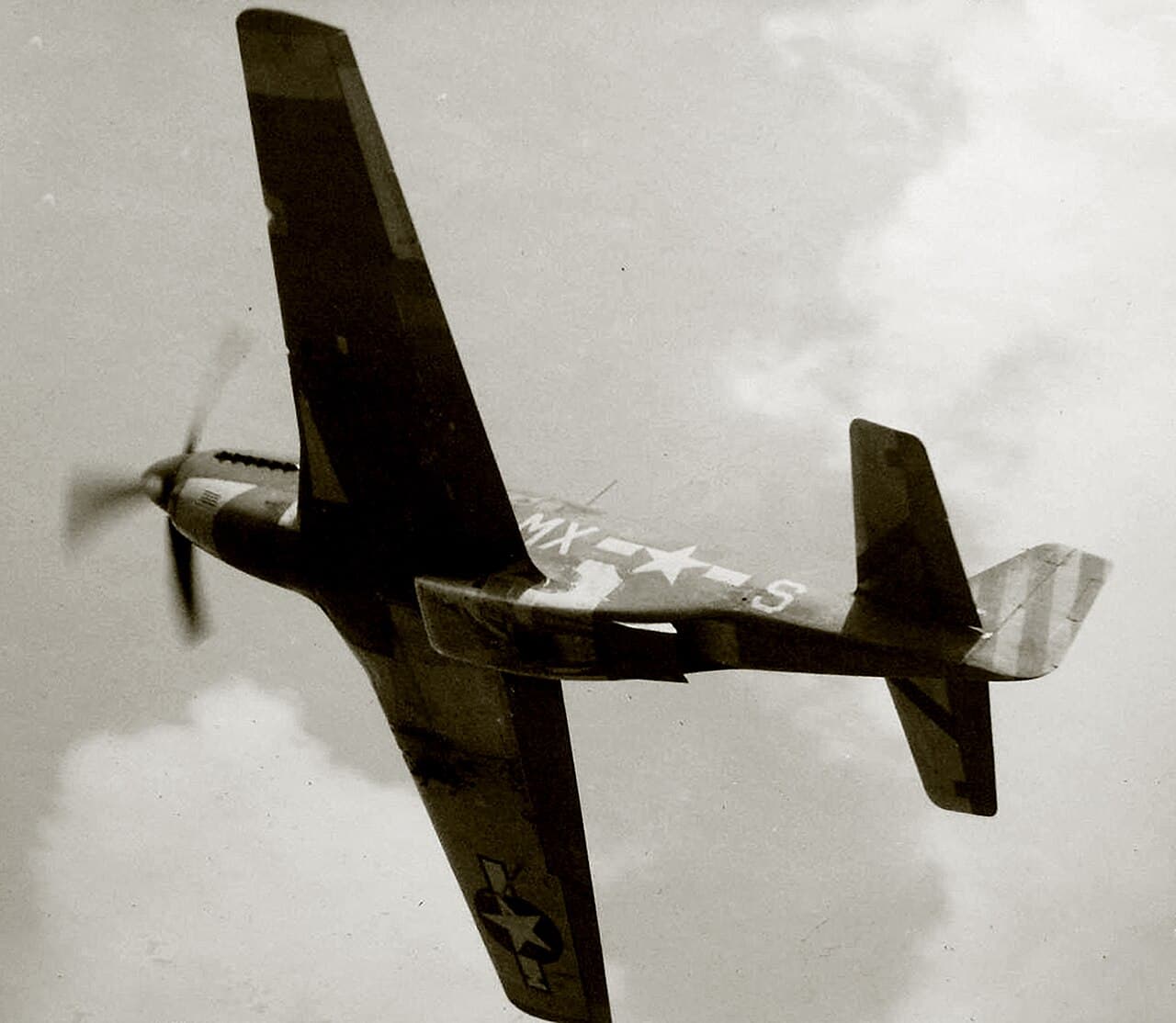 North American P-51D Mustang — United States
Every fighter, bomber, and warbird of World War II. Compare performance data, explore combat histories, and discover the machines that decided the war in the air.
70
Aircraft
8
Nations
16
Matchups
Between 1939 and 1945, aviation technology advanced more rapidly than in any other six-year period in history. Fighters evolved from fabric-covered biplanes to jet-powered interceptors. Bombers went from dropping small payloads over short distances to delivering atomic weapons from 30,000 feet across entire oceans. The aircraft profiled in this encyclopedia represent every major design that flew in combat , from the legendary P-51 Mustang to the forgotten PZL P.11 that met the Luftwaffe over Poland in September 1939.
This is not just a specs database. Each of the 70 aircraft profiled here includes development history, combat records, pilot quotes from the men who flew them, and interactive radar charts that let you compare performance across every meaningful dimension. Use the comparison tool to stack any two aircraft against each other, or explore our featured matchups for expert analysis of the most famous rivalries in aviation history.
Eight nations are represented, from the industrial might of the United States, which produced over 300,000 military aircraft during the war, to smaller air forces like France and Italy that fielded superb designs despite limited resources. Together, these machines tell the story of how air power transformed from a supporting role into the decisive factor in modern warfare.
Did You Know?
The original NA-73X prototype was designed and built in just 102 days, one of the fastest aircraft development programs of the war.
1939–1941
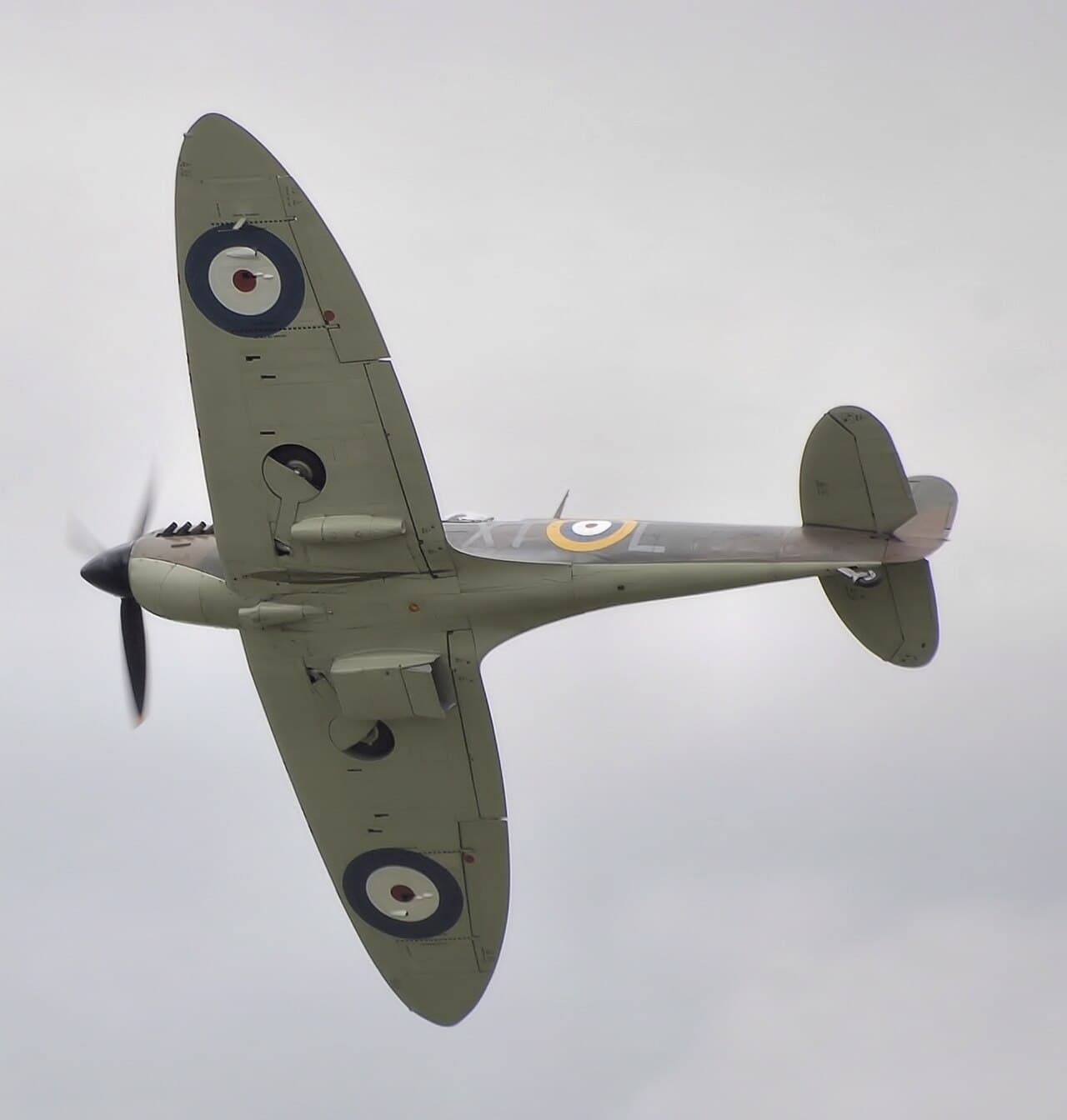
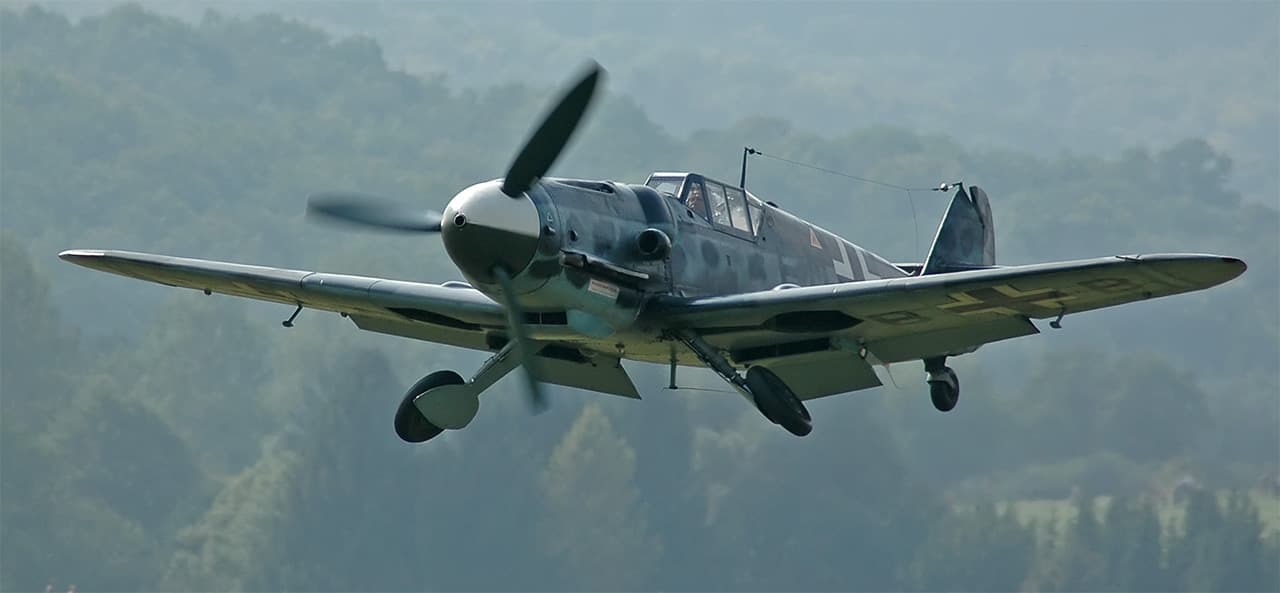
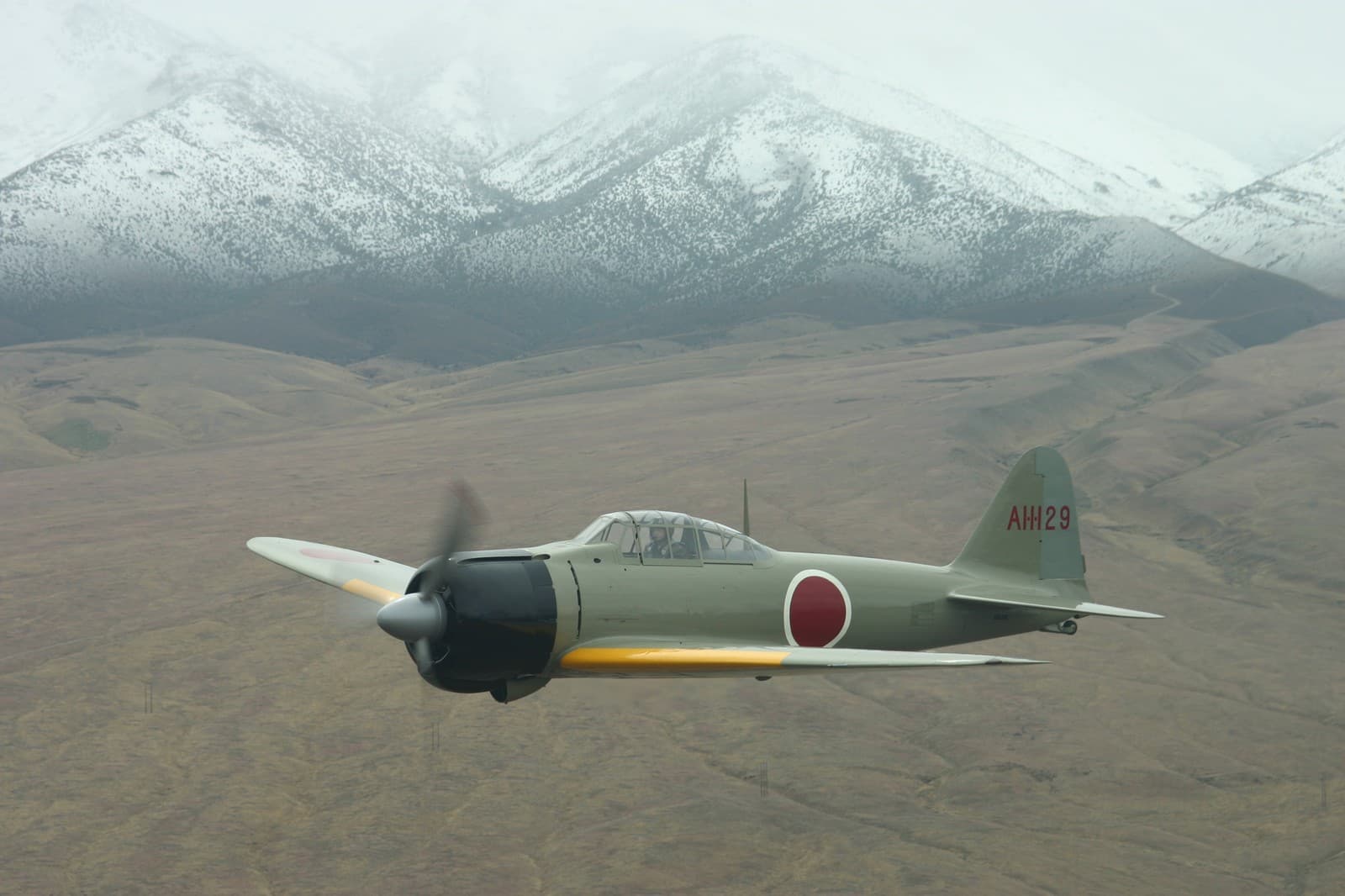
When Germany invaded Poland, frontline fighters barely cracked 350 mph. The Bf 109E and Spitfire Mk I dueled over Britain while the Zero stunned the Allies across the Pacific. Air power was still finding its role, and its limits.
1942–1943
The Fw 190 shocked the RAF. The B-17 brought daylight bombing to Germany at terrible cost. On the Eastern Front, the Il-2 became the most-produced military aircraft in history. Every nation scrambled to build faster, tougher, more lethal machines.
1944–1945
By D-Day the Allies owned the skies. The P-51 Mustang escorted bombers to Berlin and back. Germany's Me 262 jet arrived too late. The B-29 Superfortress ended the war from 30,000 feet. In six years, aviation had leapt an entire generation.
70 aircraft

Douglas Aircraft Company
Speed
339 mph
Range
1,090 mi
Ceiling
26k ft

Mitsubishi · “Zero/Zeke”
Speed
351 mph
Range
1,194 mi
Ceiling
39k ft

Arado
Speed
461 mph
Range
1,013 mi
Ceiling
33k ft

Boeing
Speed
287 mph
Range
2,000 mi
Ceiling
36k ft

Brewster Aeronautical
Speed
297 mph
Range
650 mi
Ceiling
33k ft

Consolidated Aircraft
Speed
290 mph
Range
2,100 mi
Ceiling
28k ft

North American Aviation
Speed
272 mph
Range
1,350 mi
Ceiling
24k ft

Glenn L. Martin Company
Speed
283 mph
Range
1,150 mi
Ceiling
21k ft

Boeing
Speed
357 mph
Range
3,250 mi
Ceiling
32k ft

Nakajima · “Kate”
Speed
235 mph
Range
1,237 mi
Ceiling
27k ft

Bristol Aeroplane Company
Speed
303 mph
Range
1,470 mi
Ceiling
15k ft

Messerschmitt
Speed
386 mph
Range
350 mi
Ceiling
39k ft
The Il-2 Shturmovik: Most-Produced Military Aircraft Ever
With 36,183 units built, the Soviet Il-2 holds the record for the most-produced military aircraft in history. Stalin reportedly told factory directors that the Red Army needed Il-2s “like bread, like air.”
America's Fighter Factories
The United States produced over 300,000 military aircraft between 1940 and 1945, more than any other nation. At peak production in 1944, American factories delivered a new combat aircraft every five minutes.
Germany's Jet Gambit
Despite producing just 1,430 Me 262s, Germany fielded more jet fighters in combat than all other nations combined during WW2. The technology arrived too late to change the outcome but previewed the future of aerial warfare.
The Mustang was the best fighter anybody had in World War II. It could do everything.
Test your knowledge with our WW2 aircraft identification quiz. Most people score 6 out of 10.
Take the Quiz15 essential WW2 books covering every theater. Narrative histories, memoirs, and visual references ranked.
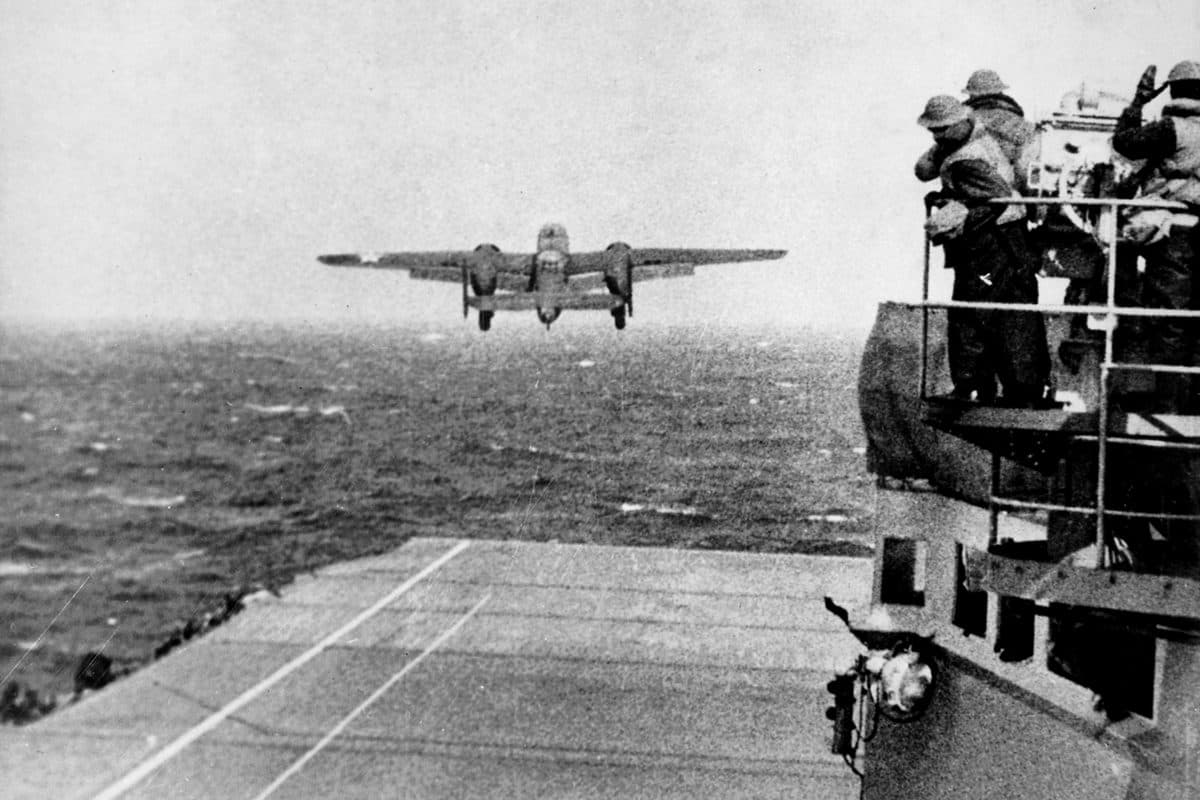
On April 18, 1942, sixteen B-25 Mitchell bombers did something no one thought possible: they launched from the deck of an aircraft carrier, flew 650 miles to Japan, and bombed Tokyo. Every aircraft was lost. The damage was negligible. The consequences changed the war.
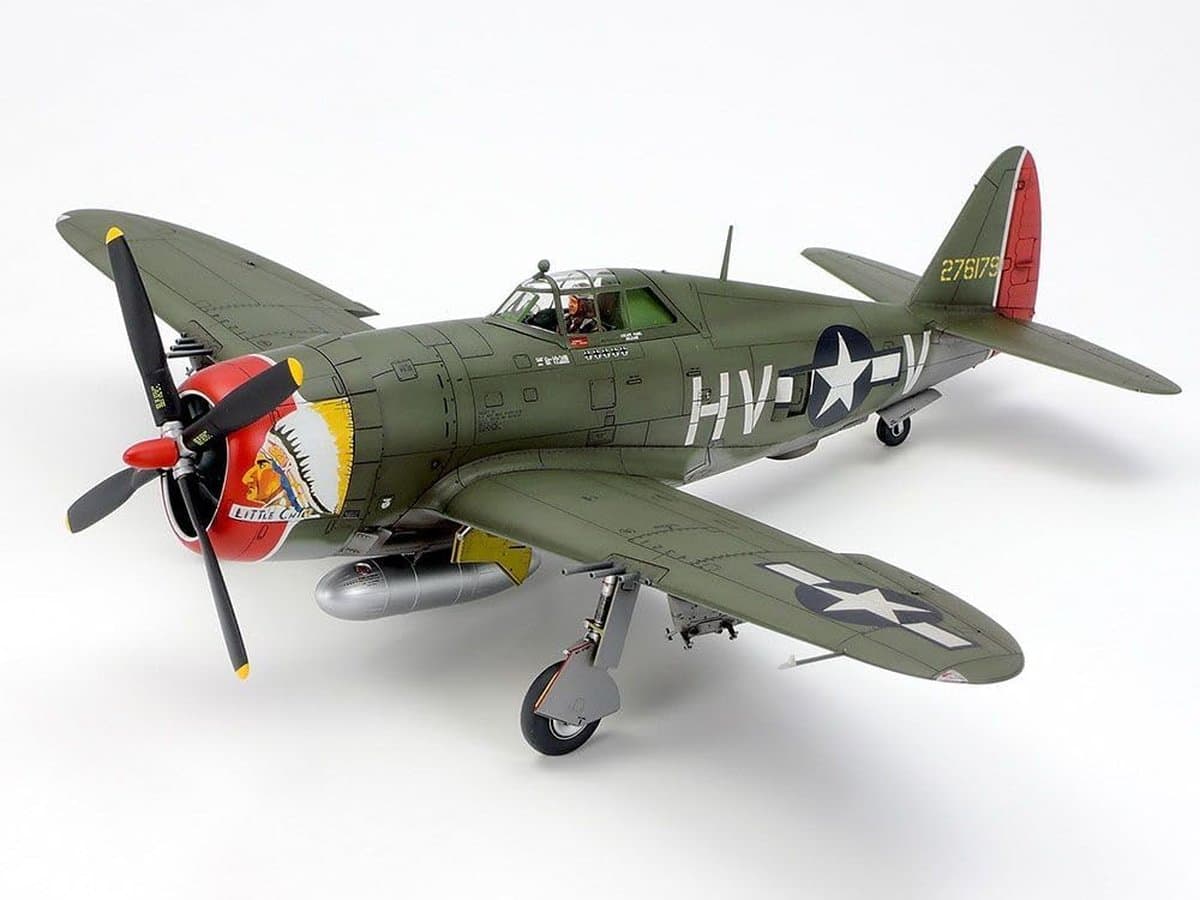
Compare 85+ WW2 scale model kits across aircraft, tanks, and ships. Beginner builds from $9 to museum-grade showpieces at $580. Covers Tamiya, Eduard, HK Models, Trumpeter, and more with honest reviews, trade-offs, and pricing.

On April 7, 1945, the Imperial Japanese Navy sent the largest battleship ever built on a one-way suicide mission to Okinawa. She never arrived. 386 American aircraft found her first, and sank her in under two hours.
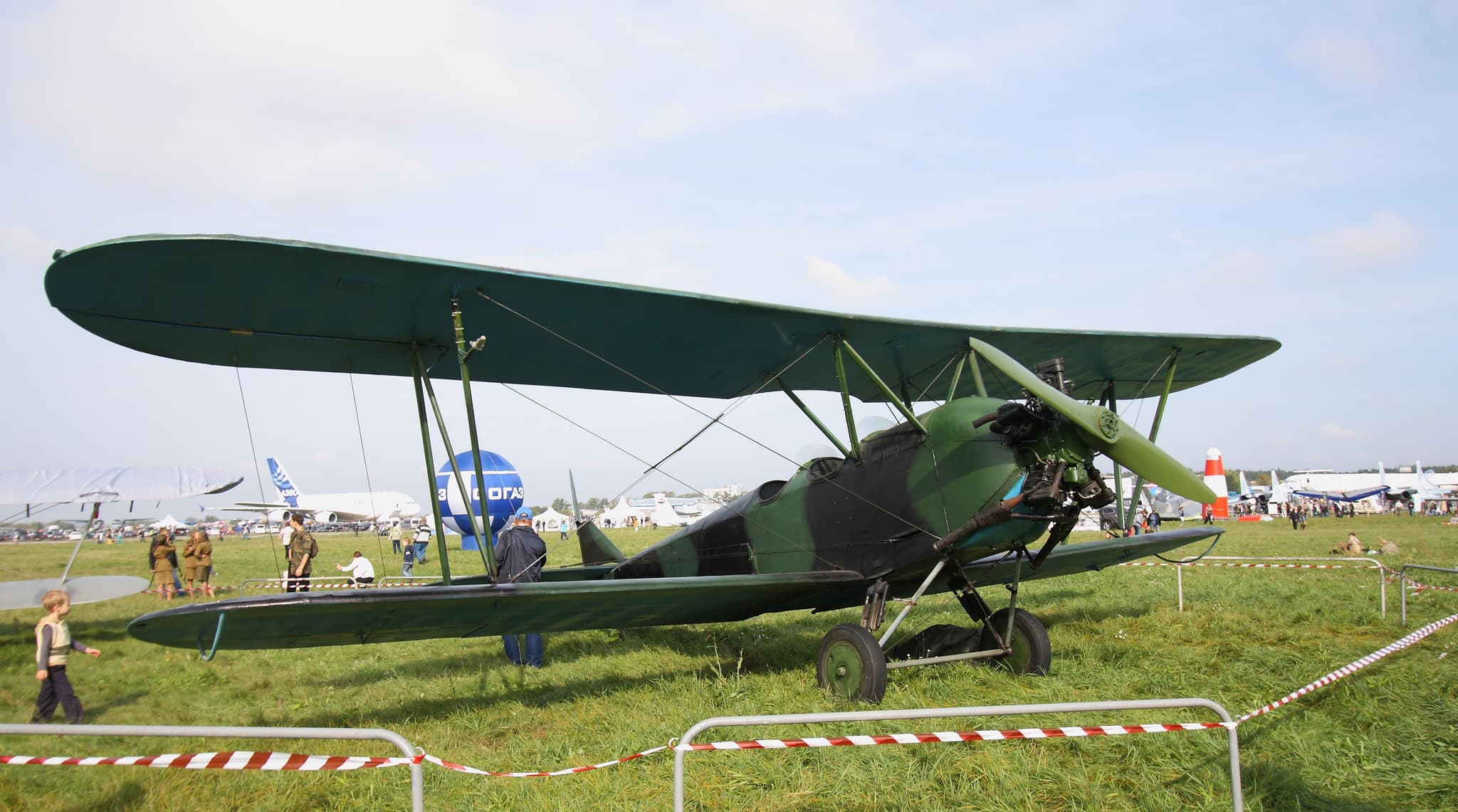
The 588th Night Bomber Regiment flew Polikarpov Po-2 biplanes, canvas-and-wood training aircraft designed in 1928 with a top speed of 94 mph. They flew them at night, in open cockpits, through anti-aircraft fire and searchlights, cutting their engines to glide silently over German positions before dropping bombs by hand. The all-female regiment flew 23,672 combat sorties over three years. The Germans called them the Nachthexen, the Night Witches, and came to fear the sound of wind through biplane struts in the darkness.
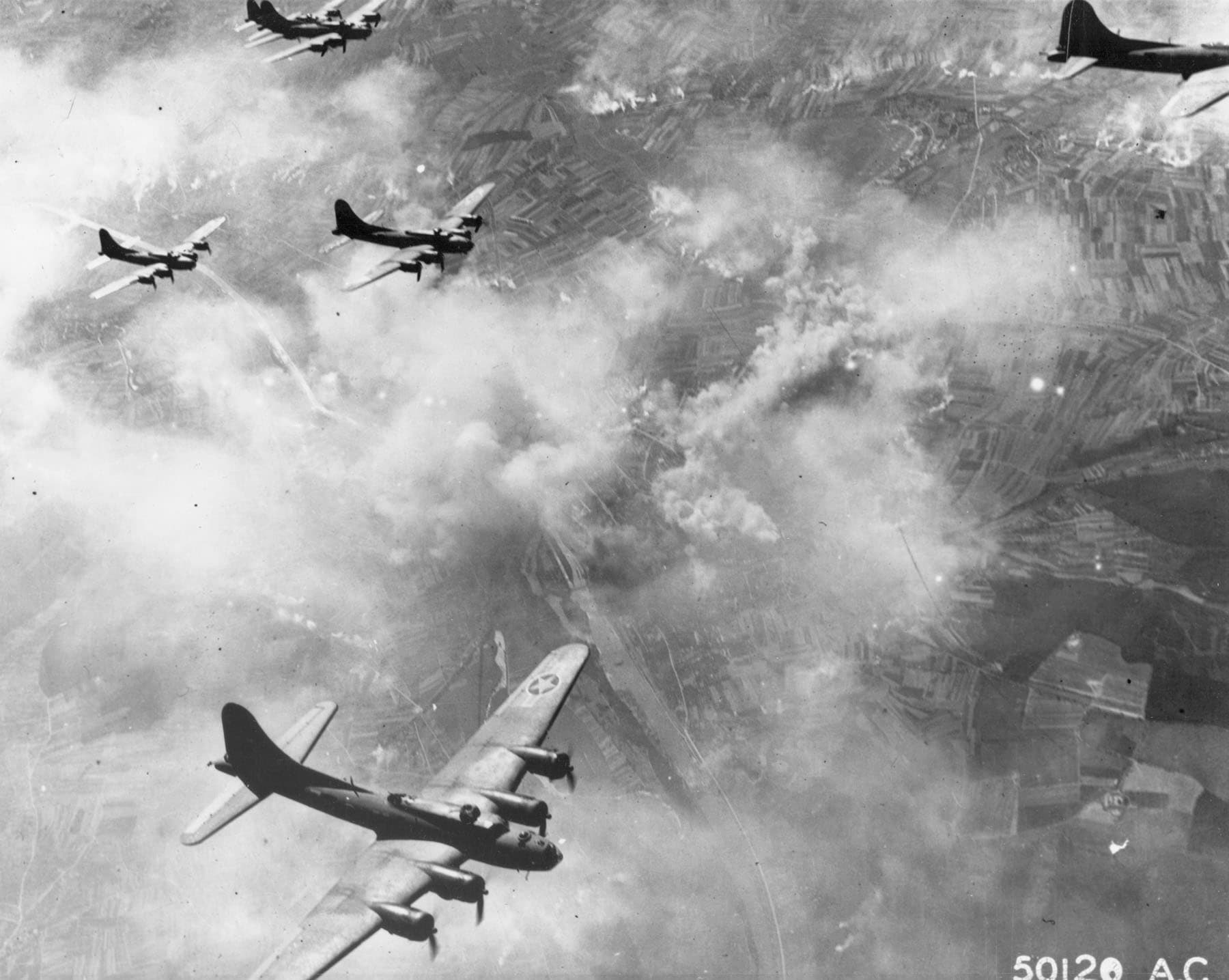
The Boeing B-17 Flying Fortress was not the biggest, fastest, or longest-ranged heavy bomber of World War II. What it was, beyond any dispute, was the toughest. B-17s returned from missions with tails nearly severed, engines shot away, fuselages opened by flak, and flight controls destroyed, damage that would have killed any other aircraft. It became the symbol of the American daylight bombing campaign and the most iconic bomber of the war.