


15 Best World War II Books for History Enthusiasts (2026)
15 essential WW2 books covering every theater. Narrative histories, memoirs, and visual references ranked.
daniel-mercer··21 min read
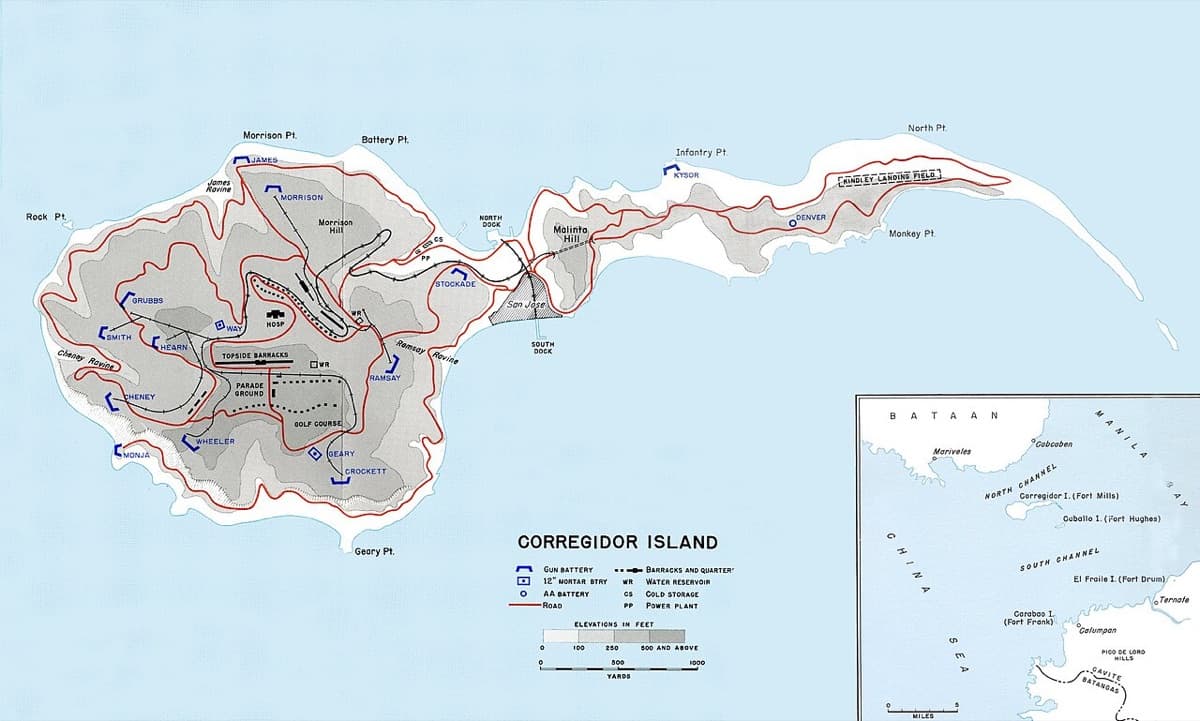
Lieutenant General Jonathan Wainwright surrendered Corregidor and all remaining forces in the Philippines to the Japanese. Approximately 11,000 troops became prisoners of war, joining the 75,000 already captured on Bataan. The surrender was the largest U.S. capitulation since the Civil War.
Unpaid troops of Holy Roman Emperor Charles V, largely Spanish soldiers and German Landsknechte, sacked Rome in one of the most devastating military actions of the Renaissance. The week-long pillage killed thousands, traumatized Europe, and ended the Italian Renaissance as a cultural force.
Arkansas voted to secede and join the Confederacy, becoming the ninth state to do so. Its strategic position on the Mississippi River made it an important theater of the Civil War, with major battles at Pea Ridge, Prairie Grove, and Arkansas Post.
After the Battle of the Wilderness, Grant ordered the Army of the Potomac to march south toward Spotsylvania Court House rather than retreat north. When soldiers realized they were advancing, cheers erupted along the columns. This decision marked a fundamental change in Union strategy, Grant would fight Lee continuously for 11 months.
The German airship Hindenburg burst into flames while landing at Lakehurst, New Jersey, killing 36 people and effectively ending the era of rigid airships. The disaster was captured on film and in Herbert Morrison's famous radio broadcast: "Oh, the humanity!" The catastrophe ended plans for military dirigible development.
The U.S. Army Ordnance Department began formal evaluation of Robert H. Goddard's rocketry patents and design data at Goddard's laboratory in Roswell, New Mexico, a wartime effort that eventually informed Jet Assisted Takeoff and early rocket engine development.
Lt. Gen. Wainwright surrendered Corregidor and all remaining forces in the Philippines to the Japanese.
As the Third Reich disintegrated, German commanders across Europe raced to surrender to Western Allies rather than the Soviets. Admiral Doenitz's government negotiated partial surrenders while delaying final capitulation to allow more soldiers and civilians to flee westward. Full unconditional surrender came the next day at Reims.
Medical student and RAF officer Roger Bannister ran the first sub-four-minute mile at Iffley Road, Oxford. The achievement was widely covered as a symbol of postwar British recovery and British military physical training standards.
The Channel Tunnel linking Folkestone and Coquelles was formally opened, immediately shifting NATO reinforcement planning for a land route from the United Kingdom to continental Europe that bypassed the vulnerable Channel ports.
Marine Fighter Attack Squadron VMFA-142, the last Marine Corps squadron flying the original F/A-18A Hornet, stood down from operational status as Marine aviation completed the transition to C and D model Hornets ahead of the F-35B fielding.

Rear Admiral
Navy officer and Arctic explorer who claimed to have reached the North Pole in 1909. His expeditions advanced cartographic knowledge of the Arctic, a region that would become strategically vital during the Cold War.

Leader of the French Revolution's Reign of Terror who transformed France's military through mass conscription (the levee en masse). His revolutionary government created the citizen army that Napoleon would later lead to conquer Europe.

Author of "Civil Disobedience," written after his arrest for refusing to pay taxes during the Mexican-American War. His ideas on resistance to unjust military power influenced Gandhi, Martin Luther King Jr., and anti-war movements for generations.
Wear the Timeline
10 military events occurred on May 6, spanning multiple centuries. Key events include: Fall of Corregidor: America's Last Philippine Stronghold Surrenders (1942), Grant Marches South from the Wilderness (1864), Hindenburg Disaster at Lakehurst (1937).
The most significant military event on May 6 is Fall of Corregidor: America's Last Philippine Stronghold Surrenders (1942). Lieutenant General Jonathan Wainwright surrendered Corregidor and all remaining forces in the Philippines to the Japanese. Approximately 11,000 troops became prisoners of war, joining the 75,000 already captured on Bataan. The surrender was the largest U.S. capitulation since the Civil War.
Notable military figures born on May 6 include Robert E. Peary (1856–1920), Maximilien Robespierre (1758–1794).
Events on May 6 span World War II, the Civil War, the Colonial & Revolutionary era, the Cold War, the Modern Era, covering 10 events across 4 centuries of military history.
Events on May 6 involve 4 branches of the U.S. and allied armed forces, reflecting the global scope of military operations throughout history.
Explore military history from the day you were born.
June 6
The Allied invasion of Normandy, the largest amphibious assault in history.
December 7
Japan attacks the U.S. Pacific Fleet, bringing America into World War II.
September 11
The deadliest terrorist attack in history transforms U.S. national security.
August 6
The first atomic bomb is dropped on a city, ushering in the nuclear age.
May 8
Nazi Germany surrenders unconditionally, ending World War II in Europe.
November 11
Armistice Day marks the end of World War I and honors all who served.
June 4
The turning point of the Pacific War as the U.S. Navy destroys four Japanese carriers.
July 4
The Declaration of Independence is adopted, sparking the American Revolution.
15 essential WW2 books covering every theater. Narrative histories, memoirs, and visual references ranked.
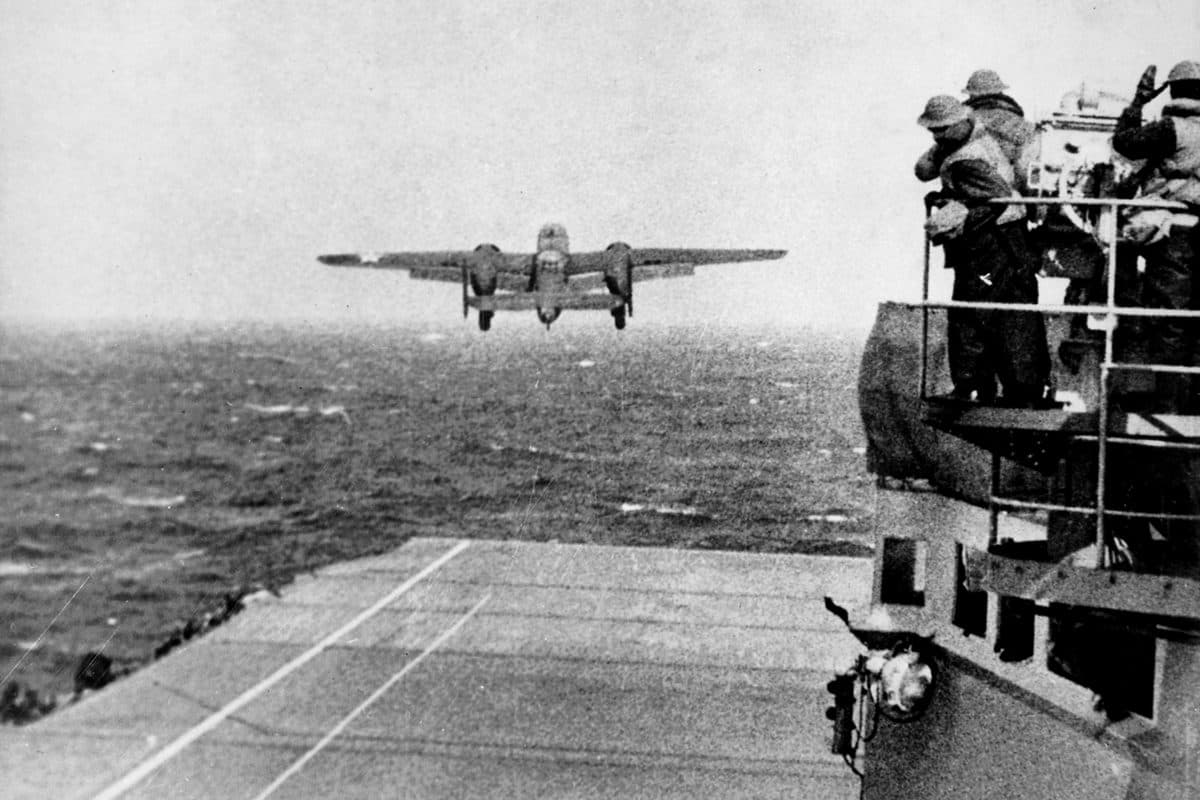
On April 18, 1942, sixteen B-25 Mitchell bombers did something no one thought possible: they launched from the deck of an aircraft carrier, flew 650 miles to Japan, and bombed Tokyo. Every aircraft was lost. The damage was negligible. The consequences changed the war.
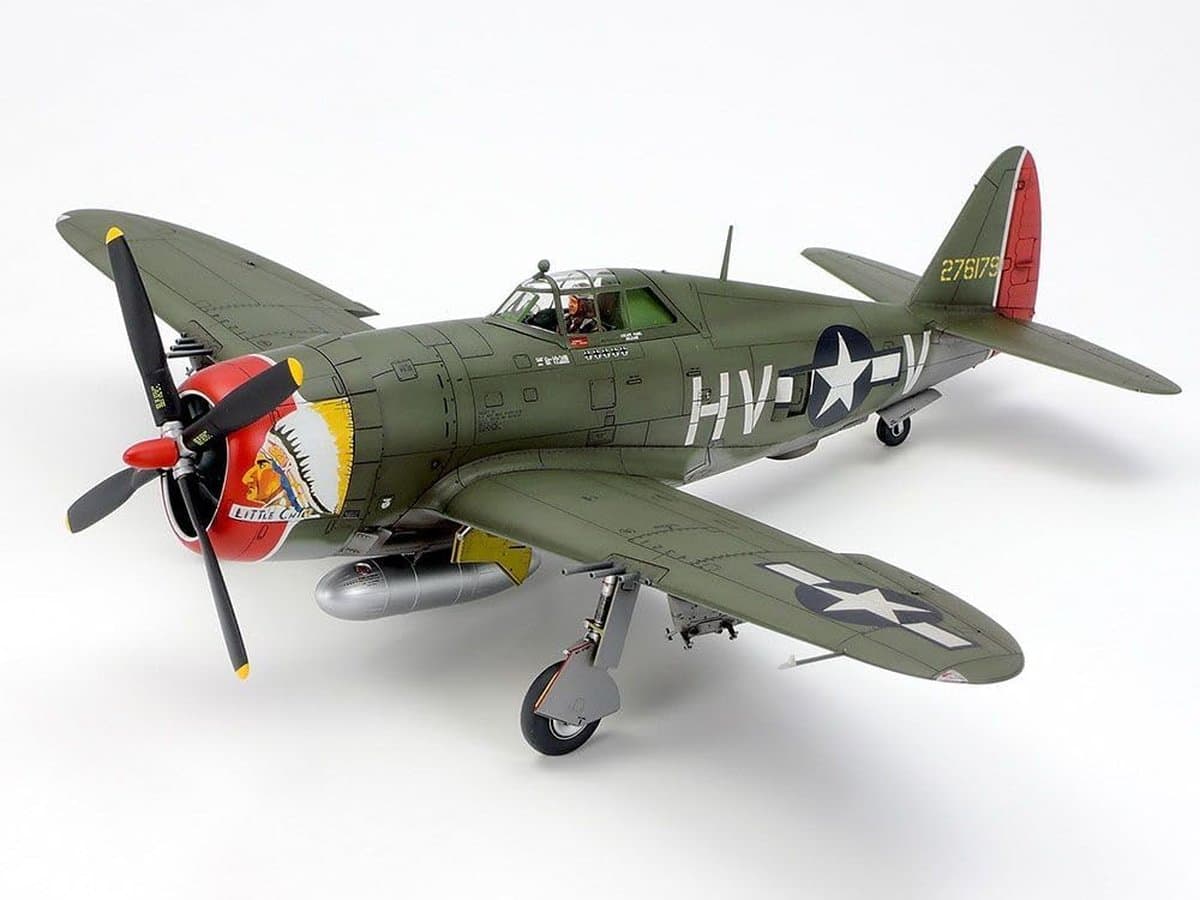
Compare 85+ WW2 scale model kits across aircraft, tanks, and ships. Beginner builds from $9 to museum-grade showpieces at $580. Covers Tamiya, Eduard, HK Models, Trumpeter, and more with honest reviews, trade-offs, and pricing.

On April 7, 1945, the Imperial Japanese Navy sent the largest battleship ever built on a one-way suicide mission to Okinawa. She never arrived. 386 American aircraft found her first, and sank her in under two hours.