

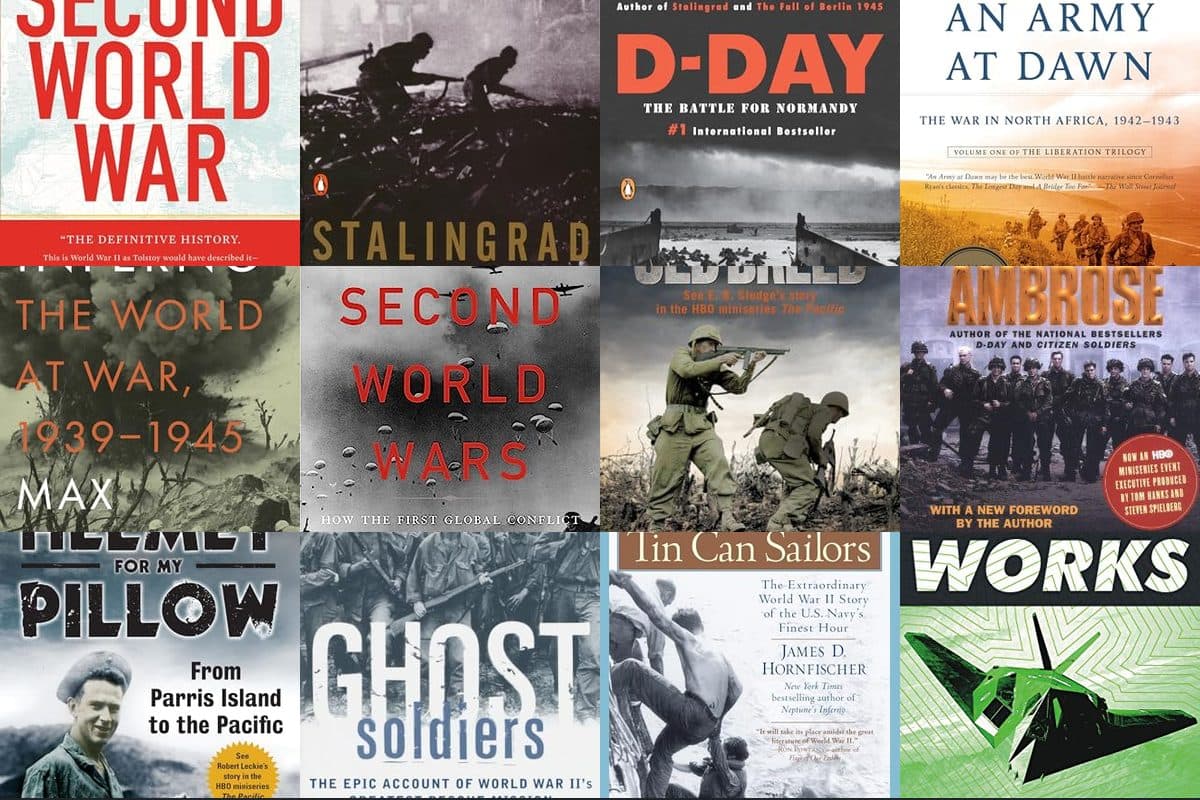
15 Best World War II Books for History Enthusiasts (2026)
15 essential WW2 books covering every theater. Narrative histories, memoirs, and visual references ranked.
daniel-mercer··21 min read
A Mexican army of 4,500 under General Ignacio Zaragoza defeated 6,000 French troops at Puebla, one of the most celebrated victories in Mexican history. The French army, considered the world's finest, had not suffered a major defeat in nearly 50 years. Although France ultimately captured Mexico City the following year, the victory became a powerful symbol of national resistance.
Napoleon, who conquered most of Europe and transformed modern warfare, died in exile at age 51. His innovations in military organization, corps structure, combined arms tactics, and national mobilization profoundly influenced all subsequent military thinking. His campaigns are still studied at every military academy in the world.
A Mexican army of 4,500 defeated 6,000 French troops at Puebla, a victory celebrated as Cinco de Mayo.
The second day at the Wilderness saw Confederate Lt. Gen. Longstreet seriously wounded by friendly fire, eerily paralleling Stonewall Jackson's wounding at Chancellorsville one year earlier. Despite 17,000+ Union casualties over two days, Grant ordered the army south, breaking the pattern of retreat.
The Confederate ironclad ram CSS Albemarle, supported by gunboats, engaged a Union flotilla in Albemarle Sound. The Union gunboat USS Bombshell was captured and the sidewheeler USS Sassacus was heavily damaged attempting to ram the Confederate vessel.
German occupation forces in the Netherlands surrendered to Canadian forces, ending the brutal "Hunger Winter" that killed approximately 20,000 Dutch civilians. Canadian troops had fought a costly campaign through the Scheldt and into the Netherlands, and are still honored in Dutch ceremonies to this day.
The U.S. Army 11th Armored Division liberated Mauthausen in Austria, one of the last major concentration camps freed. An estimated 90,000 prisoners had perished through slave labor, starvation, and gassing. American soldiers were profoundly shaken by what they found.
A Japanese Fu-Go incendiary balloon, one of roughly 9,300 launched from Honshu, descended near Bly, Oregon and killed six people who disturbed it, the only deaths on the American mainland caused by enemy action during the Second World War.
Navy Commander Alan Shepard made a 15-minute suborbital flight aboard Mercury "Freedom 7," becoming the first American in space. The military test pilot's flight came 23 days after Soviet cosmonaut Yuri Gagarin's orbital flight, demonstrating American capability during the Space Race.
Navy Commander Alan Shepard rode a Mercury-Redstone rocket on a 15-minute suborbital flight from Cape Canaveral, becoming the first American in space. The mission validated the Mercury capsule design and committed the United States to the race to the Moon.
The U.S. Navy formally resumed EP-3 Aries signals intelligence flights along the Chinese coast after a multi-month suspension, reinstating a surveillance pattern that would eventually lead to the 2001 Hainan Island incident.

German philosopher whose writings on class struggle inspired the Russian and Chinese revolutions, dozens of guerrilla wars, and fundamentally shaped the ideological conflicts of the 20th century. His theories on economics and military power influenced both communist and Western strategic thinking throughout the Cold War.

Lieutenant General
Commanded the Army of the Ohio at the Battle of Franklin (1864) and later served as Commanding General of the U.S. Army. He prophetically warned about the strategic importance of Pearl Harbor decades before the 1941 attack.

The foremost military commander of the modern era, whose campaigns reshaped Europe and transformed warfare. His innovations in corps organization, combined arms, and national mobilization are still studied at every military academy. Died in exile on St. Helena at age 51.

IRA volunteer who died on the 66th day of his hunger strike in the Maze Prison. His death and those of nine other strikers intensified the Troubles, demonstrating the power of asymmetric political warfare, and contributed to the eventual Northern Ireland peace process.
Wear the Timeline
10 military events occurred on May 5, spanning multiple centuries. Key events include: Battle of Puebla: Cinco de Mayo (1862), Napoleon Bonaparte Dies on St. Helena (1821), Alan Shepard's Mercury-Redstone 3 Suborbital Flight (1961).
The most significant military event on May 5 is Battle of Puebla: Cinco de Mayo (1862). A Mexican army of 4,500 under General Ignacio Zaragoza defeated 6,000 French troops at Puebla, one of the most celebrated victories in Mexican history. The French army, considered the world's finest, had not suffered a major defeat in nearly 50 years. Although France ultimately captured Mexico City the following year, the victory became a powerful symbol of national resistance.
Notable military figures born on May 5 include Karl Marx (1818–1883), John Schofield (1831–1906).
Events on May 5 span the Civil War, the Colonial & Revolutionary era, World War II, the Cold War, the Modern Era, covering 10 events across 2 centuries of military history.
Events on May 5 involve 3 branches of the U.S. and allied armed forces, reflecting the global scope of military operations throughout history.
Explore military history from the day you were born.
June 6
The Allied invasion of Normandy, the largest amphibious assault in history.
December 7
Japan attacks the U.S. Pacific Fleet, bringing America into World War II.
September 11
The deadliest terrorist attack in history transforms U.S. national security.
August 6
The first atomic bomb is dropped on a city, ushering in the nuclear age.
May 8
Nazi Germany surrenders unconditionally, ending World War II in Europe.
November 11
Armistice Day marks the end of World War I and honors all who served.
June 4
The turning point of the Pacific War as the U.S. Navy destroys four Japanese carriers.
July 4
The Declaration of Independence is adopted, sparking the American Revolution.
15 essential WW2 books covering every theater. Narrative histories, memoirs, and visual references ranked.
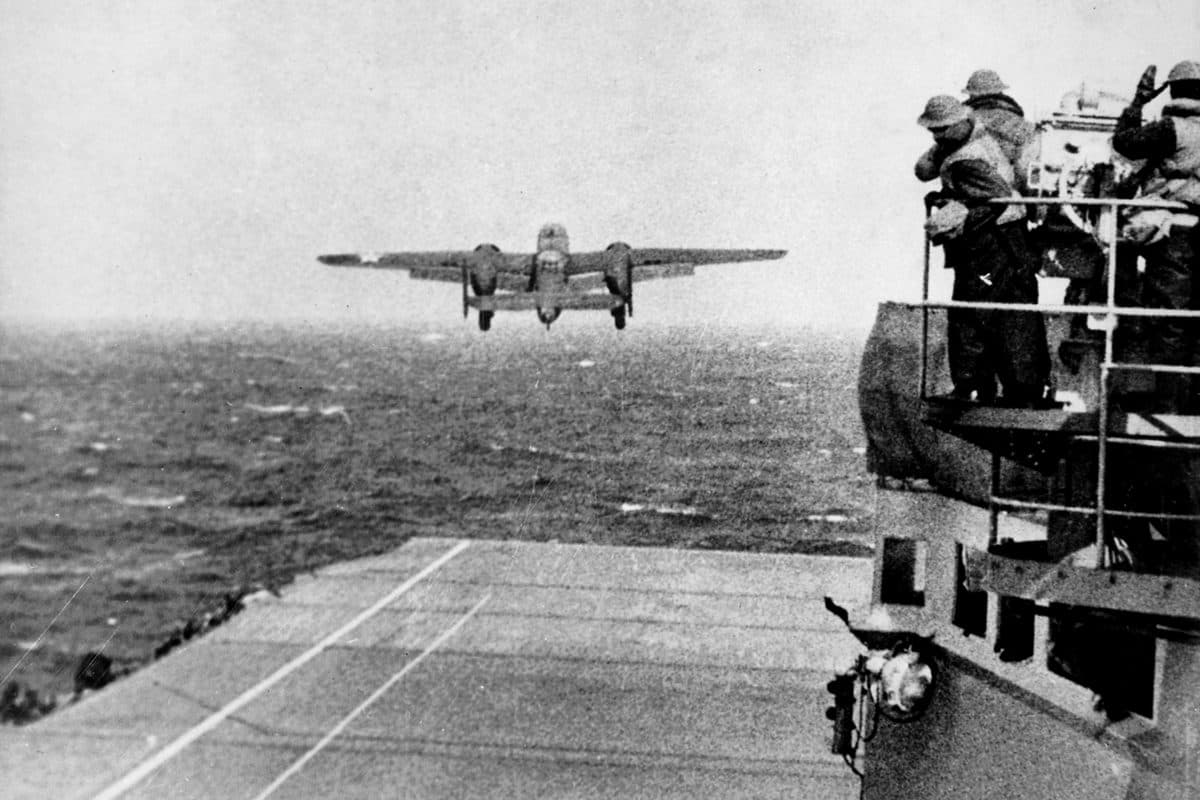
On April 18, 1942, sixteen B-25 Mitchell bombers did something no one thought possible: they launched from the deck of an aircraft carrier, flew 650 miles to Japan, and bombed Tokyo. Every aircraft was lost. The damage was negligible. The consequences changed the war.
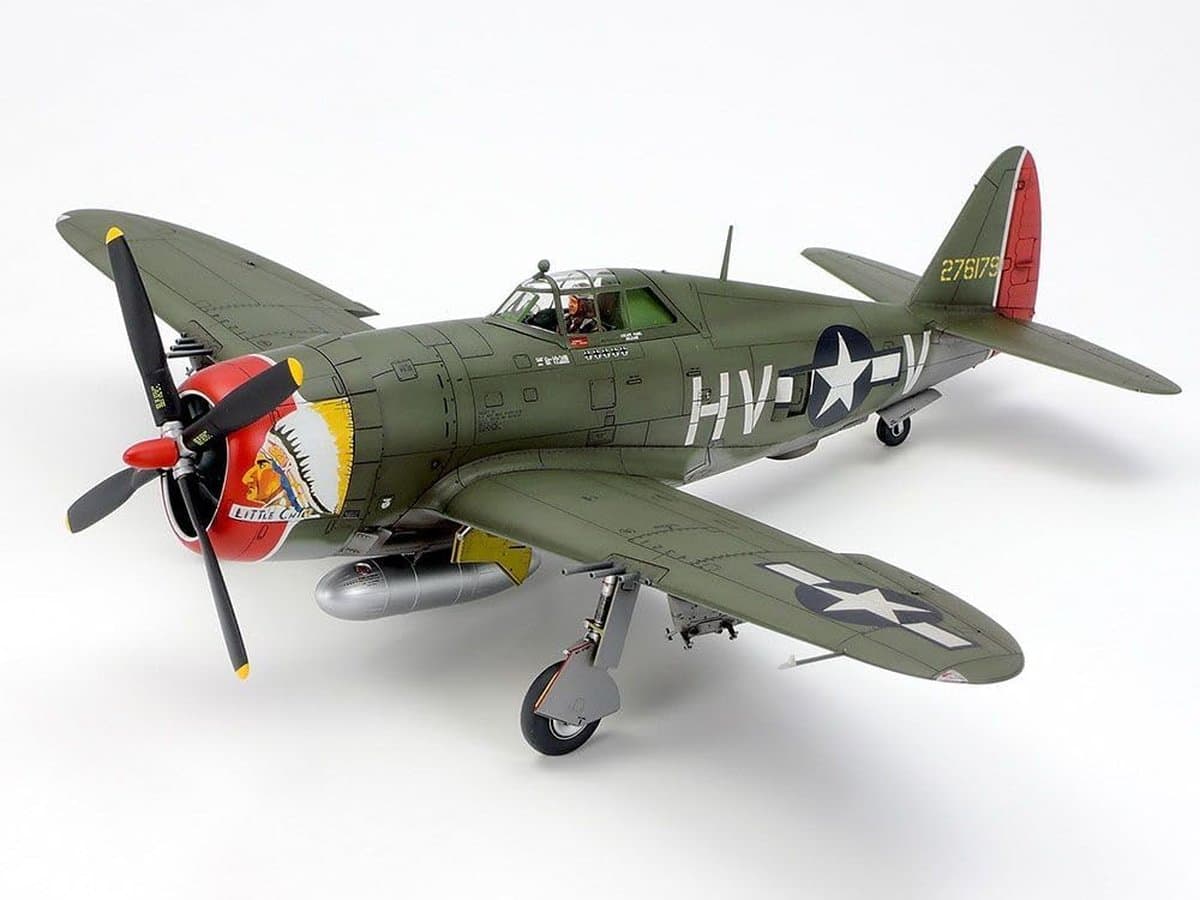
Compare 85+ WW2 scale model kits across aircraft, tanks, and ships. Beginner builds from $9 to museum-grade showpieces at $580. Covers Tamiya, Eduard, HK Models, Trumpeter, and more with honest reviews, trade-offs, and pricing.

On April 7, 1945, the Imperial Japanese Navy sent the largest battleship ever built on a one-way suicide mission to Okinawa. She never arrived. 386 American aircraft found her first, and sank her in under two hours.