Historical accounts of battles, campaigns, and military decisions that shaped the world. These articles bring the past to life with detailed narratives, primary sources, and analysis of what happened and why it mattered.
Military history reveals the decisions, technologies, and human factors that determined the outcome of the conflicts shaping our world. From ancient sieges to 21st-century operations, understanding how wars were fought, and why they were won or lost, provides essential context for evaluating modern military capability and strategic thinking. History does not repeat itself exactly, but the patterns it reveals are the closest thing military planners have to a laboratory.
Our military history coverage brings past conflicts to life with detailed narratives, primary source evidence, and analysis that connects historical events to enduring principles of warfare. Explore the armored breakthroughs at Kursk, the carrier battles that decided the Pacific War, the strategic bombing campaigns over Germany, and the amphibious landings that changed the course of the 20th century. We examine the commanders who made critical decisions under pressure, the machines that gave one side the technological edge, and the logistical realities that constrained what was possible on the battlefield.
From the Military Machine catalog
Top picks for Military History
Hand-picked from our gear guides, ranked for relevance to this topic.
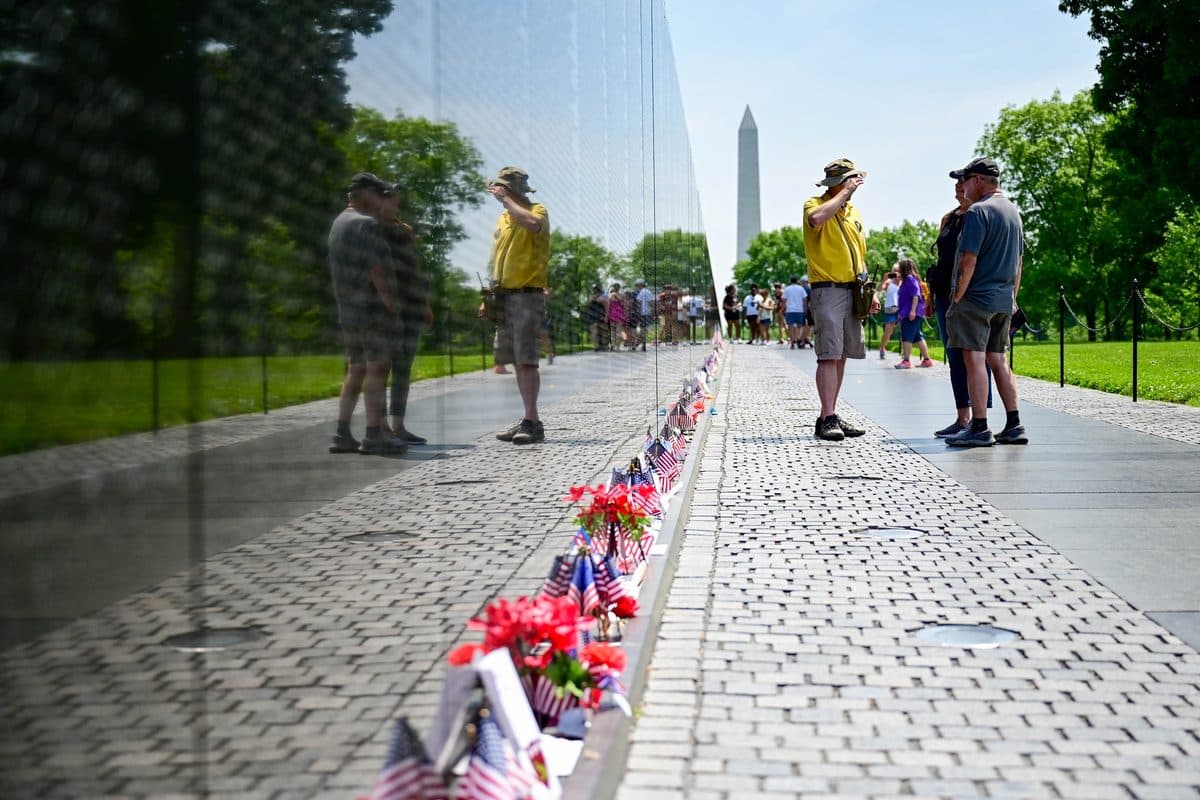
Memorial Day is the one day Americans pause to remember. These 10 military memorials, from the Vietnam Wall to the USS Arizona, make sure they never forget. Each one carries a story that goes far deeper than what the guidebooks tell you.
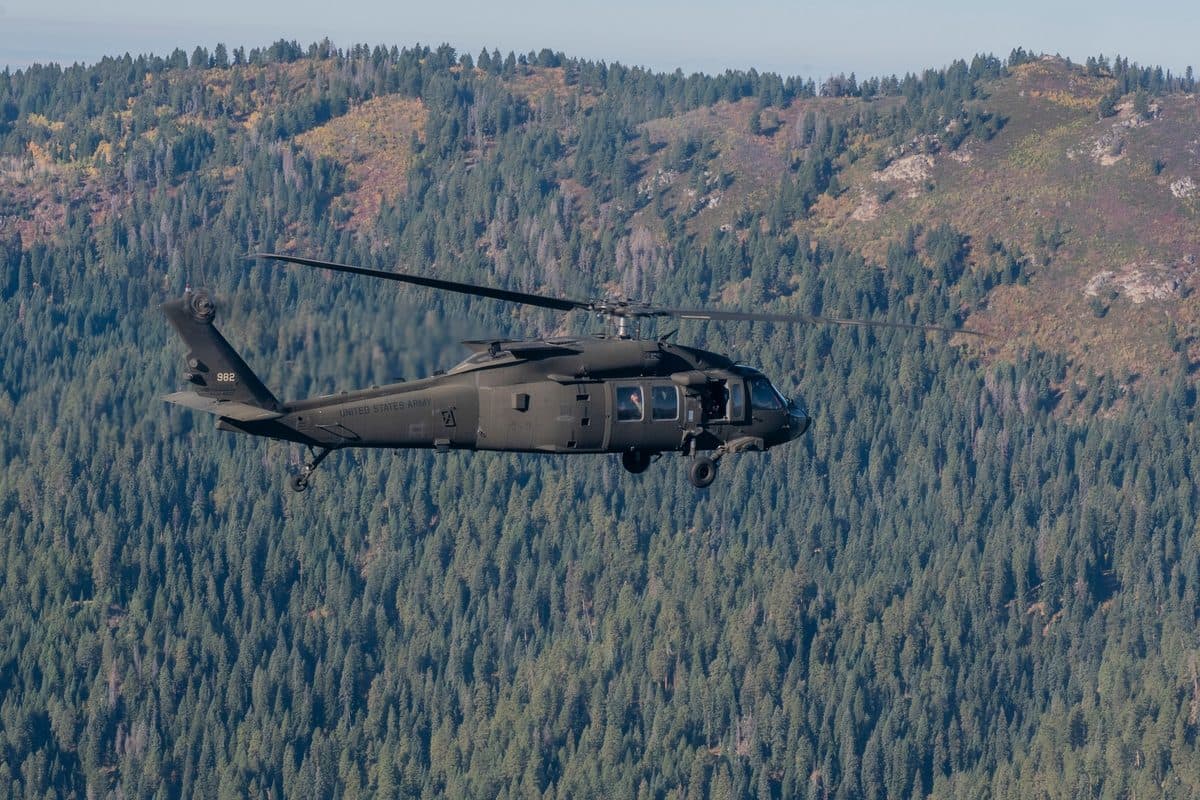
In 19 hours, Marine helicopters flew 682 sorties and lifted 7,000 people off rooftops as North Vietnamese tanks closed in. Operation Frequent Wind was the largest helicopter evacuation in history, and it nearly didn't happen.
In 19 hours, Marine helicopters flew 682 sorties and lifted 7,000 people off rooftops as North Vietnamese tanks closed in. Operation Frequent Wind was the largest helicopter evacuation in history, and it nearly didn't happen.
These weapons were built to fight a war that everyone prayed would never happen. The Minuteman III has been on alert since 1970. The Typhoon-class carried enough nuclear warheads to destroy a continent. The Davy Crockett could be fired by three soldiers. Most of them have been waiting for 40 years. Here are 10 Cold War weapons built exclusively for World War III.
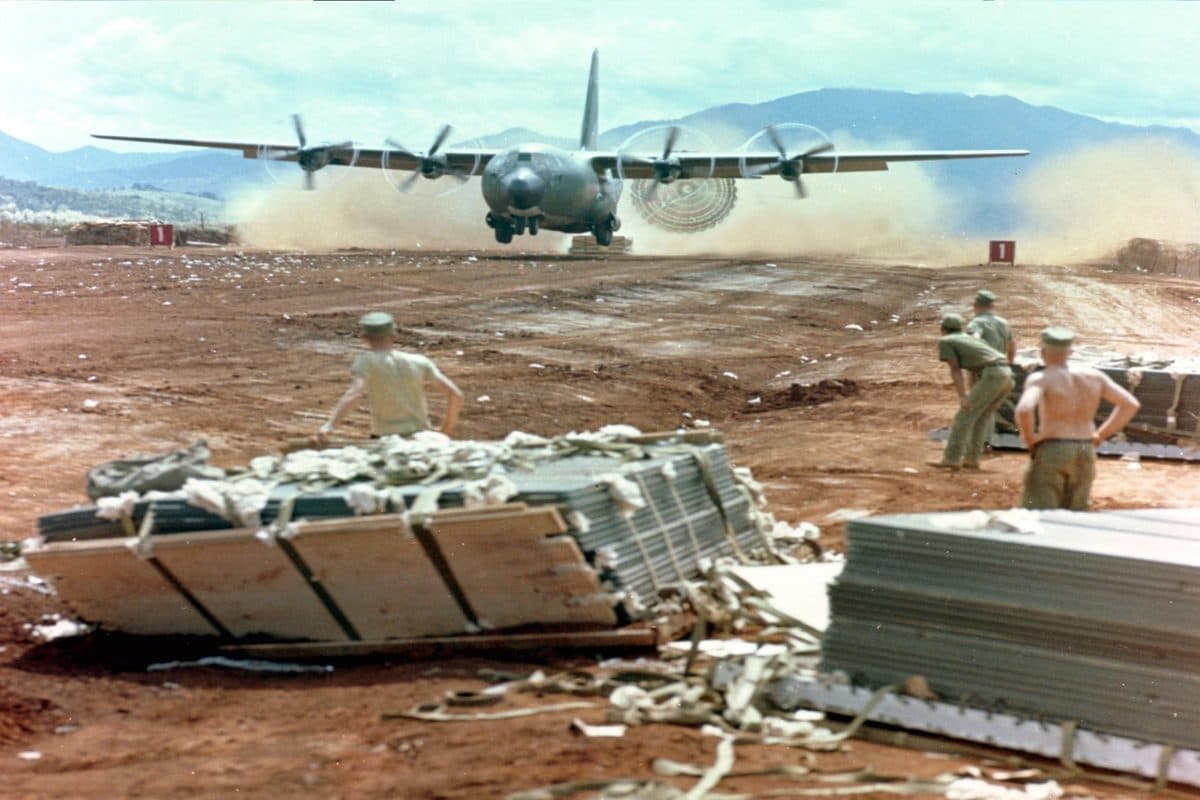
For 77 days in 1968, 6,000 Marines held a remote hilltop combat base against 20,000-30,000 North Vietnamese soldiers. Operation Niagara dropped 110,000 tons of bombs around the perimeter. Resupply aircraft landed on a runway under constant shelling. The question isn't whether Khe Sanh was a tactical victory, it's whether it mattered.
For 77 days in 1968, 6,000 Marines held a remote hilltop combat base against 20,000-30,000 North Vietnamese soldiers. Operation Niagara dropped 110,000 tons of bombs around the perimeter. Resupply aircraft landed on a runway under constant shelling. The question isn't whether Khe Sanh was a tactical victory, it's whether it mattered.
Every one of these warships was designed to survive exactly the kind of attack that killed it. From HMS Hood's catastrophic magazine explosion to the Moskva's failure against the missiles it was built to intercept, these ten ships proved that no design survives the gap between theory and combat.
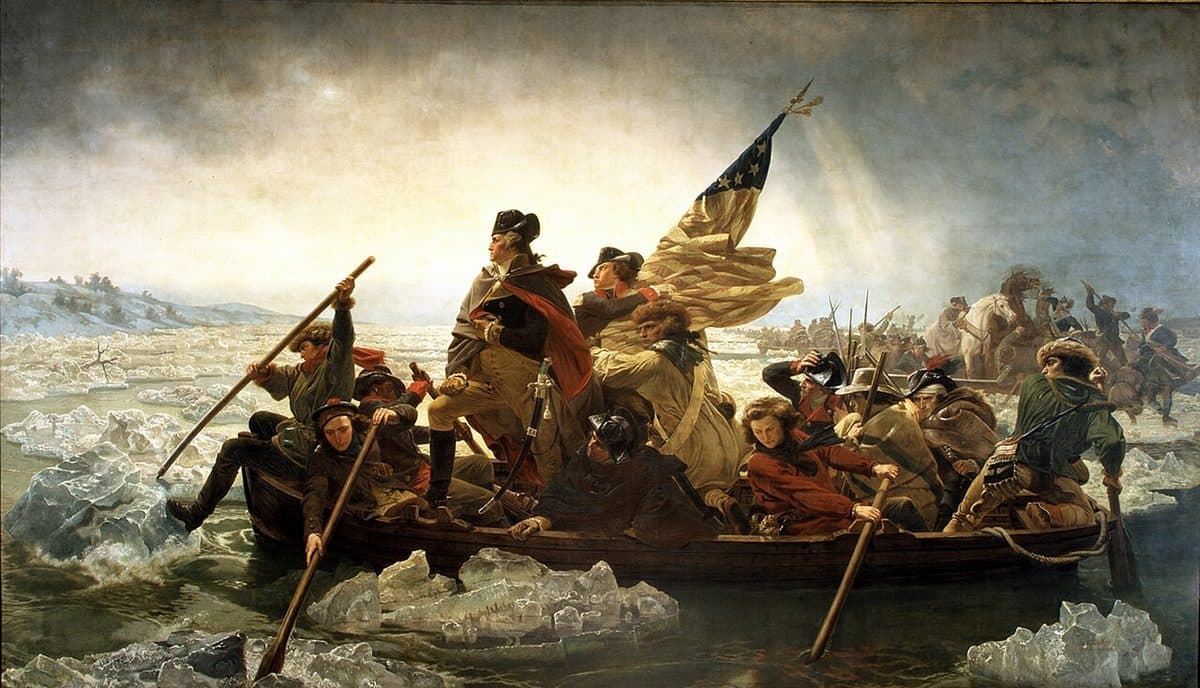
"You want to do WHAT?", Hannibal wanted to march elephants over the Alps. Washington wanted to cross an ice-choked river on Christmas night. The Doolittle Raiders wanted to launch Army bombers from a Navy carrier. These 10 military decisions sounded absolutely insane, and every one of them worked.
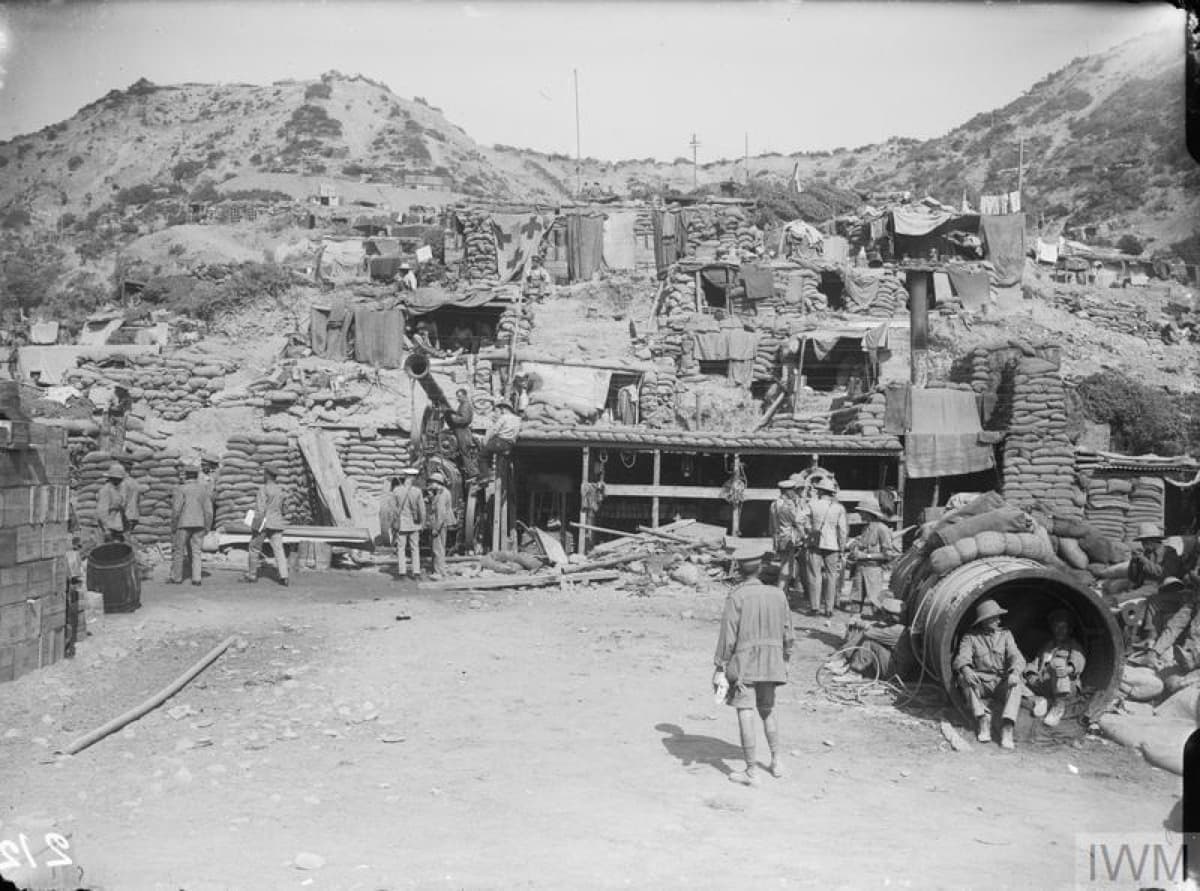
473,000 casualties over a peninsula 30 miles long. Eight months of trench warfare on cliffsides. And in the end, nothing changed, except the national identity of Australia, New Zealand, and modern Turkey. The Gallipoli campaign of 1915 remains one of the most consequential military failures in history.
473,000 casualties over a peninsula 30 miles long. Eight months of trench warfare on cliffsides. And in the end, nothing changed, except the national identity of Australia, New Zealand, and modern Turkey. The Gallipoli campaign of 1915 remains one of the most consequential military failures in history.
Every one of these armies had enough soldiers to win. None of them had enough supplies. From Napoleon's frozen march to Moscow to the Argentine disaster in the Falklands, these 10 logistics failures decided the outcome of battles before a single shot was fired.