Skip to content
April 21:Battle of San Jacinto190yr ago

10 Military Supply Chain Failures That Lost a Battle Before It Started

James Holloway · · 14 min read
Save
Share:
Red Ball Express supply convoy trucks lined up during World War II representing the critical role of military logistics
James Holloway
James Holloway

Military Logistics & Sustainment Analyst

James Holloway writes about military readiness, logistics, and the practical limits of modern forces. His work focuses on how training, sustainment, and organizational decisions shape what militaries can actually do -- not just what they are designed to do on paper.

Every one of these armies had enough soldiers to win. Some had overwhelming numerical superiority. Several had better weapons, better training, or better generals than their opponents. None of that mattered, because none of them had enough supplies. The history of warfare is littered with campaigns that failed not because of tactical defeat on the battlefield, but because the army ran out of food, fuel, ammunition, or water before it could fight. These are the 10 most consequential logistics failures in military history — battles that were lost before they started.

1. Napoleon's Invasion of Russia (1812) — The Army That Ate Itself

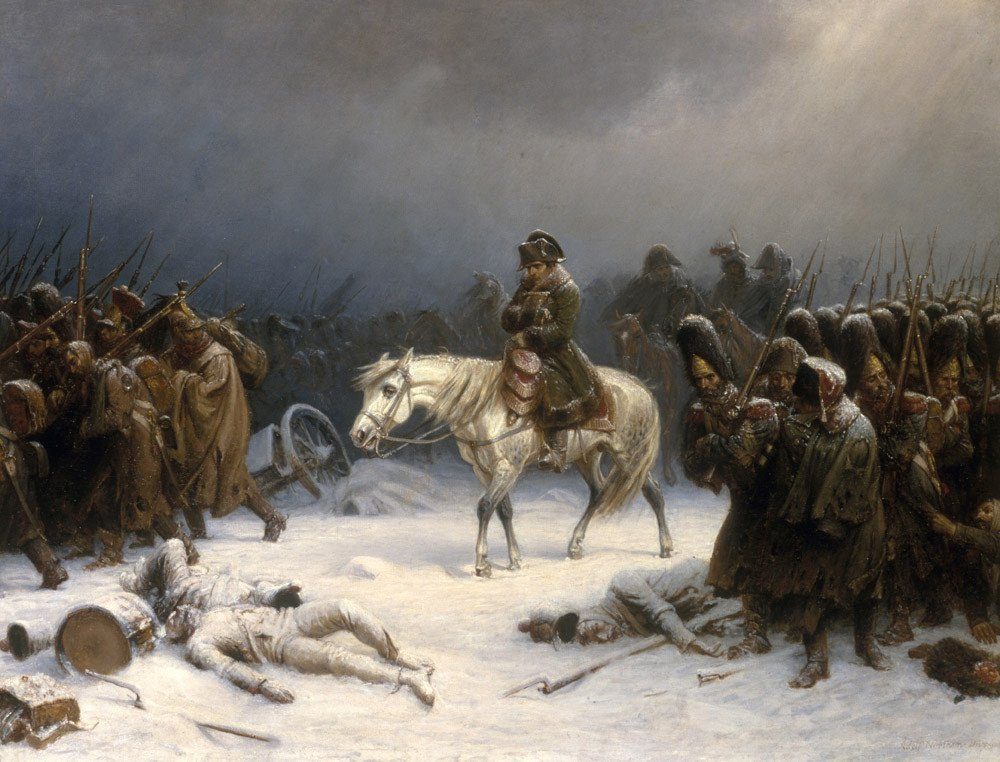
Painting of Napoleon's Grande Armée retreating from Moscow through the devastating Russian winter
Napoleon's retreat from Moscow, 1812 — the Grande Armée lost over 400,000 men, the vast majority to starvation, disease, and cold rather than combat. (Wikimedia Commons / Public Domain)

Napoleon crossed the Niemen River into Russia in June 1812 with 685,000 soldiers — the largest army Europe had ever seen. He expected a decisive battle within weeks. The Russians refused to give him one, retreating deeper into their territory and burning everything behind them. Napoleon's supply lines, already stretched thin, collapsed entirely.

The Grande Armée's logistics plan relied on foraging — living off the land. This had worked across the fertile farmlands of Western Europe. It was catastrophically inadequate for Russia's vast distances and scorched-earth tactics. Horses died by the tens of thousands from lack of fodder, immobilizing the artillery and supply wagons. Soldiers ate their own horses, then resorted to eating their leather equipment. Disease — typhus, dysentery, and starvation — killed far more men than Russian bullets. Of the 685,000 who crossed into Russia, fewer than 120,000 came back. The logistics failure didn't just lose the campaign. It destroyed the most powerful army on earth.

2. The German 6th Army at Stalingrad (1942-43) — When the Airlift Failed

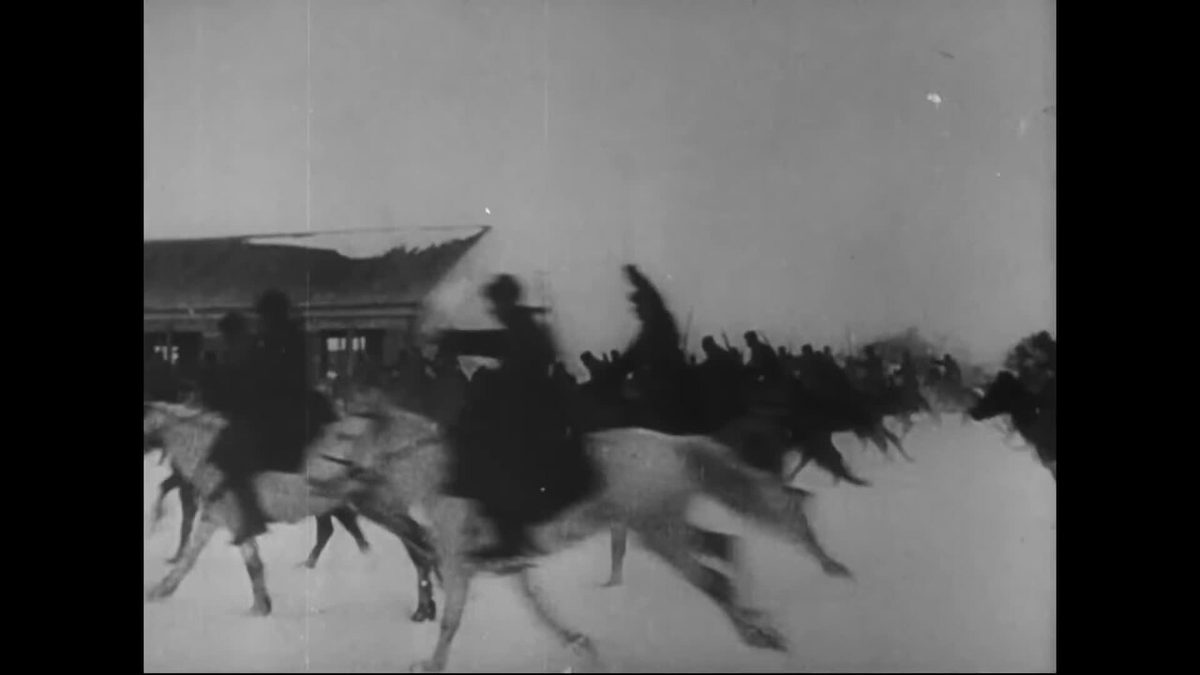
German soldiers during the brutal winter fighting at Stalingrad
The German 6th Army at Stalingrad — trapped, frozen, and starving after the Luftwaffe failed to deliver even half the supplies needed for survival. (Wikimedia Commons / Public Domain)

When the Soviet Operation Uranus encircled the German 6th Army in Stalingrad in November 1942, approximately 300,000 German soldiers were trapped. Hermann Göring promised Hitler that the Luftwaffe could supply the pocket by air. The 6th Army needed a minimum of 700 tons of supplies per day — food, ammunition, fuel, medical supplies. On its best day, the Luftwaffe delivered 289 tons. The average was closer to 90 tons.

The reasons were predictable: the available airfields were within range of Soviet fighters and anti-aircraft guns, winter weather grounded aircraft for days at a time, and the Luftwaffe simply didn't have enough transport aircraft. The 6th Army starved. Soldiers received rations of 200 calories per day. Horses were eaten, then rats. Frostbite, disease, and malnutrition killed thousands before the Soviets overran the final positions. Field Marshal Paulus surrendered on February 2, 1943. Of the 300,000 encircled, only about 91,000 survived to become prisoners. Fewer than 6,000 ever returned to Germany.

3. Japanese Logistics in the Pacific and Burma — The "Starvation Army"

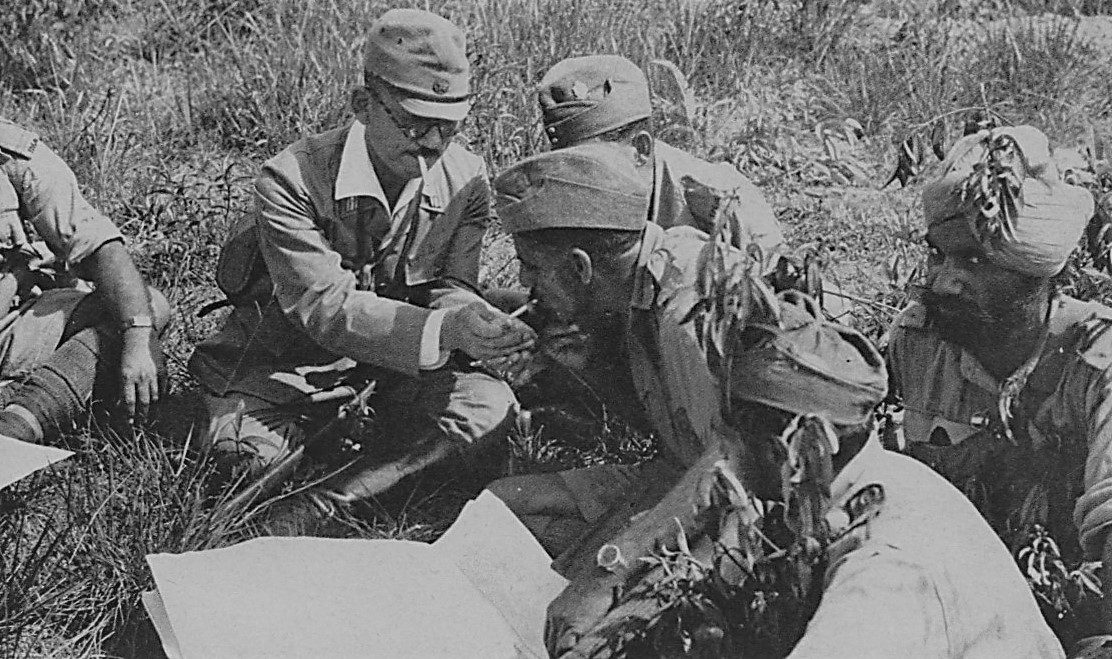
Japanese Imperial Army soldiers during the Burma campaign in World War II
Japanese forces in Burma operated at the far end of supply lines that stretched thousands of miles across water controlled by Allied submarines and aircraft. (Wikimedia Commons / Public Domain)

The Imperial Japanese Army had a doctrine that bordered on religious conviction: spirit could overcome material shortages. This belief produced some of the worst logistics failures of World War II. In Burma, the Imphal-Kohima offensive of 1944 sent 85,000 Japanese soldiers across mountainous jungle with three weeks of rations and no plan for resupply. The offensive was expected to succeed before supplies ran out. It did not. The retreat became known as the "Road of Bones" — over 50,000 Japanese soldiers died, the majority from starvation and disease.

Across the Pacific, the same pattern repeated. Island garrisons were cut off as the U.S. Navy established sea control, making resupply impossible. On Guadalcanal, Japanese soldiers nicknamed themselves the "Starvation Army." On New Guinea, entire regiments dissolved into groups of starving men attempting to walk back to their own lines. The Japanese military's refusal to prioritize logistics wasn't a failure of capability — it was a failure of doctrine. They genuinely believed that willpower could substitute for food.

4. The British at Gallipoli (1915) — Wrong Maps, No Water

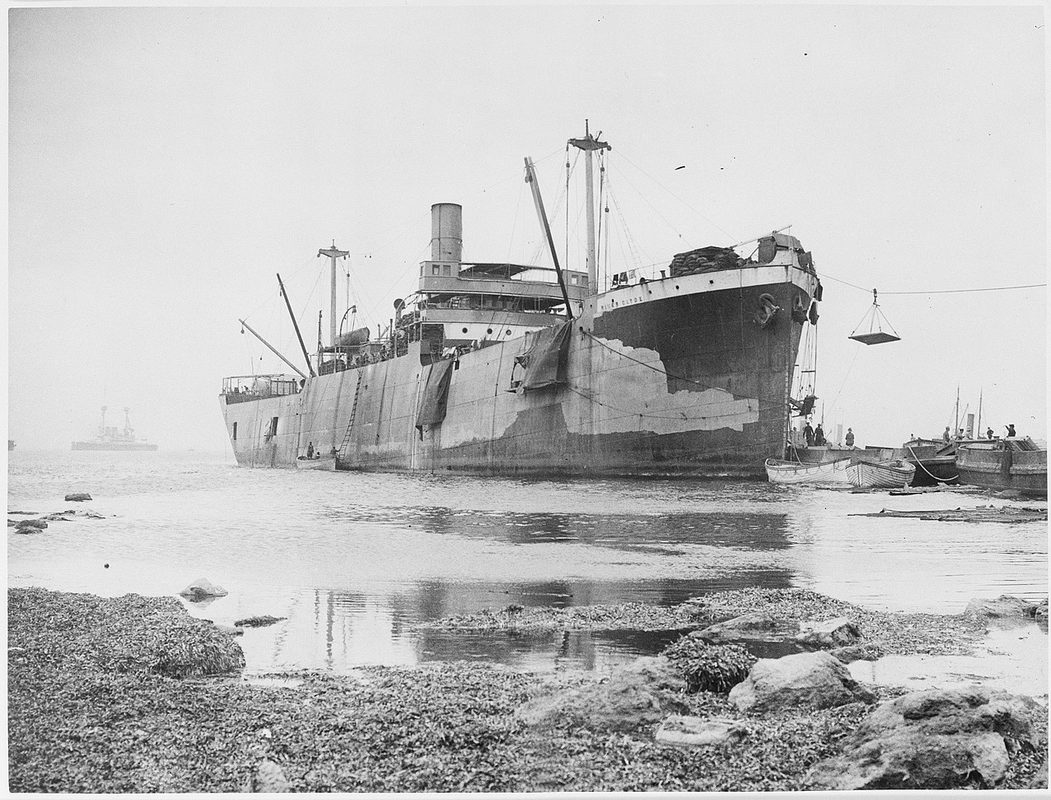
SS River Clyde beached at Cape Helles during the Gallipoli landings showing the chaotic supply situation
SS River Clyde beached at Cape Helles — the Gallipoli campaign was plagued by inadequate maps, insufficient water supply, and disastrous logistics planning from the start. (Wikimedia Commons / Public Domain)

The Gallipoli campaign of 1915 is remembered as a tactical failure, but it was a logistics catastrophe first. The British and ANZAC forces that landed on the Gallipoli peninsula had inadequate maps — some dating from the Crimean War sixty years earlier. More critically, they had almost no fresh water. The peninsula's few streams and wells were either in Turkish-held territory or contaminated. Water had to be shipped from Egypt in containers, then brought ashore in barges under fire.

Troops at ANZAC Cove received as little as one pint of water per day — in summer heat exceeding 100°F, while fighting uphill against entrenched defenders. Dysentery became epidemic. The cramped beachheads made storing supplies nearly impossible, and Turkish artillery could hit every square meter of the landing zones. The campaign consumed 473,000 casualties over eight months for zero strategic gain. The logistics failures were apparent from Day One — the planners simply didn't think about water, shelter, or resupply capacity at the same level of detail they applied to the naval bombardment plan.

5. Rommel's Afrika Korps (1941-43) — Fuel Starvation

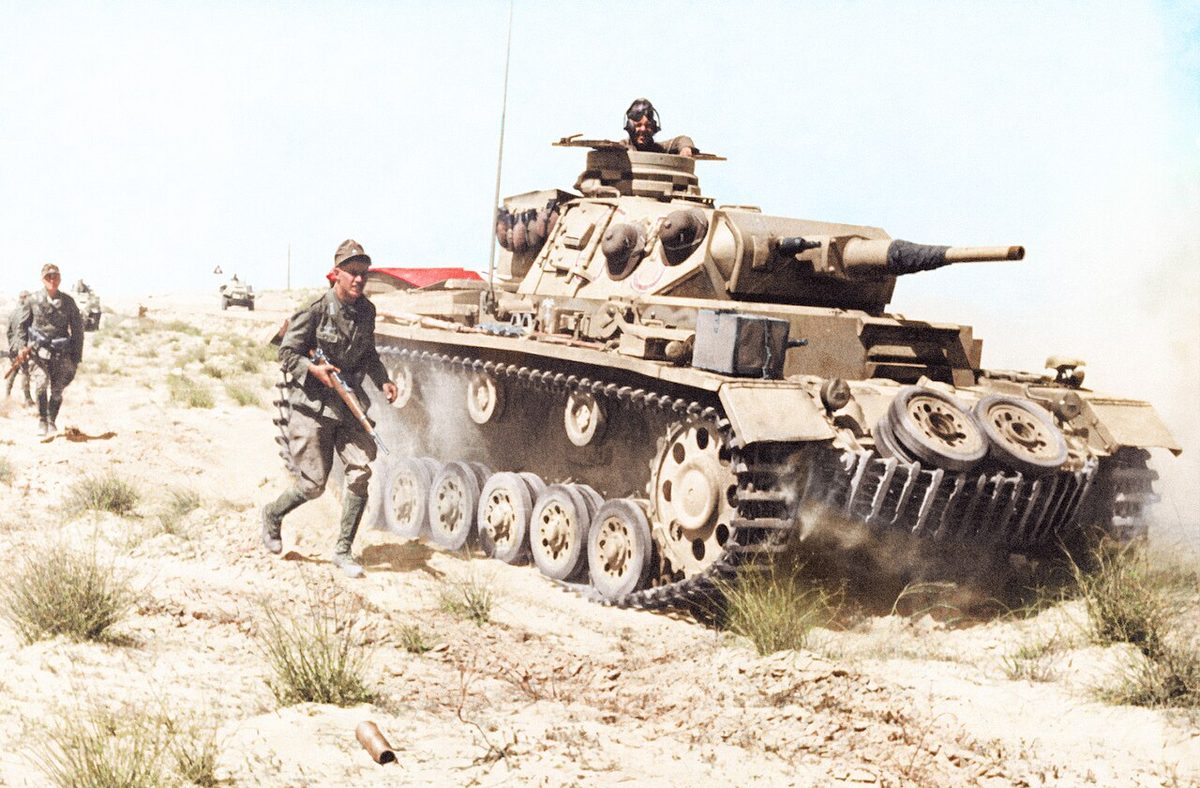
German Afrika Korps Panzer III tank advancing through the North African desert
A Panzer III of the Afrika Korps in Egypt, 1942 — Rommel's armor was consistently immobilized by fuel shortages as the Royal Navy and RAF devastated his supply convoys. (Wikimedia Commons / Public Domain)

Erwin Rommel was brilliant at tactics and terrible at logistics. His Afrika Korps achieved stunning victories in the North African desert — but repeatedly outran its supply lines, particularly fuel. Rommel's armored divisions consumed enormous quantities of fuel operating in the desert, and every gallon had to be shipped across the Mediterranean from Italy, then trucked hundreds of miles to the front.

The Royal Navy and RAF made those supply convoys a priority target. In some months, 40-60% of supplies shipped from Italy were sunk before reaching North Africa. Rommel's response was to advance faster, hoping to capture British fuel dumps. When he failed to capture them at El Alamein in 1942, his tanks literally ran dry. The Afrika Korps — one of the most capable armored formations of the war — was defeated not by British tanks but by British submarines and aircraft destroying fuel tankers in the Mediterranean.

6. The Confederate States of America (1861-65) — Industrial Collapse

Historical illustration depicting Confederate army logistics and supply challenges during the American Civil War
The Confederacy fought the Civil War with a fraction of the Union's industrial capacity — a logistics gap that no amount of tactical skill could overcome. (Wikimedia Commons / Public Domain)

The Confederacy's logistics failure was systemic and total. The South entered the Civil War with roughly 10% of the North's industrial capacity, a railroad network with incompatible gauges that couldn't move supplies efficiently, and no meaningful capacity to manufacture arms, ammunition, or equipment at scale. The Confederate Ordnance Bureau performed miracles of improvisation — building powder mills, converting plantation equipment to weapons production, and running blockade runners to import rifles from Europe — but it was never enough.

By 1864, Confederate soldiers were fighting barefoot, surviving on cornmeal and whatever they could forage, and sharing rifles because there weren't enough to go around. Lee's Army of Northern Virginia — still tactically formidable — was literally starving when it surrendered at Appomattox. The Confederacy didn't lose because its soldiers couldn't fight. It lost because its economy couldn't feed, clothe, arm, and supply them.

7. Argentina in the Falklands (1982) — 8,000 Miles From Home

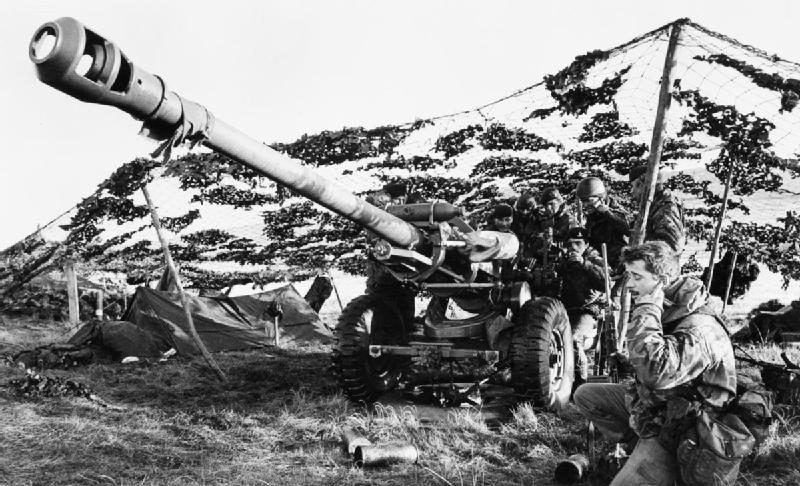
British Royal Artillery gun position in the Falkland Islands showing the remote and austere operating conditions
A British artillery position in the Falklands — both sides struggled with logistics, but Argentina's inability to resupply its garrison 8,000 miles from the mainland proved decisive. (Wikimedia Commons / Public Domain)

Argentina seized the Falkland Islands in April 1982 with a well-executed amphibious assault. Then it had to hold them. The islands sit 300 miles off the Argentine coast — but the British task force that arrived included nuclear submarines that made surface resupply virtually suicidal. After HMS Conqueror sank the cruiser General Belgrano on May 2, the Argentine Navy essentially withdrew to port, cutting off the garrison's maritime supply line.

The 11,000 Argentine soldiers on the islands were left with what they'd brought. Air resupply was possible but limited and dangerous, as the British established air superiority over the islands. When British forces landed at San Carlos and began their advance on Stanley, they faced Argentine troops who were cold, hungry, demoralized, and running low on ammunition. Many Argentine conscripts surrendered in groups, too weak and undersupplied to resist. The Argentine military could project force 300 miles — but it couldn't sustain it.

8. Task Force Smith at Osan, Korea (1950) — Sent Without Proper Equipment

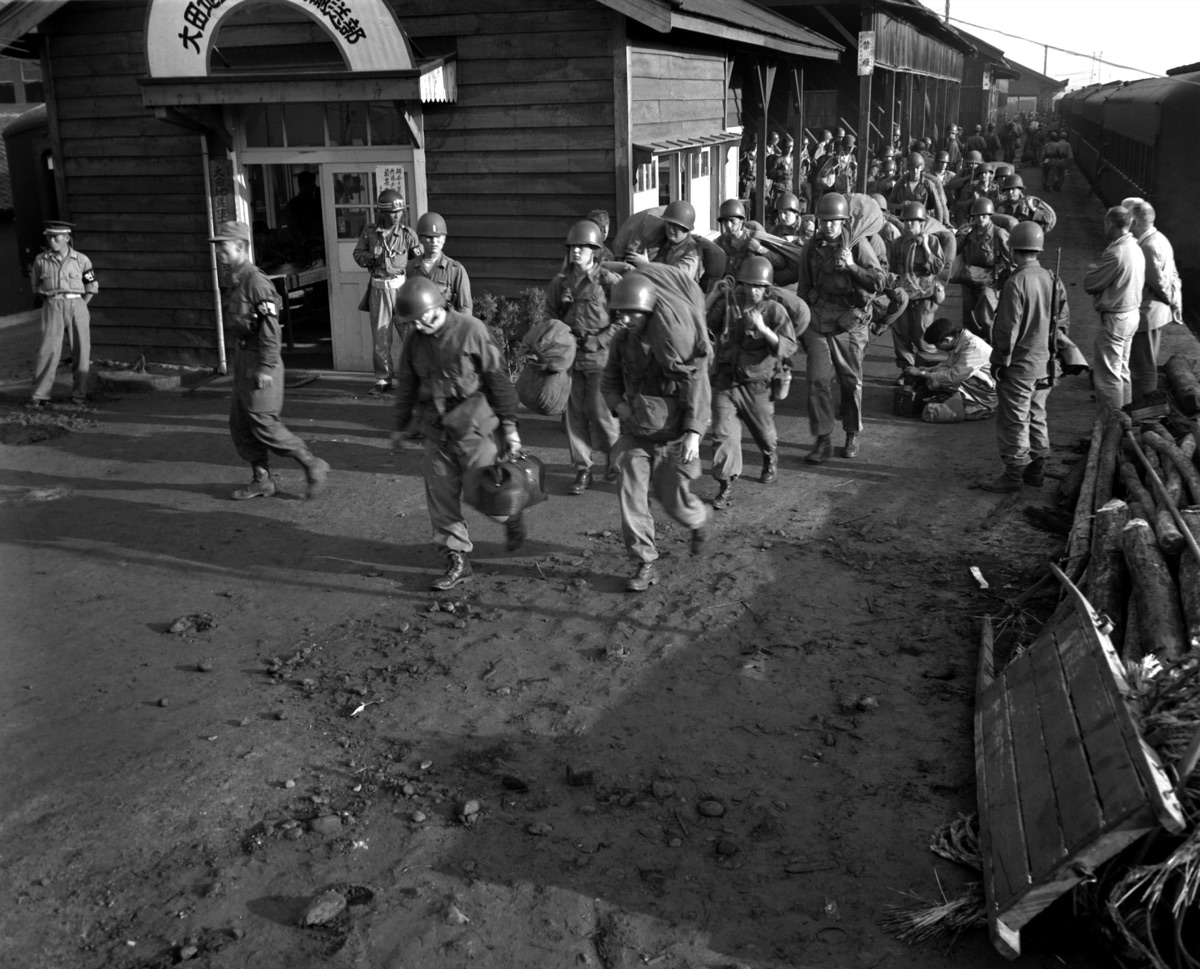
American soldiers of Task Force Smith during the early days of the Korean War in 1950
Task Force Smith — rushed to Korea with World War II-era equipment, insufficient anti-tank weapons, and no time to prepare. The results were devastating. (Wikimedia Commons / Public Domain)

When North Korea invaded South Korea in June 1950, the U.S. Army's nearest forces were occupation troops in Japan — under-strength, under-trained, and equipped with World War II leftovers that had been sitting in warehouses for five years. Task Force Smith — 540 soldiers from the 24th Infantry Division — was rushed to Korea to delay the North Korean advance. They arrived at Osan on July 5, 1950, with inadequate anti-tank weapons, World War II-era bazookas whose rockets literally bounced off North Korean T-34 tanks, and only enough ammunition for a single engagement.

The result was predictable. Task Force Smith held for about seven hours before being overrun. Of 540 men, approximately 180 were killed, wounded, or captured. The unit's anti-tank weapons were useless against the T-34s. The ammunition ran out. The radios didn't work. Task Force Smith became a textbook example of what happens when you send soldiers to fight without proper equipment — and it triggered a massive reassessment of U.S. military readiness that echoed through the next several decades.

9. The Roman Legions at Teutoburg Forest (9 AD) — Ambush in the Supply Column

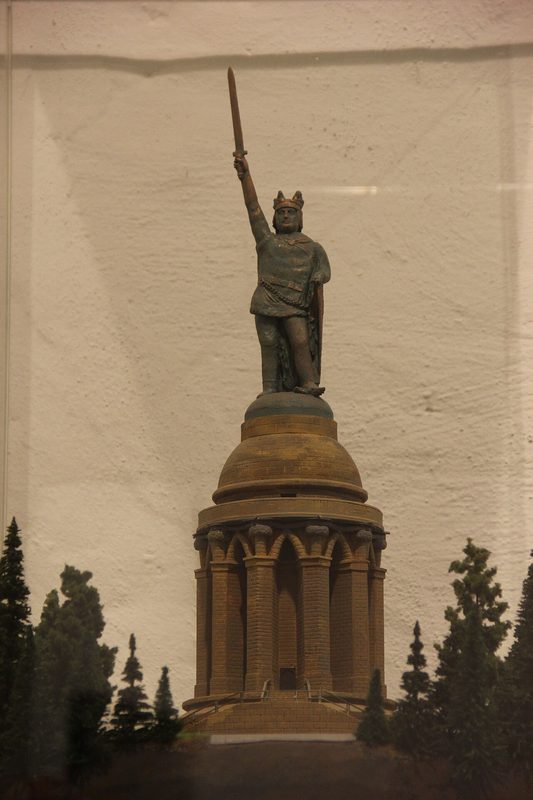
Monument commemorating the Battle of Teutoburg Forest where three Roman legions were destroyed
The monument at the site of the Battle of Teutoburg Forest — where three Roman legions were destroyed in an ambush that targeted their supply train. (Wikimedia Commons / Public Domain)

Publius Quinctilius Varus led three Roman legions — approximately 20,000 soldiers — through the Teutoburg Forest in 9 AD, responding to reports of a rebellion that turned out to be a trap set by Arminius, a Germanic chieftain who had served in the Roman army and knew its vulnerabilities intimately. Arminius didn't attack the Roman combat formations. He attacked the supply column.

Roman legions on the march stretched for miles, with the supply train — wagons, pack animals, camp followers, and supplies — strung out between combat units. The forest trails were narrow, muddy, and bordered by swamps. When Arminius struck, the legions couldn't form their standard fighting formations because the terrain and the supply train blocked movement. The battle lasted three days. All three legions were destroyed. Rome never again attempted to conquer territory east of the Rhine. The logistical vulnerability — a long, strung-out supply column in restrictive terrain — was the decisive factor.

10. The Ottoman Empire at Sarikamish (1914-15) — Frozen in the Mountains

Historical illustration of Ottoman forces fighting in mountainous winter conditions at Sarikamish
The Ottoman offensive at Sarikamish sent 100,000 soldiers across frozen mountains without winter clothing or adequate supplies — fewer than 18,000 survived. (Wikimedia Commons / Public Domain)

In December 1914, Ottoman War Minister Enver Pasha launched an offensive against Russian positions at Sarikamish in the Caucasus Mountains. He sent approximately 100,000 soldiers on a flanking march through mountain passes at 8,000-10,000 feet elevation — in winter, through snow, without adequate winter clothing, food, or medical supplies. Enver believed speed and surprise would compensate for the lack of preparation.

The march itself killed more soldiers than the Russians did. Temperatures dropped to -30°F. Thousands froze to death in the mountain passes. Those who reached the battlefield were exhausted, frostbitten, and starving. The Russian counterattack destroyed what remained of the Ottoman force. Of approximately 100,000 soldiers who began the offensive, fewer than 18,000 returned. The disaster at Sarikamish — entirely self-inflicted through logistics failure — crippled the Ottoman Empire's ability to defend its eastern frontier for the remainder of World War I.

The Lesson That Never Sticks

Every military academy in the world teaches these failures. Every staff college emphasizes logistics as the foundation of operational success. And yet the pattern repeats. Commanders with aggressive temperaments consistently prioritize maneuver over supply. Politicians demand rapid action without asking whether the logistics infrastructure can support it. And the soldiers at the end of the supply chain pay the price.

The common thread across 2,000 years and five continents is not incompetence — many of the commanders on this list were brilliant tacticians. The common thread is hubris: the belief that speed, courage, or tactical skill can compensate for insufficient supplies. It never can. Amateurs study tactics. Professionals study logistics. And the professionals are right.

Share this article

Share:

Recommended

Ace of The Skies: Can You Identify These Military Aircraft Throughout The Years?
Test Yourself

Ace of The Skies: Can You Identify These Military Aircraft Throughout The Years?

Can you identify these aircraft?

Take the Quiz

On This Day in Military History

April 21

Battle of San Jacinto (1836)

General Sam Houston's 900 Texan soldiers launched a surprise 18-minute attack on General Santa Anna's 1,300 Mexican troops at San Jacinto, killing over 630 and capturing 730 — including Santa Anna himself. The decisive victory won Texas its independence from Mexico.

1918The Red Baron Shot Down

1945Soviet Forces Reach Berlin

See all 4 events on April 21

Get Military News & History in Your Inbox

Join thousands of readers receiving our weekly digest of military technology, history, and analysis.

Test Your Knowledge