

15 Best World War II Books for History Enthusiasts (2026)
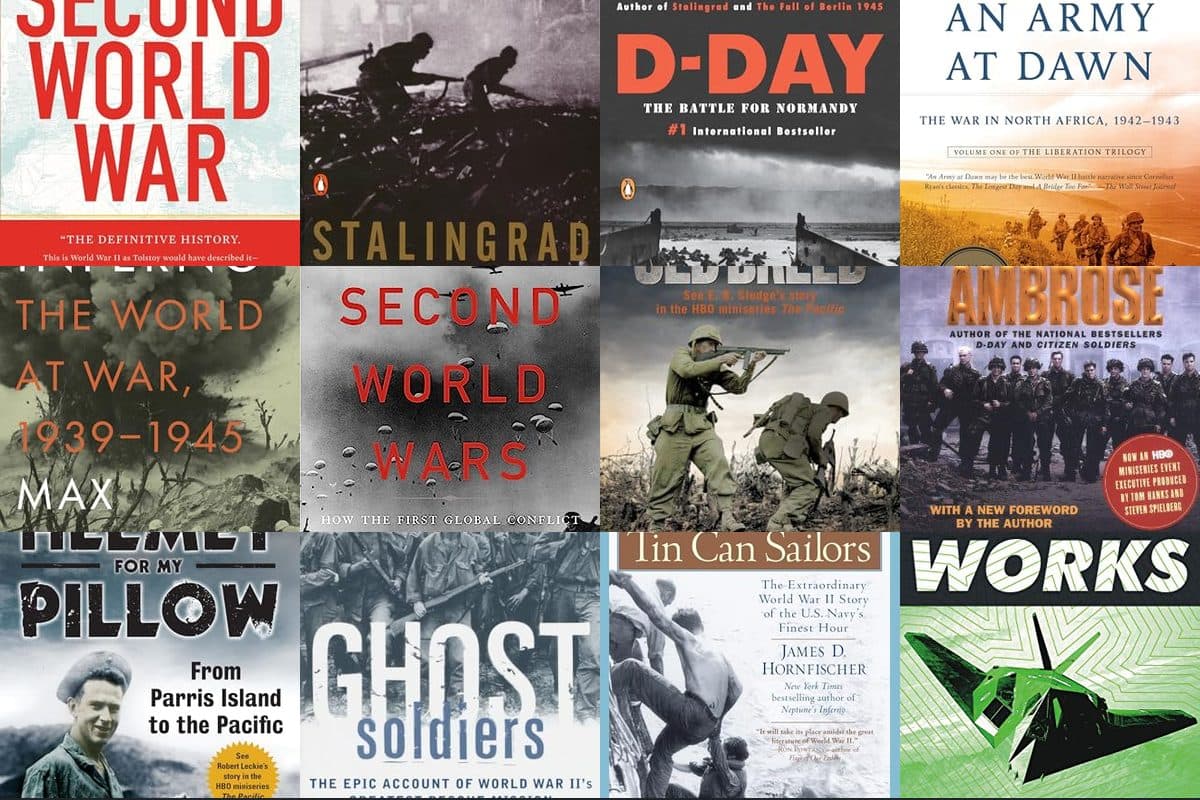
15 essential WW2 books covering every theater. Narrative histories, memoirs, and visual references ranked.
daniel-mercer··21 min read
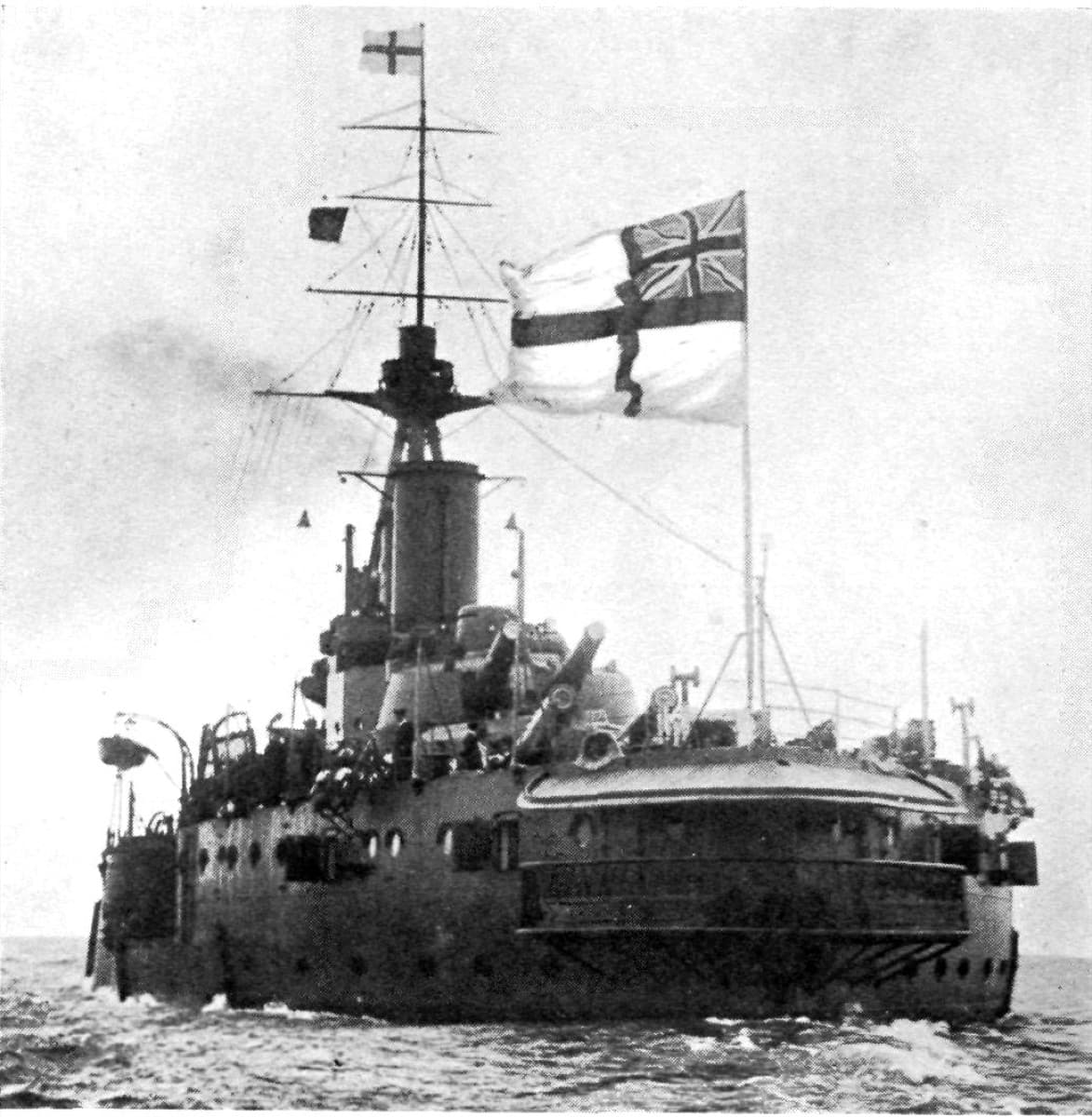
The British Grand Fleet under Admiral Jellicoe and the German High Seas Fleet under Admiral Scheer fought the Battle of Jutland in the North Sea, the largest naval battle of World War I and the greatest clash of battleships in history.
Samuel Pepys made his last diary entry, closing the most valuable first-person account of 17th-century English naval affairs, including the Anglo-Dutch Wars and the Great Fire of London.
President George Washington signed the Copyright Act of 1790, the first federal copyright legislation. The law established the legal framework that would govern U.S. military technical publication, service journals, and doctrinal manual publishing for more than two centuries.
The Treaty of Vereeniging was signed, ending the Second Boer War after nearly three years of conflict that had seen the British Empire deploy 450,000 troops against Boer guerrillas in South Africa.
The largest naval battle of World War I saw 250 ships and 100,000 sailors engaged in the North Sea, with heavy losses on both sides.
A magnitude 7.7 earthquake struck Quetta in British India at 03:02 local time. The disaster killed approximately 60,000 people including thousands of British Indian Army soldiers and dependents, destroyed the Quetta Cantonment, and reshaped British military construction standards across the subcontinent.
Three Japanese midget submarines penetrated Sydney Harbour in Australia, sinking the depot ship HMAS Kuttabul and killing 21 sailors in one of the most audacious submarine operations of the Pacific War.
Adolf Eichmann, the SS officer who organized the logistical infrastructure of the Holocaust, was executed by hanging in Israel after a landmark trial that brought the full horror of the Final Solution to global attention.
Crude oil reached the Valdez marine terminal via the Trans-Alaska Pipeline System, completing the 800-mile oil transport infrastructure from Prudhoe Bay. The project's strategic importance to U.S. energy security shaped Department of Defense contingency plans, Alaska Command operations, and Pacific Fleet tanker routing for decades.
Former FBI Associate Director W. Mark Felt revealed in a Vanity Fair article that he had been the anonymous source known as "Deep Throat" during Washington Post Watergate reporting. The disclosure closed a 33-year counter-intelligence mystery and reshaped FBI disclosure practices, whistleblower protection, and journalist-source protection policy.
The United States Space Command was reestablished as a unified combatant command, recognizing space as a warfighting domain and preceding the creation of the Space Force by six months.

American poet who served as a volunteer nurse in Civil War hospitals. His poems "Drum-Taps" and "O Captain! My Captain!" are among the most powerful literary responses to that conflict.

US Senator from Oklahoma who served on the Kerner Commission and advocated for veterans' rights and military policy reform during the Vietnam era.

Chief of the German General Staff who conceived the Battle of Verdun strategy to "bleed France white," one of WWI's most controversial and devastating campaigns.
Wear the Timeline
10 military events occurred on May 31, spanning multiple centuries. Key events include: Battle of Jutland: The Clash of the Dreadnoughts (1916), Treaty of Vereeniging Ends the Boer War (1902).
The most significant military event on May 31 is Battle of Jutland: The Clash of the Dreadnoughts (1916). The British Grand Fleet under Admiral Jellicoe and the German High Seas Fleet under Admiral Scheer fought the Battle of Jutland in the North Sea, the largest naval battle of World War I and the greatest clash of battleships in history.
Notable military figures born on May 31 include Walt Whitman (1819–present), Fred Harris (1930–present).
Events on May 31 span World War I, the Colonial & Revolutionary era, the Interwar Period, World War II, the Cold War, the Modern Era, covering 10 events across 4 centuries of military history.
Events on May 31 involve 4 branches of the U.S. and allied armed forces, reflecting the global scope of military operations throughout history.
Explore military history from the day you were born.
June 6
The Allied invasion of Normandy, the largest amphibious assault in history.
December 7
Japan attacks the U.S. Pacific Fleet, bringing America into World War II.
September 11
The deadliest terrorist attack in history transforms U.S. national security.
August 6
The first atomic bomb is dropped on a city, ushering in the nuclear age.
May 8
Nazi Germany surrenders unconditionally, ending World War II in Europe.
November 11
Armistice Day marks the end of World War I and honors all who served.
June 4
The turning point of the Pacific War as the U.S. Navy destroys four Japanese carriers.
July 4
The Declaration of Independence is adopted, sparking the American Revolution.
15 essential WW2 books covering every theater. Narrative histories, memoirs, and visual references ranked.
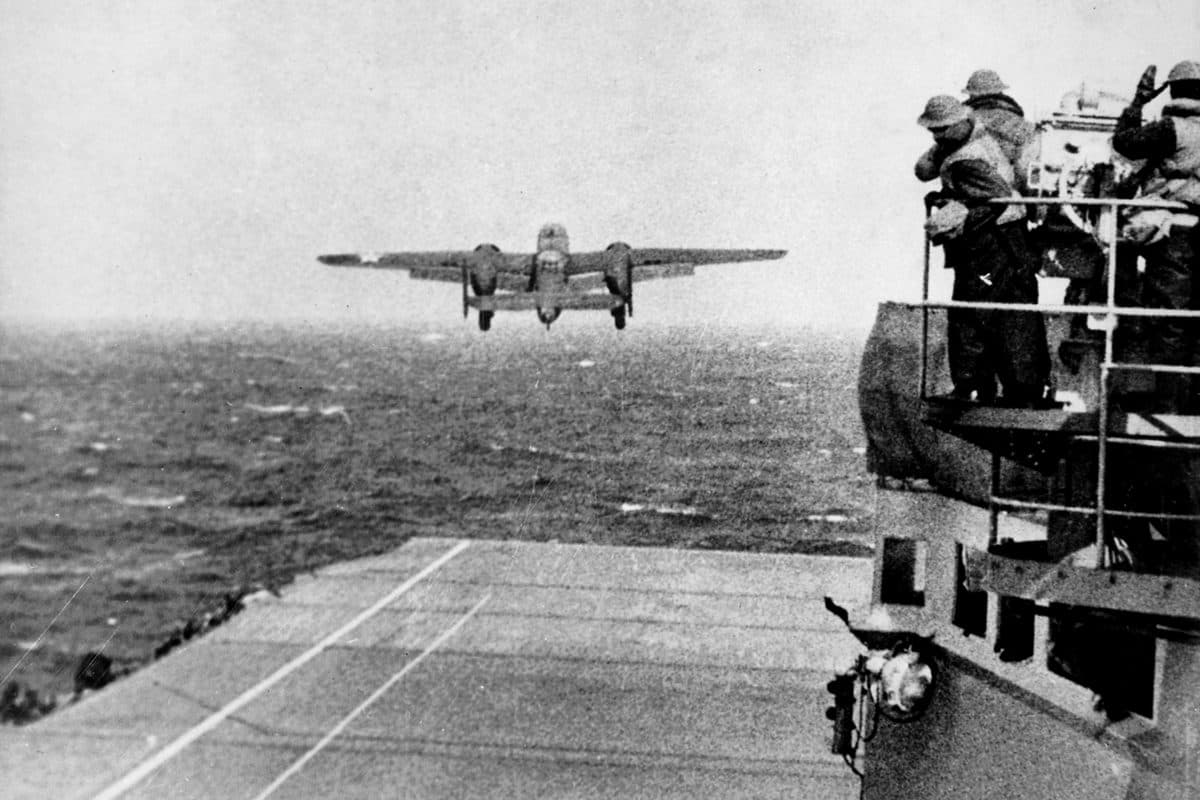
On April 18, 1942, sixteen B-25 Mitchell bombers did something no one thought possible: they launched from the deck of an aircraft carrier, flew 650 miles to Japan, and bombed Tokyo. Every aircraft was lost. The damage was negligible. The consequences changed the war.
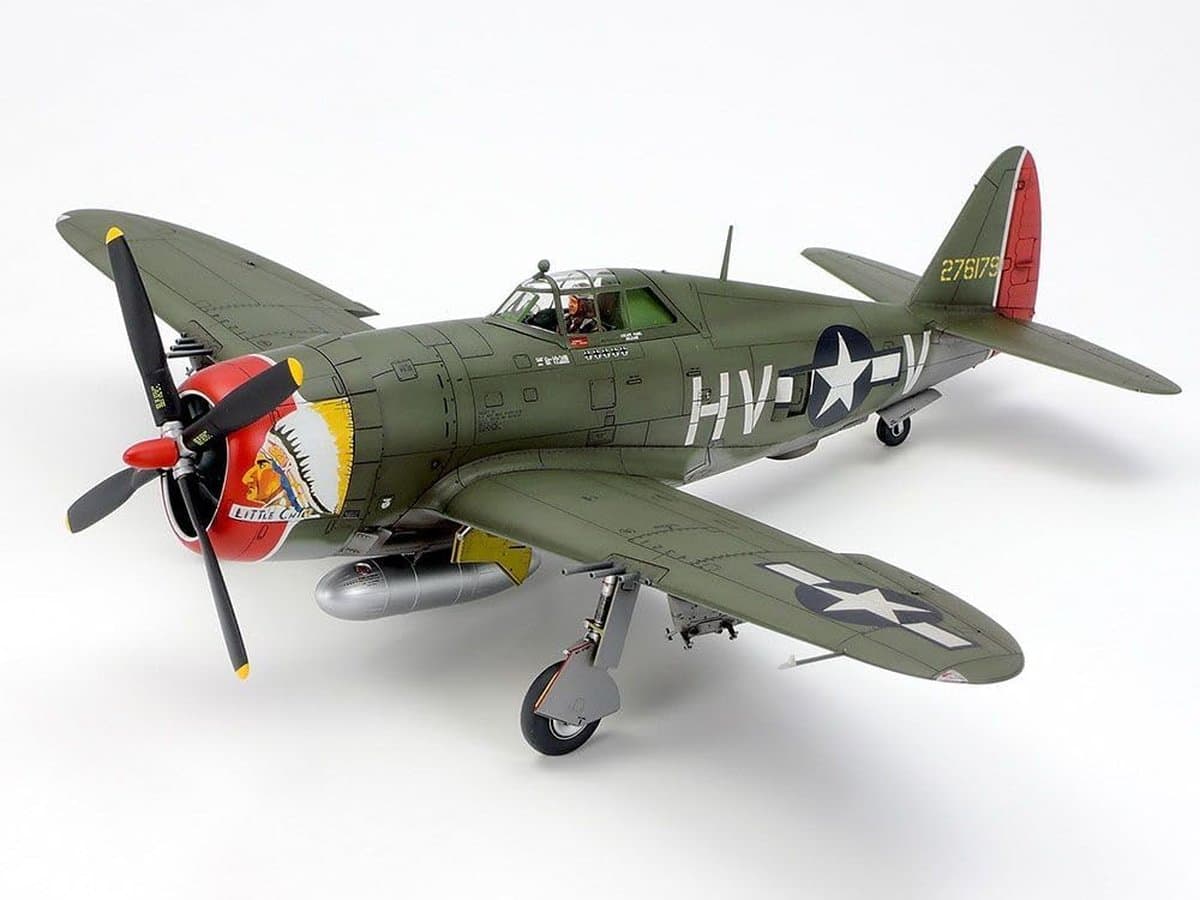
Compare 85+ WW2 scale model kits across aircraft, tanks, and ships. Beginner builds from $9 to museum-grade showpieces at $580. Covers Tamiya, Eduard, HK Models, Trumpeter, and more with honest reviews, trade-offs, and pricing.

On April 7, 1945, the Imperial Japanese Navy sent the largest battleship ever built on a one-way suicide mission to Okinawa. She never arrived. 386 American aircraft found her first, and sank her in under two hours.