
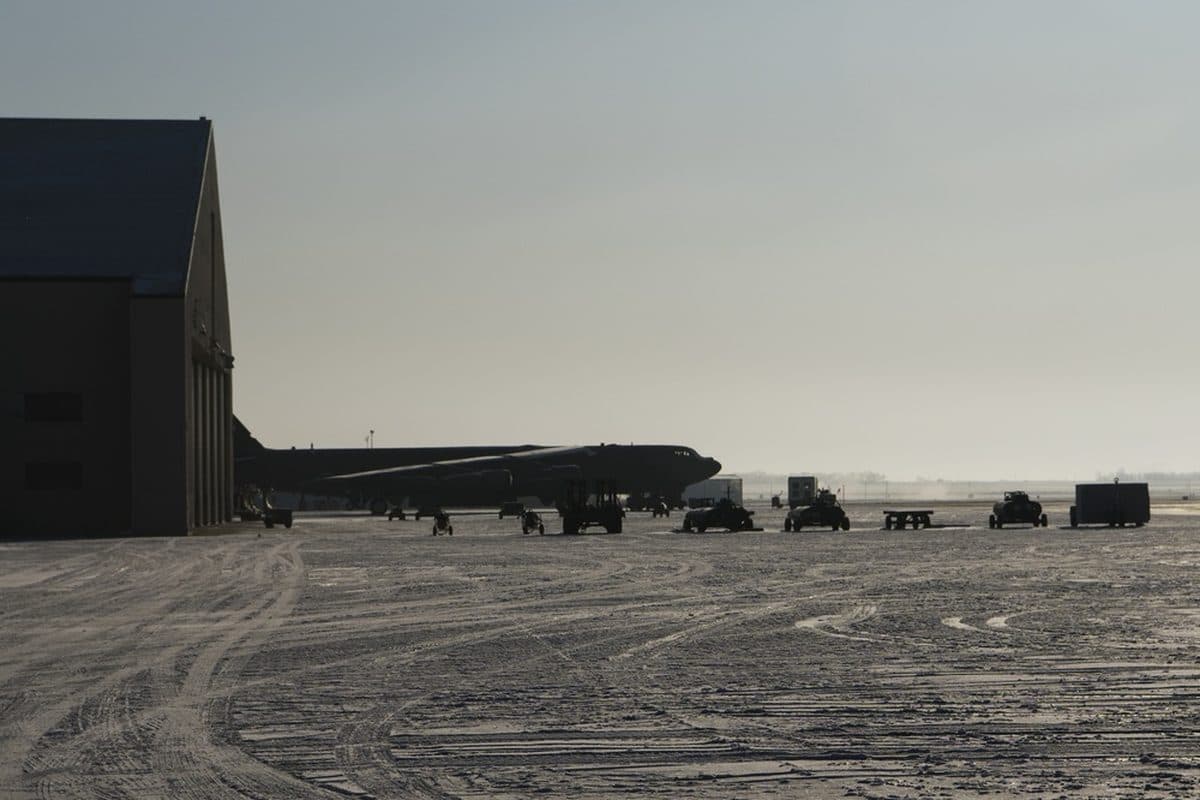
B-52 Stratofortress Strategic Bomber - The BUFF
Boeing’s B-52 long-range strategic bomber is not only one of the most iconic symbols of the Cold War; it’s also the longest-serving combat aircraft in any major nation’s arsenal. Since…

Germany launches its final major offensive of World War I across the Marne River in France, but Allied forces, including 85,000 American troops, halt the attack and launch a devastating counteroffensive that begins the Hundred Days to victory.
Crusader armies breach the walls of Jerusalem after a five-week siege, culminating the First Crusade with a massacre of the city's Muslim and Jewish inhabitants that would poison Christian-Muslim relations for centuries.
A combined Polish-Lithuanian army under King Wladyslaw Jagiello and Grand Duke Vytautas crushes the Teutonic Knights at Grunwald, ending the Order's dominance in Eastern Europe and reshaping regional military power.
A French engineering officer under Napoleon uncovers the Rosetta Stone during fortification work at Rashid in Egypt, a chance find that would shape the study of ancient military history for two centuries.
Georgia becomes the last Confederate state readmitted to the Union during Reconstruction, ending the formal process of reunification five years after Appomattox, though military occupation and racial violence would continue.
William Boeing incorporates Pacific Aero Products Co. (later Boeing) in Seattle, Washington, the company that would become the world's largest aerospace manufacturer and builder of iconic military aircraft from the B-17 to the B-52.
B-52 Stratofortress: The BUFFGermany launches its final major offensive of World War I across the Marne River in France, but Allied forces, including 85,000 American troops, halt the attack and launch a devastating counteroffensive that begins the Hundred Days to victory.
Final planning stages for the American amphibious assault on Guam, which would launch on July 21 to recapture the island from the Japanese, the first American territory lost in World War II.
Italy formally declares war on the Empire of Japan, completing its transformation from Axis power to Allied co-belligerent, though the declaration was largely symbolic with Japan's defeat already imminent.
NASA's Apollo spacecraft and the Soviet Soyuz 19 capsule launch within hours of each other on the Apollo-Soyuz Test Project, the first international crewed space docking and a brief thaw in the military space competition.
Twitter launches publicly, introducing a real-time microblogging platform that would reshape military public affairs, operations security, and the information environment in every subsequent conflict.
Get daily military history, analysis, and technology delivered to your inbox.
10 military events occurred on July 15, spanning multiple centuries. Key events include: Second Battle of the Marne Begins (1918), First Crusade Captures Jerusalem (1099), Battle of Grunwald Breaks the Teutonic Order (1410).
The most significant military event on July 15 is Second Battle of the Marne Begins (1918). Germany launches its final major offensive of World War I across the Marne River in France, but Allied forces, including 85,000 American troops, halt the attack and launch a devastating counteroffensive that begins the Hundred Days to victory.
Notable military figures born on July 15 include Clement C. Moore (1779–1863), Inigo Jones (1573–1652).
Events on July 15 span World War I, the Colonial & Revolutionary era, World War II, the Civil War, the Cold War, the Modern Era, covering 10 events across 6 centuries of military history.
Events on July 15 involve 5 branches of the U.S. and allied armed forces, reflecting the global scope of military operations throughout history.
Explore military history from the day you were born.
June 6
The Allied invasion of Normandy, the largest amphibious assault in history.
December 7
Japan attacks the U.S. Pacific Fleet, bringing America into World War II.
September 11
The deadliest terrorist attack in history transforms U.S. national security.
August 6
The first atomic bomb is dropped on a city, ushering in the nuclear age.
May 8
Nazi Germany surrenders unconditionally, ending World War II in Europe.
November 11
Armistice Day marks the end of World War I and honors all who served.
June 4
The turning point of the Pacific War as the U.S. Navy destroys four Japanese carriers.
July 4
The Declaration of Independence is adopted, sparking the American Revolution.
Boeing’s B-52 long-range strategic bomber is not only one of the most iconic symbols of the Cold War; it’s also the longest-serving combat aircraft in any major nation’s arsenal. Since…
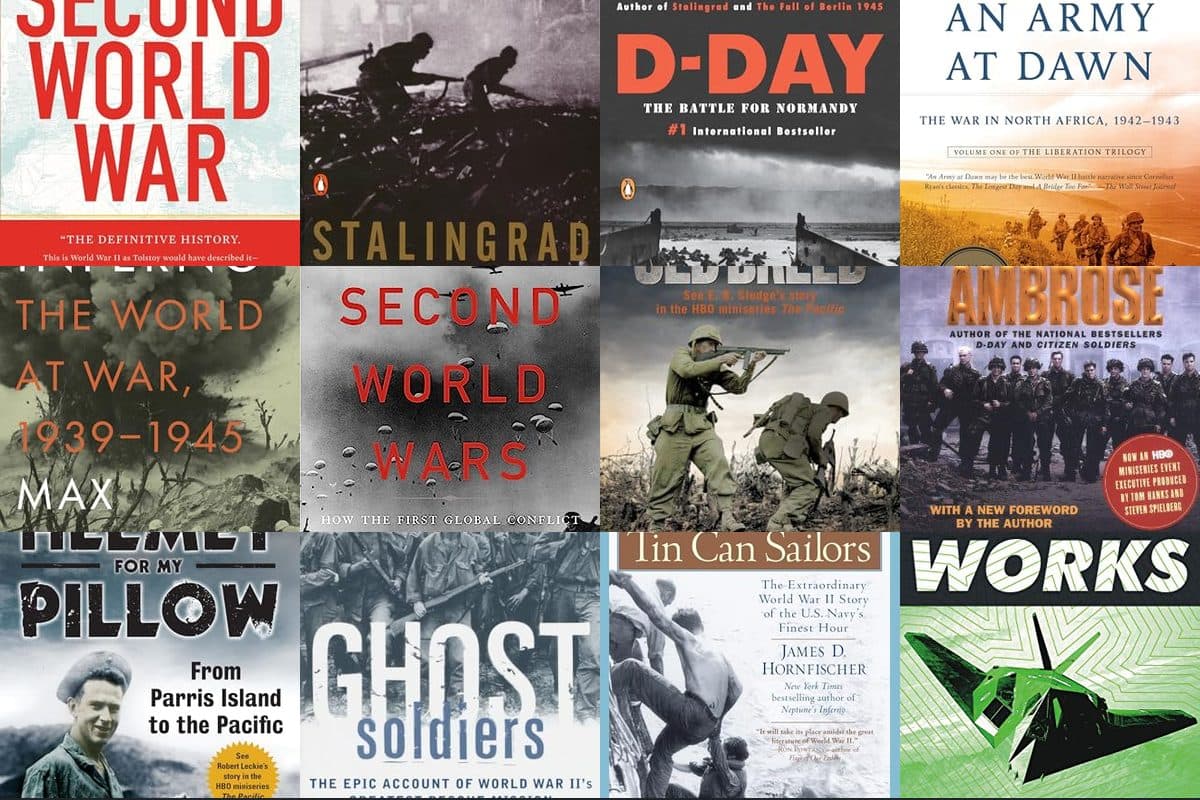
15 essential WW2 books covering every theater. Narrative histories, memoirs, and visual references ranked.
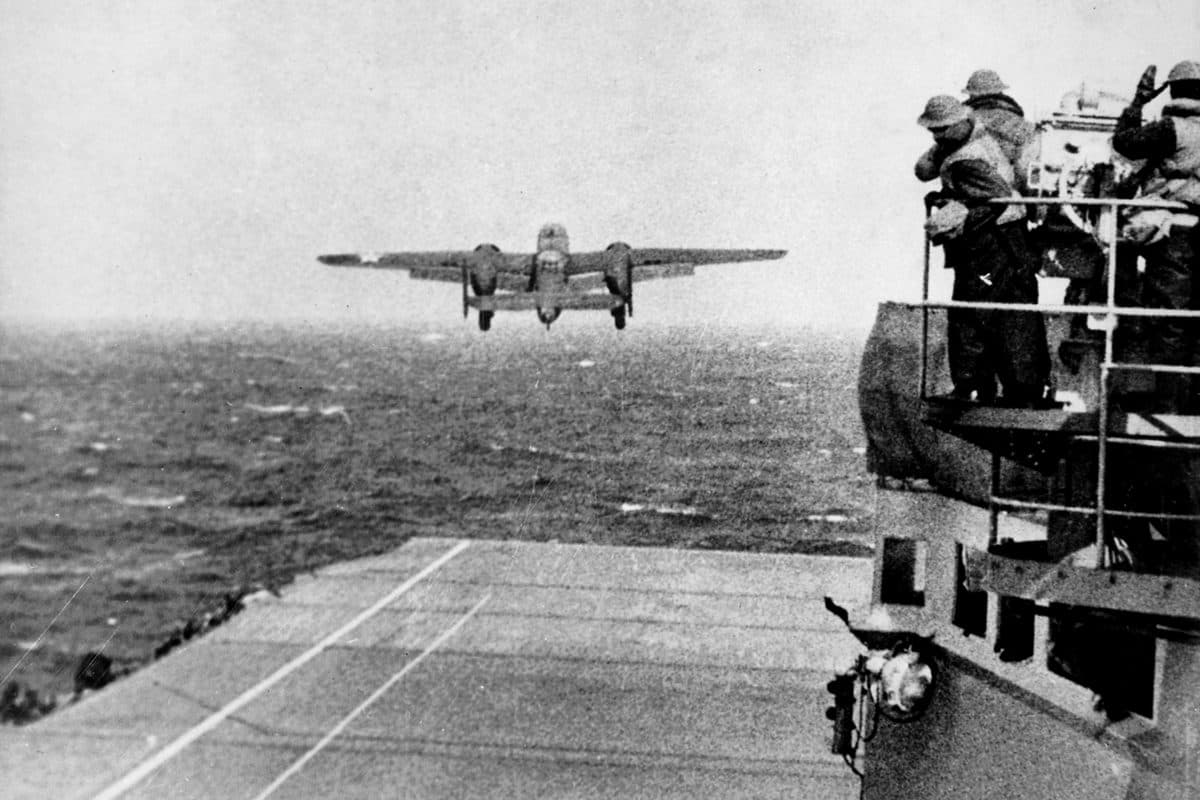
On April 18, 1942, sixteen B-25 Mitchell bombers did something no one thought possible: they launched from the deck of an aircraft carrier, flew 650 miles to Japan, and bombed Tokyo. Every aircraft was lost. The damage was negligible. The consequences changed the war.
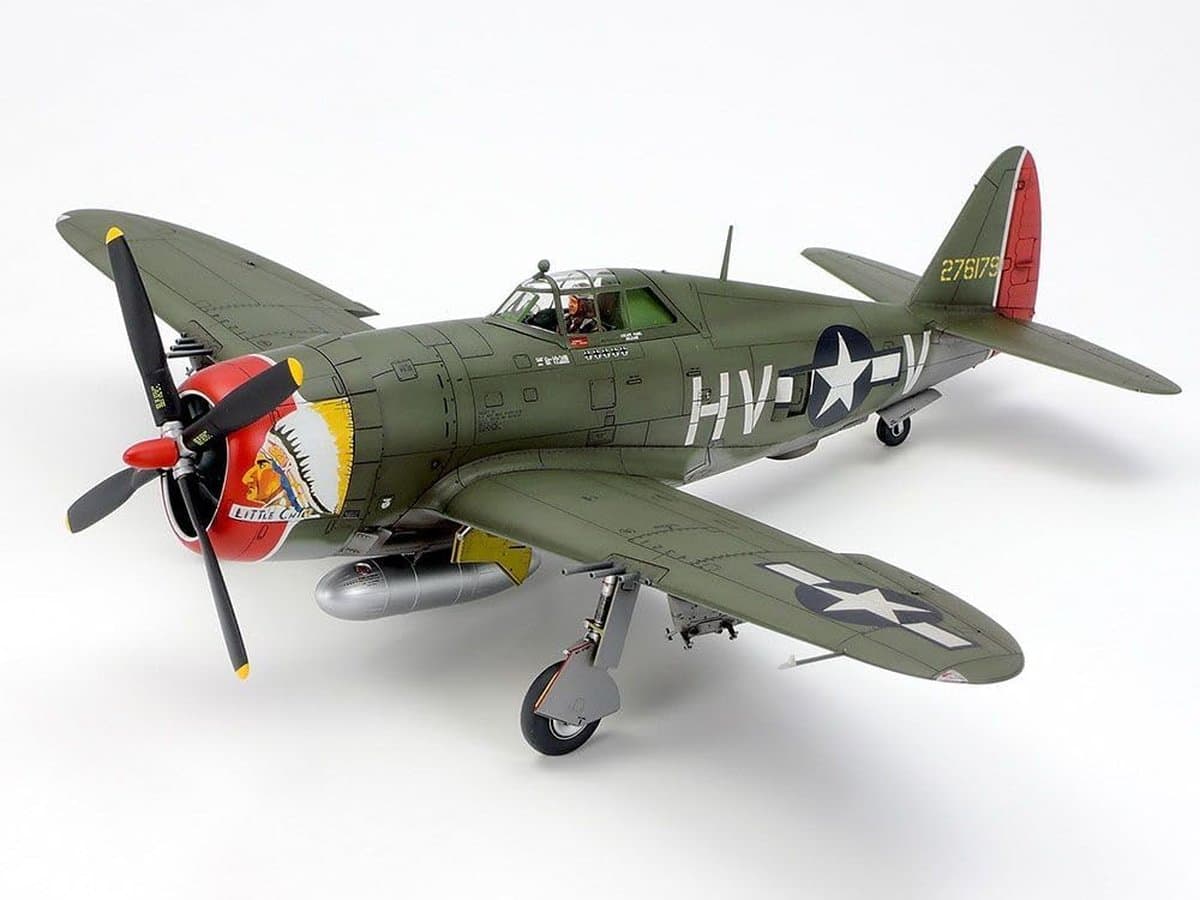
Compare 85+ WW2 scale model kits across aircraft, tanks, and ships. Beginner builds from $9 to museum-grade showpieces at $580. Covers Tamiya, Eduard, HK Models, Trumpeter, and more with honest reviews, trade-offs, and pricing.