

15 Best World War II Books for History Enthusiasts (2026)
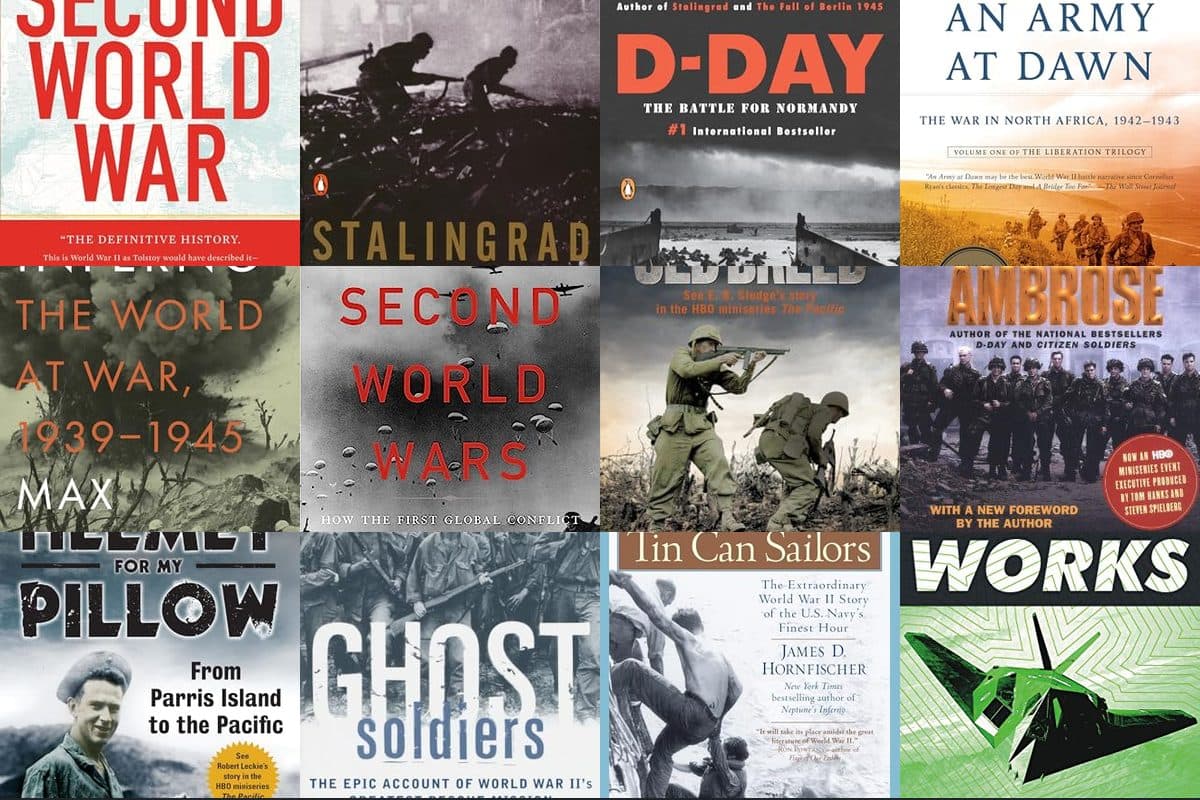
15 essential WW2 books covering every theater. Narrative histories, memoirs, and visual references ranked.
daniel-mercer··21 min read

The French munitions ship SS Mont-Blanc, loaded with 2,900 tons of explosives, collided with the Norwegian vessel SS Imo in the Narrows of Halifax Harbour, Nova Scotia, and exploded in the largest man-made explosion before the atomic age. The blast killed approximately 2,000 people, injured 9,000, destroyed 1,600 buildings, and flattened 400 acres of the city. A tsunami wave 18 meters high swept over the Halifax waterfront. The disaster devastated a critical military port during World War I.
The Thirteenth Amendment to the United States Constitution was ratified, permanently abolishing slavery throughout the nation. The amendment's passage was the direct result of the Civil War, which cost over 620,000 lives. For the 180,000 African Americans who had served in the Union Army and the 20,000 who served in the Navy, the amendment validated the sacrifice they had made to earn their own freedom through military service.
Thomas Edison demonstrated the first working phonograph at his Menlo Park laboratory in New Jersey. The device recorded sound on a tinfoil-wrapped cylinder and laid the foundation for military voice recording, battlefield communications research, and eventually the magnetic tape and digital audio systems used in modern command-and-control networks.
An explosion at the Monongah coal mines in West Virginia killed 362 miners in the worst mining disaster in American history. While not a military event, the disaster occurred in mines that supplied coal for the U.S. Navy's coal-powered warships, and it spurred the creation of the Bureau of Mines in 1910, one of the first federal safety agencies. The disaster highlighted the human cost of industrial production that fueled military power.
The French munitions ship SS Mont-Blanc exploded in Halifax Harbour after a collision, killing approximately 2,000 people and devastating the critical military port. The blast, equivalent to 2.9 kilotons of TNT, was the largest man-made explosion before the atomic age.
Finland declared independence from Russia, taking advantage of the chaos following the Bolshevik Revolution. The declaration led to a bloody Finnish Civil War in 1918 between communist Reds (supported by Soviet Russia) and conservative Whites (supported by Imperial Germany). Finland's hard-won independence would be tested again in 1939 when the Soviet Union invaded in the Winter War.
The Tucker-class destroyer USS Jacob Jones was torpedoed and sunk by the German submarine U-53 in the English Channel, becoming the first US Navy destroyer lost to enemy action in World War I. The loss drove rapid reforms in transatlantic convoy escort procedures and antisubmarine warfare training.
Britain declared war on Finland, Hungary, and Romania, all German allies fighting against the Soviet Union on the Eastern Front. The declarations came at Stalin's insistence and reflected the growing importance of the Anglo-Soviet alliance. The action demonstrated that the Second World War had become truly global, with nations on every continent drawn into the conflict.
British Eighth Army armored forces linked up with the besieged garrison of Tobruk, ending the 242-day siege of the Libyan port by Axis forces under Field Marshal Erwin Rommel. The relief of Tobruk was the first significant British land victory over the Wehrmacht and validated the combined-arms tactics later scaled up at El Alamein.
The Chinese People's Volunteer Army captured Pyongyang, the North Korean capital, completing the largest reversal of fortunes in the Korean War. The advance drove UN forces back below the 38th parallel and set the conditions for the two-year stalemate that followed.
Hindu nationalists demolished the sixteenth-century Babri Masjid mosque in Ayodhya, India, triggering widespread communal violence that killed over 2,000 people across the country. The Indian Army was deployed in multiple cities to restore order. The incident had lasting military and security implications, heightening tensions between India and Pakistan and contributing to the atmosphere that led to the 1999 Kargil War.

German-born American photographer who served in the German Army during World War I and was wounded in both legs at the Battle of Flanders. He later became one of the most influential photojournalists of the twentieth century, creating the iconic V-J Day photograph of a sailor kissing a nurse in Times Square, one of the most famous military images ever captured and a universal symbol of the joy of war's end.

Corporal
Pima Native American Marine who became one of the most recognized war heroes of World War II after being photographed raising the American flag on Mount Suribachi during the Battle of Iwo Jima on February 23, 1945. The iconic image made Hayes famous, but he struggled with the attention and with survivor's guilt, turning to alcohol. He died at age 32 from exposure and alcohol poisoning on the Gila River Indian Reservation, a tragic symbol of the cost of war on those who survive it.

Colonel
President of the Confederate States of America who died on this date in 1889. A West Point graduate and Mexican-American War hero who distinguished himself at the Battle of Buena Vista, Davis served as U.S. Secretary of War under President Franklin Pierce before becoming the Confederacy's only president. Captured by Union cavalry in 1865, he was imprisoned for two years but never tried for treason, and spent his remaining years writing his memoirs.
Wear the Timeline
10 military events occurred on December 6, spanning multiple centuries. Key events include: The Halifax Explosion (1917), The Thirteenth Amendment Ratified (1865).
The most significant military event on December 6 is The Halifax Explosion (1917). The French munitions ship SS Mont-Blanc, loaded with 2,900 tons of explosives, collided with the Norwegian vessel SS Imo in the Narrows of Halifax Harbour, Nova Scotia, and exploded in the largest man-made explosion before the atomic age. The blast killed approximately 2,000 people, injured 9,000, destroyed 1,600 buildings, and flattened 400 acres of the city. A tsunami wave 18 meters high swept over the Halifax waterfront. The disaster devastated a critical military port during World War I.
Notable military figures born on December 6 include Alfred Eisenstaedt (1898–1995), Ira Hayes (1923–1955).
Events on December 6 span World War I, the Civil War, the Interwar Period, World War II, the Modern Era, the Korean War, covering 10 events across 2 centuries of military history.
Events on December 6 involve 3 branches of the U.S. and allied armed forces, reflecting the global scope of military operations throughout history.
Explore military history from the day you were born.
June 6
The Allied invasion of Normandy, the largest amphibious assault in history.
December 7
Japan attacks the U.S. Pacific Fleet, bringing America into World War II.
September 11
The deadliest terrorist attack in history transforms U.S. national security.
August 6
The first atomic bomb is dropped on a city, ushering in the nuclear age.
May 8
Nazi Germany surrenders unconditionally, ending World War II in Europe.
November 11
Armistice Day marks the end of World War I and honors all who served.
June 4
The turning point of the Pacific War as the U.S. Navy destroys four Japanese carriers.
July 4
The Declaration of Independence is adopted, sparking the American Revolution.
15 essential WW2 books covering every theater. Narrative histories, memoirs, and visual references ranked.
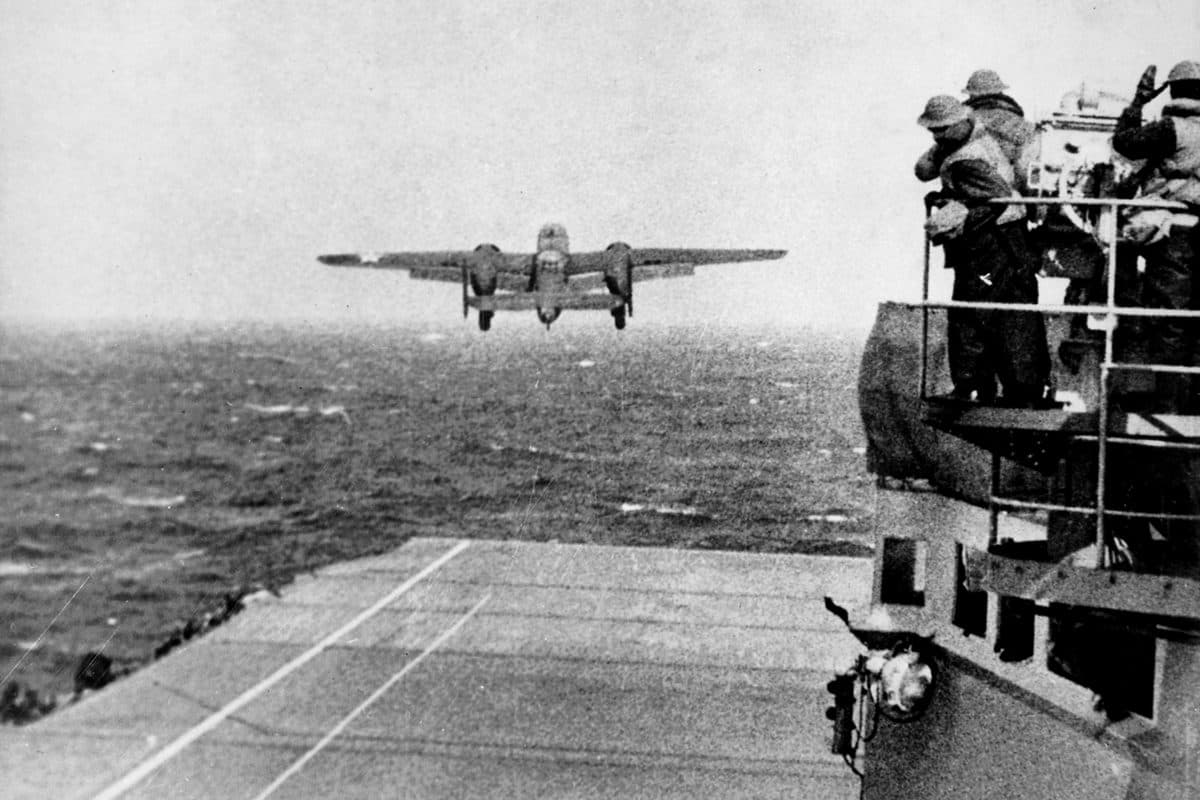
On April 18, 1942, sixteen B-25 Mitchell bombers did something no one thought possible: they launched from the deck of an aircraft carrier, flew 650 miles to Japan, and bombed Tokyo. Every aircraft was lost. The damage was negligible. The consequences changed the war.
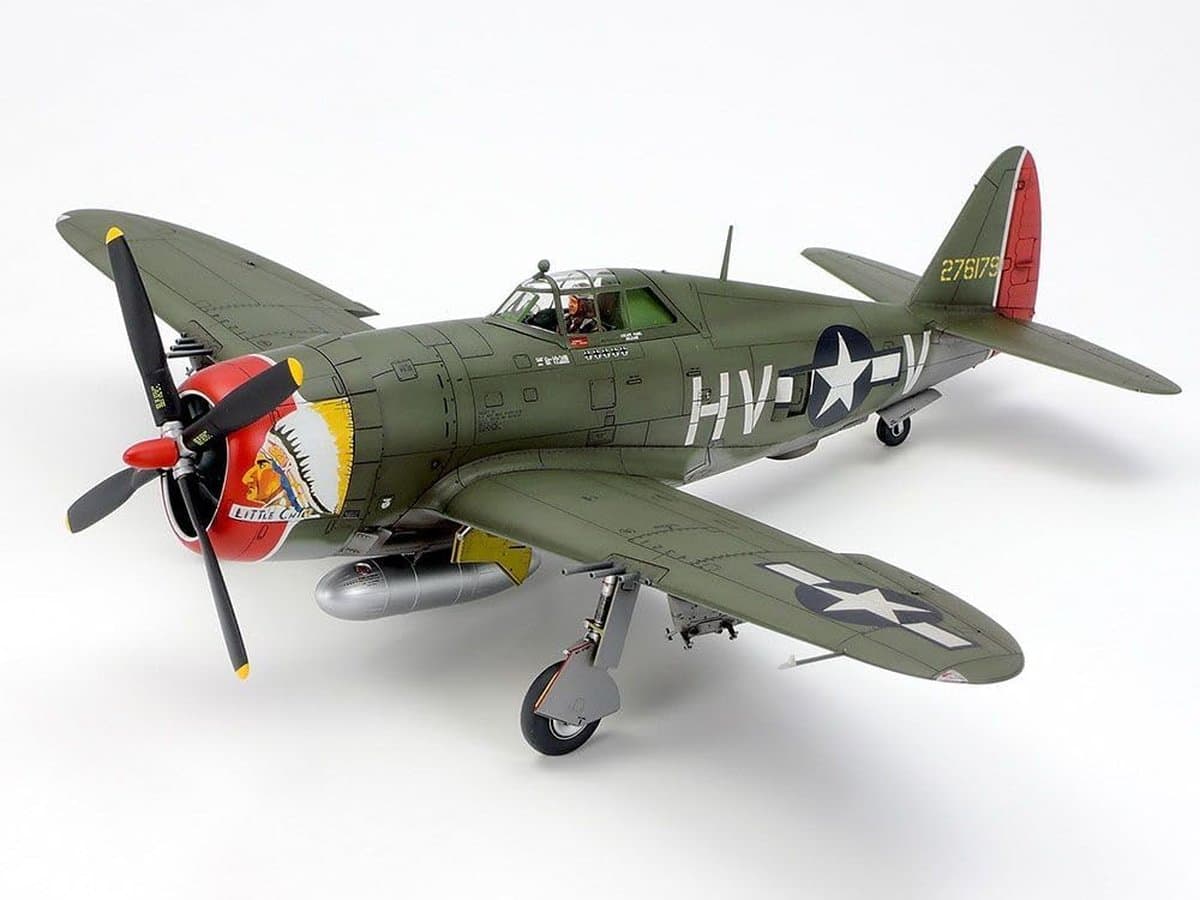
Compare 85+ WW2 scale model kits across aircraft, tanks, and ships. Beginner builds from $9 to museum-grade showpieces at $580. Covers Tamiya, Eduard, HK Models, Trumpeter, and more with honest reviews, trade-offs, and pricing.

On April 7, 1945, the Imperial Japanese Navy sent the largest battleship ever built on a one-way suicide mission to Okinawa. She never arrived. 386 American aircraft found her first, and sank her in under two hours.