

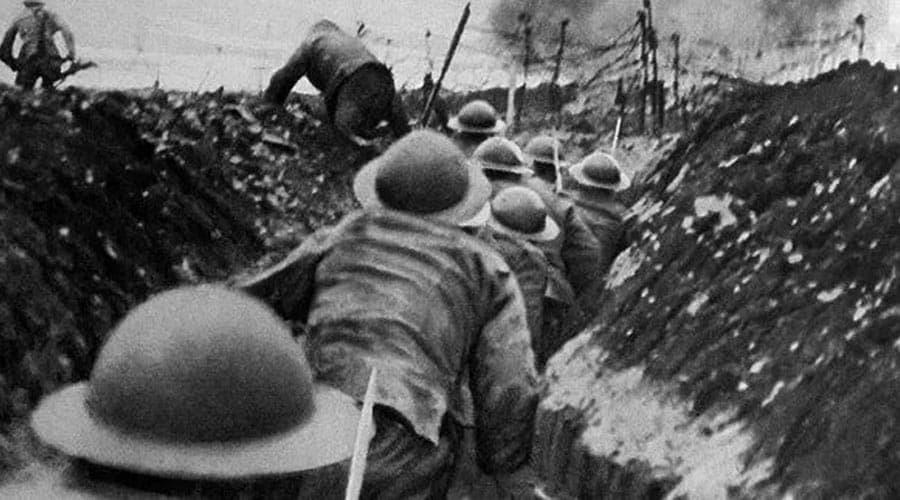
20 Chilling Quotes from the Trenches of World War I
Harrowing first-person accounts from soldiers who endured the mud, gas, and constant shelling of World War I's Western Front.
james-holloway··8 min read

British Foreign Secretary Arthur Balfour issued a letter to Lord Rothschild declaring British support for "the establishment in Palestine of a national home for the Jewish people." The 67-word declaration, embedded in wartime strategic calculations, planted the seeds of the Israeli-Palestinian conflict and reshaped the military history of the Middle East for over a century.
President Lincoln removed Major General John C. Frémont from command of the Department of the West after Frémont issued an unauthorized emancipation proclamation freeing slaves of Confederate sympathizers in Missouri. Lincoln feared the order would push border states toward secession. The incident highlighted the tension between military authority and civilian control that would define the war.
Presidential proclamations admitted North Dakota and South Dakota to the Union. The new states brought with them organized territorial militias that became the state National Guards of today, military organizations that continue to serve federally mobilized missions more than a century later.
British Foreign Secretary Arthur Balfour issued a letter declaring British support for a Jewish national home in Palestine, setting in motion a century of conflict in the Middle East.
Senator Warren Harding won the US presidential election on a return to normalcy platform, beginning the disarmament diplomacy that produced the Washington Naval Conference. His administration negotiated the first major arms control treaty of the twentieth century, reshaping naval force structures globally.
While the Second Battle of El Alamein raged nearby, Montgomery's forces completed the breakout that would drive Rommel from Egypt forever. The Eighth Army's pursuit began in earnest, though Rommel's skillful rearguard actions prevented the complete destruction of the Afrika Korps. The victory at El Alamein was the first major British land victory of the war and prompted Churchill's famous remark: "This is not the end. It is not even the beginning of the end. But it is, perhaps, the end of the beginning."
Howard Hughes piloted the H-4 Hercules, the largest flying boat ever built, on its only flight, a one-mile hop at 70 feet altitude across Long Beach Harbor. Built of laminated birch wood due to wartime aluminum restrictions, the massive aircraft was designed to transport 750 troops across the Atlantic. Though it never flew again, it demonstrated the feasibility of super-heavy airlift that would later transform military logistics.
Quaker antiwar activist Norman Morrison set himself on fire beneath Secretary of Defense Robert McNamara's Pentagon office in protest against the Vietnam War. The act shocked the US military establishment and was cited by McNamara decades later as an event that deepened his doubts about the war.
President Reagan signed legislation creating a federal holiday honoring Martin Luther King Jr., the civil rights leader who served as a powerful voice against militarism as well as racial injustice. King's 1967 speech at Riverside Church opposing the Vietnam War remains one of the most significant anti-war addresses by a civilian leader, connecting the struggle for civil rights with opposition to American military intervention abroad.
Expedition 1 commander William Shepherd, a former Navy SEAL, and cosmonauts Yuri Gidzenko and Sergei Krikalev docked at the International Space Station, beginning continuous human presence in orbit. The multinational crew operated military-derived life-support systems and launched from Baikonur aboard a Soyuz rocket, a fusion of Cold War rival space programs.

Colonel
American frontiersman, explorer, and militia officer who became one of the first folk heroes of the United States. During the Revolutionary War, Boone defended the settlement of Boonesborough against British-allied Shawnee attacks, most notably the ten-day siege of 1778. His exploration of Kentucky through the Cumberland Gap opened the frontier for westward expansion.

Major General
One of the finest division commanders of the Civil War, Humphreys led his troops with conspicuous bravery at Fredericksburg, Gettysburg, and the Wilderness. He later served as Meade's chief of staff and commanded the II Corps through the final campaigns to Appomattox. A trained engineer and scientist, he also produced the definitive study of Mississippi River flooding.

British naval officer who went down with his flagship HMS Good Hope at the Battle of Coronel on this date. Knowing his elderly cruisers were outmatched by von Spee's modern armored cruisers, Cradock chose to fight rather than retreat, reportedly telling a friend before sailing: "I will take care that I do not suffer the fate of Admiral Troubridge", who had been court-martialed for failing to engage. All 1,600 men aboard his two cruisers perished.
Wear the Timeline
10 military events occurred on November 2, spanning multiple centuries. Key events include: The Balfour Declaration (1917), Battle of Coronel: British Naval Disaster (1914), First Battle of El Alamein Cemetery Dedicated (1942).
The most significant military event on November 2 is The Balfour Declaration (1917). British Foreign Secretary Arthur Balfour issued a letter to Lord Rothschild declaring British support for "the establishment in Palestine of a national home for the Jewish people." The 67-word declaration, embedded in wartime strategic calculations, planted the seeds of the Israeli-Palestinian conflict and reshaped the military history of the Middle East for over a century.
Notable military figures born on November 2 include Daniel Boone (1734–1820), Andrew Humphreys (1810–1883).
Events on November 2 span World War I, the Cold War, the Civil War, World War II, the Interwar Period, the Vietnam War, the Modern Era, covering 10 events across 3 centuries of military history.
Events on November 2 involve 4 branches of the U.S. and allied armed forces, reflecting the global scope of military operations throughout history.
Explore military history from the day you were born.
June 6
The Allied invasion of Normandy, the largest amphibious assault in history.
December 7
Japan attacks the U.S. Pacific Fleet, bringing America into World War II.
September 11
The deadliest terrorist attack in history transforms U.S. national security.
August 6
The first atomic bomb is dropped on a city, ushering in the nuclear age.
May 8
Nazi Germany surrenders unconditionally, ending World War II in Europe.
November 11
Armistice Day marks the end of World War I and honors all who served.
June 4
The turning point of the Pacific War as the U.S. Navy destroys four Japanese carriers.
July 4
The Declaration of Independence is adopted, sparking the American Revolution.
Harrowing first-person accounts from soldiers who endured the mud, gas, and constant shelling of World War I's Western Front.
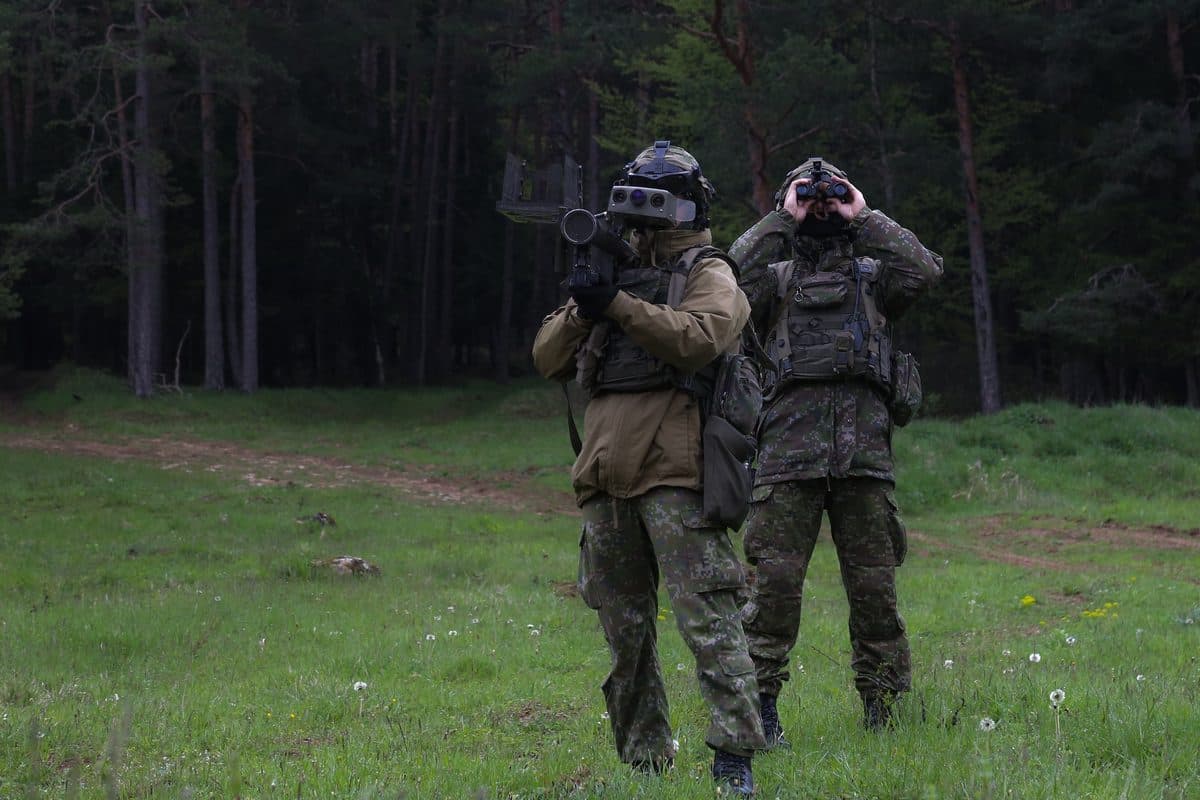
The FIM-92 Stinger helped win the Cold War by turning Afghan mujahideen into a credible anti-aircraft threat. By 2023, the United States almost ran out of them, because Raytheon stopped making them for 13 years, and the first 10 months of Ukraine support burned through the remaining stockpile.
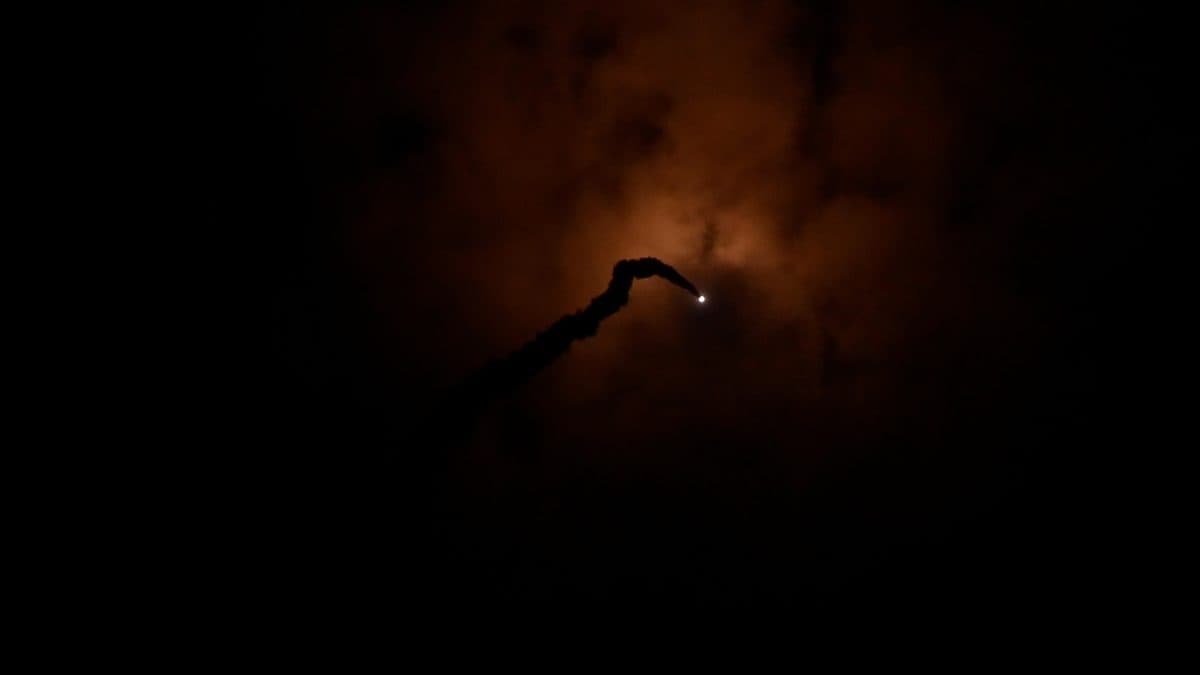
These weapons were built to fight a war that everyone prayed would never happen. The Minuteman III has been on alert since 1970. The Typhoon-class carried enough nuclear warheads to destroy a continent. The Davy Crockett could be fired by three soldiers. Most of them have been waiting for 40 years. Here are 10 Cold War weapons built exclusively for World War III.
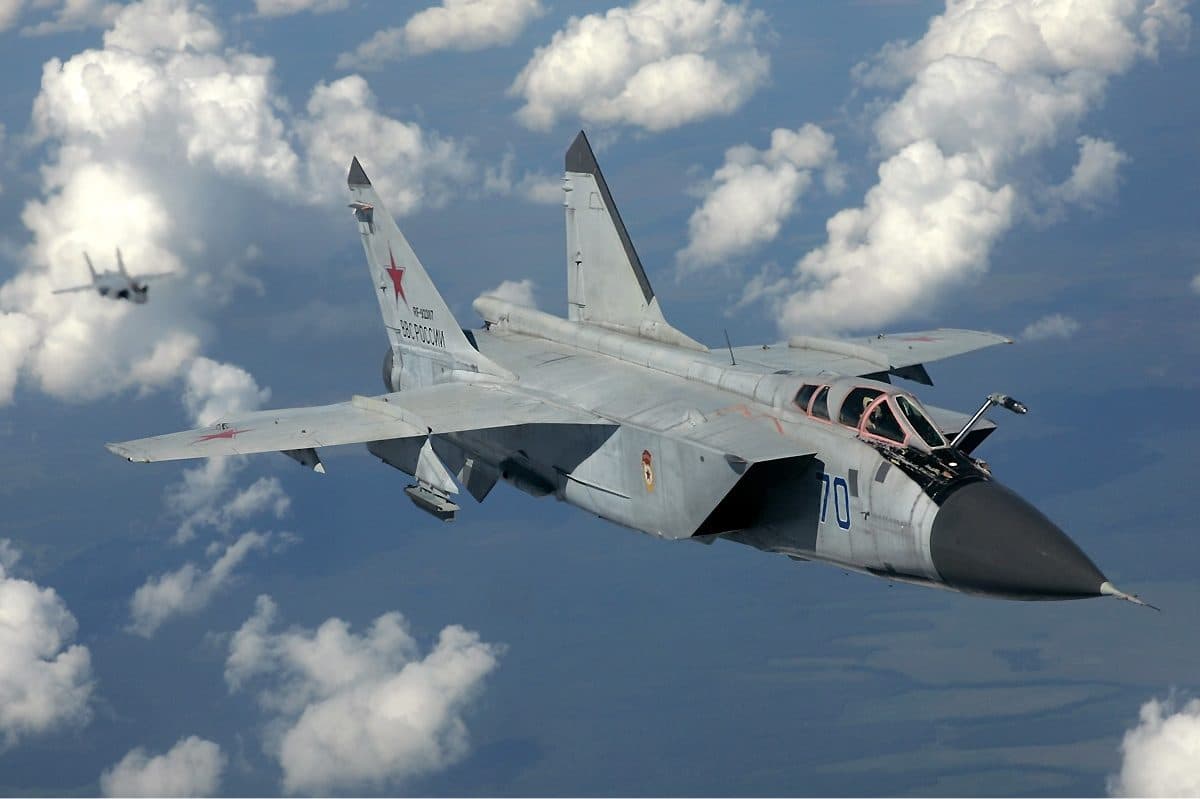
The MiG-31 was designed to catch the SR-71 Blackbird. It is still the fastest fighter in any air force. The Foxhound's Zaslon phased-array radar, the first ever installed in a fighter, can track 10 targets and engage 4 simultaneously at ranges exceeding 200 miles. Here is why Russia still flies a 1980s interceptor, and why the MiG-31BM carrying a Kinzhal hypersonic missile has changed what the aircraft means to modern warfare.