
China's Military Buildup by the Numbers: How the PLA Became a Superpower in a Decade
China built the world's largest navy, deployed hypersonic missiles, and grew its nuclear arsenal by 400%. Here is the PLA's transformation by the numbers.

Margaretha Zelle, known by her stage name Mata Hari, was executed by a French firing squad at Vincennes outside Paris for espionage on behalf of Germany during World War I. The exotic dancer and courtesan, who had allegedly passed military secrets to the Germans, became the most famous spy of the twentieth century, though the evidence against her was largely circumstantial, and many historians believe she was a scapegoat for French military failures.
Jean-François Pilâtre de Rozier made the first tethered manned balloon flight in Paris aboard a Montgolfier hot air balloon, ascending 84 feet. The military implications were immediately recognized, within months, the French military was exploring balloon reconnaissance. Military observation balloons would be used in the American Civil War, and aviation would transform warfare in the twentieth century.
Napoleon Bonaparte arrived at the remote South Atlantic island of Saint Helena to begin his final exile, escorted by the British warship HMS Northumberland. The former Emperor of France, who had dominated European military affairs for fifteen years, would spend his remaining six years on the desolate island, dictating his memoirs and shaping the legend that would influence military thinking and European politics long after his death.
Mata Hari was executed by a French firing squad for espionage. The exotic dancer and courtesan became the most famous spy of the twentieth century, though many historians believe she was a scapegoat for French military failures.
Dutch exotic dancer Margaretha Geertruida Zelle, known by her stage name Mata Hari, was executed by French firing squad at the Chateau de Vincennes after being convicted of spying for Germany. Her case, based on intercepted German radio traffic that may have been deliberately planted to discredit her, became one of the most famous espionage cases of World War I and a template for the enduring spy mythology of the twentieth century.
German general and aviation pioneer Count Ferdinand von Zeppelin died at age 78 in Berlin, roughly a month before his rigid airships would be formally committed to their final major strategic bombing raid against Britain. Zeppelin had pioneered the aluminum-framed, hydrogen-filled rigid airship, creating one of the first strategic long-range weapons capable of striking enemy homelands from hundreds of miles away.
American and Japanese carrier forces clashed near the Santa Cruz Islands in the fourth carrier battle of the Guadalcanal campaign. The Japanese tactical victory, sinking the carrier USS Hornet and damaging USS Enterprise, came at a crippling cost: 148 irreplaceable Japanese naval aviators killed. The attrition of Japan's elite carrier pilots at Santa Cruz and earlier battles proved a decisive long-term Allied advantage.
The US Navy commissioned USS Ranger (CV-61), the third Forrestal-class supercarrier, at Newport News Shipbuilding. Ranger was the first American carrier built from the keel up with the angled flight deck rather than having it retrofitted. She served for 36 years, launching strikes throughout the Vietnam War, responding to the Pueblo incident, and flying the first combat sorties of Desert Storm from the Persian Gulf.
Soviet Premier Nikita Khrushchev was removed from power by the Communist Party Presidium in a bloodless coup led by Leonid Brezhnev and Alexei Kosygin. Khrushchev, who had brought the world to the brink of nuclear war during the Cuban Missile Crisis and engaged in a bitter rivalry with China, was forced into retirement. The change in Soviet leadership had immediate implications for the Cold War military balance.
South African President F.W. de Klerk released eight high-profile anti-apartheid political prisoners including Walter Sisulu and Ahmed Kathrada on October 15, 1989, the opening step in the negotiations that would end apartheid and reshape South African military doctrine over the following five years.
China launched the Shenzhou 5 spacecraft carrying taikonaut Yang Liwei, becoming only the third nation to independently send a human into orbit. The mission, overseen by the People's Liberation Army, demonstrated China's growing technological and military capabilities in space. Yang orbited Earth 14 times before landing safely in Inner Mongolia.
China's Military BuildupGet daily military history, analysis, and technology delivered to your inbox.
10 military events occurred on October 15, spanning multiple centuries. Key events include: Execution of Mata Hari (1917), Napoleon Arrives at Saint Helena (1815), Soviet Leader Nikita Khrushchev Ousted (1964).
The most significant military event on October 15 is Execution of Mata Hari (1917). Margaretha Zelle, known by her stage name Mata Hari, was executed by a French firing squad at Vincennes outside Paris for espionage on behalf of Germany during World War I. The exotic dancer and courtesan, who had allegedly passed military secrets to the Germans, became the most famous spy of the twentieth century, though the evidence against her was largely circumstantial, and many historians believe she was a scapegoat for French military failures.
Notable military figures born on October 15 include Friedrich Nietzsche (1844–1900), Michel Foucault (1926–1984).
Events on October 15 span World War I, the Colonial & Revolutionary era, World War II, the Cold War, the Modern Era, covering 10 events across 4 centuries of military history.
Events on October 15 involve 3 branches of the U.S. and allied armed forces, reflecting the global scope of military operations throughout history.
Explore military history from the day you were born.
June 6
The Allied invasion of Normandy, the largest amphibious assault in history.
December 7
Japan attacks the U.S. Pacific Fleet, bringing America into World War II.
September 11
The deadliest terrorist attack in history transforms U.S. national security.
August 6
The first atomic bomb is dropped on a city, ushering in the nuclear age.
May 8
Nazi Germany surrenders unconditionally, ending World War II in Europe.
November 11
Armistice Day marks the end of World War I and honors all who served.
June 4
The turning point of the Pacific War as the U.S. Navy destroys four Japanese carriers.
July 4
The Declaration of Independence is adopted, sparking the American Revolution.
China built the world's largest navy, deployed hypersonic missiles, and grew its nuclear arsenal by 400%. Here is the PLA's transformation by the numbers.
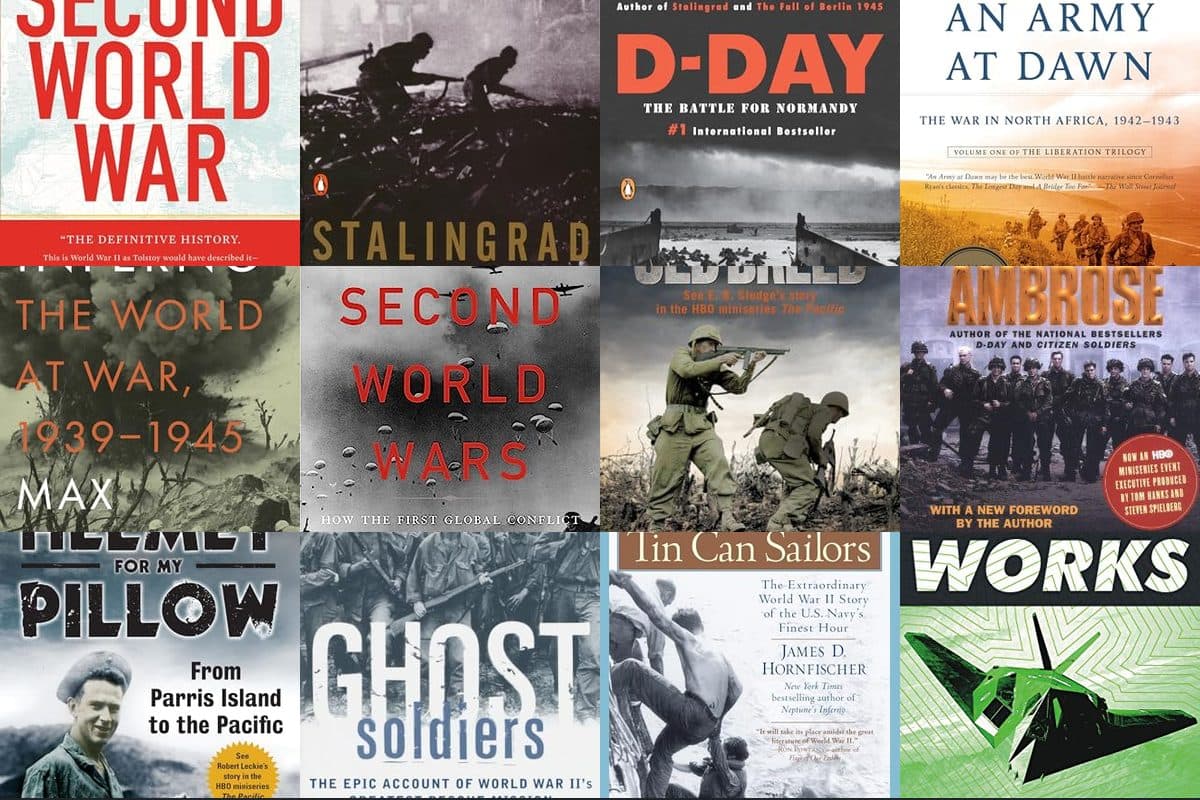
15 essential WW2 books covering every theater. Narrative histories, memoirs, and visual references ranked.
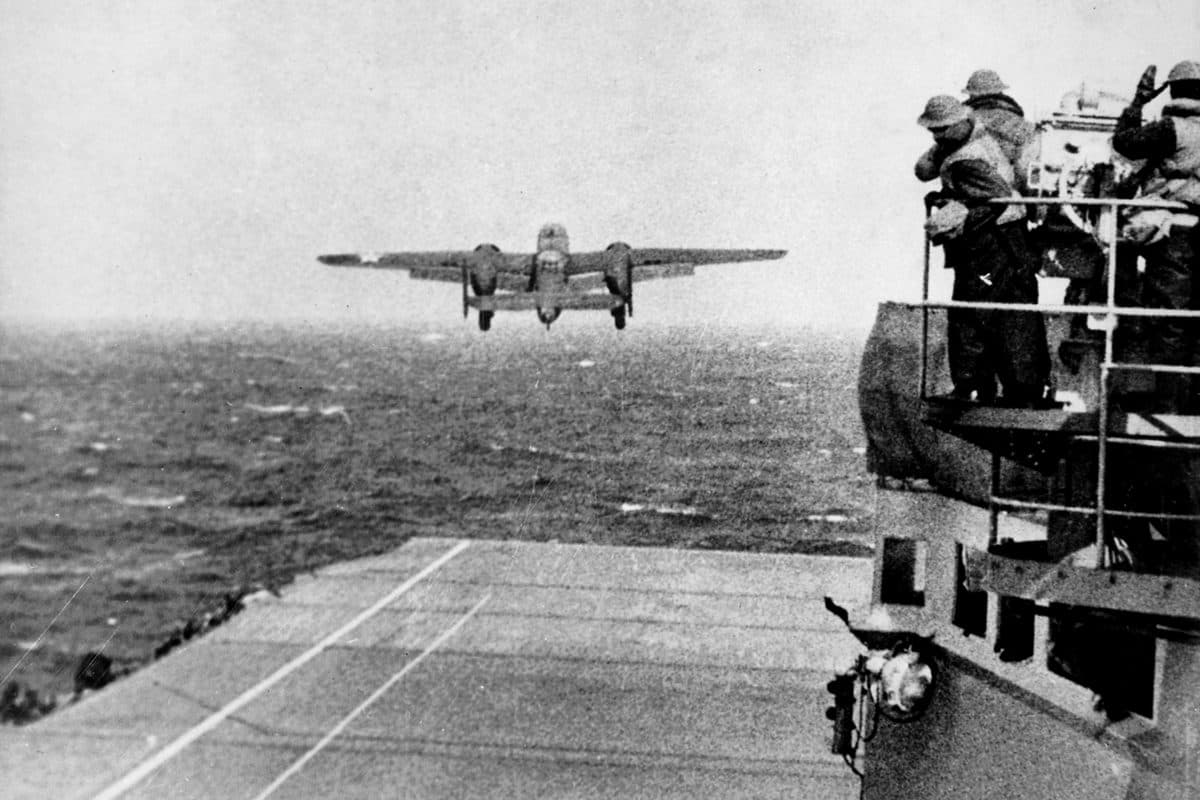
On April 18, 1942, sixteen B-25 Mitchell bombers did something no one thought possible: they launched from the deck of an aircraft carrier, flew 650 miles to Japan, and bombed Tokyo. Every aircraft was lost. The damage was negligible. The consequences changed the war.
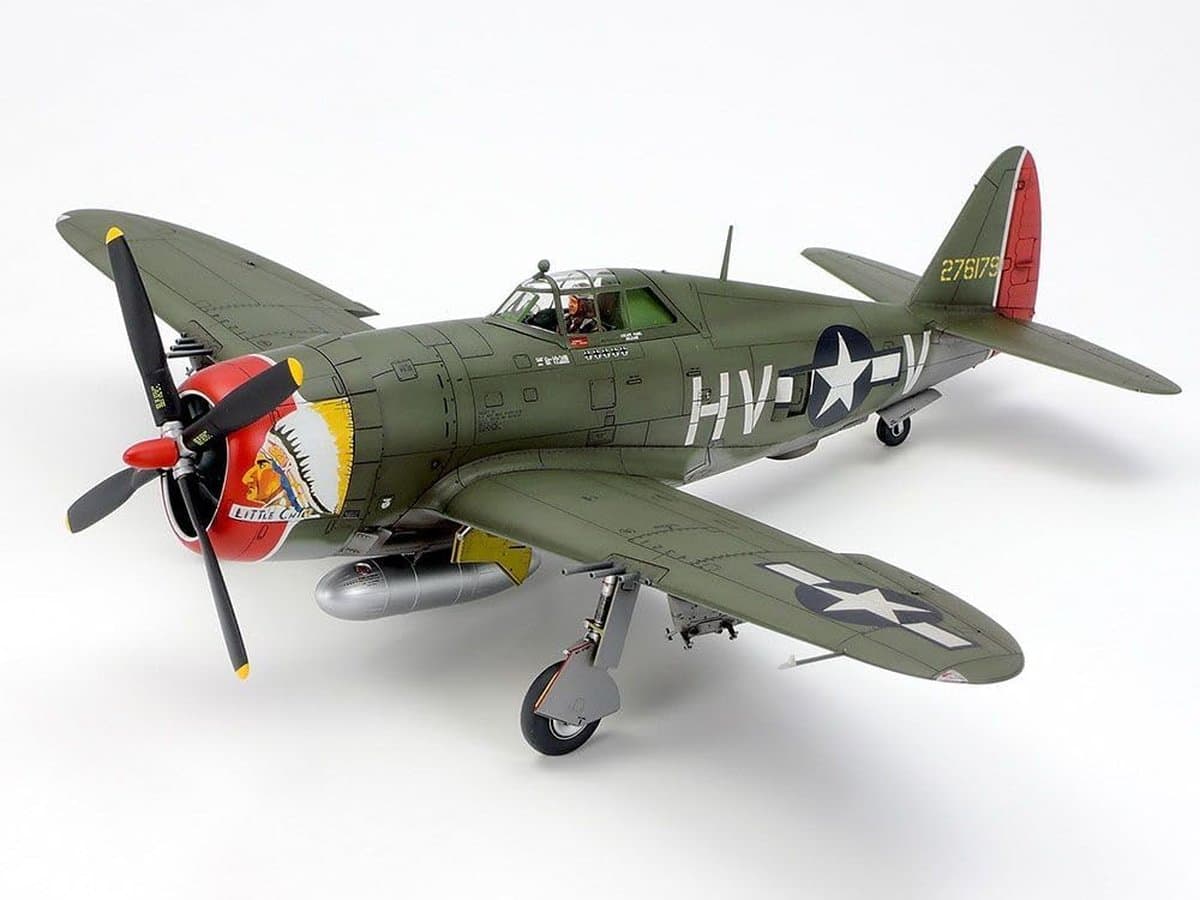
Compare 85+ WW2 scale model kits across aircraft, tanks, and ships. Beginner builds from $9 to museum-grade showpieces at $580. Covers Tamiya, Eduard, HK Models, Trumpeter, and more with honest reviews, trade-offs, and pricing.