
15 Best World War II Books for History Enthusiasts (2026)
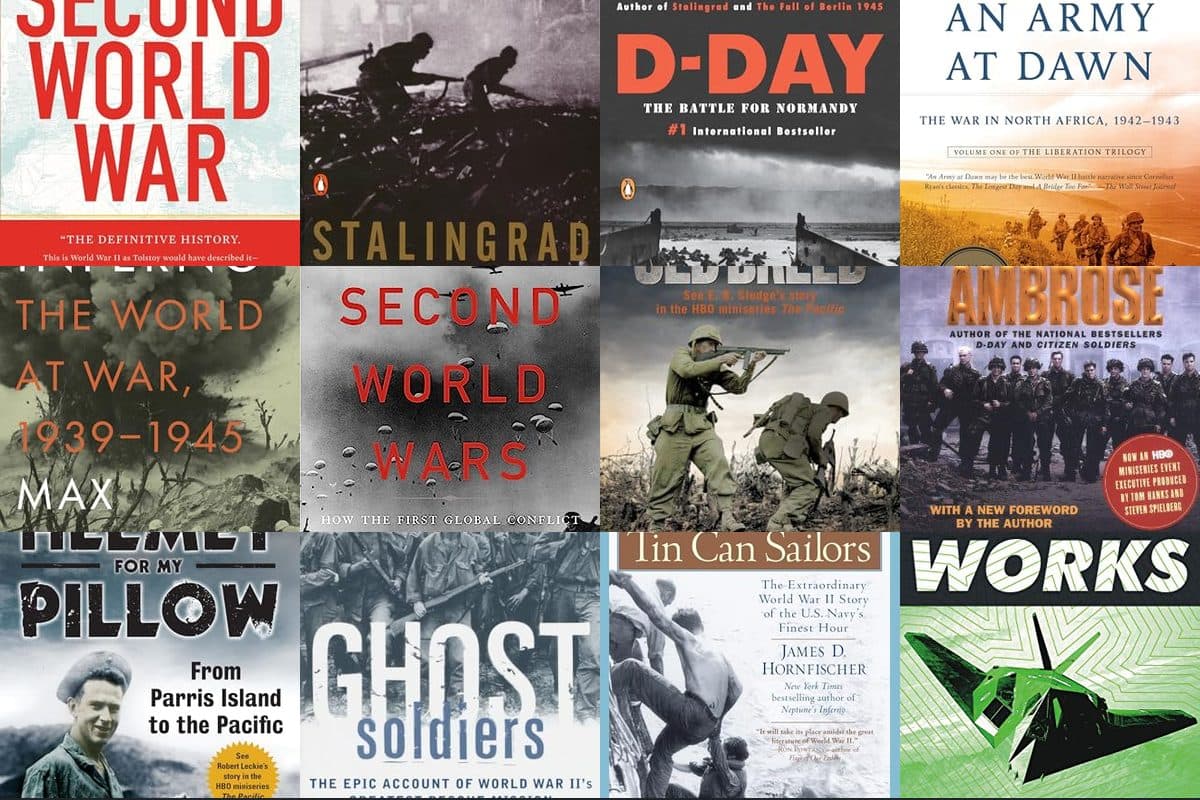
15 essential WW2 books covering every theater. Narrative histories, memoirs, and visual references ranked.
daniel-mercer··21 min read

William, Duke of Normandy, defeated King Harold II of England at the Battle of Hastings, fundamentally changing the course of English and world history. Harold was killed, traditionally by an arrow through the eye, and his Anglo-Saxon army was destroyed. The Norman Conquest replaced the English ruling class, transformed the English language, reshaped English law and culture, and established the feudal military system that would define medieval England.
William of Normandy defeated King Harold II at Hastings, fundamentally changing English and world history. The Norman Conquest replaced the Anglo-Saxon ruling class and established the feudal military system that would define medieval England.
William, Duke of Normandy, defeated the Anglo-Saxon army of King Harold Godwinson at Hastings, killing Harold and opening the way for the Norman conquest of England. The battle introduced disciplined heavy cavalry, crossbowmen, and feudal military organization to English warfare, transforming the military culture of the island and shaping the English monarchy for six centuries.
Former President Theodore Roosevelt was shot in the chest by saloonkeeper John Schrank while campaigning for president in Milwaukee. The bullet was slowed by Roosevelt's folded 50-page speech and a metal eyeglass case. Drawing on his military experience, he had led the Rough Riders at San Juan Hill, Roosevelt correctly assessed that since he was not coughing blood, the bullet had not penetrated his lung. He delivered his 84-minute speech before going to the hospital, opening with: "It takes more than that to kill a Bull Moose."
The U.S. Eighth Air Force launched a devastating daylight raid on the ball-bearing factories at Schweinfurt, Germany. Of 291 B-17 Flying Fortresses that crossed into Germany, 60 were shot down and 138 damaged, a catastrophic 20 percent loss rate. The raid demonstrated that unescorted daylight strategic bombing was unsustainable and led directly to the acceleration of the P-51 Mustang long-range escort fighter program.
Field Marshal Erwin Rommel, Germany's most famous World War II commander, was forced to take his own life at his home in Herrlingen after being implicated in the July 20 plot to assassinate Hitler. Two generals arrived with Hitler's ultimatum: suicide with a state funeral and protection for his family, or trial before the People's Court. Rommel chose the poison capsule. The German public was told he died of his wounds.
Captain Charles "Chuck" Yeager of the U.S. Air Force flew the Bell X-1 experimental aircraft past Mach 1 (approximately 700 mph) over the Mojave Desert, becoming the first person to break the sound barrier in level flight. Yeager, a World War II fighter ace, accomplished the feat despite having broken two ribs in a riding accident two days earlier and using a broomstick handle to close the cockpit door.
Captain Charles "Chuck" Yeager piloted the Bell X-1 research aircraft to Mach 1.06 over the Mojave Desert, becoming the first human to fly faster than sound. The 32-minute flight at Muroc Army Air Field produced the first supersonic shock wave detected on the ground, opened the way for supersonic combat aircraft, and established flight test as the discipline it remains today.
A US Air Force U-2F piloted by Major Richard Heyser flew over western Cuba and photographed the first confirmed imagery of Soviet SS-4 Sandal medium-range ballistic missile sites under construction at San Cristobal. Analysts at the National Photographic Interpretation Center identified the signatures the following morning, triggering the 13-day Cuban Missile Crisis, the closest the world has come to nuclear war.
The United States began Operation Nickel Grass, a massive strategic airlift to resupply Israel during the Yom Kippur War. Over 32 days, C-141 Starlifters and C-5 Galaxies delivered 22,325 tons of military equipment, including tanks, artillery, ammunition, and aircraft. The airlift was decisive in enabling Israel's counteroffensive and demonstrated American strategic airlift capability.
President Ronald Reagan formally declared the War on Drugs during a White House speech on October 14, 1982, committing federal law enforcement and increasingly the U.S. military to counternarcotics operations that would reshape American military doctrine in the Caribbean, Central America, and Colombia for the following four decades.

General of the Army
Supreme Commander of the Allied Expeditionary Force in Europe during World War II and 34th President of the United States. Eisenhower led the D-Day invasion, managed the complex Allied coalition, and oversaw the defeat of Nazi Germany. As president, he ended the Korean War, established NASA, built the Interstate Highway System for defense mobilization, and warned of the "military-industrial complex."

English Quaker who founded the Province of Pennsylvania, establishing it as a haven for religious freedom and peaceful governance. Penn's "Holy Experiment" and his treaty with the Lenape people created one of the few colonial settlements built on peace rather than military conquest. Pennsylvania would later play a central role in the American Revolution.

Field Marshal
Germany's most famous World War II commander, known as the "Desert Fox" for his brilliant leadership of the Afrika Korps. Rommel earned the respect of both his own troops and the Allies for his tactical genius and relatively humane conduct of warfare. Implicated in the July 20 plot against Hitler, he was forced to take poison to protect his family. He remains one of the most studied commanders in military history.
Wear the Timeline
10 military events occurred on October 14, spanning multiple centuries. Key events include: Battle of Hastings, Norman Conquest of England (1066), Second Schweinfurt Raid, Black Thursday (1943), Rommel Forced to Commit Suicide (1944), Chuck Yeager Breaks the Sound Barrier (1947), U.S. Launches Operation Nickel Grass Airlift to Israel (1973).
The most significant military event on October 14 is Battle of Hastings, Norman Conquest of England (1066). William, Duke of Normandy, defeated King Harold II of England at the Battle of Hastings, fundamentally changing the course of English and world history. Harold was killed, traditionally by an arrow through the eye, and his Anglo-Saxon army was destroyed. The Norman Conquest replaced the English ruling class, transformed the English language, reshaped English law and culture, and established the feudal military system that would define medieval England.
Notable military figures born on October 14 include Dwight D. Eisenhower (1890–1969), William Penn (1644–1718).
Events on October 14 span the Colonial & Revolutionary era, World War II, the Cold War, the Interwar Period, covering 10 events across 2 centuries of military history.
Events on October 14 involve 5 branches of the U.S. and allied armed forces, reflecting the global scope of military operations throughout history.
Explore military history from the day you were born.
June 6
The Allied invasion of Normandy, the largest amphibious assault in history.
December 7
Japan attacks the U.S. Pacific Fleet, bringing America into World War II.
September 11
The deadliest terrorist attack in history transforms U.S. national security.
August 6
The first atomic bomb is dropped on a city, ushering in the nuclear age.
May 8
Nazi Germany surrenders unconditionally, ending World War II in Europe.
November 11
Armistice Day marks the end of World War I and honors all who served.
June 4
The turning point of the Pacific War as the U.S. Navy destroys four Japanese carriers.
July 4
The Declaration of Independence is adopted, sparking the American Revolution.
15 essential WW2 books covering every theater. Narrative histories, memoirs, and visual references ranked.
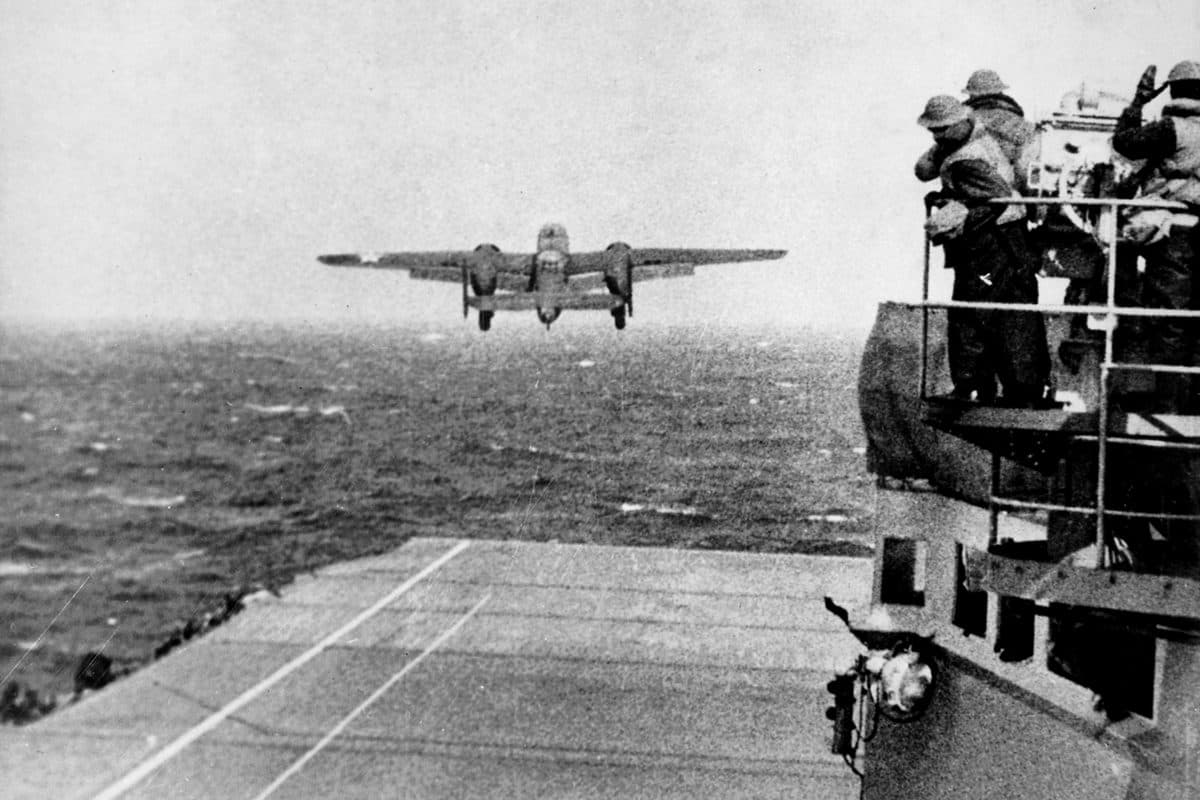
On April 18, 1942, sixteen B-25 Mitchell bombers did something no one thought possible: they launched from the deck of an aircraft carrier, flew 650 miles to Japan, and bombed Tokyo. Every aircraft was lost. The damage was negligible. The consequences changed the war.
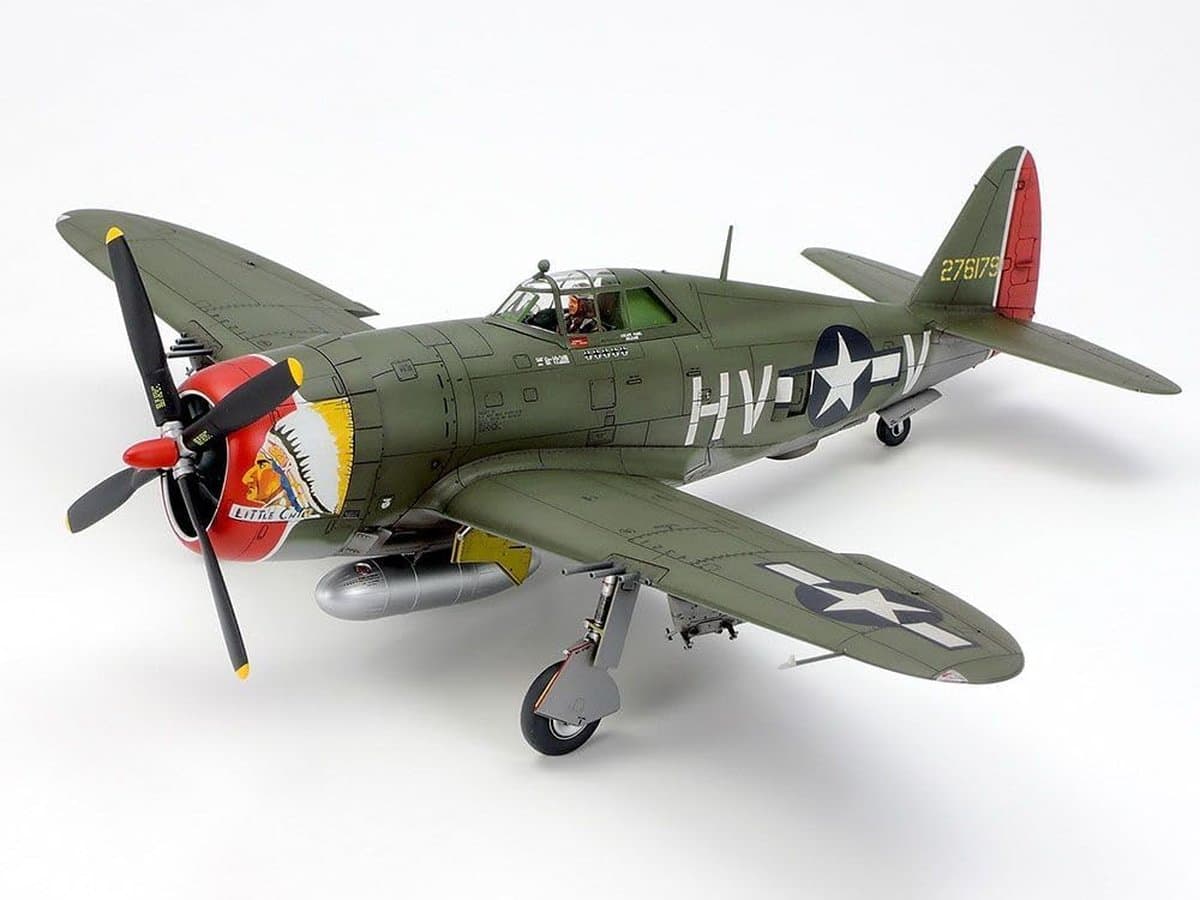
Compare 85+ WW2 scale model kits across aircraft, tanks, and ships. Beginner builds from $9 to museum-grade showpieces at $580. Covers Tamiya, Eduard, HK Models, Trumpeter, and more with honest reviews, trade-offs, and pricing.

On April 7, 1945, the Imperial Japanese Navy sent the largest battleship ever built on a one-way suicide mission to Okinawa. She never arrived. 386 American aircraft found her first, and sank her in under two hours.