

World World 2 Facts: Did You Know These 29 Interesting Details?
Calvin Graham Was Youngest Decorated US Soldier at 12 Pearl Harbor Visitors Bureau “Green Boys” was a term given to soldiers who…
daniel-mercer··27 min read

British forces under Major General James Wolfe scaled the cliffs below Quebec City at night and drew up on the Plains of Abraham outside the walls. The French garrison under the Marquis de Montcalm sallied forth to attack. The resulting battle lasted barely fifteen minutes but decided the fate of North America. Both Wolfe and Montcalm were mortally wounded. Quebec fell to the British, and with it, French dominion over Canada.
A French army under King Francis I and allied Venetian forces defeated a Swiss mercenary force in a two-day battle at Marignano, south of Milan. French combined arms of heavy cavalry, pikemen, and massed artillery overcame the Swiss pike squares that had dominated European battlefields for fifty years. The battle ended Swiss military hegemony and established French control over Milan until 1525.
British forces under Major General Wolfe defeated the French under Montcalm in a fifteen-minute battle that decided the fate of North America. Both commanders were mortally wounded.
The British fleet began a 25-hour bombardment of Fort McHenry in Baltimore Harbor during the War of 1812. American lawyer Francis Scott Key, held aboard a British ship during the attack, watched through the night. When dawn revealed the American flag still flying over the fort, Key was inspired to write "The Star-Spangled Banner," which became the U.S. national anthem.
U.S. forces under General Winfield Scott stormed the fortress of Chapultepec on the outskirts of Mexico City during the Mexican-American War. The assault, which cost over 800 American casualties, was led in part by young officers who would later command armies in the Civil War, including Ulysses S. Grant, Robert E. Lee, Thomas "Stonewall" Jackson, and George Pickett.
Corporal Barton Mitchell of the 27th Indiana Infantry discovered three cigars wrapped in a copy of Confederate Special Order 191, the detailed operational plan for Lee's Maryland Campaign. The document, dropped by an unknown staff officer near Frederick, gave General George McClellan precise information on the dispersal of Lee's army. McClellan's slow response still allowed Lee to concentrate at Sharpsburg and fight the Battle of Antietam four days later.
Fires erupted in the Armenian and Greek quarters of Smyrna four days after Turkish nationalist forces under Mustafa Kemal entered the city, capping the Greco-Turkish War. The fires consumed most of the city over four days and killed an estimated 10,000 to 100,000 people. US Navy destroyers and allied warships in the harbor evacuated approximately 250,000 Greek and Armenian civilians in a mass maritime rescue operation.
Marshal Rodolfo Graziani's Italian Tenth Army crossed the Libyan-Egyptian border with five divisions and 80 tanks, beginning the North African campaign of the Second World War. The invasion advanced 65 miles to Sidi Barrani and halted. Three months later the smaller British Western Desert Force under Richard O'Connor launched Operation Compass, destroyed ten Italian divisions, and captured 133,000 prisoners.
German Sixth Army troops under General Friedrich Paulus launched the first major infantry assault into the city of Stalingrad, beginning the most brutal urban battle of World War II. The fight for Stalingrad would rage for over five months, consuming entire divisions in savage house-to-house combat. The eventual Soviet encirclement and destruction of the Sixth Army marked the turning point of the war on the Eastern Front.
WWII FactsGeneralissimo Chiang Kai-shek became President of the Republic of China while simultaneously serving as Supreme Commander of Chinese forces in the war against Japan. His complex relationship with American military advisors, particularly General Joseph Stilwell, would define the fraught Sino-American wartime alliance.
Israeli Prime Minister Yitzhak Rabin and PLO Chairman Yasser Arafat signed the Oslo Accords on the White House lawn, establishing a framework for Palestinian self-governance and mutual recognition. The accords were witnessed by President Clinton and represented the closest the Israeli-Palestinian conflict came to resolution. Rabin, a decorated military hero, was assassinated by an Israeli extremist two years later.

General of the Armies
Commander of the American Expeditionary Forces in World War I and the only American officer to hold the rank of General of the Armies during his lifetime. Pershing insisted on fighting the AEF as an independent force and led it to victory at Saint-Mihiel and the Meuse-Argonne. He mentored virtually every senior American commander of World War II.

Major
U.S. Army physician who led the research team that confirmed yellow fever was transmitted by mosquitoes, not contaminated clothing. His discovery saved thousands of military lives and enabled the construction of the Panama Canal. Walter Reed Army Medical Center was named in his honor.

Lieutenant General
French commander who led the defense of Quebec at the Battle of the Plains of Abraham. Montcalm was struck by grapeshot during the retreat and died the following morning. When told he had only hours to live, he reportedly replied: "So much the better. I am happy that I shall not live to see the surrender of Quebec."
Wear the Timeline
10 military events occurred on September 13, spanning multiple centuries. Key events include: Battle of the Plains of Abraham, Fall of Quebec (1759), Battle of Baltimore / Bombardment of Fort McHenry Begins (1814), Battle of Chapultepec, "The Halls of Montezuma" (1847), Battle of Stalingrad, Assault on the City Begins (1942), Union Soldiers Find Lee's Special Order 191 (1862).
The most significant military event on September 13 is Battle of the Plains of Abraham, Fall of Quebec (1759). British forces under Major General James Wolfe scaled the cliffs below Quebec City at night and drew up on the Plains of Abraham outside the walls. The French garrison under the Marquis de Montcalm sallied forth to attack. The resulting battle lasted barely fifteen minutes but decided the fate of North America. Both Wolfe and Montcalm were mortally wounded. Quebec fell to the British, and with it, French dominion over Canada.
Notable military figures born on September 13 include John J. Pershing (1860–1948), Walter Reed (1851–1902).
Events on September 13 span the Colonial & Revolutionary era, the Civil War, World War II, the Modern Era, World War I, covering 10 events across 4 centuries of military history.
Events on September 13 involve 4 branches of the U.S. and allied armed forces, reflecting the global scope of military operations throughout history.
Explore military history from the day you were born.
June 6
The Allied invasion of Normandy, the largest amphibious assault in history.
December 7
Japan attacks the U.S. Pacific Fleet, bringing America into World War II.
September 11
The deadliest terrorist attack in history transforms U.S. national security.
August 6
The first atomic bomb is dropped on a city, ushering in the nuclear age.
May 8
Nazi Germany surrenders unconditionally, ending World War II in Europe.
November 11
Armistice Day marks the end of World War I and honors all who served.
June 4
The turning point of the Pacific War as the U.S. Navy destroys four Japanese carriers.
July 4
The Declaration of Independence is adopted, sparking the American Revolution.
Calvin Graham Was Youngest Decorated US Soldier at 12 Pearl Harbor Visitors Bureau “Green Boys” was a term given to soldiers who…
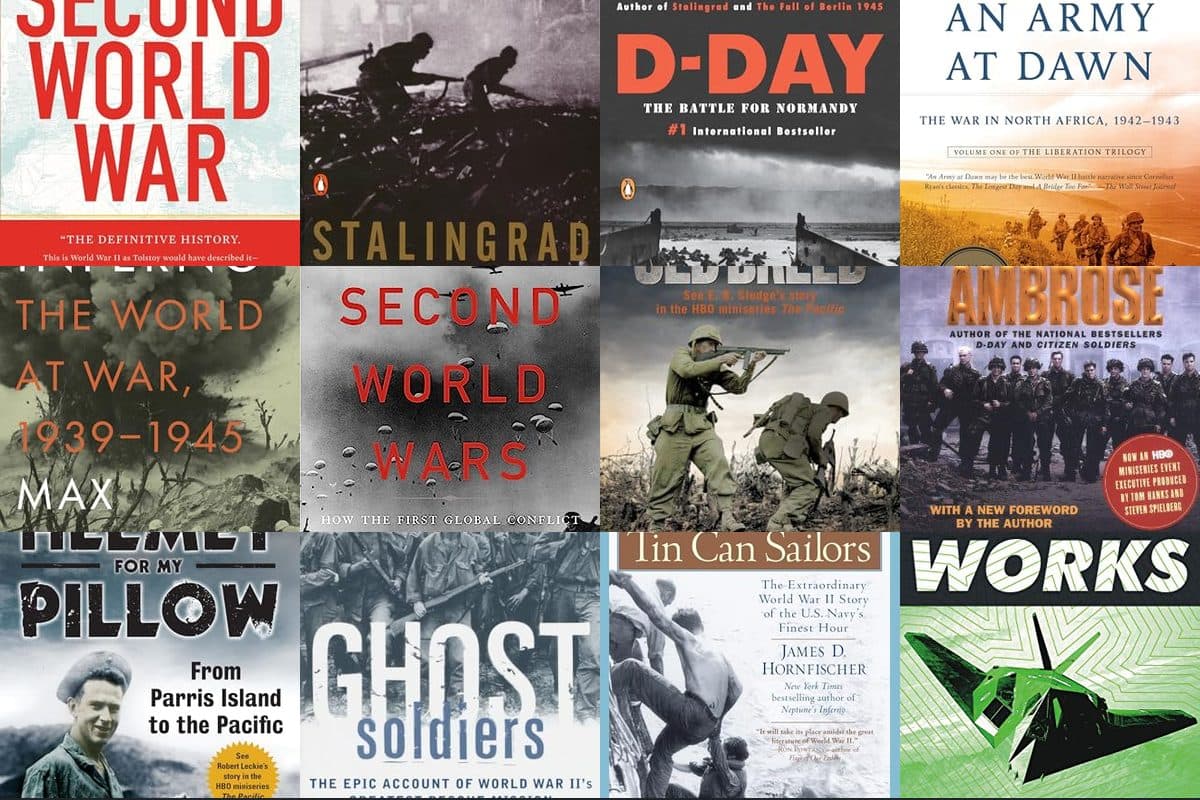
15 essential WW2 books covering every theater. Narrative histories, memoirs, and visual references ranked.
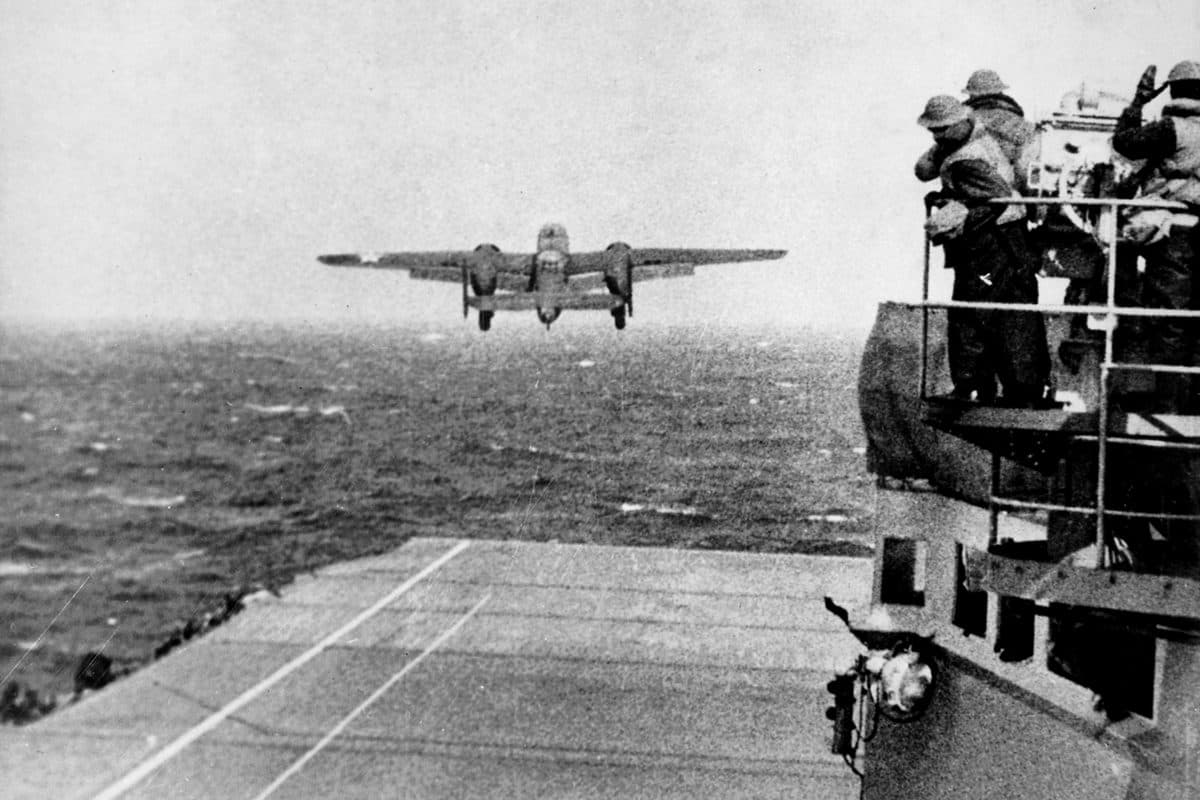
On April 18, 1942, sixteen B-25 Mitchell bombers did something no one thought possible: they launched from the deck of an aircraft carrier, flew 650 miles to Japan, and bombed Tokyo. Every aircraft was lost. The damage was negligible. The consequences changed the war.
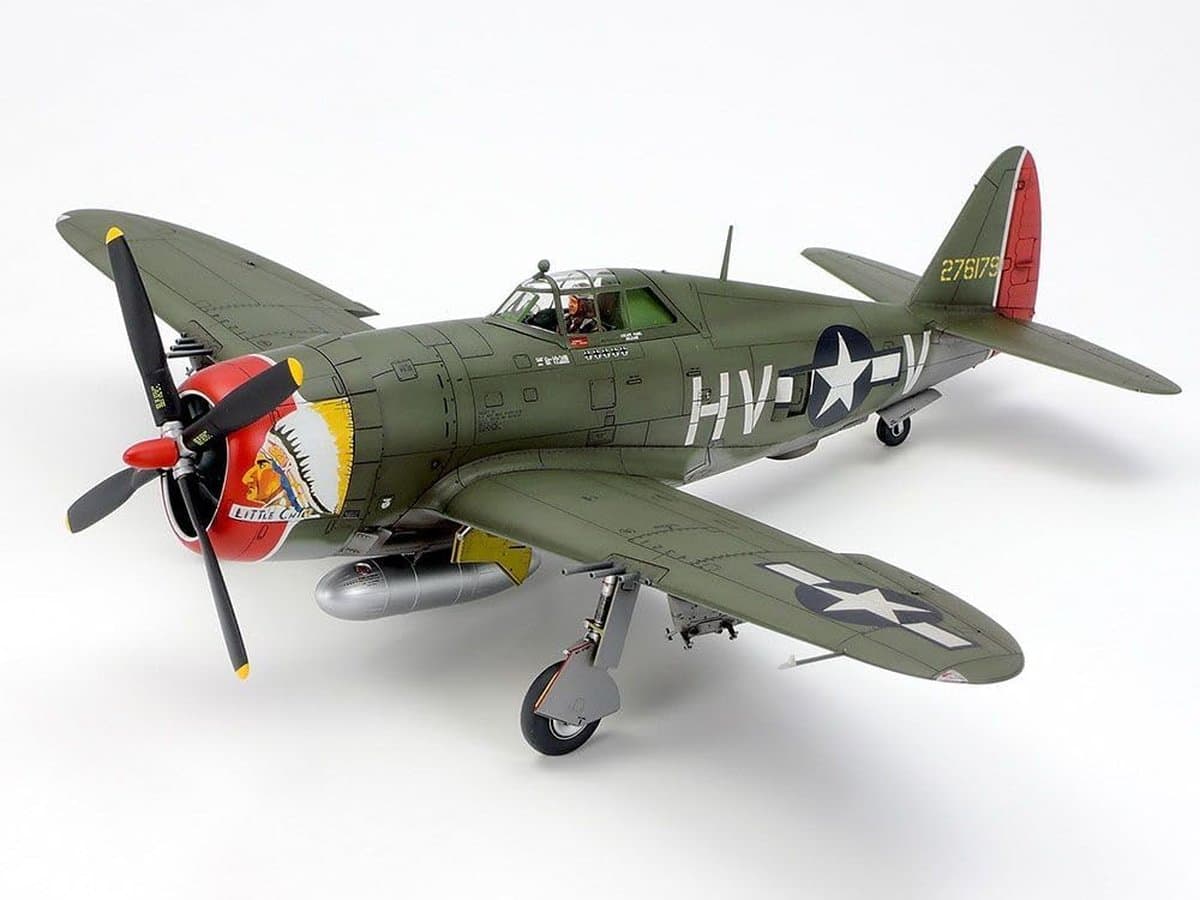
Compare 85+ WW2 scale model kits across aircraft, tanks, and ships. Beginner builds from $9 to museum-grade showpieces at $580. Covers Tamiya, Eduard, HK Models, Trumpeter, and more with honest reviews, trade-offs, and pricing.