

15 Best World War II Books for History Enthusiasts (2026)
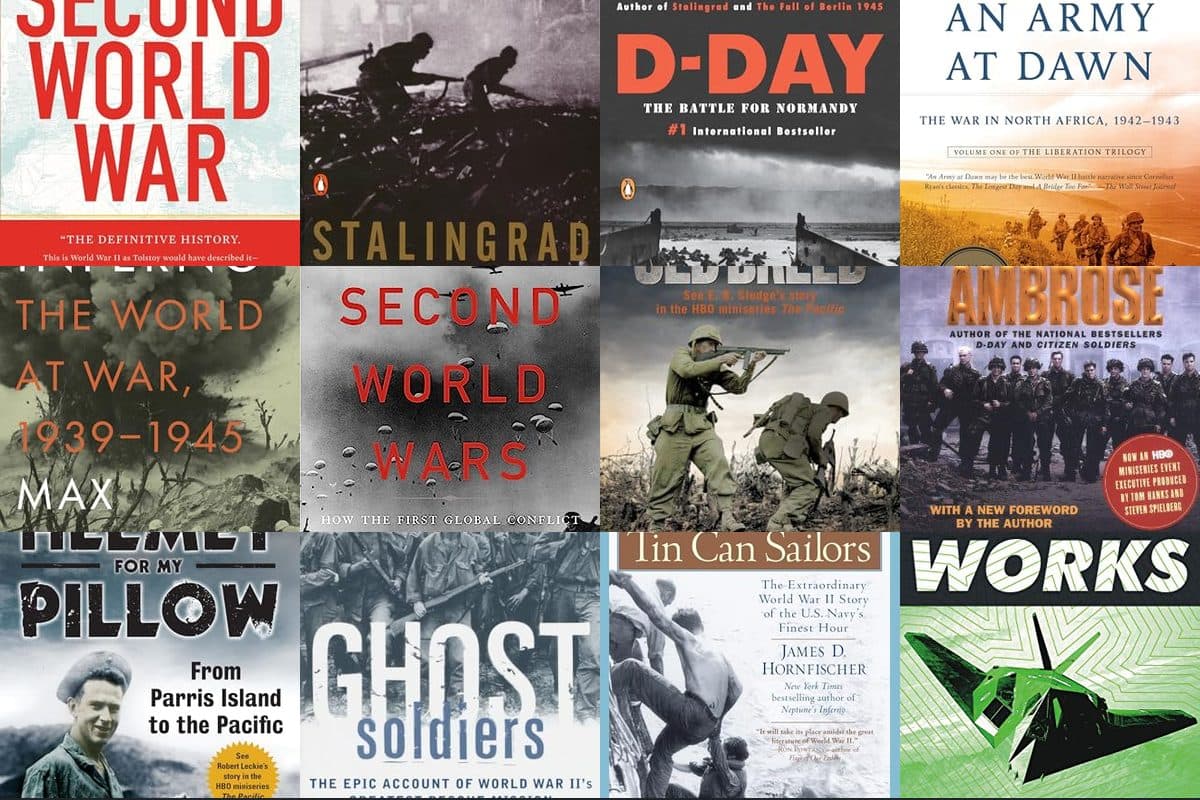
15 essential WW2 books covering every theater. Narrative histories, memoirs, and visual references ranked.
daniel-mercer··21 min read

After 25 hours of continuous bombardment by the British fleet, the garrison of Fort McHenry in Baltimore Harbor raised a massive 30-by-42-foot American flag visible for miles. The sight of the flag still flying at dawn inspired prisoner Francis Scott Key to write "Defence of Fort M'Henry," the poem that became "The Star-Spangled Banner" and the U.S. national anthem.
Napoleon's Grande Armée entered Moscow, only to find the city largely abandoned and deliberately set ablaze by Russian forces. The great fire of Moscow destroyed three-quarters of the city over four days, denying Napoleon shelter and supplies. With Tsar Alexander refusing to negotiate, Napoleon was forced to begin his catastrophic retreat on October 19, during which the Grande Armée was destroyed by cold, hunger, and Cossack attacks.
Russia and the Ottoman Empire signed the Treaty of Adrianople, ending the 1828-1829 Russo-Turkish War. The treaty gave Russia territory on the Danube delta and the eastern Black Sea coast, autonomy for the Danubian Principalities and Serbia, and enforced the Treaty of London that granted Greek independence. It was a major strategic defeat for the Ottoman Empire and accelerated the process that produced the Balkan nation states.
Union forces attacked Confederate defenders holding the gaps of South Mountain in Maryland, a critical prelude to the Battle of Antietam three days later. The Union victory forced Lee to concentrate his divided army at Sharpsburg. The fighting cost over 4,000 casualties on each side.
Vice President Theodore Roosevelt took the oath of office as the 26th President following the death of William McKinley from an assassin's bullet. Roosevelt, a Medal of Honor recipient for his charge at San Juan Hill during the Spanish-American War, would become one of the most militarily significant presidents in American history, building the Great White Fleet and asserting American power globally.
The Russian Provisional Government under Prime Minister Alexander Kerensky formally proclaimed Russia a republic, abolishing the Romanov monarchy that had ruled since 1613. The decision came after the failed Kornilov coup and against the backdrop of a collapsing eastern front. The republic lasted seven weeks before the Bolshevik seizure of power on October 25 in the Russian calendar, November 7 Gregorian.
The 1st Marine Division landed on the tiny Pacific island of Peleliu in what was expected to be a three-day operation. Instead, the battle lasted over two months as Japanese forces under Colonel Kunio Nakagawa fought from an elaborate system of caves and tunnels in the island's coral ridges. Peleliu cost 1,794 American dead and nearly 8,000 wounded, losses that prompted debate over whether the island was worth taking.
The Soviet Luna 2 probe, launched two days earlier from Baikonur, crashed into the Mare Imbrium region of the Moon at roughly 7,500 miles per hour. It was the first human-made object to reach the surface of another celestial body. The mission delivered Soviet pennants to the lunar surface and gave the USSR another in a string of spaceflight firsts that shaped American perceptions of the ballistic missile gap.
Bashir Gemayel, the Lebanese Forces militia leader elected President of Lebanon three weeks earlier, was killed when a bomb destroyed the Phalange party headquarters in Beirut. Twenty-six people died in the blast, including senior Phalange officials. The assassination triggered the Israeli occupation of West Beirut and set the conditions for the Sabra and Shatila massacre two days later.

Prussian naturalist and explorer whose scientific expeditions to the Americas produced maps and geographic knowledge used by military planners throughout the nineteenth century. His detailed surveys of South American terrain were used by both sides in the wars of independence from Spain.

American activist and nurse whose birth control advocacy movement had significant military implications. During both World Wars, the military grappled with venereal disease and unwanted pregnancies among service members, and her work influenced military health policies.

Field Marshal
Arthur Wellesley, 1st Duke of Wellington, the British commander who defeated Napoleon at Waterloo in 1815. One of the most successful military commanders in British history, he served as Prime Minister and remained Commander-in-Chief of the British Army until his death.
Wear the Timeline
10 military events occurred on September 14, spanning multiple centuries. Key events include: Star-Spangled Banner, Fort McHenry Withstands British Bombardment (1814), Napoleon Enters Moscow (1812), Theodore Roosevelt Becomes President (1901), Battle of Peleliu Begins (1944), Congress Authorizes Use of Military Force (2001).
The most significant military event on September 14 is Star-Spangled Banner, Fort McHenry Withstands British Bombardment (1814). After 25 hours of continuous bombardment by the British fleet, the garrison of Fort McHenry in Baltimore Harbor raised a massive 30-by-42-foot American flag visible for miles. The sight of the flag still flying at dawn inspired prisoner Francis Scott Key to write "Defence of Fort M'Henry," the poem that became "The Star-Spangled Banner" and the U.S. national anthem.
Notable military figures born on September 14 include Alexander von Humboldt (1769–1859), Margaret Sanger (1879–1966).
Events on September 14 span the Colonial & Revolutionary era, the Civil War, the Interwar Period, World War II, the Modern Era, the Cold War, World War I, covering 10 events across 3 centuries of military history.
Events on September 14 involve 4 branches of the U.S. and allied armed forces, reflecting the global scope of military operations throughout history.
Explore military history from the day you were born.
June 6
The Allied invasion of Normandy, the largest amphibious assault in history.
December 7
Japan attacks the U.S. Pacific Fleet, bringing America into World War II.
September 11
The deadliest terrorist attack in history transforms U.S. national security.
August 6
The first atomic bomb is dropped on a city, ushering in the nuclear age.
May 8
Nazi Germany surrenders unconditionally, ending World War II in Europe.
November 11
Armistice Day marks the end of World War I and honors all who served.
June 4
The turning point of the Pacific War as the U.S. Navy destroys four Japanese carriers.
July 4
The Declaration of Independence is adopted, sparking the American Revolution.
15 essential WW2 books covering every theater. Narrative histories, memoirs, and visual references ranked.
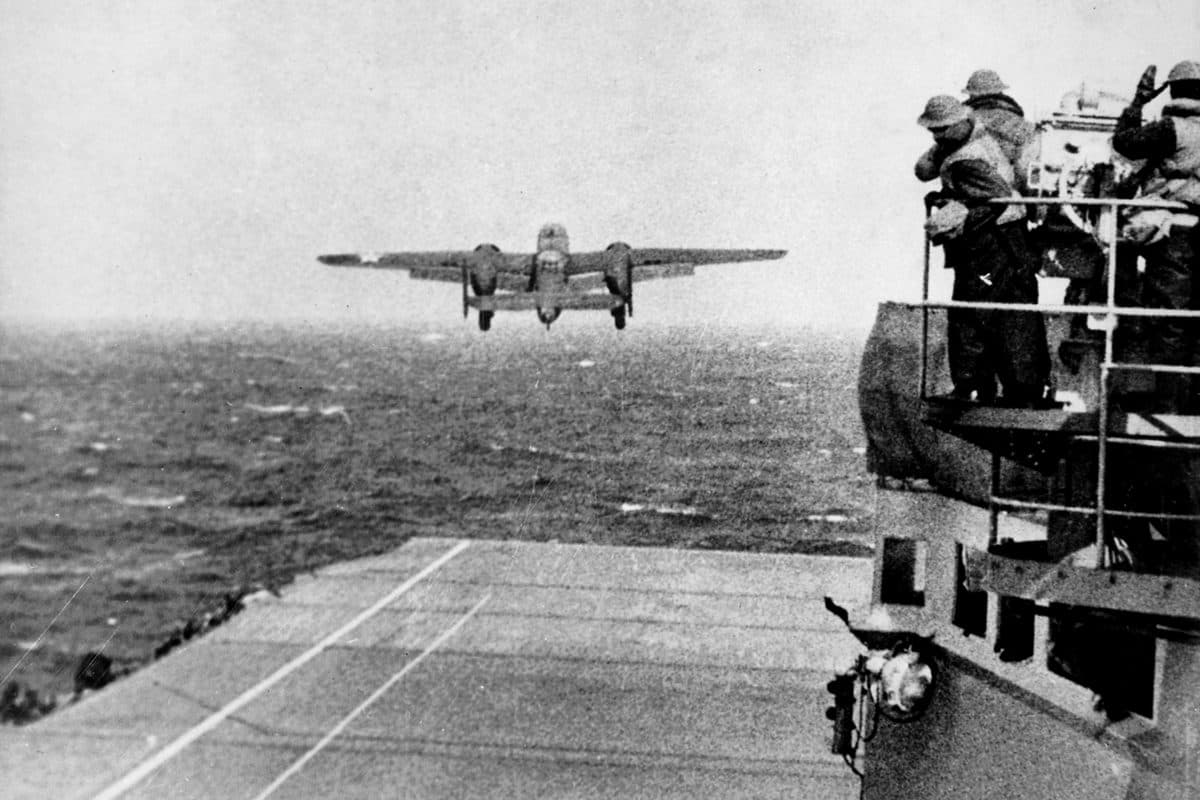
On April 18, 1942, sixteen B-25 Mitchell bombers did something no one thought possible: they launched from the deck of an aircraft carrier, flew 650 miles to Japan, and bombed Tokyo. Every aircraft was lost. The damage was negligible. The consequences changed the war.
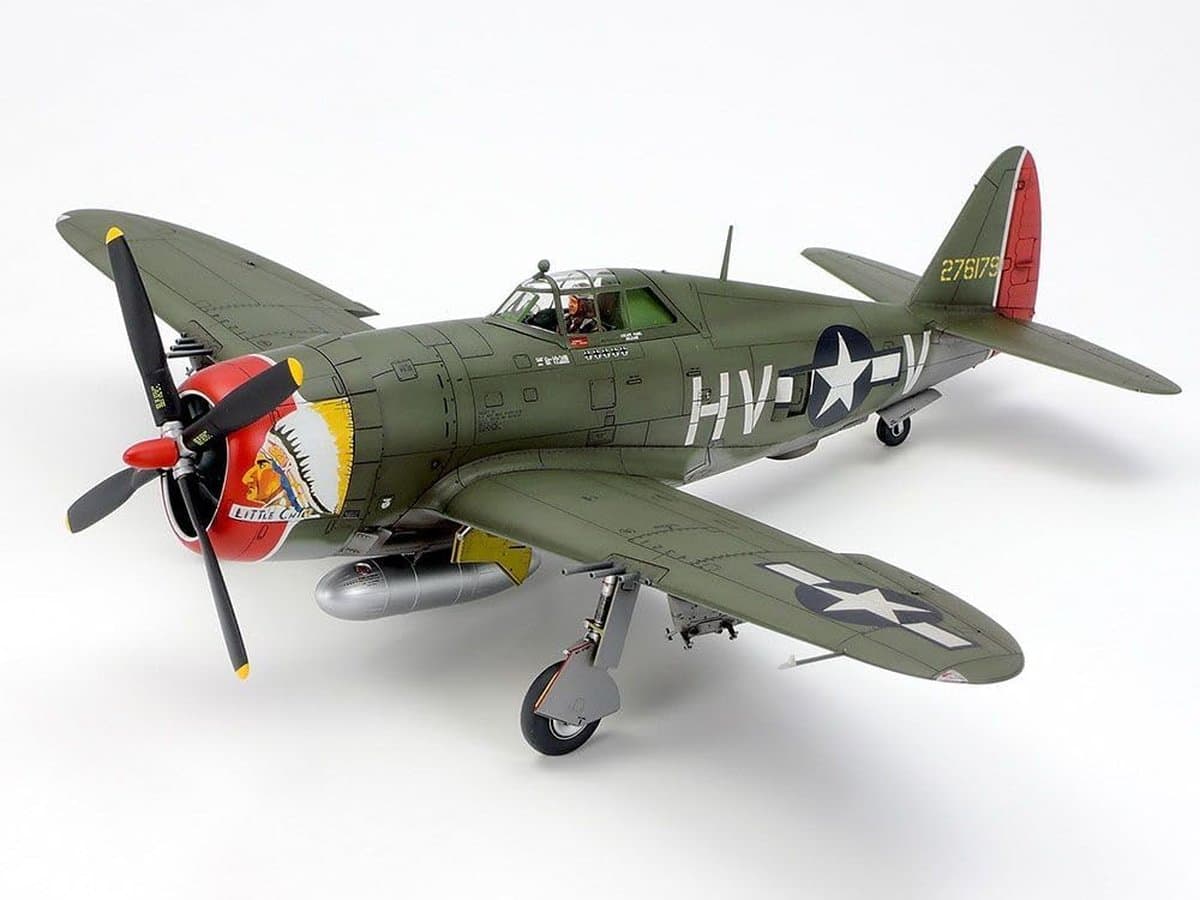
Compare 85+ WW2 scale model kits across aircraft, tanks, and ships. Beginner builds from $9 to museum-grade showpieces at $580. Covers Tamiya, Eduard, HK Models, Trumpeter, and more with honest reviews, trade-offs, and pricing.

On April 7, 1945, the Imperial Japanese Navy sent the largest battleship ever built on a one-way suicide mission to Okinawa. She never arrived. 386 American aircraft found her first, and sank her in under two hours.