


Top Aircraft Of The Korean War
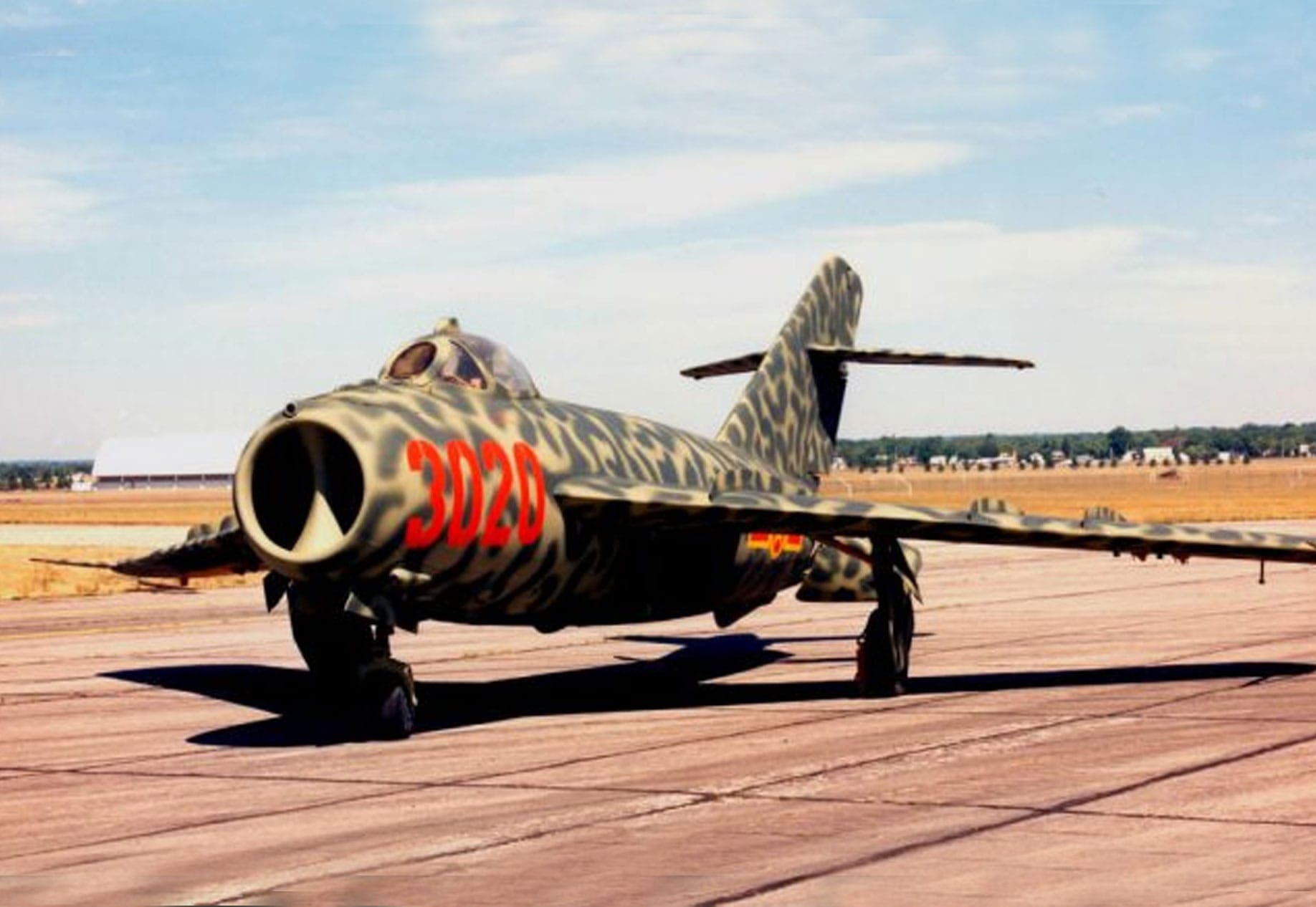
North American F-28 Twin Mustang US Air Force The F-28 Twin Mustang was one of the top Korean War aircraft from the very beginning….
ryan-caldwell··10 min read

General Douglas MacArthur launched Operation Chromite, an audacious amphibious assault at the port of Inchon on the west coast of Korea, 150 miles behind North Korean lines. The landing, which military planners had rated a 5,000-to-1 chance, achieved complete tactical surprise. Within two weeks, the North Korean army besieging the Pusan Perimeter was in full retreat, and Seoul was liberated.
Korean War AircraftBritish forces under General William Howe landed at Kip's Bay on Manhattan Island and routed the defending Connecticut militia. Washington's Continental Army evacuated most of its troops to Harlem Heights, but the loss of New York City was a devastating blow. The British would hold the city for the remainder of the war, using it as their primary base of operations.
Confederate forces under Stonewall Jackson captured the US Army garrison at Harpers Ferry, Virginia, taking 12,500 Union soldiers prisoner in the largest US military surrender of the nineteenth century. The captured troops were paroled and released, but 13,000 small arms, 73 artillery pieces, and substantial stores were sent south. Jackson then marched to rejoin Lee at Sharpsburg, arriving in time for the Battle of Antietam.
A Japanese naval squadron under Admiral Ito Sukeyuki decisively defeated the Chinese Beiyang Fleet at the mouth of the Yalu River during the First Sino-Japanese War. The engagement was the largest naval battle since Trafalgar and the first fought between steam-powered steel warships. Japanese gunnery, training, and rapid-fire guns overcame the Chinese heavy battleships, establishing Japanese control of the Yellow Sea and enabling the advance on Port Arthur and Weihaiwei.
German, French, and British forces clashed along the Aisne River as the German retreat from the Marne halted at prepared positions on the heights north of the river. The five-day engagement produced the first true trench stalemate of the Western Front. Both sides began constructing the continuous trench line that would extend from the Channel to the Swiss border and define the war for three and a half years.
British Mark I tanks went into action for the first time at the Battle of Flers-Courcelette during the Somme offensive. Of the 49 tanks committed, only 32 reached the start line, and many broke down or became stuck in the mud. Despite their mechanical unreliability, the tanks terrified German defenders and advanced up to a mile in places, demonstrating the potential of armored warfare.
Evolution of TanksThe Nazi regime enacted the Nuremberg Laws at the annual party rally, stripping German Jews of their citizenship and prohibiting marriage or sexual relations between Jews and non-Jews. The laws provided the pseudo-legal framework for the escalating persecution that would culminate in the Holocaust and influenced military policies regarding who could serve in the Wehrmacht.
The Royal Air Force inflicted devastating losses on the Luftwaffe over London, shooting down 56 German aircraft while losing 29 of their own. The scale of the RAF's victory demonstrated that Fighter Command had not been broken and that German air superiority, the prerequisite for invasion, was unachievable. Two days later, Hitler postponed Operation Sea Lion indefinitely.
The Supermarine SpitfireUS forces executed two simultaneous amphibious landings in the Pacific: MacArthur's Southwest Pacific Area forces landed on Morotai in the Dutch East Indies, and Nimitz's Central Pacific forces under Halsey landed at Peleliu in the Palau Islands. Morotai was lightly defended and became an airfield base for the liberation of the Philippines. Peleliu became one of the costliest battles of the Pacific War.
General MacArthur launched Operation Chromite, an audacious amphibious assault at Inchon, 150 miles behind North Korean lines. The landing achieved complete tactical surprise and transformed the Korean War overnight.
Korean War AircraftThe collapse of Lehman Brothers triggered the global financial crisis that would eventually lead to significant cuts in defense spending worldwide. The resulting sequestration and austerity measures forced the U.S. military to reduce its force structure, delay modernization programs, and scale back training, effects that military leaders warned would take years to reverse.

The 27th President of the United States who oversaw the expansion of American military presence in the Philippines and Latin America through "Dollar Diplomacy." He later served as Chief Justice of the Supreme Court, the only person to hold both offices.

American novelist who served briefly in the U.S. Navy and drew on that experience for his naval fiction. His "Leatherstocking Tales," featuring the frontier scout Natty Bumppo, shaped American understanding of the frontier wars and military life on the colonial border.

General
Mexican general and president who served with distinction in the Battle of Puebla (Cinco de Mayo, 1862) against the French before seizing power in a coup. He ruled Mexico for 35 years before being overthrown in the Mexican Revolution of 1910.
Wear the Timeline
10 military events occurred on September 15, spanning multiple centuries. Key events include: Battle of Inchon, MacArthur's Masterstroke (1950), British Capture New York City (1776), First Use of Tanks in Combat, Battle of the Somme (1916), Battle of Britain Day, RAF's Decisive Victory (1940).
The most significant military event on September 15 is Battle of Inchon, MacArthur's Masterstroke (1950). General Douglas MacArthur launched Operation Chromite, an audacious amphibious assault at the port of Inchon on the west coast of Korea, 150 miles behind North Korean lines. The landing, which military planners had rated a 5,000-to-1 chance, achieved complete tactical surprise. Within two weeks, the North Korean army besieging the Pusan Perimeter was in full retreat, and Seoul was liberated.
Notable military figures born on September 15 include William Howard Taft (1857–1930), James Fenimore Cooper (1789–1851).
Events on September 15 span the Korean War, the Colonial & Revolutionary era, World War I, the Interwar Period, World War II, the Modern Era, the Civil War, covering 10 events across 4 centuries of military history.
Events on September 15 involve 5 branches of the U.S. and allied armed forces, reflecting the global scope of military operations throughout history.
Explore military history from the day you were born.
June 6
The Allied invasion of Normandy, the largest amphibious assault in history.
December 7
Japan attacks the U.S. Pacific Fleet, bringing America into World War II.
September 11
The deadliest terrorist attack in history transforms U.S. national security.
August 6
The first atomic bomb is dropped on a city, ushering in the nuclear age.
May 8
Nazi Germany surrenders unconditionally, ending World War II in Europe.
November 11
Armistice Day marks the end of World War I and honors all who served.
June 4
The turning point of the Pacific War as the U.S. Navy destroys four Japanese carriers.
July 4
The Declaration of Independence is adopted, sparking the American Revolution.
North American F-28 Twin Mustang US Air Force The F-28 Twin Mustang was one of the top Korean War aircraft from the very beginning….
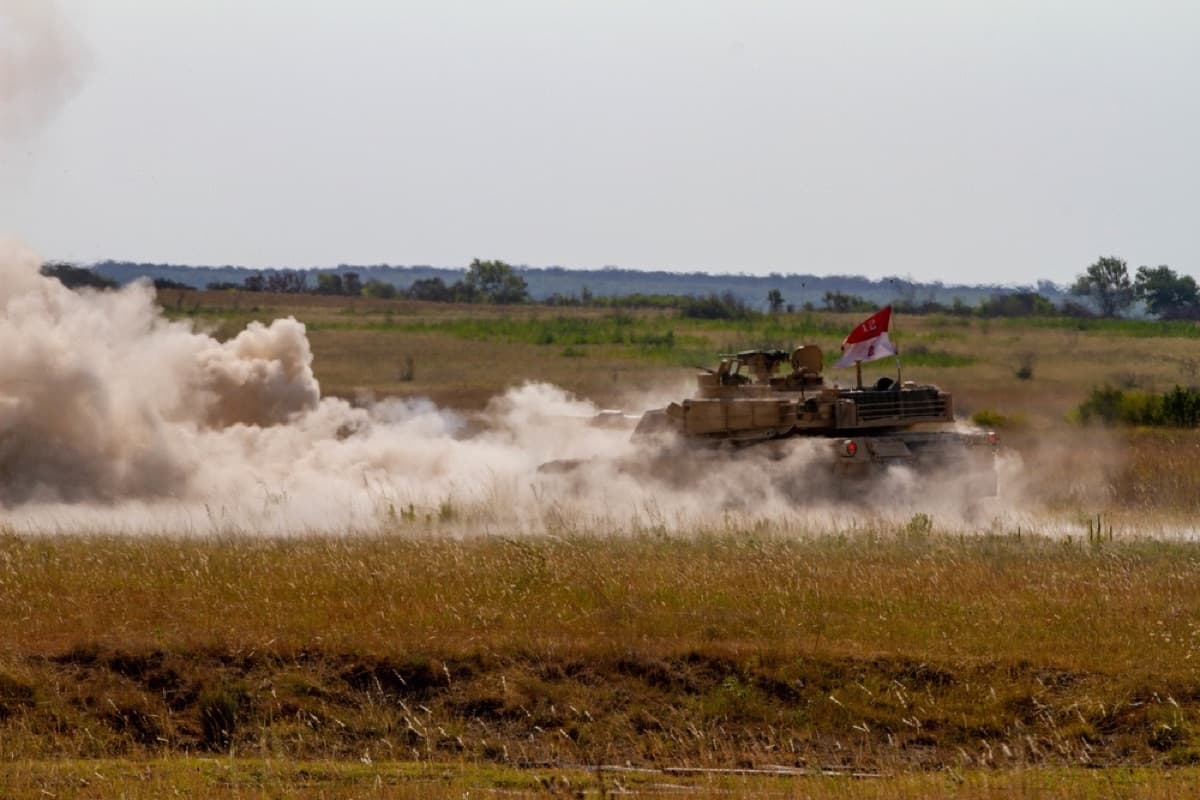
The Evolution of Modern Armor: How Tanks Changed Warfare from World War I to Today For more than a century, the tank has been one of the most powerful…
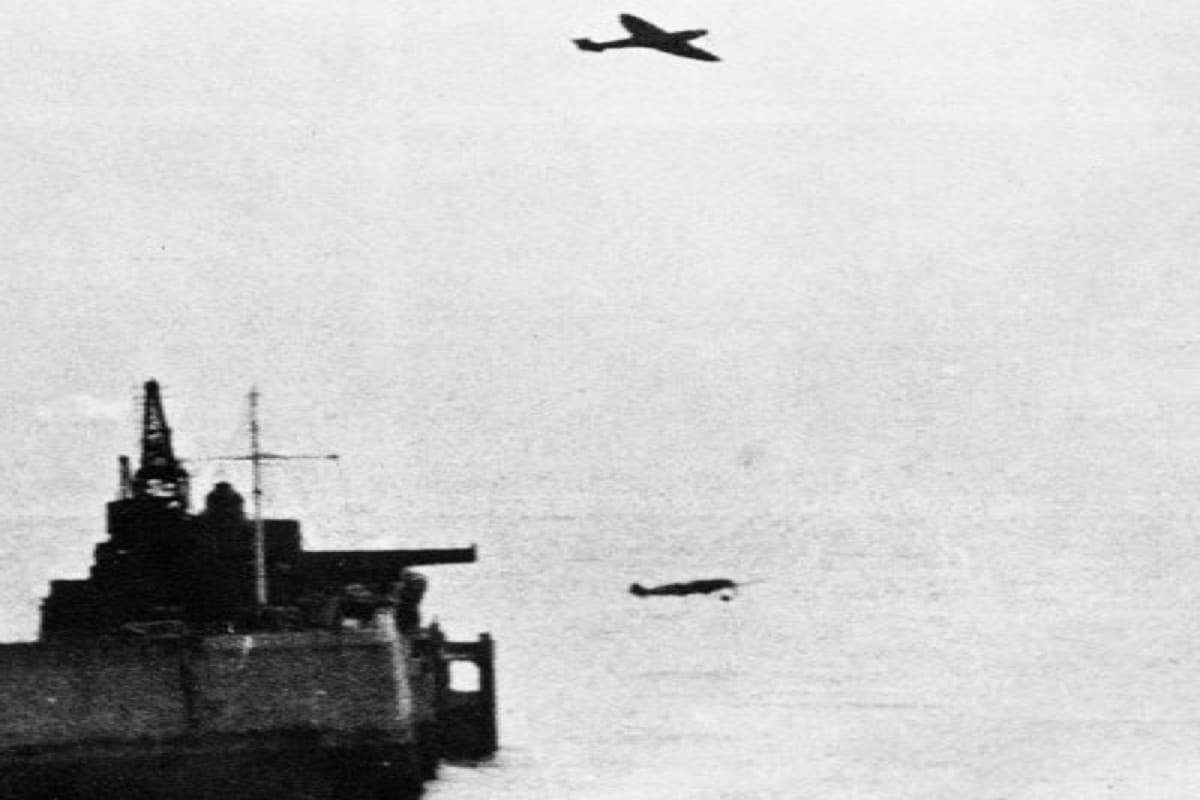
The Spitfire is more than just the most iconic fighter in British history. In the bleak days early days of WWII when the UK stood alone against the Nazi’s, the…
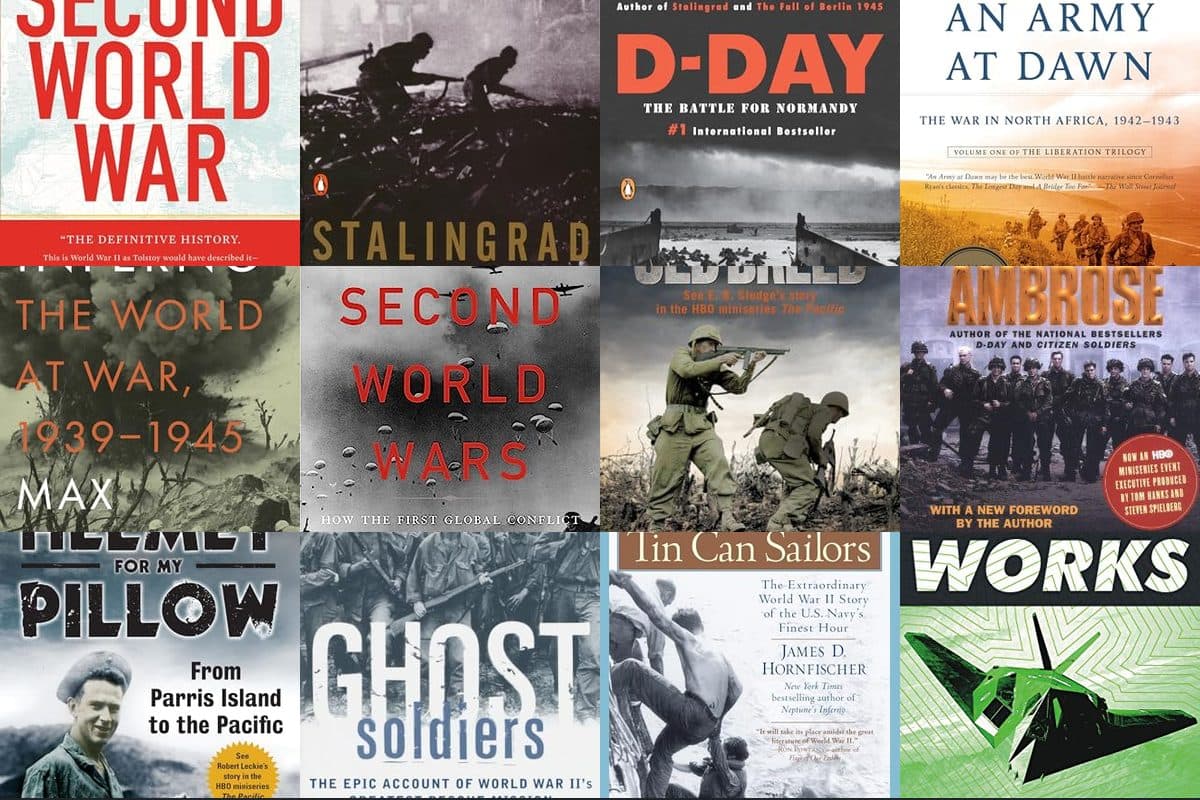
15 essential WW2 books covering every theater. Narrative histories, memoirs, and visual references ranked.