

Top Aircraft Of The Korean War
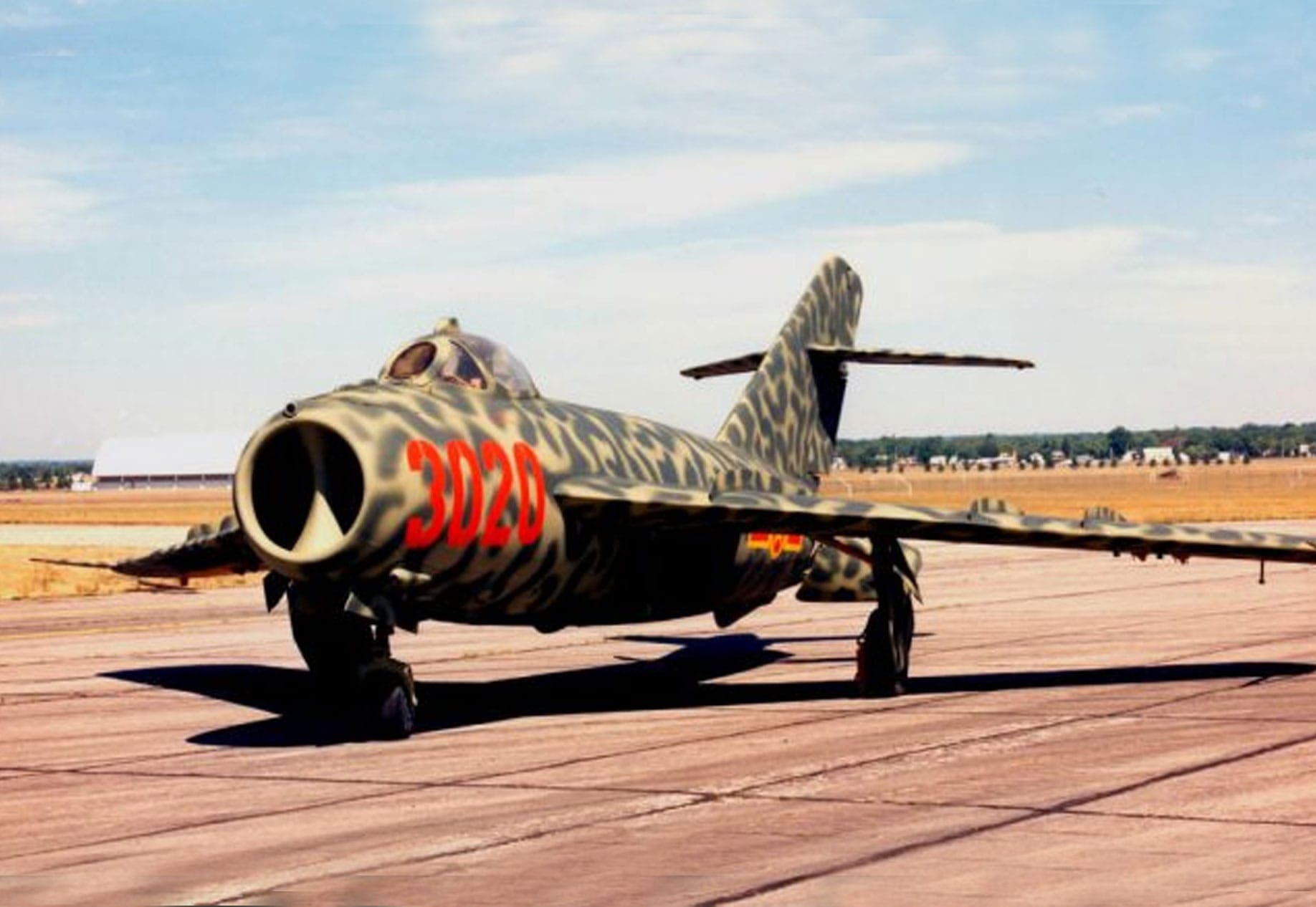
North American F-28 Twin Mustang US Air Force The F-28 Twin Mustang was one of the top Korean War aircraft from the very beginning….
ryan-caldwell··10 min read
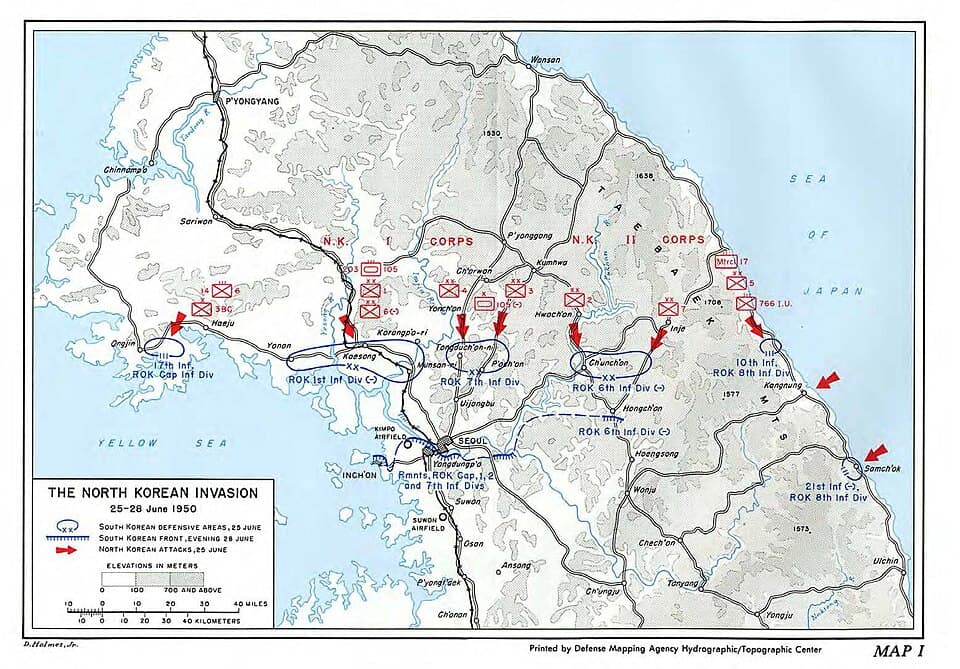
Chinese People's Volunteer Army and North Korean forces captured Seoul for the third time in the Korean War, forcing the United Nations Command into a hasty withdrawal. The fall of the South Korean capital, just six months after its liberation by UN forces following the Inchon landings, was a humiliating blow and the lowest point of the war for the Western allies.
Great Britain, France, and the Dutch Republic signed the Triple Alliance at The Hague, forming a mutual defense pact designed to uphold the Peace of Utrecht and check the ambitions of Bourbon Spain. The treaty committed each signatory to provide specific military forces in the event of an attack on any member.
Samuel Colt received his first U.S. government contract for 1,000 Walker revolvers, designed in collaboration with Texas Ranger Captain Samuel Walker. The powerful six-shot revolver revolutionized cavalry warfare and gave American soldiers a decisive firepower advantage over adversaries armed with single-shot weapons. The contract saved Colt's failing business and launched the mass production of firearms that would transform warfare.
Four companies of Alabama state militia, acting on orders from Governor Andrew B. Moore, seized the U.S. Arsenal at Mount Vernon, Alabama, capturing a substantial cache of federal weapons and ammunition without firing a shot. The seizure came a full week before Alabama's formal secession from the Union.
While not a military event, the public electrocution of Topsy the elephant at Coney Island demonstrated the power of alternating current in the "War of Currents" between Thomas Edison and George Westinghouse. The AC power system that won this commercial battle would become essential to military industrialization, powering the factories that produced weapons, ships, and aircraft for two world wars.
Allied commanders finalized plans for Operation Shingle, the amphibious landing at Anzio behind German lines in Italy, scheduled for January 22. Winston Churchill championed the bold plan to break the stalemate at the Gustav Line, but insufficient forces and cautious leadership would lead to a four-month beachhead siege that became one of the most controversial operations of the Italian Campaign.
The U.S. Army Air Forces launched Operation Carpetbagger, the first American covert aerial resupply missions to resistance fighters across occupied Europe. Flying modified B-24 Liberators from RAF Tempsford, crews made nighttime drops of weapons, radios, and agents to partisan groups in France, Belgium, the Netherlands, and Norway.
Burma formally gained independence from Britain, and the new Burma Army assumed responsibility for internal security with roughly 15,000 soldiers inherited from the wartime Burma Rifles and British Indian units. Within weeks the fledgling force was fighting communist and Karen insurgents, beginning a counterinsurgency campaign that would shape Southeast Asian military doctrine for decades.
Chinese People's Volunteer Army and North Korean forces captured Seoul for the third time in the Korean War, forcing the UN Command into a hasty withdrawal. The fall of the South Korean capital was the lowest point of the war for Western allies.
Korean War AircraftPresident Lyndon Johnson delivered his State of the Union address, outlining his Great Society domestic agenda while simultaneously escalating American military involvement in Vietnam. The tension between Johnson's ambitious domestic programs and the growing costs of the Vietnam War would define his presidency and ultimately destroy it.
Panamanian dictator Manuel Noriega surrendered to U.S. forces after spending ten days sheltering in the Vatican embassy in Panama City. Operation Just Cause, launched on December 20, 1989, had been the largest American military operation since Vietnam. Noriega's surrender ended the crisis and he was flown to Miami to face drug trafficking charges.

Field Marshal
British cavalry commander who captured Jerusalem in December 1917 and won the decisive Battle of Megiddo in September 1918, destroying the Ottoman Army in Palestine. Allenby's campaigns in the Middle East, conducted with T.E. Lawrence's Arab forces, were among the most successful of World War I.

OSS operative who parachuted behind enemy lines in France and Norway during World War II, later became CIA Director from 1973 to 1976. Colby oversaw the controversial Phoenix Program in Vietnam and was forced to reveal CIA domestic spying operations to Congress during the Church Committee hearings.

Major General
Union cavalry commander who led Grierson's Raid during the Vicksburg Campaign, a 600-mile ride through the heart of Mississippi that distracted Confederate forces and helped enable Grant's crossing of the Mississippi River. Despite hating horses, Grierson became one of the most effective cavalry leaders of the Civil War.
Wear the Timeline
10 military events occurred on January 4, spanning multiple centuries. Key events include: Chinese and North Korean Forces Capture Seoul (1951), Samuel Colt Sells First Revolvers to the U.S. Government (1847), Noriega Surrenders to U.S. Forces in Panama (1990), Operation Carpetbagger Begins, USAAF Airdrops to European Resistance (1944).
The most significant military event on January 4 is Chinese and North Korean Forces Capture Seoul (1951). Chinese People's Volunteer Army and North Korean forces captured Seoul for the third time in the Korean War, forcing the United Nations Command into a hasty withdrawal. The fall of the South Korean capital, just six months after its liberation by UN forces following the Inchon landings, was a humiliating blow and the lowest point of the war for the Western allies.
Notable military figures born on January 4 include Edmund Allenby (1861–1936), William Colby (1920–1996).
Events on January 4 span the Korean War, the Interwar Period, World War II, the Vietnam War, the Modern Era, the Civil War, the Colonial & Revolutionary era, the Cold War, covering 10 events across 3 centuries of military history.
Events on January 4 involve 4 branches of the U.S. and allied armed forces, reflecting the global scope of military operations throughout history.
Explore military history from the day you were born.
June 6
The Allied invasion of Normandy, the largest amphibious assault in history.
December 7
Japan attacks the U.S. Pacific Fleet, bringing America into World War II.
September 11
The deadliest terrorist attack in history transforms U.S. national security.
August 6
The first atomic bomb is dropped on a city, ushering in the nuclear age.
May 8
Nazi Germany surrenders unconditionally, ending World War II in Europe.
November 11
Armistice Day marks the end of World War I and honors all who served.
June 4
The turning point of the Pacific War as the U.S. Navy destroys four Japanese carriers.
July 4
The Declaration of Independence is adopted, sparking the American Revolution.
North American F-28 Twin Mustang US Air Force The F-28 Twin Mustang was one of the top Korean War aircraft from the very beginning….
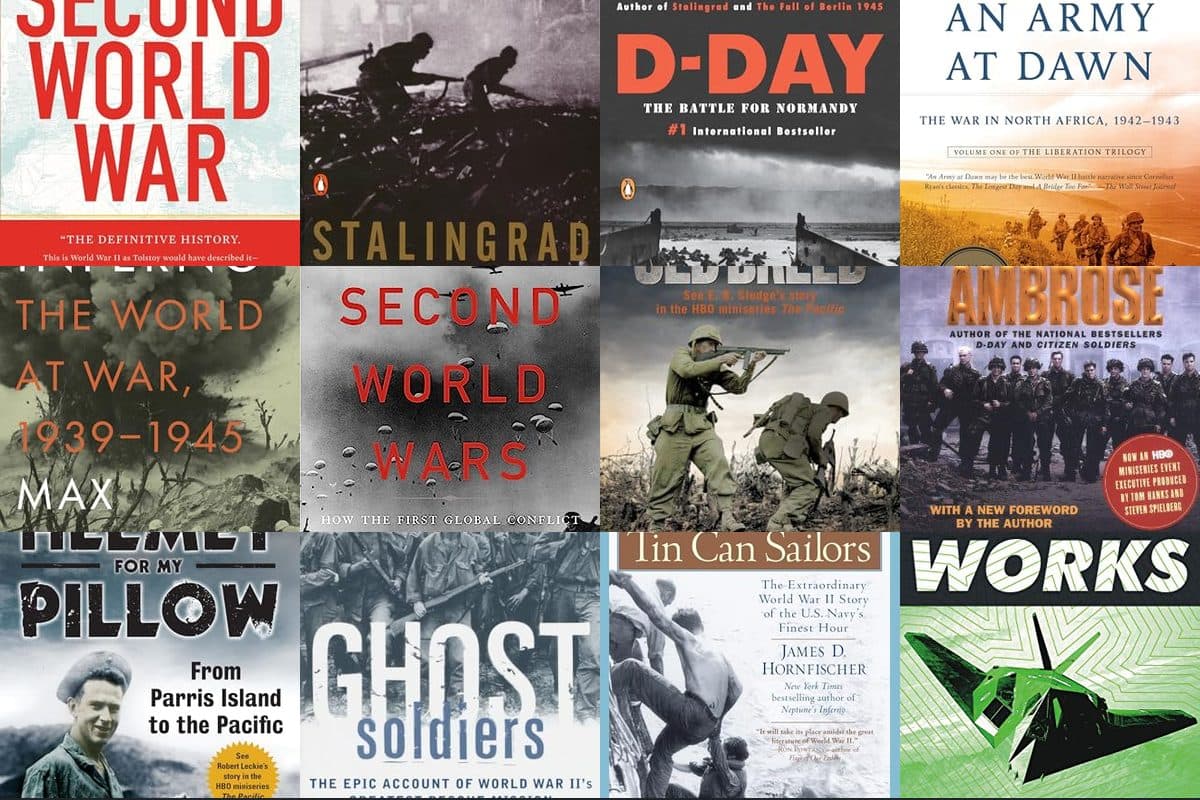
15 essential WW2 books covering every theater. Narrative histories, memoirs, and visual references ranked.
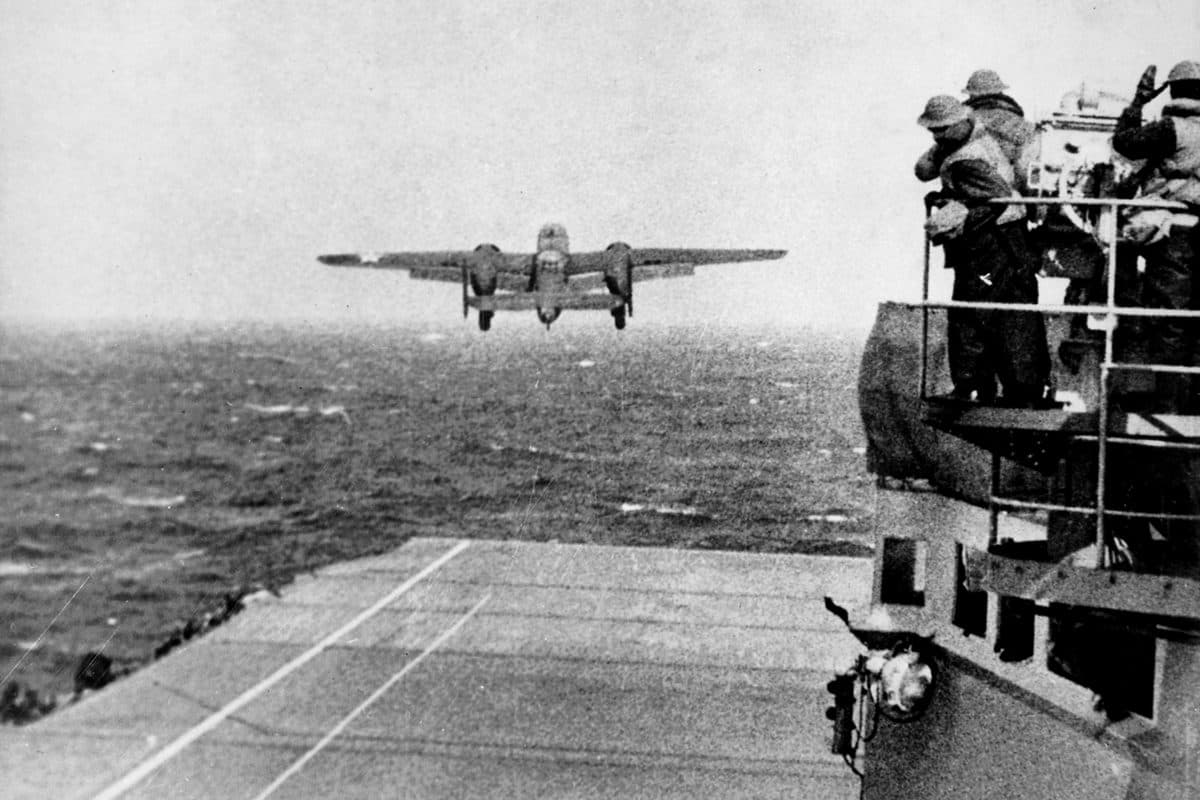
On April 18, 1942, sixteen B-25 Mitchell bombers did something no one thought possible: they launched from the deck of an aircraft carrier, flew 650 miles to Japan, and bombed Tokyo. Every aircraft was lost. The damage was negligible. The consequences changed the war.
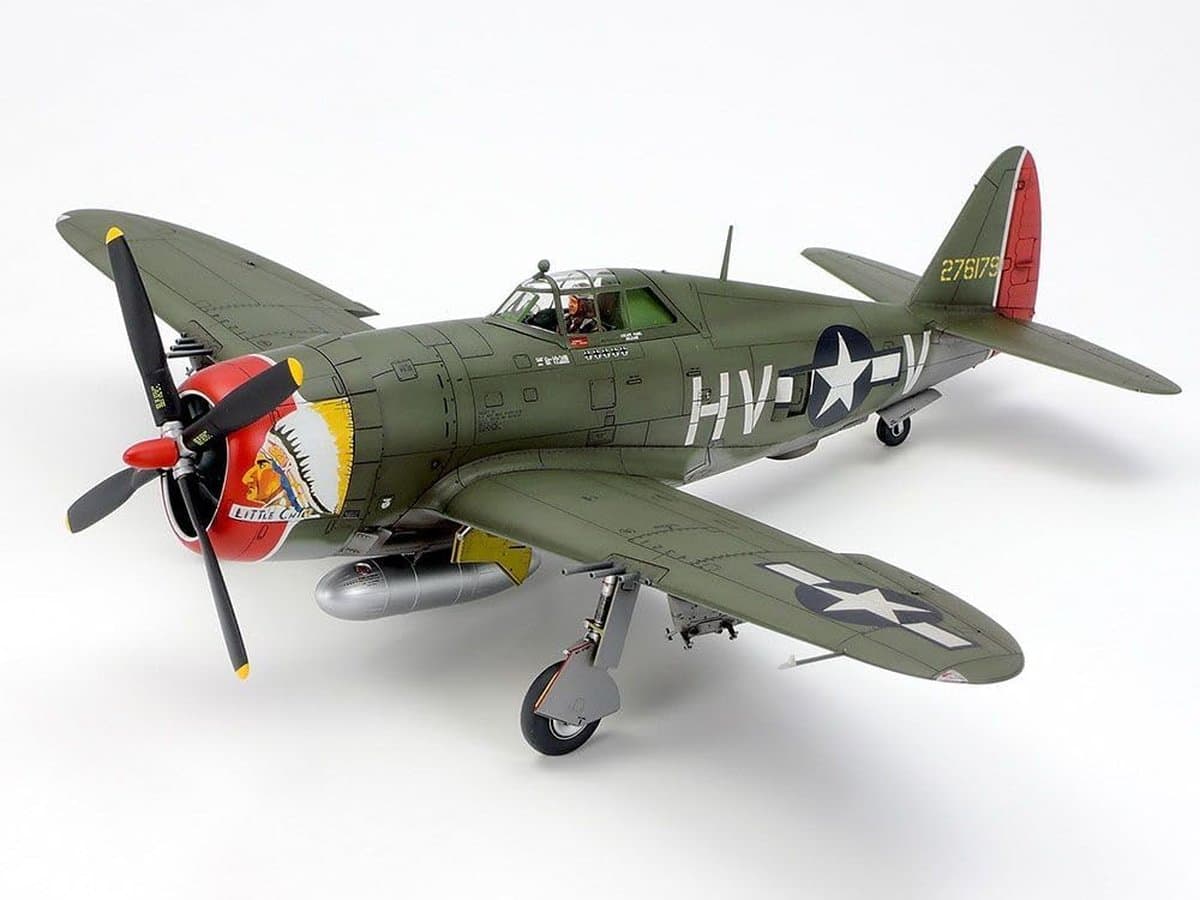
Compare 85+ WW2 scale model kits across aircraft, tanks, and ships. Beginner builds from $9 to museum-grade showpieces at $580. Covers Tamiya, Eduard, HK Models, Trumpeter, and more with honest reviews, trade-offs, and pricing.