
January in Military History
From the founding of the U.S. Air Force Academy to Cold War escalations, explore key military events that happened every day in January.
310 events across 31 days
Featured Events in January
January 1
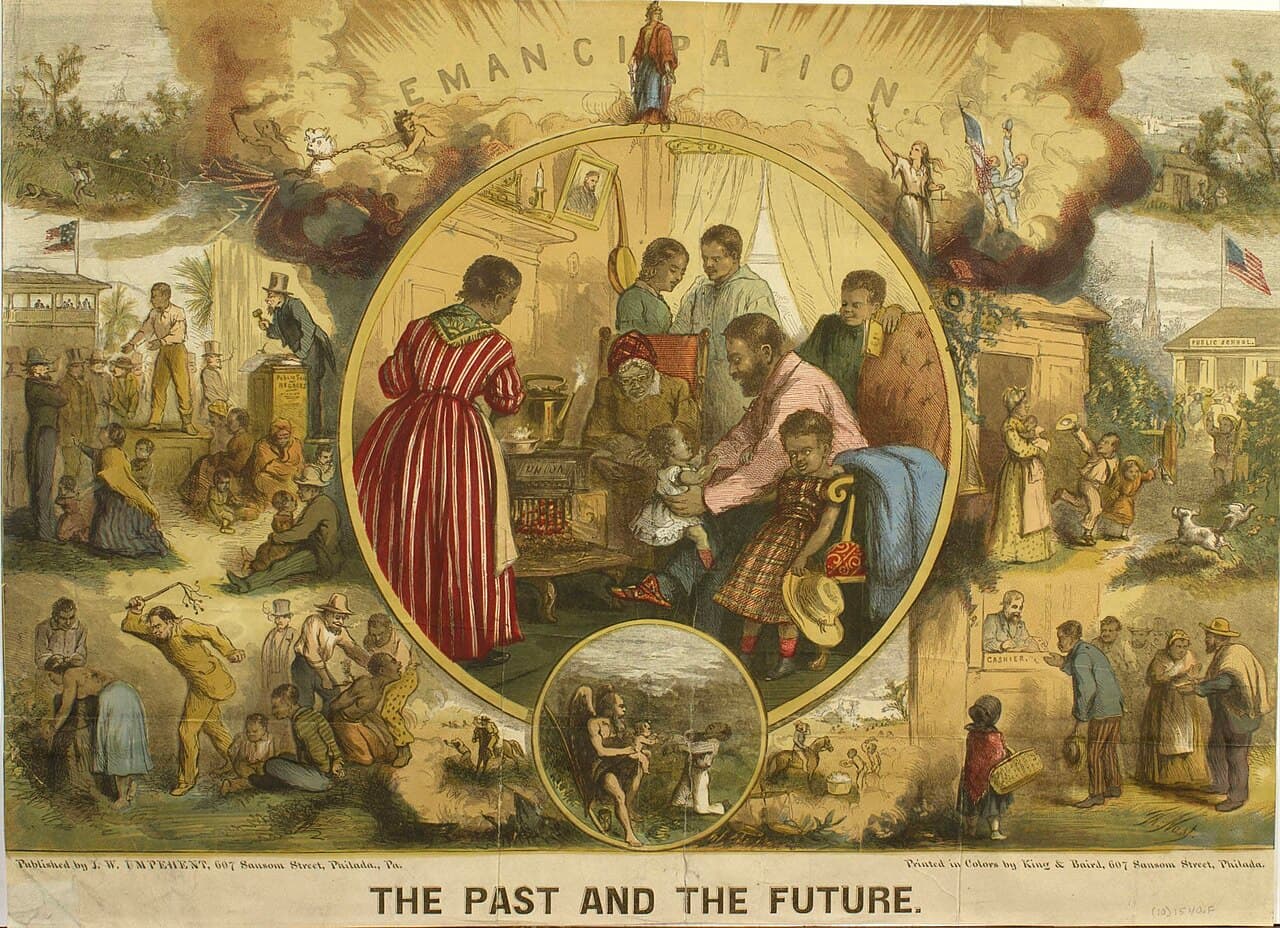
Emancipation Proclamation Takes Effect
1863

January 2
Manila Falls to the Japanese
1942
January 3
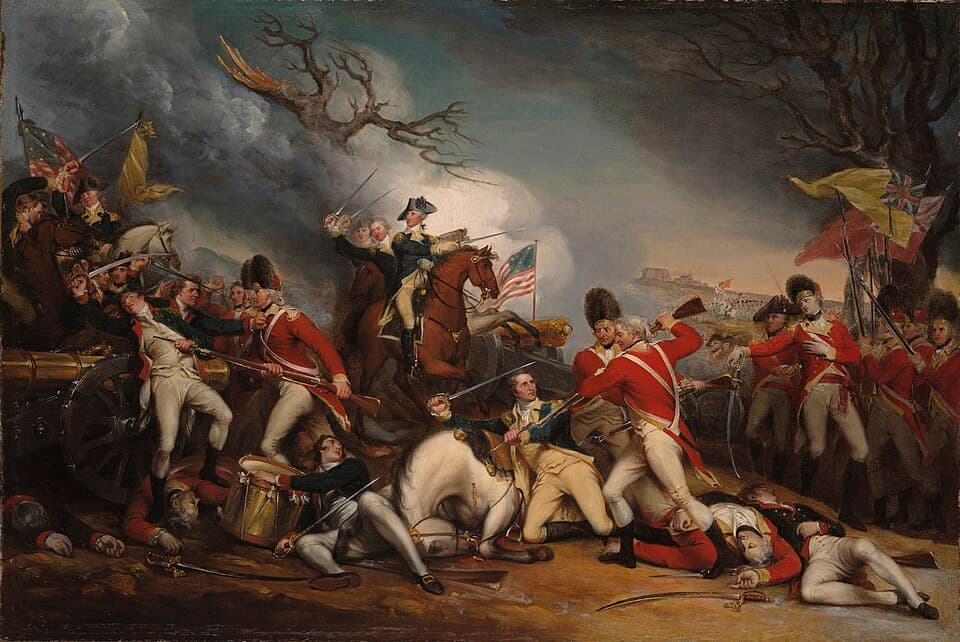
Battle of Princeton
1777
January 4
Chinese and North Korean Forces Capture Seoul
Chinese People's Volunteer Army and North Korean forces captured Seoul for the third time in the Korean War, forcing the United Nations Command into a hasty withdrawal. The fall of the South Korean capital, just six months after its liberation by UN forces following the Inchon landings, was a humiliating blow and the lowest point of the war for the Western allies.
January 5
Benedict Arnold Burns Richmond, Virginia
Brigadier General Benedict Arnold, now fighting for the British after his infamous treason, led a raiding force of 1,600 troops up the James River and burned much of Richmond, Virginia's capital. The raid destroyed military supplies, tobacco warehouses, and public buildings, and demonstrated that the British could strike deep into the American interior with impunity, a humiliation that would push Virginia toward greater commitment to the war effort.
Every Day in January
Emancipation Proclamation Takes Effect
10 events · 1863
Manila Falls to the Japanese
10 events · 1942
Battle of Princeton
10 events · 1777
Chinese and North Korean Forces Capture Seoul
10 events · 1951
Benedict Arnold Burns Richmond, Virginia
10 events · 1781
FDR Delivers the Four Freedoms Speech
10 events · 1941
Siege of Bataan Begins
10 events · 1942
Battle of New Orleans
10 events · 1815
U.S. Sixth Army Invades Luzon
10 events · 1945
Treaty of Versailles Takes Effect, League of Nations Founded
10 events · 1920
British Forces Cross into Zululand, Anglo-Zulu War Begins
10 events · 1879
Congress Authorizes Use of Force Against Iraq
10 events · 1991
Vistula-Oder Offensive Reaches Full Fury
10 events · 1945
Casablanca Conference Begins
10 events · 1943
Pentagon Building Completed
10 events · 1943
UN Deadline Expires, Desert Storm Countdown Begins
10 events · 1991
Operation Desert Storm Begins, First Air Strikes Hit Baghdad
10 events · 1991
Operation Iskra Breaks the Siege of Leningrad
10 events · 1943
First Zeppelin Bombing Raid on England
10 events · 1915
Iran Hostages Released After 444 Days
10 events · 1981
USS Nautilus Commissioned, World's First Nuclear Submarine
10 events · 1954
Battles of Isandlwana and Rorke's Drift Shock the British Empire
10 events · 1879
USS Pueblo Seized by North Korea, Cold War Crisis
10 events · 1968
Winston Churchill Dies, The Last Lion Falls Silent
10 events · 1965
Battle of the Bulge Officially Ends, Germany's Last Gamble Fails
10 events · 1945
First U.S. Troops Arrive in Northern Ireland, America Joins the Fight in Europe
10 events · 1942
Liberation of Auschwitz, The World Confronts the Holocaust
10 events · 1945
Space Shuttle Challenger Disaster, Seven Crew Members Lost
10 events · 1986
Queen Victoria Establishes the Victoria Cross, Supreme Award for Valor
10 events · 1856
Adolf Hitler Becomes Chancellor of Germany, The March to World War
10 events · 1933
Field Marshal Paulus Surrenders at Stalingrad, Germany's Catastrophe
10 events · 1943
Notable Military Figures Born in January
January 1
Anthony Wayne
Major General
Known as "Mad Anthony" for his bold and aggressive tactics, Wayne was one of George Washington's most trusted generals. He led the daring bayonet assault at Stony Point in 1779 and later defeated a Native American confederation at the Battle of Fallen Timbers in 1794, securing the Northwest Territory for the United States.
1745–1796
January 1
J. Lawton Collins
General
Known as "Lightning Joe," Collins commanded VII Corps during the D-Day landings at Utah Beach and the breakout at St. Lo. He later served as Army Chief of Staff during the Korean War, where he played a key role in strategic decisions including the relief of General MacArthur.
1896–1987
January 2
James Wolfe
Major General
British general whose victory at the Battle of the Plains of Abraham in 1759 captured Quebec and effectively won the French and Indian War for Britain. Wolfe was killed in the battle at age 32, becoming one of the most celebrated military heroes in British history.
1727–1759
January 2
Rudolf Abel
Soviet intelligence officer and master spy who operated a network in the United States for nine years before his arrest in 1957. Abel was exchanged in 1962 for American U-2 pilot Francis Gary Powers in one of the most famous spy swaps of the Cold War, dramatized in the film "Bridge of Spies."
1903–1971
January 3
Douglas Grubb
Brigadier General
American artilleryman who served in both world wars and helped modernize U.S. Army field artillery doctrine between the wars. His work on fire direction centers and coordinated artillery support became standard practice in World War II.
1886–1960
January 3
Lucian Truscott
Lieutenant General
One of the finest American combat commanders of World War II, Truscott led the 3rd Infantry Division in North Africa, Sicily, and Italy before commanding VI Corps at the Anzio beachhead. Known for his trademark leather jacket and sandpaper voice, he pushed his troops to march faster than any other Allied formation, the grueling "Truscott Trot."
1895–1965
January 4
Edmund Allenby
Field Marshal
British cavalry commander who captured Jerusalem in December 1917 and won the decisive Battle of Megiddo in September 1918, destroying the Ottoman Army in Palestine. Allenby's campaigns in the Middle East, conducted with T.E. Lawrence's Arab forces, were among the most successful of World War I.
1861–1936
January 4
William Colby
OSS operative who parachuted behind enemy lines in France and Norway during World War II, later became CIA Director from 1973 to 1976. Colby oversaw the controversial Phoenix Program in Vietnam and was forced to reveal CIA domestic spying operations to Congress during the Church Committee hearings.
1920–1996
January 5
Stephen Decatur
Commodore
One of the first heroes of the U.S. Navy, Decatur led the daring raid to destroy the captured frigate USS Philadelphia in Tripoli harbor during the Barbary Wars, a feat Horatio Nelson called "the most bold and daring act of the age." He later commanded ships in the War of 1812 and gave the famous toast: "Our country, right or wrong."
1779–1820
January 5
Konrad Adenauer
First Chancellor of West Germany (1949-1963), Adenauer oversaw the rebuilding of the German military within NATO, the Bundeswehr, transforming a defeated and occupied nation into a key Western alliance member. His policy of Western integration and rearmament was one of the Cold War's most consequential strategic decisions.
1876–1967
What Happened on Your Birthday?
Explore military history from the day you were born.
Browse Other Months
About January in Military History
January has witnessed 310 significant military events spanning from the American Revolution to the modern era. Each day of January carries its own story of battles, innovations, sacrifices, and turning points that shaped the course of military history.
Our day-by-day coverage includes detailed narratives, historical context, images from military archives, and connections to our broader library of military history articles. Whether you're researching a specific date or browsing for fascinating stories, January has no shortage of compelling military history.