


World World 2 Facts: Did You Know These 29 Interesting Details?
Calvin Graham Was Youngest Decorated US Soldier at 12 Pearl Harbor Visitors Bureau “Green Boys” was a term given to soldiers who…
daniel-mercer··27 min read
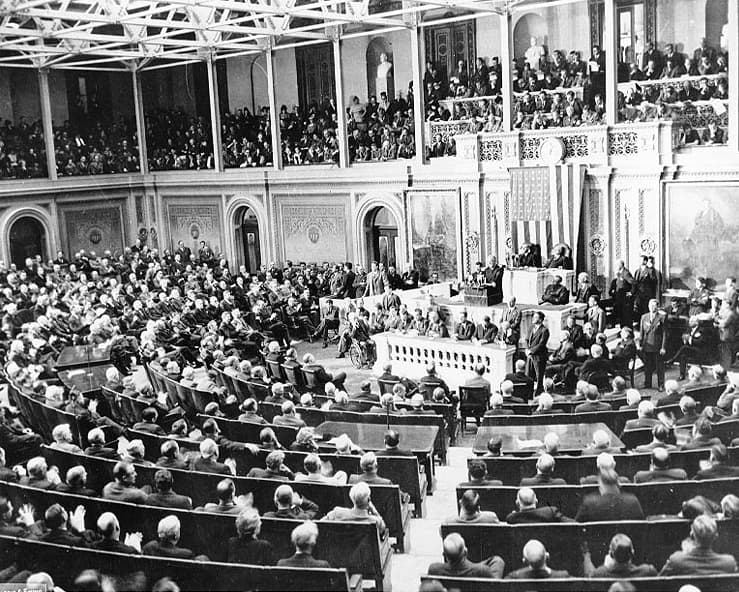
President Franklin D. Roosevelt delivered his State of the Union address to Congress, articulating the "Four Freedoms", freedom of speech, freedom of worship, freedom from want, and freedom from fear, as the moral foundation for American involvement in the growing world conflict. The speech laid the ideological groundwork for American entry into World War II and defined the Allied war aims that would shape the post-war world order.
Earl Harold Godwinson was crowned King of England at Westminster Abbey the day after Edward the Confessor's funeral, setting in motion a year of naval mobilization and coastal defense against rival claimants. His coronation triggered the invasions by Harald Hardrada of Norway in September and William of Normandy in October, leading to the decisive Battle of Hastings.
King Henry VIII of England married Anne of Cleves at the Royal Palace of Placentia in Greenwich, in a union driven entirely by strategic military calculations. Facing the threat of a combined Catholic crusade by France and the Holy Roman Empire, Henry's chief minister Thomas Cromwell arranged the marriage to secure an alliance with the Protestant princes of northern Germany.
Colonel George Washington married the wealthy widow Martha Dandridge Custis at her White House plantation in Virginia. The marriage made Washington one of the richest men in Virginia, providing the financial independence that allowed him to serve without pay as Commander-in-Chief of the Continental Army during the Revolution, a gesture that reinforced his reputation for republican virtue.
Samuel Morse publicly demonstrated his electromagnetic telegraph at the Speedwell Ironworks in Morristown, New Jersey. The telegraph would revolutionize military communications, allowing commanders to coordinate forces over vast distances in near-real-time. Its first major military application came during the Mexican-American War, and by the Civil War, both sides relied on telegraph networks for command and control.
New Mexico became the 47th U.S. state, ending 66 years as a territory that had been won in the Mexican-American War. The territory's military heritage was extensive, it had been the site of the Civil War's westernmost battle at Glorieta Pass, the launching point for campaigns against the Apache, and would later host the Trinity nuclear test, White Sands Missile Range, and Los Alamos National Laboratory.
Theodore Roosevelt, the 26th President of the United States, died in his sleep at Sagamore Hill in Oyster Bay, New York, at the age of 60. A coronary embolism claimed the former Rough Rider, Medal of Honor recipient, and architect of American naval power who had spent his final years campaigning for U.S. entry into World War I.
President Roosevelt articulated the "Four Freedoms", freedom of speech, freedom of worship, freedom from want, and freedom from fear, as the moral foundation for American involvement in the growing world conflict. The speech laid the ideological groundwork for Lend-Lease and American entry into World War II.
General Patton's Third Army continued its counterattack during the Battle of the Bulge, fighting through brutal winter conditions to relieve besieged American positions in the Ardennes. The German offensive, which had begun on December 16, was running out of fuel and momentum, and Patton's relentless pressure from the south was a key factor in turning the tide.
World War 2 FactsWith Allied forces reeling from the German Ardennes counteroffensive, British Prime Minister Winston Churchill sent an urgent personal message to Soviet Premier Joseph Stalin asking whether the Allies could count on a major Russian offensive on the Vistula front during January. Stalin promised to launch ahead of schedule, and the resulting Vistula-Oder Offensive shattered German defenses.
Britain became one of the first Western nations to formally recognize Mao Zedong's People's Republic of China, creating a significant diplomatic rift with the United States, which continued to recognize Chiang Kai-shek's Nationalist government in Taiwan. The split over China recognition complicated Anglo-American cooperation during the Korean War and foreshadowed decades of disagreement over China policy.

Major General
Confederate cavalry commander legendary for his bold reconnaissance rides around the entire Union Army. Stuart provided Robert E. Lee with vital intelligence, but his controversial absence during the Gettysburg Campaign left Lee "blind" at the battle's critical opening. He was mortally wounded at the Battle of Yellow Tavern in 1864.

First Lady of the United States (1929-1933) and wife of President Herbert Hoover, she was trapped in the Siege of Tientsin during the Boxer Rebellion in 1900, where she organized medical aid and even carried a pistol while tending to the wounded. She later supported military families during the Great Depression.

The 26th President, Roosevelt led the Rough Riders at the Battle of San Juan Heights during the Spanish-American War and earned the Medal of Honor posthumously. As president, he built the Great White Fleet, expanded the Navy, and projected American military power globally. He died in his sleep at age 60.
Wear the Timeline
10 military events occurred on January 6, spanning multiple centuries. Key events include: FDR Delivers the Four Freedoms Speech (1941), Samuel Morse Demonstrates the Telegraph (1838), Churchill Appeals to Stalin to Accelerate the Eastern Offensive (1945).
The most significant military event on January 6 is FDR Delivers the Four Freedoms Speech (1941). President Franklin D. Roosevelt delivered his State of the Union address to Congress, articulating the "Four Freedoms", freedom of speech, freedom of worship, freedom from want, and freedom from fear, as the moral foundation for American involvement in the growing world conflict. The speech laid the ideological groundwork for American entry into World War II and defined the Allied war aims that would shape the post-war world order.
Notable military figures born on January 6 include Jeb Stuart (1833–1864), Lou Henry Hoover (1874–1944).
Events on January 6 span World War II, the Interwar Period, the Cold War, the Colonial & Revolutionary era, World War I, covering 10 events across 5 centuries of military history.
Events on January 6 involve 3 branches of the U.S. and allied armed forces, reflecting the global scope of military operations throughout history.
Explore military history from the day you were born.
June 6
The Allied invasion of Normandy, the largest amphibious assault in history.
December 7
Japan attacks the U.S. Pacific Fleet, bringing America into World War II.
September 11
The deadliest terrorist attack in history transforms U.S. national security.
August 6
The first atomic bomb is dropped on a city, ushering in the nuclear age.
May 8
Nazi Germany surrenders unconditionally, ending World War II in Europe.
November 11
Armistice Day marks the end of World War I and honors all who served.
June 4
The turning point of the Pacific War as the U.S. Navy destroys four Japanese carriers.
July 4
The Declaration of Independence is adopted, sparking the American Revolution.
Calvin Graham Was Youngest Decorated US Soldier at 12 Pearl Harbor Visitors Bureau “Green Boys” was a term given to soldiers who…
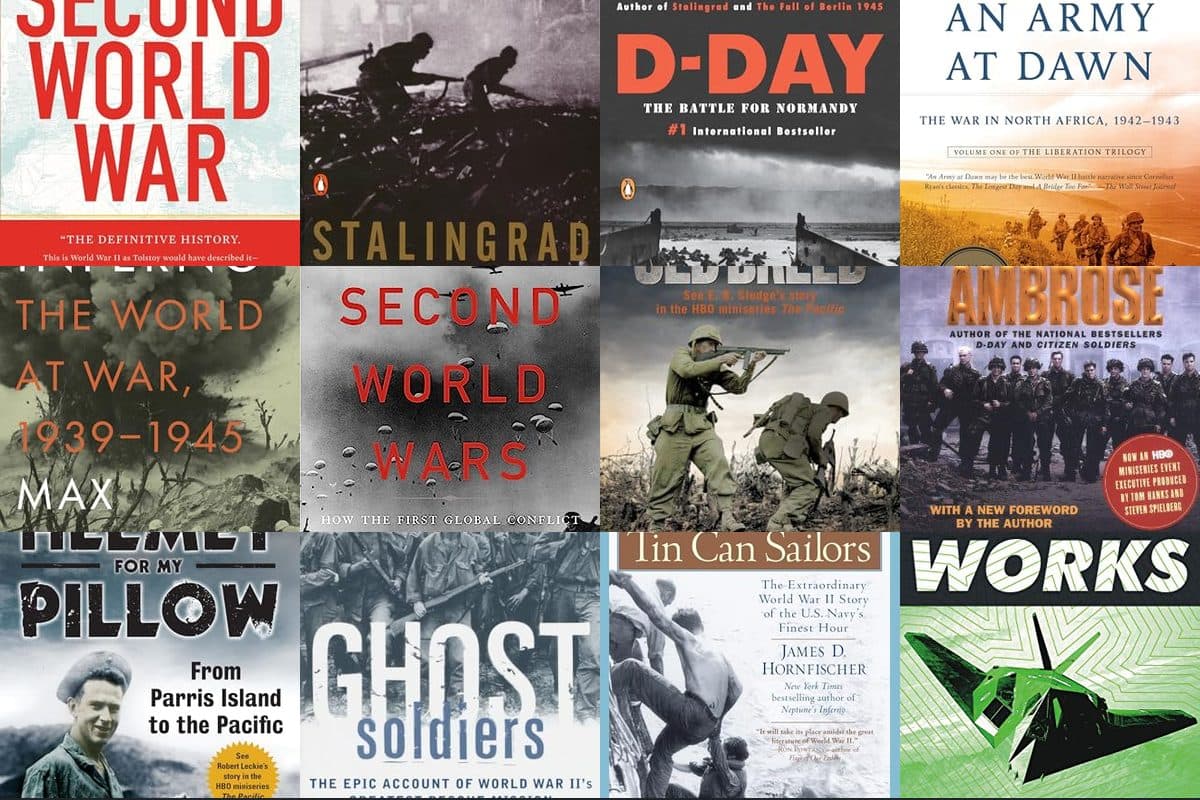
15 essential WW2 books covering every theater. Narrative histories, memoirs, and visual references ranked.
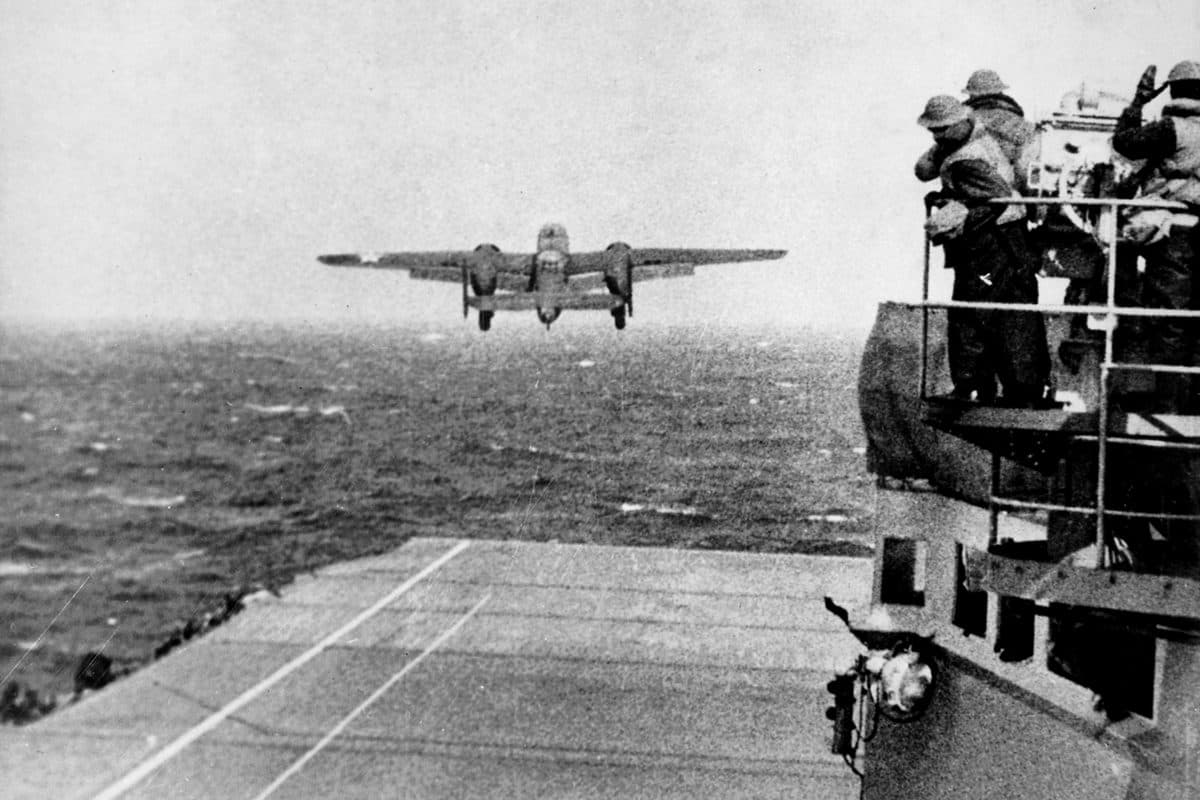
On April 18, 1942, sixteen B-25 Mitchell bombers did something no one thought possible: they launched from the deck of an aircraft carrier, flew 650 miles to Japan, and bombed Tokyo. Every aircraft was lost. The damage was negligible. The consequences changed the war.
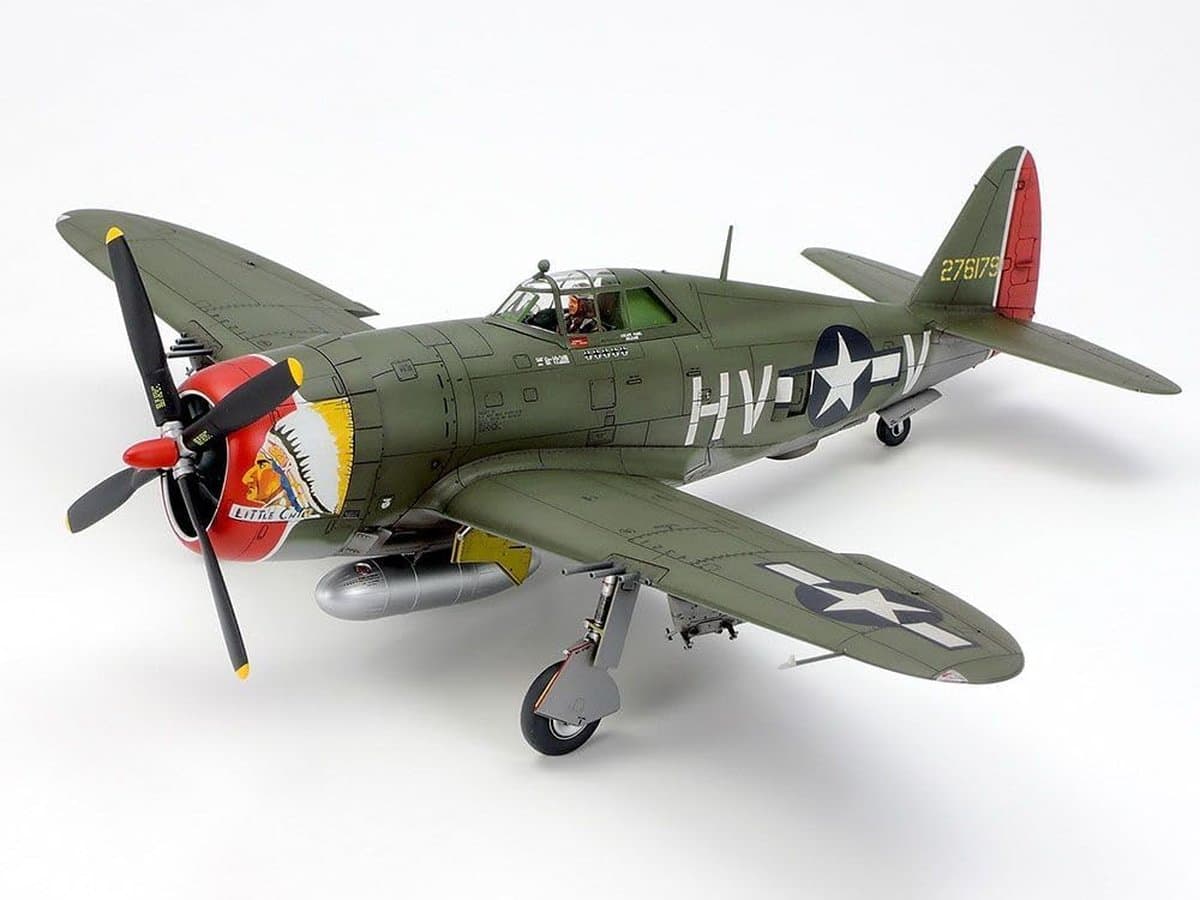
Compare 85+ WW2 scale model kits across aircraft, tanks, and ships. Beginner builds from $9 to museum-grade showpieces at $580. Covers Tamiya, Eduard, HK Models, Trumpeter, and more with honest reviews, trade-offs, and pricing.