
China's Military Buildup by the Numbers: How the PLA Became a Superpower in a Decade
China built the world's largest navy, deployed hypersonic missiles, and grew its nuclear arsenal by 400%. Here is the PLA's transformation by the numbers.

General Douglas MacArthur waded ashore at Red Beach on the island of Leyte in the Philippines, fulfilling his 1942 promise to return. Accompanied by Philippine President Sergio Osmeña and his staff, MacArthur broadcast to the Filipino people: "People of the Philippines, I have returned... Rally to me." The Leyte landings began the liberation of the Philippines and triggered the Battle of Leyte Gulf, the largest naval engagement in history.
The United States Senate ratified the Louisiana Purchase Treaty, doubling the nation's territory by acquiring approximately 828,000 square miles from Napoleonic France for $15 million. The purchase, which Napoleon needed to fund his military campaigns, gave the U.S. control of the Mississippi River and eliminated the threat of a powerful European neighbor on its western border.
Mao Zedong's Red Army completed the Long March, arriving in Yan'an in Shaanxi province after a 6,000-mile retreat from Jiangxi that lasted over a year. Of the approximately 86,000 who began the march, only about 8,000 survived. The Long March became the founding legend of the Chinese Communist Party and forged the leadership cadre, including Mao, Deng Xiaoping, and Zhou Enlai, that would rule China for decades.
China's Military BuildupGeneral MacArthur waded ashore at Leyte, fulfilling his 1942 promise. The landing triggered the Battle of Leyte Gulf, the largest naval battle in history, and began the liberation of the Philippines.
General Douglas MacArthur waded ashore at Red Beach on Leyte as the main American landings began, fulfilling his 1942 pledge to return to the Philippines. Four divisions of the Sixth Army established a beachhead against determined Japanese resistance, supported by the largest naval gunfire and amphibious force yet assembled in the Pacific.
British colonial authorities declared a state of emergency in Kenya in response to the Mau Mau uprising, deploying British and King's African Rifles battalions in a counterinsurgency campaign that would last seven years. The operation drew on lessons from the Malayan Emergency and pioneered tactics that would influence British and American counterinsurgency doctrine for decades.
President Richard Nixon ordered the firing of Watergate Special Prosecutor Archibald Cox, leading Attorney General Elliot Richardson and Deputy Attorney General William Ruckelshaus to resign rather than carry out the order. The "Saturday Night Massacre" triggered a constitutional crisis and accelerated Nixon's downfall. The crisis had military dimensions: Defense Secretary James Schlesinger reportedly ordered military commanders not to carry out any unusual orders from the White House without his countersignature.
Coalition Provisional Authority administrator L. Paul Bremer formally briefed Washington that organized Iraqi resistance had evolved into a sustained insurgency, acknowledging what commanders on the ground had reported for months. The shift triggered a fundamental reassessment of American force posture, rules of engagement, and the long-term commitment required in Iraq.
Libyan dictator Muammar Gaddafi was captured and killed by rebel forces in his hometown of Sirte after a NATO air strike halted his convoy attempting to escape the city. Gaddafi's death ended the Libyan Civil War and 42 years of authoritarian rule. The NATO intervention, conducted primarily through air power, became a model, and a cautionary tale, for Western military intervention in the Middle East.
Get daily military history, analysis, and technology delivered to your inbox.
10 military events occurred on October 20, spanning multiple centuries. Key events include: MacArthur Lands at Leyte, Liberation of the Philippines Begins (1944), Saturday Night Massacre (1973), Battle of Navarino (1827), Long March Ends (1935), MacArthur Returns to Leyte (1944).
The most significant military event on October 20 is MacArthur Lands at Leyte, Liberation of the Philippines Begins (1944). General Douglas MacArthur waded ashore at Red Beach on the island of Leyte in the Philippines, fulfilling his 1942 promise to return. Accompanied by Philippine President Sergio Osmeña and his staff, MacArthur broadcast to the Filipino people: "People of the Philippines, I have returned... Rally to me." The Leyte landings began the liberation of the Philippines and triggered the Battle of Leyte Gulf, the largest naval engagement in history.
Notable military figures born on October 20 include John Dewey (1859–1952), Mickey Mantle (1931–1995).
Events on October 20 span World War II, the Cold War, the Colonial & Revolutionary era, the Interwar Period, the Modern Era, covering 10 events across 3 centuries of military history.
Events on October 20 involve 4 branches of the U.S. and allied armed forces, reflecting the global scope of military operations throughout history.
Explore military history from the day you were born.
June 6
The Allied invasion of Normandy, the largest amphibious assault in history.
December 7
Japan attacks the U.S. Pacific Fleet, bringing America into World War II.
September 11
The deadliest terrorist attack in history transforms U.S. national security.
August 6
The first atomic bomb is dropped on a city, ushering in the nuclear age.
May 8
Nazi Germany surrenders unconditionally, ending World War II in Europe.
November 11
Armistice Day marks the end of World War I and honors all who served.
June 4
The turning point of the Pacific War as the U.S. Navy destroys four Japanese carriers.
July 4
The Declaration of Independence is adopted, sparking the American Revolution.
China built the world's largest navy, deployed hypersonic missiles, and grew its nuclear arsenal by 400%. Here is the PLA's transformation by the numbers.
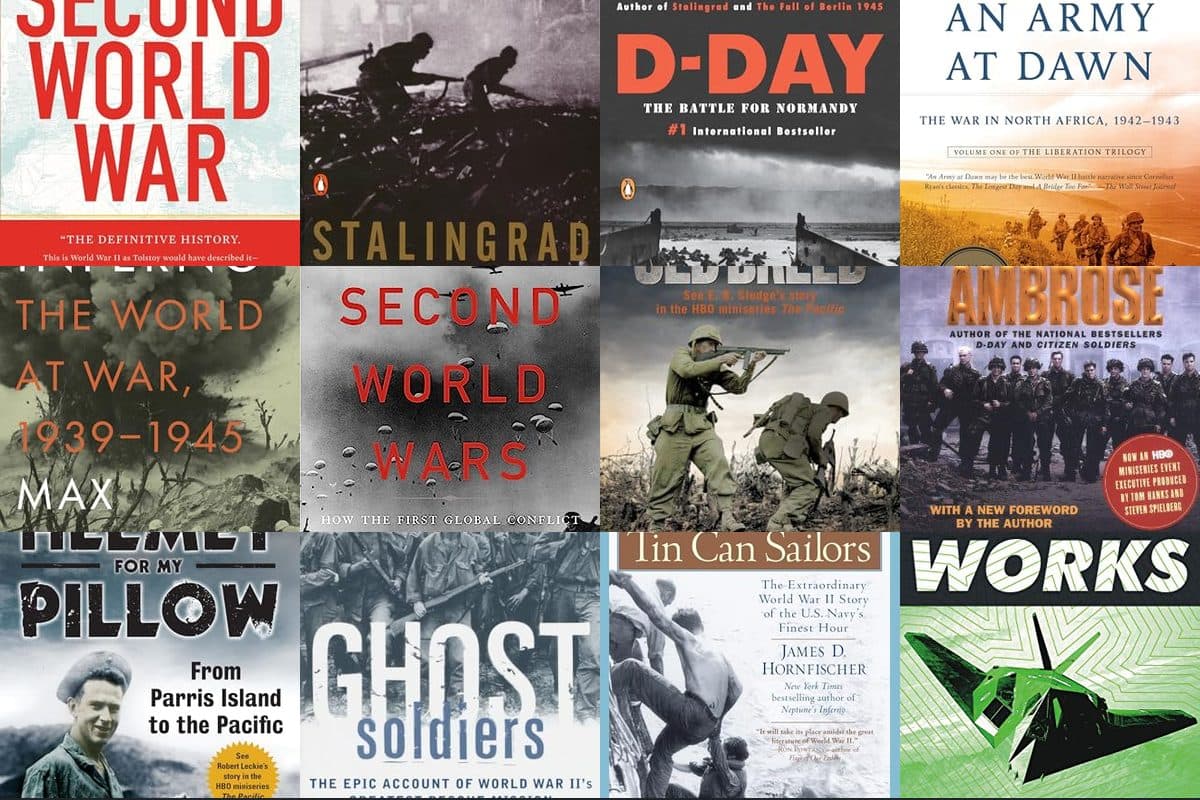
15 essential WW2 books covering every theater. Narrative histories, memoirs, and visual references ranked.
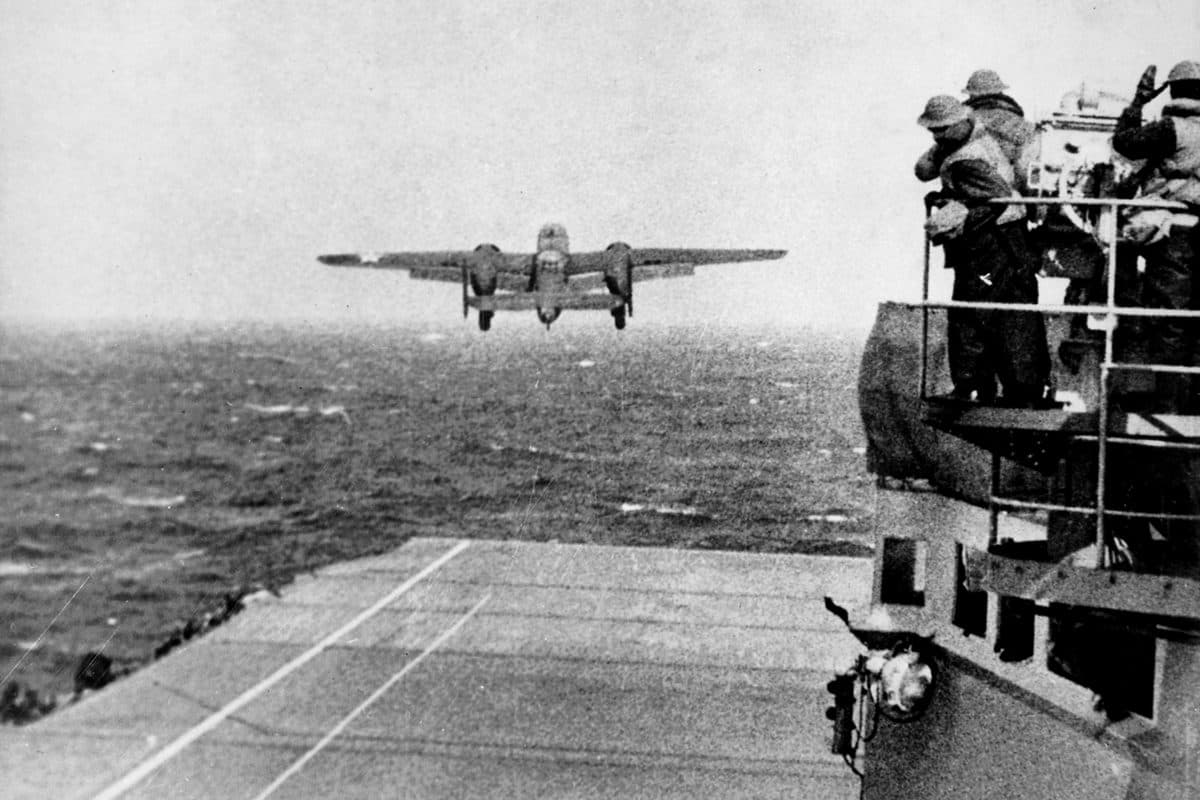
On April 18, 1942, sixteen B-25 Mitchell bombers did something no one thought possible: they launched from the deck of an aircraft carrier, flew 650 miles to Japan, and bombed Tokyo. Every aircraft was lost. The damage was negligible. The consequences changed the war.
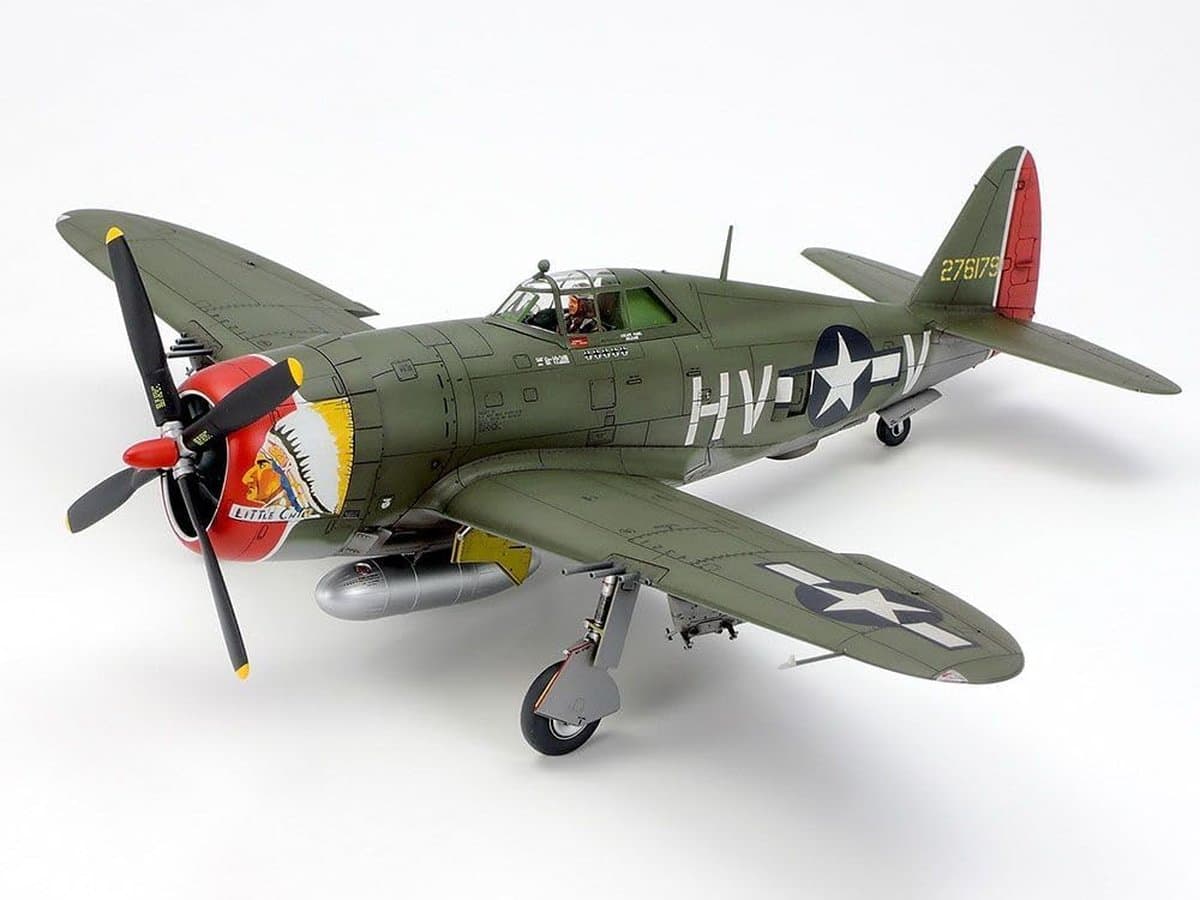
Compare 85+ WW2 scale model kits across aircraft, tanks, and ships. Beginner builds from $9 to museum-grade showpieces at $580. Covers Tamiya, Eduard, HK Models, Trumpeter, and more with honest reviews, trade-offs, and pricing.