


15 Best World War II Books for History Enthusiasts (2026)
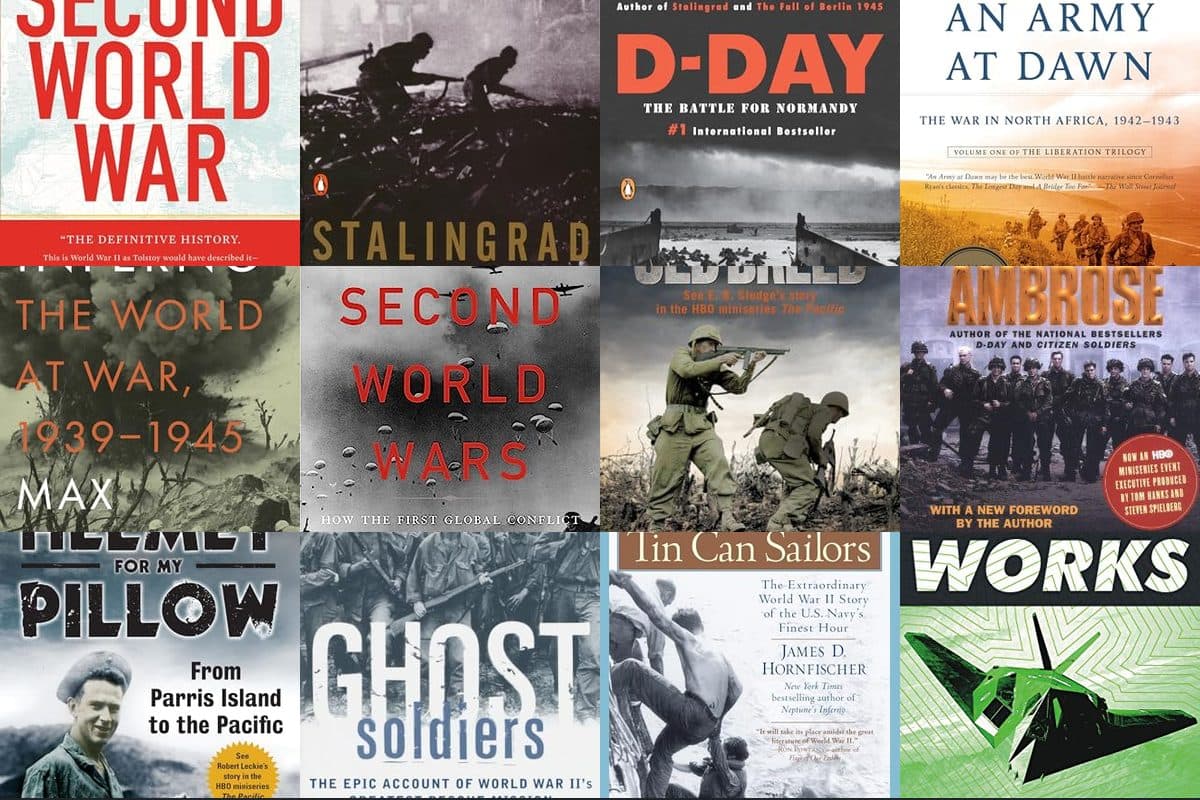
15 essential WW2 books covering every theater. Narrative histories, memoirs, and visual references ranked.
daniel-mercer··21 min read

In one of the most dramatic ceremonies in military history, the British army formally surrendered at Yorktown, Virginia. Some 8,000 British and Hessian soldiers marched between parallel lines of American and French troops to stack their arms, while their bands reportedly played "The World Turned Upside Down." The surrender effectively ended the American Revolutionary War and guaranteed the independence of the United States.
Roman general Scipio Africanus decisively defeated Hannibal Barca at the Battle of Zama in North Africa, ending the Second Punic War. The victory established Rome as the dominant power in the western Mediterranean and ended Carthage's status as a great power. Zama is studied as one of history's greatest tactical battles, featuring Scipio's innovative use of lanes to neutralize Hannibal's war elephants.
Roman forces under Publius Cornelius Scipio Africanus decisively defeated Hannibal Barca's Carthaginian army at Zama in North Africa, ending the Second Punic War and establishing Roman military dominance across the western Mediterranean. The Roman tactical use of gaps in their infantry lines to absorb Hannibal's war elephants set a new standard in combined arms warfare.
The British army formally surrendered at Yorktown in one of the most dramatic ceremonies in military history. Some 8,000 troops marched out to stack their arms, effectively ending the American Revolutionary War.
British Lieutenant General Lord Cornwallis surrendered his army of roughly 8,000 soldiers to the combined American and French forces at Yorktown, Virginia. The capitulation, following a three-week siege coordinated by General George Washington and Comte de Rochambeau with French naval support, effectively ended British efforts to suppress the American Revolution.
Napoleon's Grande Armée began its catastrophic retreat from Moscow after occupying the burned and deserted Russian capital for five weeks. The retreat, through the onset of the brutal Russian winter and under constant Cossack harassment, would destroy the Grande Armée. Of the approximately 600,000 troops who had invaded Russia in June, fewer than 100,000 would return, the most devastating military disaster in European history until the twentieth century.
German and Allied forces collided in the First Battle of Ypres in Flanders, Belgium, the last major battle of maneuver on the Western Front before trench warfare set in. The battle, lasting until November 22, cost approximately 130,000 German and 108,000 Allied casualties. The virtual destruction of the pre-war British Regular Army at Ypres earned the survivors the title "The Old Contemptibles."
General Douglas MacArthur waded ashore at Leyte in the Philippines, fulfilling his famous promise: "I shall return." MacArthur had been ordered to evacuate the Philippines in March 1942 as Japanese forces overwhelmed the American-Filipino garrison. His return, at the head of the largest amphibious operation in the Pacific War, began the liberation of the Philippines and triggered the largest naval battle in history at Leyte Gulf.
American Sixth Army forces under Lieutenant General Walter Krueger began amphibious landings at Leyte in the Philippine Islands, beginning the liberation of the archipelago from Japanese occupation. The operation would trigger the Battle of Leyte Gulf, the largest naval engagement in history, and committed more than 200,000 American soldiers to a campaign that would continue through the war's end.
British and Polish airborne remnants completed the evacuation from the Driel perimeter opposite Arnhem, concluding the ground operations associated with Field Marshal Bernard Montgomery's failed airborne offensive. The operation had attempted to seize nine bridges across the Dutch river system with three airborne divisions, but the failure at Arnhem left the Allied front stalled for the winter of 1944.
The Dow Jones Industrial Average fell 22.6 percent in a single day, the largest one-day percentage decline in its history. The crash, which wiped out $500 billion in market value, raised fears of economic collapse similar to 1929 and briefly threatened defense budgets during the critical final years of the Cold War. The military implications were significant as budget planners faced potential cuts to Reagan's defense buildup.

French inventor who, with his brother Louis, created the first practical motion picture camera. The Lumière brothers' invention would revolutionize military training, propaganda, and intelligence. Film became an essential tool for documenting warfare, from World War I trench films to modern drone surveillance footage.

American historian and social critic whose works "Technics and Civilization" and "The Pentagon of Power" examined the relationship between technology, warfare, and human civilization. His critique of the military-industrial complex and nuclear weapons influenced post-war intellectual opposition to unlimited military technology.

Anglo-Irish satirist whose "Gulliver's Travels" included biting commentary on the absurdity of military conflicts, particularly the war between Lilliput and Blefuscu over which end of an egg to crack, a satire of the religious wars that had devastated Europe. Swift's anti-war satire remains relevant to military culture and discourse.
Wear the Timeline
10 military events occurred on October 19, spanning multiple centuries. Key events include: Surrender Ceremony at Yorktown (1781), Napoleon Begins Retreat from Moscow (1812), MacArthur Returns to the Philippines (1944), First Battle of Ypres Begins (1914), British Surrender at Yorktown Ends Revolutionary War (1781).
The most significant military event on October 19 is Surrender Ceremony at Yorktown (1781). In one of the most dramatic ceremonies in military history, the British army formally surrendered at Yorktown, Virginia. Some 8,000 British and Hessian soldiers marched between parallel lines of American and French troops to stack their arms, while their bands reportedly played "The World Turned Upside Down." The surrender effectively ended the American Revolutionary War and guaranteed the independence of the United States.
Notable military figures born on October 19 include Auguste Lumière (1862–1954), Lewis Mumford (1895–1990).
Events on October 19 span the Colonial & Revolutionary era, World War II, World War I, the Cold War, covering 10 events across 4 centuries of military history.
Events on October 19 involve 5 branches of the U.S. and allied armed forces, reflecting the global scope of military operations throughout history.
Explore military history from the day you were born.
February 10
1763
February 22
1732
February 29
1704
March 2
1836
June 6
The Allied invasion of Normandy, the largest amphibious assault in history.
December 7
Japan attacks the U.S. Pacific Fleet, bringing America into World War II.
September 11
The deadliest terrorist attack in history transforms U.S. national security.
August 6
The first atomic bomb is dropped on a city, ushering in the nuclear age.
May 8
Nazi Germany surrenders unconditionally, ending World War II in Europe.
November 11
Armistice Day marks the end of World War I and honors all who served.
June 4
The turning point of the Pacific War as the U.S. Navy destroys four Japanese carriers.
July 4
The Declaration of Independence is adopted, sparking the American Revolution.
15 essential WW2 books covering every theater. Narrative histories, memoirs, and visual references ranked.
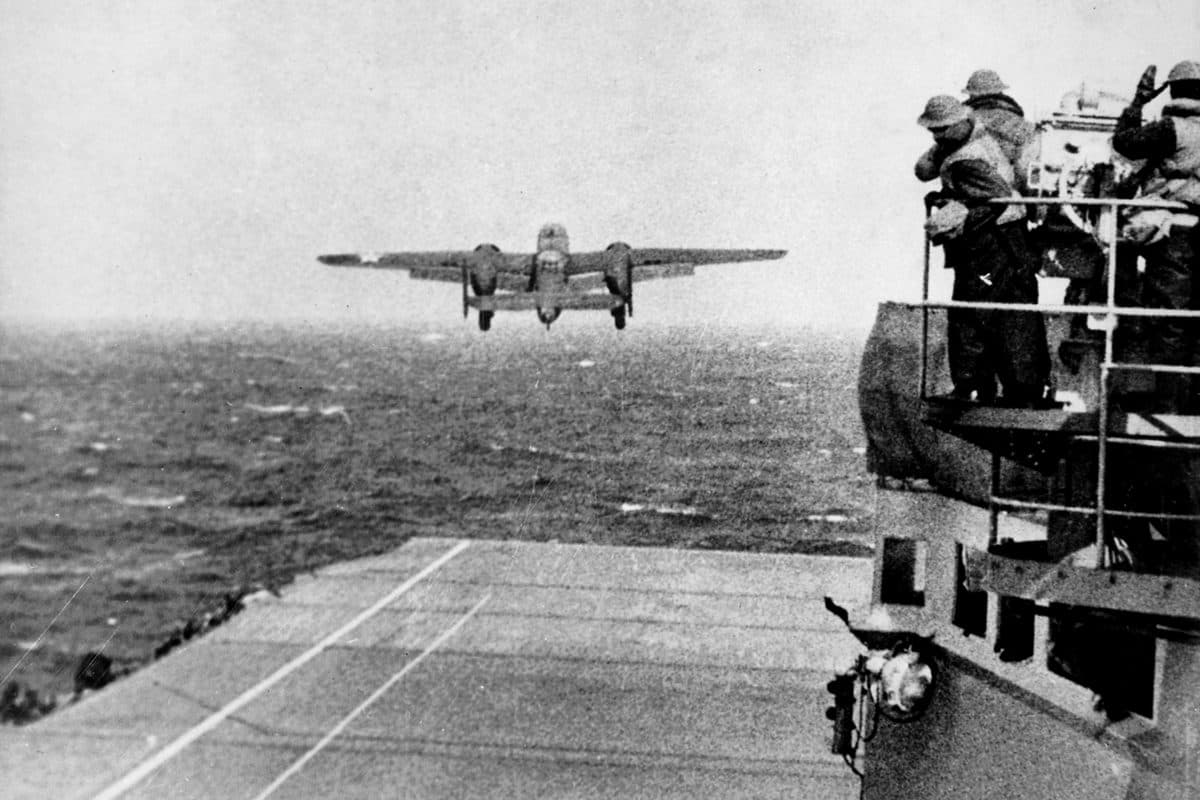
On April 18, 1942, sixteen B-25 Mitchell bombers did something no one thought possible: they launched from the deck of an aircraft carrier, flew 650 miles to Japan, and bombed Tokyo. Every aircraft was lost. The damage was negligible. The consequences changed the war.
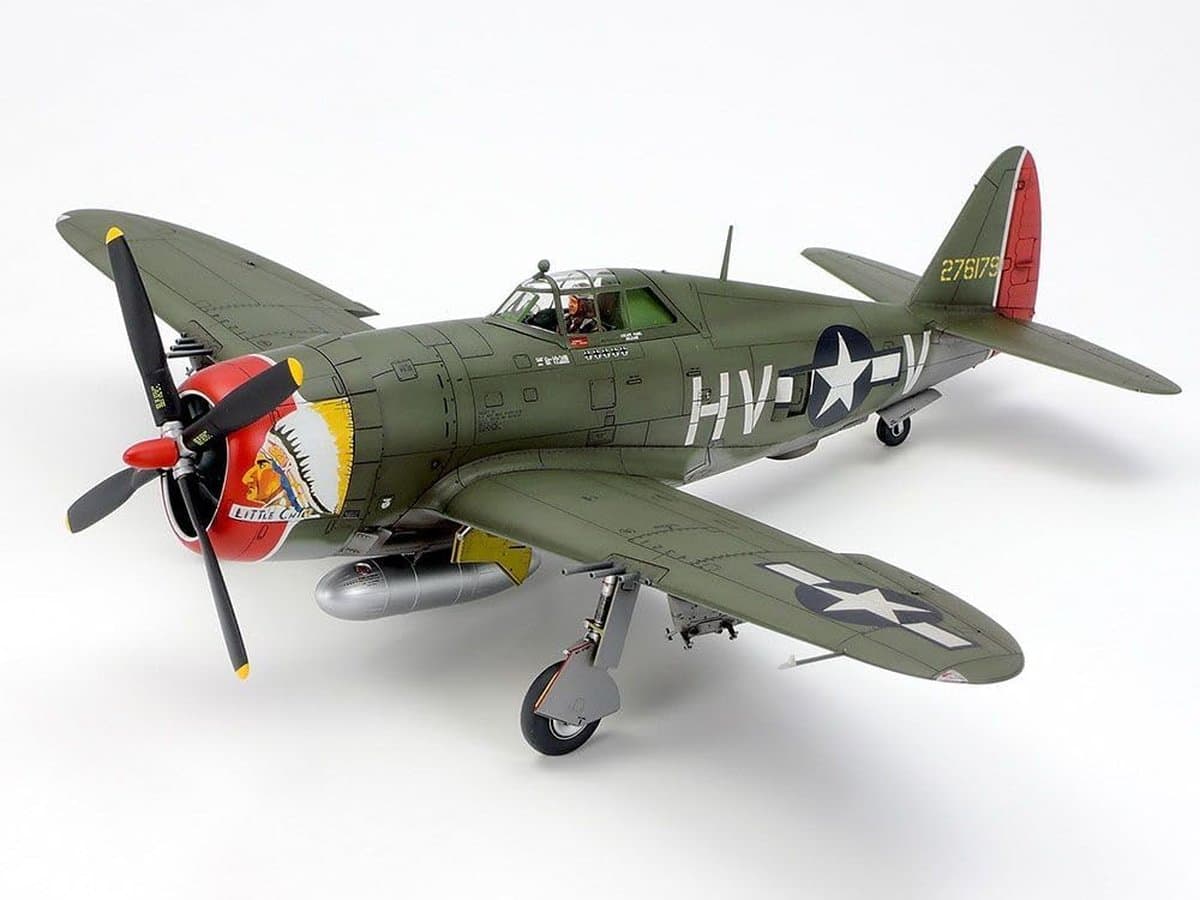
Compare 85+ WW2 scale model kits across aircraft, tanks, and ships. Beginner builds from $9 to museum-grade showpieces at $580. Covers Tamiya, Eduard, HK Models, Trumpeter, and more with honest reviews, trade-offs, and pricing.

On April 7, 1945, the Imperial Japanese Navy sent the largest battleship ever built on a one-way suicide mission to Okinawa. She never arrived. 386 American aircraft found her first, and sank her in under two hours.