



15 Best World War II Books for History Enthusiasts (2026)
15 essential WW2 books covering every theater. Narrative histories, memoirs, and visual references ranked.
daniel-mercer··21 min read
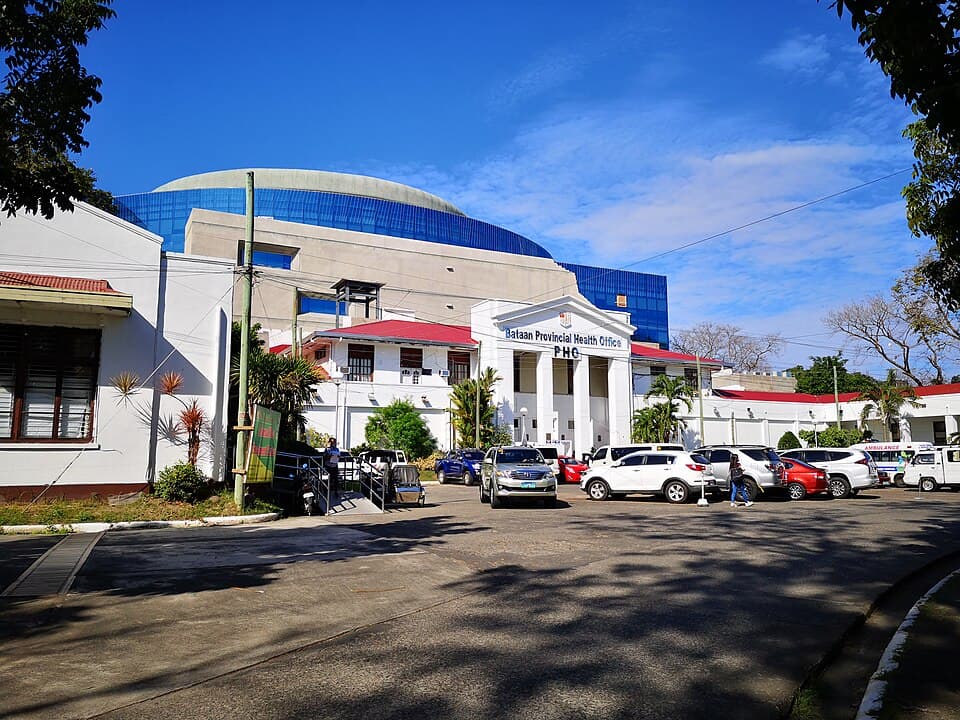
Japanese forces launched their first major assault on the Bataan Peninsula in the Philippines, where approximately 80,000 American and Filipino troops under General Douglas MacArthur had retreated after the fall of Manila. The defenders, already on half rations, would hold out for three months in one of the most grueling defensive stands of the Pacific War before their surrender led to the infamous Bataan Death March.
Galileo Galilei observed three of Jupiter's four largest moons through his telescope, a discovery that revolutionized navigation and, by extension, naval warfare. The ability to determine longitude at sea using the positions of Jupiter's moons gave maritime powers a critical navigational advantage and accelerated European colonial expansion and naval dominance.
After a seven-month siege, the British garrison of Fort St. Philip at Port Mahon surrendered to a Franco-Spanish army under the Duc de Crillon. Disease and scurvy had reduced the defenders from 2,700 fit men to fewer than 600 able to stand, ending British control of Minorca and stripping the Royal Navy of a key Mediterranean base during the American Revolutionary War.
Jean-Pierre Blanchard and John Jeffries made the first aerial crossing of the English Channel by hydrogen balloon, flying from Dover to France. Though a novelty at the time, the flight foreshadowed the day when air power would end the English Channel's role as Britain's ultimate strategic defense, a reality that became terrifyingly clear during the Blitz of 1940-1941.
The first commercial transatlantic telephone service opened between New York and London, a technological milestone with profound military implications. The ability to communicate by voice across the Atlantic would transform alliance diplomacy and military coordination, culminating in the direct telephone links between Roosevelt and Churchill that helped direct World War II strategy.
Japanese forces launched their first major assault on the Bataan Peninsula, where 80,000 American and Filipino troops had retreated. The defenders would hold for three months before their surrender led to the infamous Bataan Death March.
The submarine USS Pollack (SS-180), operating off the coast of Honshu, Japan, torpedoed and sank the Japanese cargo ship Unkai Maru No. 1, recording the first confirmed kill by a U.S. Pacific Fleet submarine in the war. Under Lieutenant Commander Stanley P. Moseley, the Pollack was among the first American warships to operate in Japanese home waters.
President Harry Truman announced to the world that the United States had successfully developed a hydrogen bomb, following the Ivy Mike test on November 1, 1952. The thermonuclear weapon was hundreds of times more powerful than the atomic bombs dropped on Japan, escalating the nuclear arms race with the Soviet Union to terrifying new levels and introducing the possibility of human extinction.
Just six days after dictator Fulgencio Batista fled Cuba, the United States formally recognized the new provisional government. American officials extended recognition despite growing intelligence that Fidel Castro harbored anti-American and Marxist sympathies. Within two years, the relationship would collapse into the Bay of Pigs invasion and the Cuban Missile Crisis.
Vietnamese forces and Cambodian rebel allies captured Phnom Penh, toppling the genocidal Khmer Rouge regime of Pol Pot. The invasion ended one of the worst genocides of the twentieth century, which had killed an estimated 1.5 to 2 million Cambodians, but it triggered international condemnation and a decade-long guerrilla war as the Khmer Rouge, backed by China and Thailand, fought the Vietnamese-backed government.
A U.S. Air Force AC-130 gunship struck a suspected Al Qaeda convoy in southern Somalia, marking the first acknowledged American military strike inside Somalia since the 1993 Black Hawk Down incident. The attack targeted senior Al Qaeda operatives believed responsible for the 1998 U.S. embassy bombings in Kenya and Tanzania.
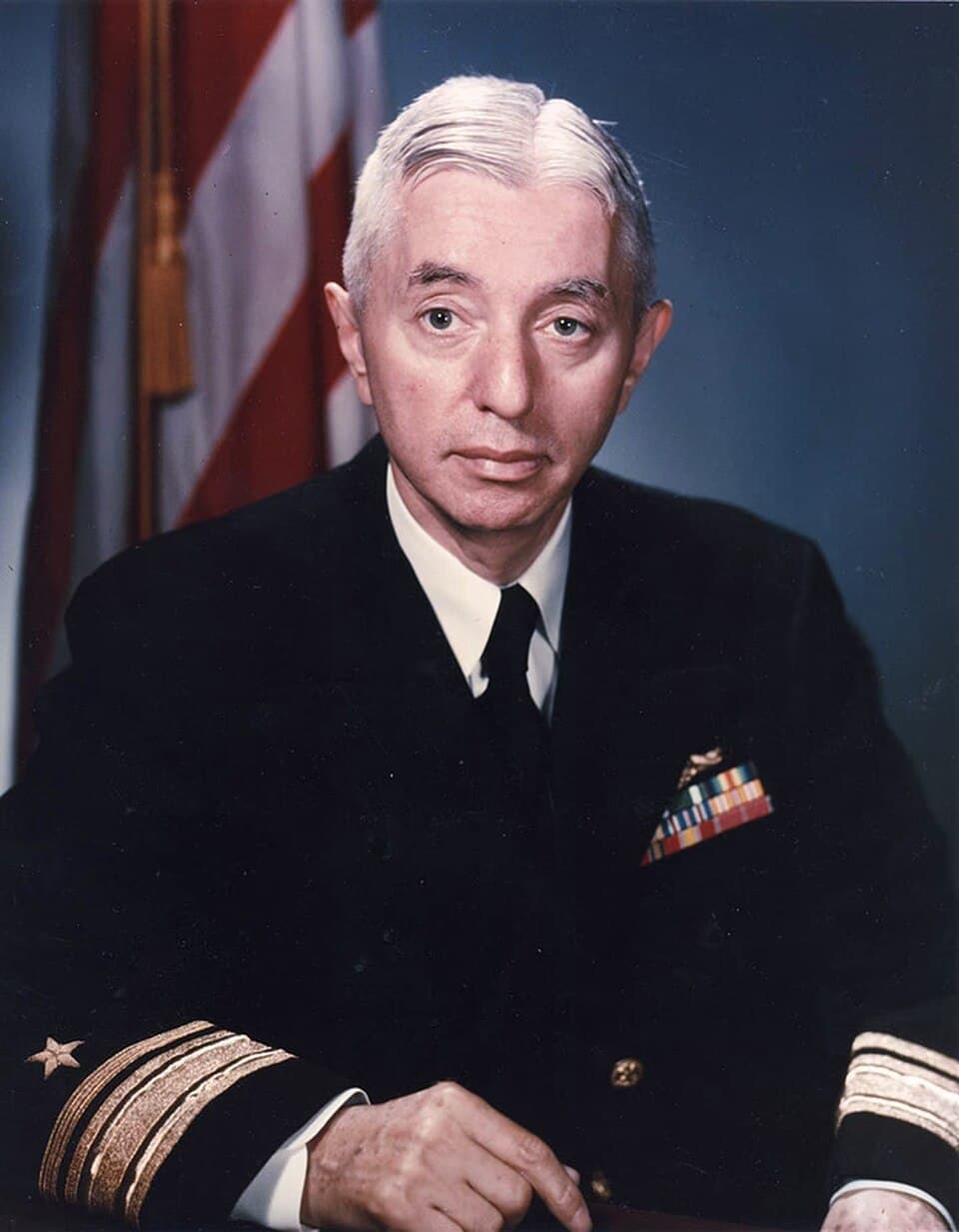
Admiral
The "Father of the Nuclear Navy," Rickover single-handedly drove the development of nuclear propulsion for submarines and surface ships, creating the force that became the most survivable leg of America's nuclear triad. His exacting standards and abrasive personality made him the longest-serving naval officer in U.S. history at 63 years of active duty.

The 13th President of the United States, Fillmore signed the Compromise of 1850, which temporarily averted civil war but included the Fugitive Slave Act that inflamed sectional tensions. He also sent Commodore Perry's expedition to Japan in 1853, forcibly opening the island nation to Western trade and beginning Japan's transformation into a modern military power.

Serbian-American inventor whose alternating current electrical system powered the industrial might that won both world wars. Tesla also pioneered radio technology, remote control systems, and early concepts of directed-energy weapons. After his death, the U.S. government seized his papers, fearing they contained military secrets.
Wear the Timeline
10 military events occurred on January 7, spanning multiple centuries. Key events include: Siege of Bataan Begins (1942), President Truman Announces U.S. Has Developed the Hydrogen Bomb (1953), Vietnamese Forces Capture Phnom Penh (1979), USS Pollack Scores the First Confirmed U.S. Submarine Kill of World War II (1942), United States Recognizes Castro's Revolutionary Government in Cuba (1959).
The most significant military event on January 7 is Siege of Bataan Begins (1942). Japanese forces launched their first major assault on the Bataan Peninsula in the Philippines, where approximately 80,000 American and Filipino troops under General Douglas MacArthur had retreated after the fall of Manila. The defenders, already on half rations, would hold out for three months in one of the most grueling defensive stands of the Pacific War before their surrender led to the infamous Bataan Death March.
Notable military figures born on January 7 include Hyman Rickover (1900–1986), Millard Fillmore (1800–1874).
Events on January 7 span World War II, the Colonial & Revolutionary era, the Interwar Period, the Cold War, the Modern Era, covering 10 events across 4 centuries of military history.
Events on January 7 involve 3 branches of the U.S. and allied armed forces, reflecting the global scope of military operations throughout history.
Explore military history from the day you were born.
June 6
The Allied invasion of Normandy, the largest amphibious assault in history.
December 7
Japan attacks the U.S. Pacific Fleet, bringing America into World War II.
September 11
The deadliest terrorist attack in history transforms U.S. national security.
August 6
The first atomic bomb is dropped on a city, ushering in the nuclear age.
May 8
Nazi Germany surrenders unconditionally, ending World War II in Europe.
November 11
Armistice Day marks the end of World War I and honors all who served.
June 4
The turning point of the Pacific War as the U.S. Navy destroys four Japanese carriers.
July 4
The Declaration of Independence is adopted, sparking the American Revolution.
15 essential WW2 books covering every theater. Narrative histories, memoirs, and visual references ranked.
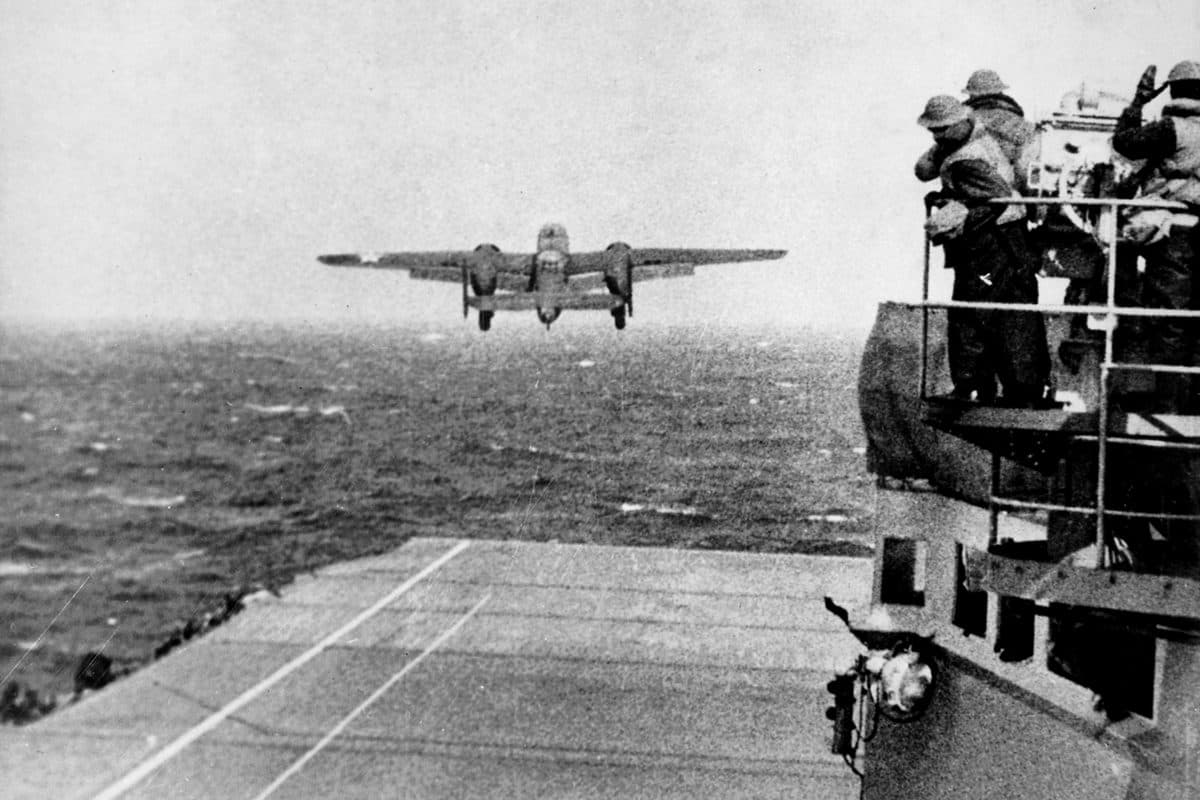
On April 18, 1942, sixteen B-25 Mitchell bombers did something no one thought possible: they launched from the deck of an aircraft carrier, flew 650 miles to Japan, and bombed Tokyo. Every aircraft was lost. The damage was negligible. The consequences changed the war.
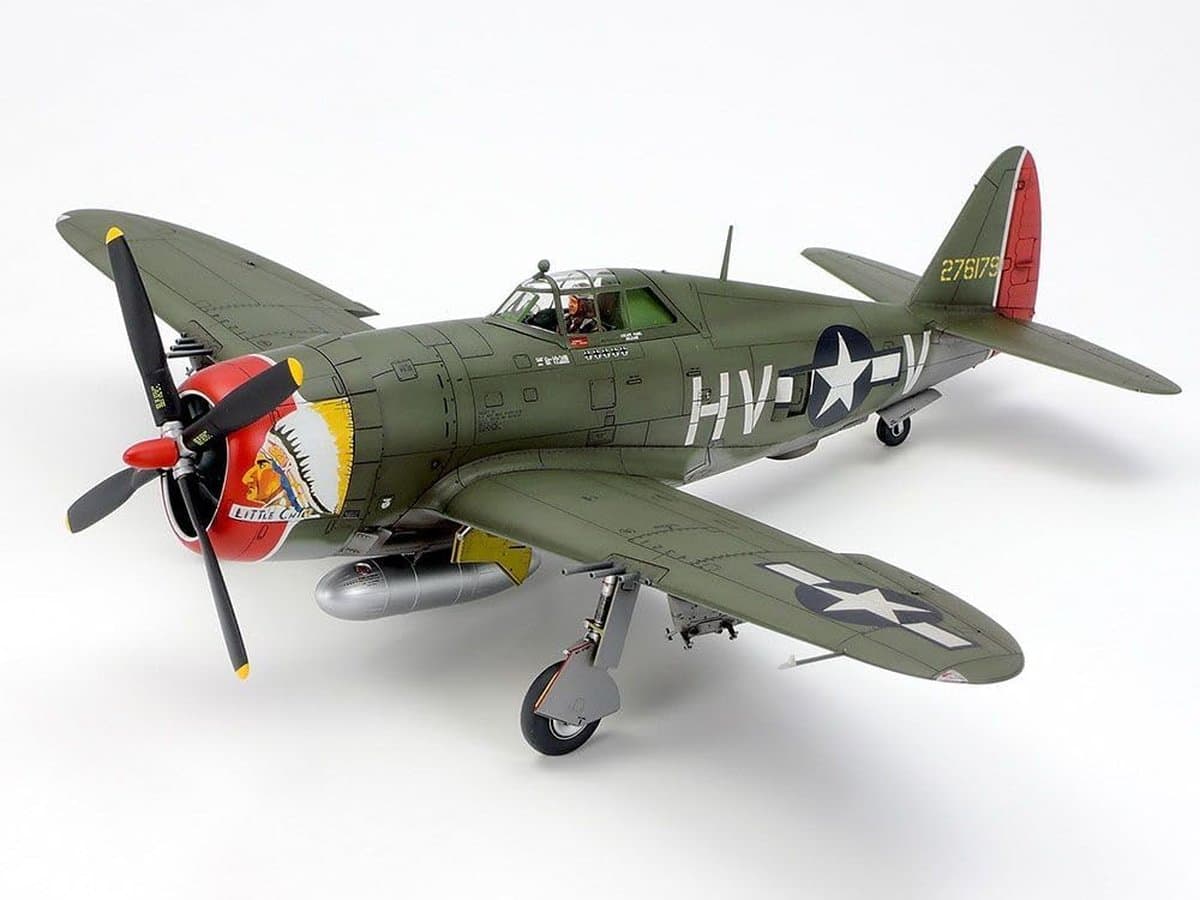
Compare 85+ WW2 scale model kits across aircraft, tanks, and ships. Beginner builds from $9 to museum-grade showpieces at $580. Covers Tamiya, Eduard, HK Models, Trumpeter, and more with honest reviews, trade-offs, and pricing.

On April 7, 1945, the Imperial Japanese Navy sent the largest battleship ever built on a one-way suicide mission to Okinawa. She never arrived. 386 American aircraft found her first, and sank her in under two hours.