



Iconic Aircraft of the Vietnam War
Boeing B-52 Stratofortress US Air Force This American project was first conceived in the immediate wake of the Second World War. The…
michael-trent··19 min read
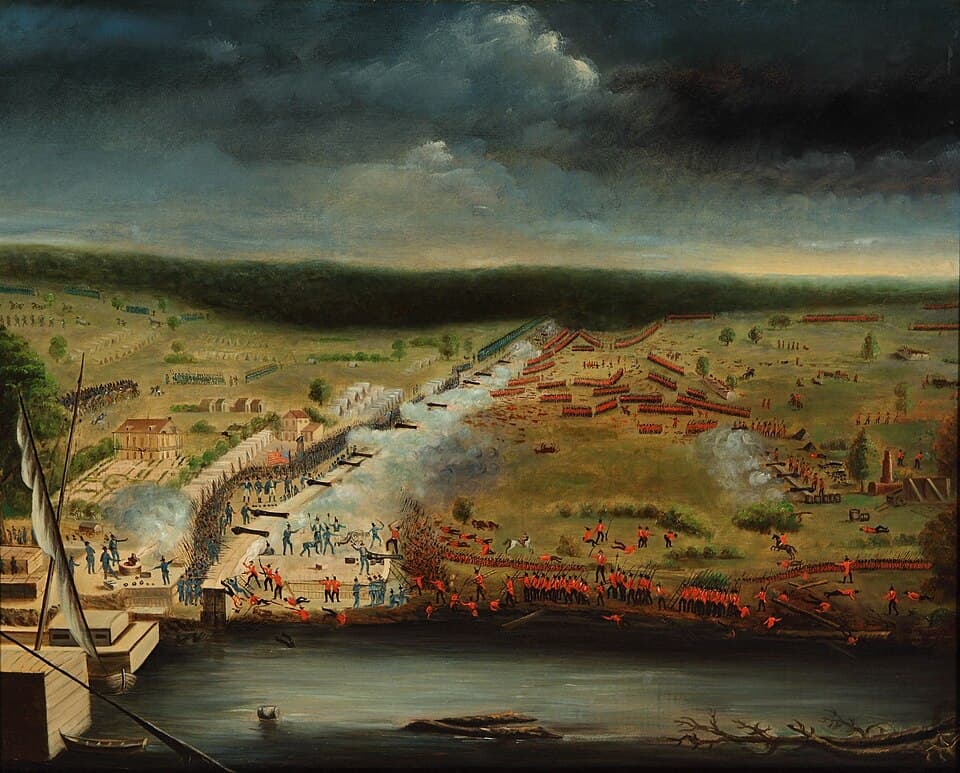
Major General Andrew Jackson's ragtag force of Regular Army soldiers, militia, free Black troops, Choctaw warriors, and Jean Lafitte's pirates annihilated a veteran British army of 8,000 at New Orleans, inflicting over 2,000 casualties while suffering fewer than 70 of their own. The lopsided victory, fought two weeks after the Treaty of Ghent ended the War of 1812, made Jackson a national hero and altered the course of American history.
President George Washington delivered the first State of the Union address to Congress in New York City. He emphasized the need for a strong national defense, including an organized militia, a small standing army, and coastal fortifications, themes that would define American military policy debate for the next two centuries.
Andrew Jackson's diverse force annihilated a veteran British army at New Orleans, inflicting over 2,000 casualties while suffering fewer than 70. The lopsided victory made Jackson a national hero and ensured American control of the Mississippi.
The British warship HMS Penguin captured the American privateer Prince de Neufchatel off the coast of Massachusetts, ending the career of one of the most successful commerce raiders of the War of 1812. The privateer had captured over 30 British merchant vessels during the conflict.
Congress overrode President Andrew Johnson's veto to grant African American men the right to vote in the District of Columbia. The legislation was pushed by Radical Republicans who recognized the military contribution of nearly 180,000 Black soldiers and sailors during the Civil War and argued that men who had fought for the Union deserved the franchise.
Congress passed legislation over President Andrew Johnson's veto granting African American men the right to vote in Washington, D.C. The act was among the first concrete steps toward Reconstruction-era voting rights and demonstrated Congressional willingness to override presidential resistance to racial equality.
Colonel Nelson Miles led five companies of the Fifth Infantry against a combined Cheyenne and Sioux force under Crazy Horse in a snowbound engagement along the Tongue River. Fighting in deep snow with mountain howitzers disguised as supply wagons, Miles broke the Indian position and forced a withdrawal that accelerated the collapse of Plains resistance after the Little Bighorn.
President Woodrow Wilson presented his Fourteen Points to Congress, outlining his vision for a post-World War I peace settlement. The points included freedom of navigation, self-determination for subject peoples, open diplomacy, reduction of armaments, and the creation of a League of Nations. The speech shaped the Armistice negotiations and influenced the Treaty of Versailles, though many of Wilson's idealistic proposals were ultimately compromised.
Theoretical physicist Stephen Hawking was born in Oxford, England, exactly 300 years after the death of Galileo. While not a military figure, Hawking's work on black holes and quantum mechanics had profound implications for military technology, including GPS satellite systems, advanced computing, and the theoretical foundations of directed-energy weapons.
Soviet forces launched Operation Iskra, finally breaking the German siege of Leningrad that had lasted 872 days. The offensive opened a narrow land corridor to the city, allowing food and supplies to reach the starving population for the first time since September 1941.
Secret negotiations between Henry Kissinger and Le Duc Tho resumed in Paris, building toward the January 27 Paris Peace Accords that ended direct American military involvement in Vietnam. The talks followed the devastating Operation Linebacker II bombing campaign, which had pressured North Vietnam back to the negotiating table.
Aircraft of the Vietnam War
Brigadier General
American general who served in both world wars and helped establish the Army's infantry training doctrine at Fort Benning. His work on combined arms tactics influenced American ground combat doctrine through World War II and into the Korean War.

The "King of Rock and Roll" was drafted into the U.S. Army in 1957 and served two years in Germany as a tank crew member in the 3rd Armored Division. His willingness to serve as a regular soldier, refusing special treatment, earned him respect from fellow servicemen and set an example of celebrity military service during the Cold War.

Major General
British commander killed at the Battle of New Orleans while leading a frontal assault against Jackson's fortified line. The Duke of Wellington's brother-in-law, Pakenham was a capable general who had fought with distinction in the Peninsular War but was given an impossible tactical situation at New Orleans.
Wear the Timeline
10 military events occurred on January 8, spanning multiple centuries. Key events include: Battle of New Orleans (1815), Wilson's Fourteen Points Speech (1918), Siege of Leningrad, Soviet Offensive Breaks the Blockade (1943).
The most significant military event on January 8 is Battle of New Orleans (1815). Major General Andrew Jackson's ragtag force of Regular Army soldiers, militia, free Black troops, Choctaw warriors, and Jean Lafitte's pirates annihilated a veteran British army of 8,000 at New Orleans, inflicting over 2,000 casualties while suffering fewer than 70 of their own. The lopsided victory, fought two weeks after the Treaty of Ghent ended the War of 1812, made Jackson a national hero and altered the course of American history.
Notable military figures born on January 8 include Frank Gruber (1890–1969), Elvis Presley (1935–1977).
Events on January 8 span the Colonial & Revolutionary era, World War I, World War II, the Vietnam War, the Civil War, the Interwar Period, covering 10 events across 3 centuries of military history.
Events on January 8 involve 3 branches of the U.S. and allied armed forces, reflecting the global scope of military operations throughout history.
Explore military history from the day you were born.
June 6
The Allied invasion of Normandy, the largest amphibious assault in history.
December 7
Japan attacks the U.S. Pacific Fleet, bringing America into World War II.
September 11
The deadliest terrorist attack in history transforms U.S. national security.
August 6
The first atomic bomb is dropped on a city, ushering in the nuclear age.
May 8
Nazi Germany surrenders unconditionally, ending World War II in Europe.
November 11
Armistice Day marks the end of World War I and honors all who served.
June 4
The turning point of the Pacific War as the U.S. Navy destroys four Japanese carriers.
July 4
The Declaration of Independence is adopted, sparking the American Revolution.
Boeing B-52 Stratofortress US Air Force This American project was first conceived in the immediate wake of the Second World War. The…
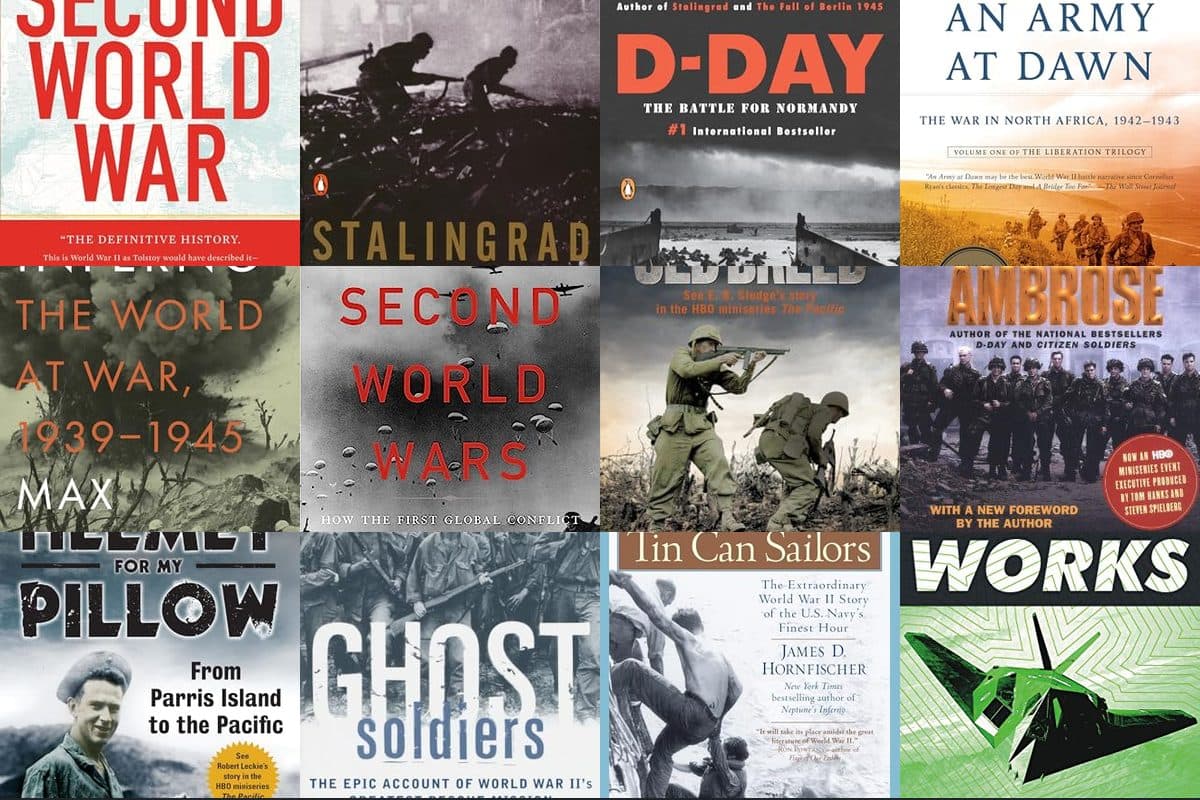
15 essential WW2 books covering every theater. Narrative histories, memoirs, and visual references ranked.
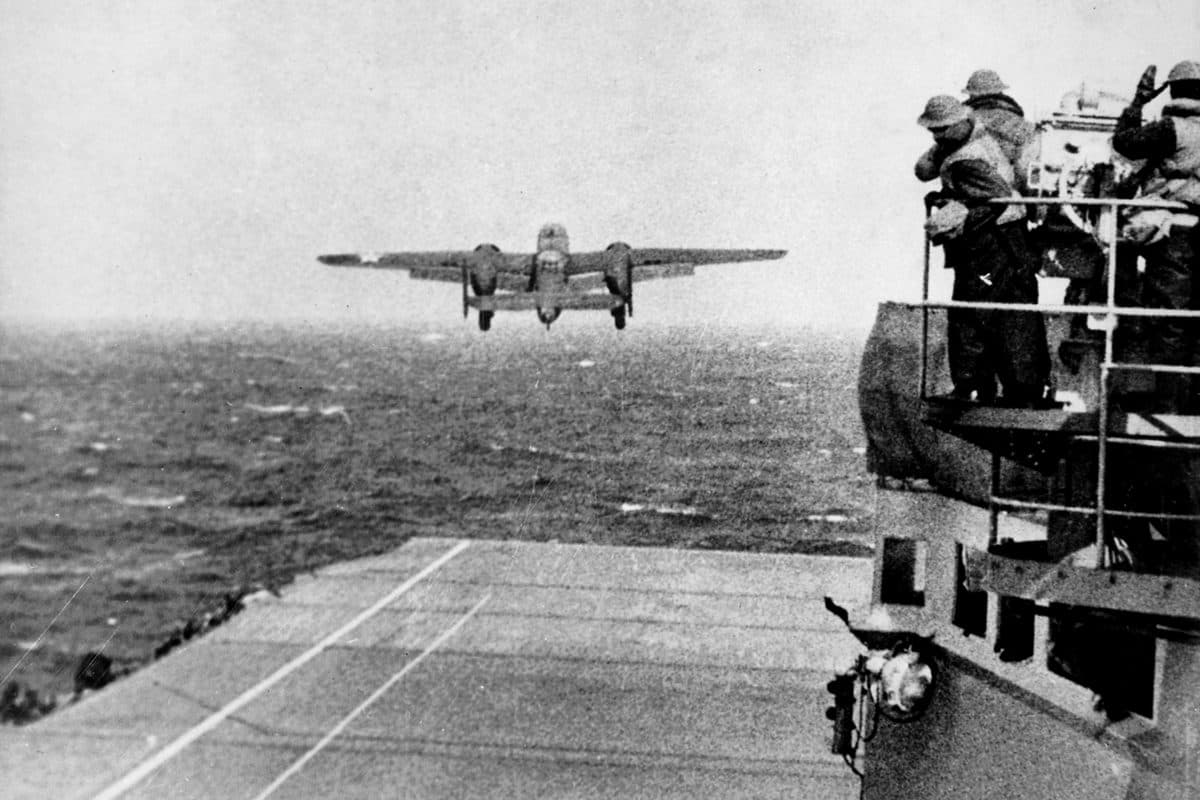
On April 18, 1942, sixteen B-25 Mitchell bombers did something no one thought possible: they launched from the deck of an aircraft carrier, flew 650 miles to Japan, and bombed Tokyo. Every aircraft was lost. The damage was negligible. The consequences changed the war.
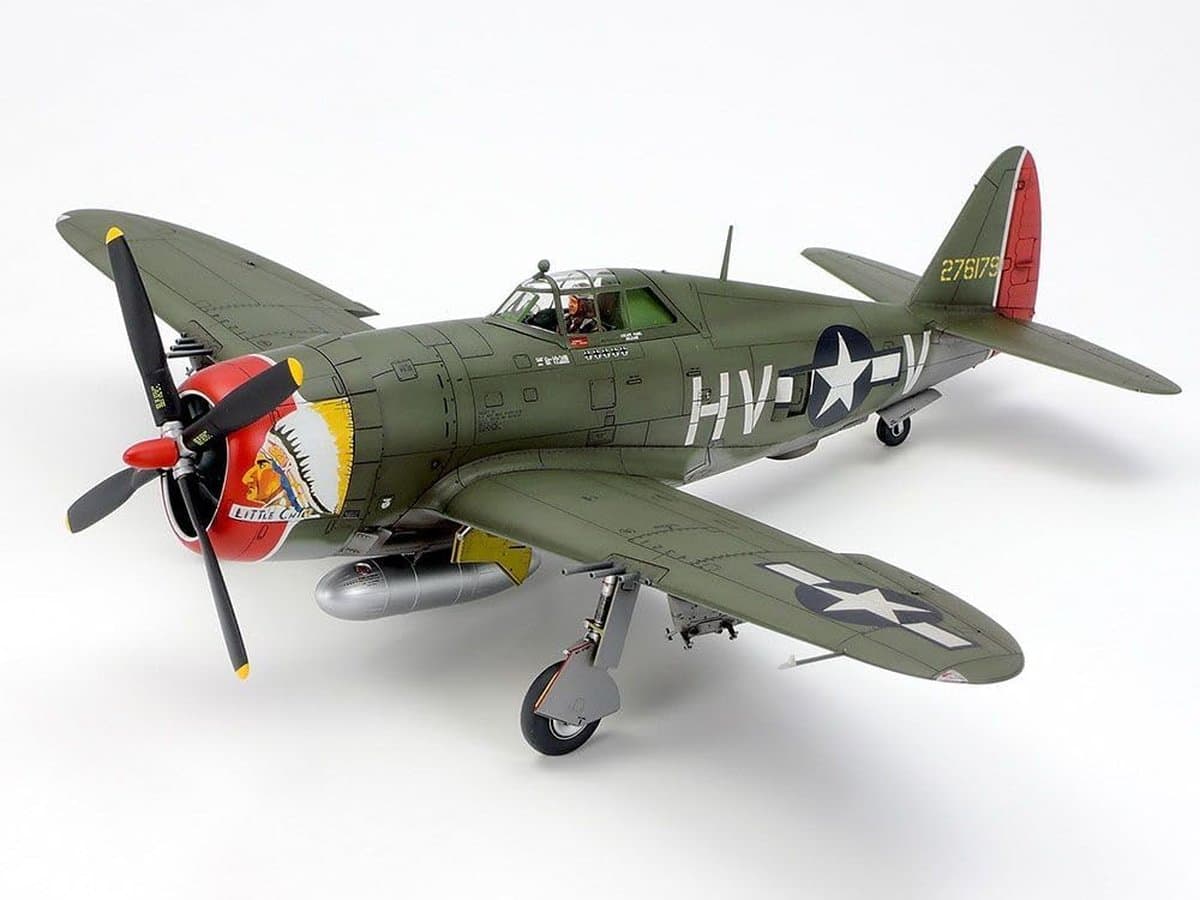
Compare 85+ WW2 scale model kits across aircraft, tanks, and ships. Beginner builds from $9 to museum-grade showpieces at $580. Covers Tamiya, Eduard, HK Models, Trumpeter, and more with honest reviews, trade-offs, and pricing.